
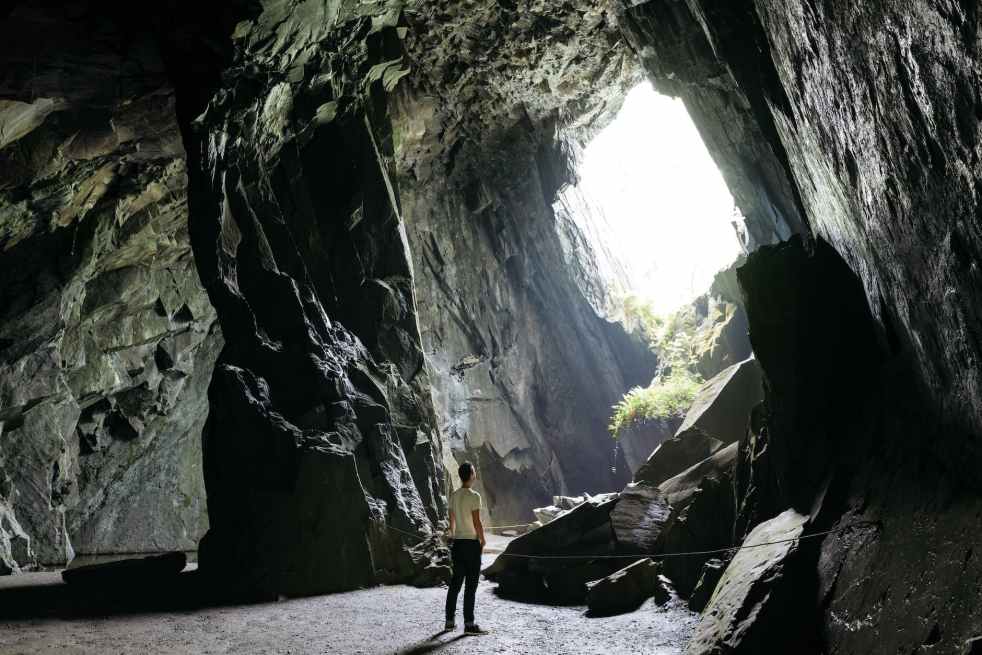
The Perceived Reality of the Shadows on the Cave Wall
Abstract/TL;DR: Discovering Plato’s Cave was an eye-opening experience for me. The allegory perfectly mirrored my journey of leaving the IFB community. Just like the person leaving the cave, I stepped into the sunlight of new ideas and perspectives, broadening my understanding of the world. Leaving the familiar was challenging but liberating, and it taught me the importance of questioning, seeking knowledge, and being open to change. Embracing this journey has been rewarding and eye-opening.

After yesterday’s heavy topic of abuse and spiritual manipulation, I want to discuss something a bit lighter today.
A few years ago I was having a conversation with someone that I respect, they were explaining to me the philosophical concept called “Plato’s Cave,” and let me tell you, it opened my eyes! You know, sometimes you come across ideas that resonate so deeply with your own experiences, and that’s exactly what happened to me when I heard about it.
Let me break it down for you the way that I understand it… Imagine there’s this group of people living in a dark cave, and they’ve been there their entire lives. The only thing they can see are the shadows dancing on the cave wall, which are actually just reflections of objects outside the cave. They have no knowledge of the real world because they’ve never seen it firsthand. It’s all they know, so they accept the shadows as their reality.
One of these cave people decides to face their fears of what is beyond and leaves the cave. They step into the sunlight and see the world outside for the first time. They’re exposed to the beauty of nature, the vastness of the landscape, and the wonders of the real world. This person’s perception of reality changes completely.
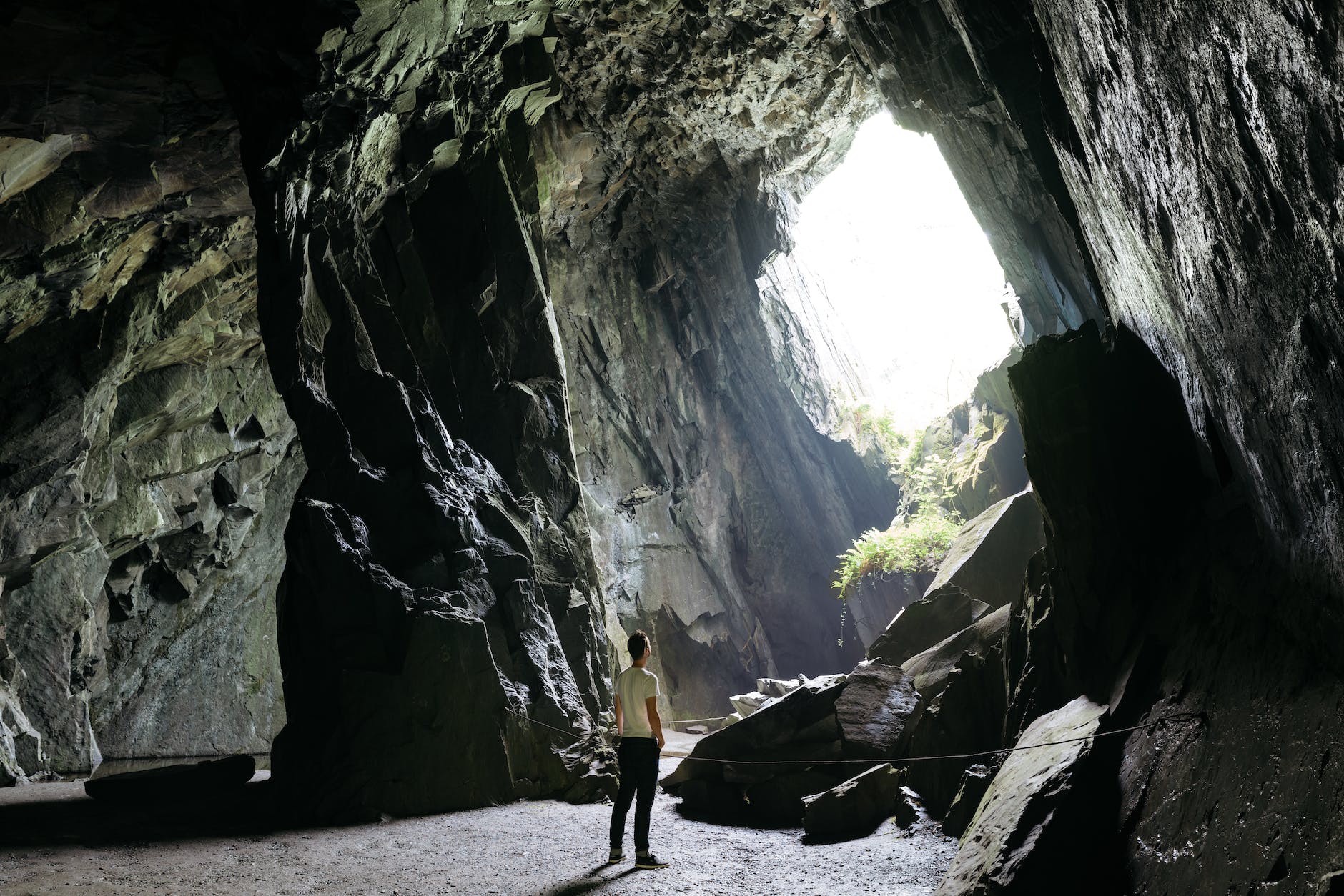
What struck me is how closely this parallels my own journey of leaving the Independent Fundamental Baptist (IFB) community. I was brought up in a highly conservative and sheltered environment, where certain beliefs and practices were unquestionably accepted as truth. I had been living in my own version of the cave, only seeing shadows of what the world could be like.
But life has its way of nudging you towards the truth. For me, it was a gradual process of questioning and seeking knowledge outside of the bubble I was in. I started to read books, explore different perspectives, and engage in conversations with people from diverse backgrounds while keeping an open mind. It was like stepping into the sunlight, my mind opening up to new ideas and concepts.
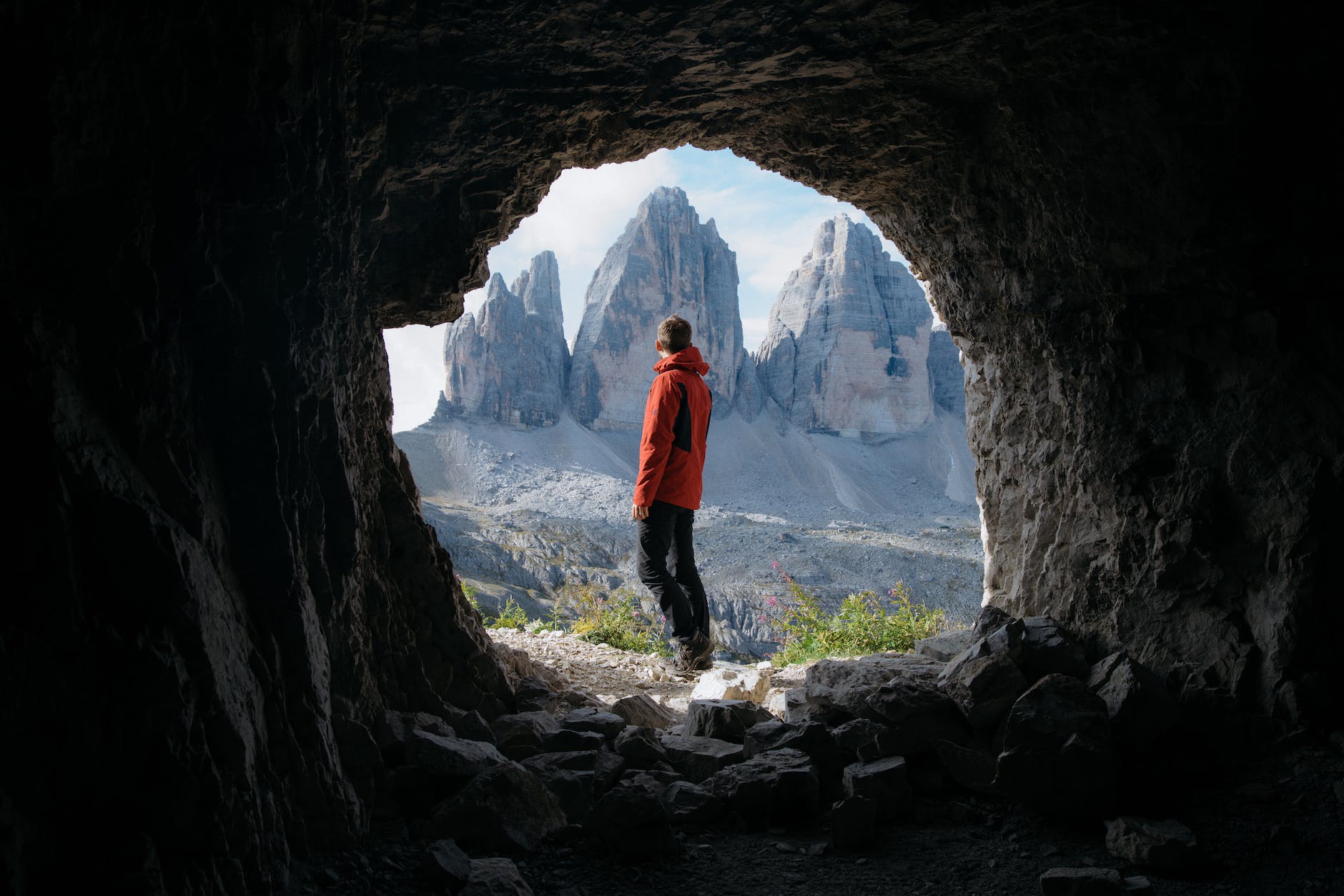
Just like the person who left the cave, my perception of reality shifted dramatically. I realized that there was so much more to the world than what I had been taught. Leaving the IFB community meant breaking away from the familiar and venturing into the unknown, but it also meant embracing a broader, more inclusive view of the world.
Now, I don’t want to paint an entirely negative picture of my past. The IFB community provided me with a strong sense of community, and I met many kind and well-intentioned people there. However, it became evident that there were limitations to the beliefs and practices I had grown up with.
The concept of Plato’s Cave taught me the importance of questioning, seeking knowledge, and being open to change. It’s not always easy to leave the comfort of our caves, but doing so can lead to a deeper understanding of ourselves and the world around us. It’s been an eye-opening experience, and I’m grateful for the opportunity to see the world in a new light.

Disclaimer: The experiences shared in this post are based on my personal perspective. While I chose to leave the IFB to find a more gracious and loving community, it is important to acknowledge that individuals may have different experiences and find happiness within the IFB or any other religious institution. My decision to leave the IFB does not imply a loss of faith, as faith is a deeply personal and subjective matter. It is essential to respect and recognize the diversity of experiences and perspectives within religious communities. The content shared is for informational purposes only and should not be construed as professional advice, guidance, or a universal representation of the IFB or any religious organization. It is recommended to seek guidance, conduct research, and consider multiple perspectives when making personal decisions or exploring matters of faith.While I speak from personal experience and perspective, I want to acknowledge that I come from a place of extreme privilege. I understand that I have the means and support to change my situation, which may not be the case for everyone. It is important to recognize that each individual’s circumstances vary, and not everyone has the same resources available to them.

 Looking Joli Good