Abstract/TL;DR:I believe there is no limit to asking questions, as curiosity fuels growth and understanding. In the Independent Fundamental Baptist (IFB) community, questioning was discouraged, often met with appeals to blind faith. This environment hindered intellectual growth and limited different perspectives. Some leaders positioned themselves as unquestionable authorities, dismissing inquiries. Challenging these patterns and embracing a culture of inquiry is vital for personal and societal advancement. Asking questions demonstrates a thirst for knowledge and contributes to personal growth and collective progress.
After a twenty-year break, I recently returned to graduate school, and I’ve found that my curiosity and desire to learn have only grown stronger over the years. Throughout my studies, I consistently have follow-up questions and actively seek clarifying answers. I believe that questioning is vital for personal growth and a deeper understanding of the subject matter.
While those who are in class with me may disagree, I firmly believe that there is no such thing as asking too many questions. Curiosity and inquiry are essential for growth, learning, and understanding. When we question, we challenge the norm, expand our knowledge, and gain new perspectives.
If someone tells you to stop questioning or discourages your curiosity, it is even more important to challenge that notion. Suppressing questions can hinder critical thinking and progress. It is through questioning that we uncover hidden truths, discover innovative solutions, and challenge outdated beliefs.
During my time in the Independent Fundamental Baptist (IFB) community, I experienced firsthand the discouragement of questioning. When I sought answers or raised thought-provoking inquiries, I often encountered responses that dismissed my concerns by simply urging blind faith. Instead of engaging in critical conversations or providing meaningful explanations, the emphasis by the leadership was placed on suppressing doubts and accepting doctrine without question. I was told to, “Pray about it.” or “Just have faith.” Both are important concepts, but they cannot stand in the place of finding answers through critical thinking.
This oppressive environment prevented intellectual growth and hindered the exploration of different perspectives. It was a reminder of the importance of challenging such responses and advocating for open dialogue, where questions are embraced rather than silenced, and faith can be accompanied by a deeper understanding. If your faith and doctrine cannot withstand scrutiny, then it might be worth reconsidering the foundation upon which they stand. True faith is strengthened by questioning and seeking understanding, not by suppressing doubts or avoiding critical examination. Embracing scrutiny can lead to a deeper, more genuine faith that stands firm even in the face of challenges.
I also observed in the IFB community a pattern where leaders positioned themselves as authorities who possessed all the answers, discouraging any form of questioning. It was disheartening to witness their reluctance to engage in meaningful dialogue and their insistence on maintaining an unquestionable stance. What struck me particularly was when a young man, barely out of college at the age of 23, was hired and entrusted with providing advice to individuals much older and more experienced. (This is not an uncommon practice in IBF communities all around the country, and even the world) The lack of life experience was evident, yet he assumed a position of authority without room for questions or dissent. This dynamic highlighted the importance of critical thinking and the necessity to challenge leadership when their expertise and life experiences may be limited or incomplete.
When faced with resistance to questions, it becomes necessary to push further and seek answers. It is an opportunity to challenge assumptions, spark meaningful discussions, and create a culture of intellectual curiosity. Embracing a mindset of relentless inquiry allows us to challenge the norm, break barriers, and make positive advancements in various aspects of life. Never be afraid to ask questions, even when faced with resistance. Challenge those who discourage inquiry and embrace the power of curiosity. By doing so, you contribute to your own personal growth and the advancement of society as a whole.
Asking questions is not a sign of weakness or ignorance; rather, it demonstrates a thirst for knowledge and a desire for deeper understanding. By encouraging a free exchange of ideas and a willingness to explore the unknown, we can create an environment where innovation thrives and progress flourishes.
Disclaimer:While I have discussed experiences within the IFB community, it is important to note that not all leaders encountered in this context were adverse to questions. I recognize that there are diverse individuals and leadership styles within any community or organization, including the IFB. It is possible to encounter leaders who are open to dialogue, value critical thinking, and encourage questioning. The reflections shared are based on personal experiences and observations, and they may not reflect the entirety of the IFB or the experiences of others within the community. It is essential to approach any generalizations with an open mind and to engage in respectful and nuanced conversations when discussing specific leaders and contexts.
Abstract/TL;DR:Leaving the Independent Fundamental Baptist (IFB) movement not only changed my beliefs but also transformed my thought process. It broadened my perspective, encouraged critical thinking, and fostered empathy and intellectual humility. It liberated me from rigid doctrine and allowed me to engage with diverse viewpoints. It was a journey of growth and discovery that continues to shape the way I think.
Leaving the Independent Fundamental Baptist (IFB) movement wasn’t simply a change in my beliefs; it transformed the very way I think. Growing up in the IFB, my worldview was shaped by its teachings, doctrines, and practices. But as I ventured beyond those familiar boundaries, my perspective broadened, and new avenues of understanding opened up.
The choice to distance myself from the IFB challenged me to question everything I had been taught. It required me to critically examine my beliefs, scrutinize their origins, and evaluate them in light of new information and perspectives. It was a process of intellectual liberation, breaking free from the confines of rigid doctrine and embracing a more nuanced, thoughtful approach to faith and life.
No longer bound by a narrow set of prescribed ideas, I began to explore diverse viewpoints and engage with different theological, philosophical, and social perspectives. It was liberating to realize that I could think for myself, weigh evidence, consider different interpretations, and arrive at my own conclusions. Did this happen overnight? Not at all! I has been a slow and purposeful process.
Leaving the IFB not only broadened my intellectual horizons, but it also increased my compassion. I discovered the value of listening to others, understanding their experiences, and appreciating the diversity of human thought and belief. It enabled me to engage in meaningful dialogue, seek common ground, and embrace a more inclusive and accepting mindset.
Leaving the IFB created a sense of intellectual humility. It taught me that certainty is not always attainable and that honest questioning and wrestling with complex issues is a natural part of growth and understanding. I learned to be willing to reassess and adapt as new insights emerge.
In the end, leaving the IFB wasn’t just a shift in doctrine; it has been a transformation of my entire thought process. It liberated me from the constraints of narrow-mindedness, encouraged me to explore new ideas, and cultivated a greater appreciation for intellectual curiosity and empathy. It has been a journey of growth and introspection—a journey that continues to shape and reshape the way I think and engage with the world around me.
Abstract/TL;DR:The Bible advises not to be anxious, but some churches impose strict rules causing anxiety. This can create a conflict between preached messages and expectations, leading to guilt and constant anxiety. Leaving that type of a church can be liberating, allowing for a more authentic and compassionate approach to spirituality. It’s essential to find a spiritual space that nurtures your soul without unnecessary anxiety, trusting yourself to make the right choices for your well-being. Remember, you are not alone in this journey, and your peace of mind matters.
The Bible tells us in Philippians 4:6-7: Let not your heart be troubled, and God’s word tells us to be anxious for nothing. However, the church piles on a list of legalistic standards that cause fear and anxiety. How can these two conflicting messages be correct?!
When I was part of my previous church community, it was quite challenging for me, because they often preached about not being anxious and trusting in faith. However, at the same time, they had strict rules and legalistic standards that created a constant state of anxiety within me. It felt like I was always walking on eggshells, worried that I might not measure up to their expectations.
It’s like they were telling us not to worry, yet their actions and requirements seemed to contradict that message. This mismatch between what was preached and what was expected created an internal conflict, making it even harder to find peace of mind.
As a result, I found myself in this constant cycle of feeling guilty and anxious if I couldn’t live up to their ideals. It was exhausting and emotionally draining, and I felt like I was set up to fail at every turn.
I’ve always believed that the church should be a supportive and understanding community, but I’ve encountered situations where judgment and lack of empathy prevailed. It’s discouraging when you desire acceptance and find yourself dealing with anxiety instead.
Every Saturday evening, the anticipatory anxiety would slowly creep its way into my thoughts and emotions. I’d sense my chest tightening, the urge to fidget, and micromanage, unfortunately, that tension would manifest in me being short and unkind to my family. As I began to prepare for the Sunday morning church services, the stress would intensify, and I could feel my shoulders tensing up, rising towards my ears.
The anticipatory anxiety felt suffocating, like an overwhelming weight on my chest. I found myself striving for perfection, knowing that judgment and scrutiny awaited me. It was as if every step I took was under a microscope, and the fear of not meeting expectations intensified the pressure even more. It seemed as though certain people wanted me to fail, almost as if they were eagerly waiting to hold me accountable for any misstep.
As I have mentioned in previous posts, leaving the church was a tough decision, but it was liberating too. It allowed me to break free from those suffocating standards and embrace a more authentic and compassionate approach to life and spirituality. I realized that true faith and spirituality should be about love, understanding, and acceptance, not fear and anxiety.
Since then, I’ve found a new sense of peace and contentment. I’ve discovered spiritual practices that resonate with me personally and align with my values. I’ve made a conscious choice to surround myself only with people who genuinely want the best for me and cheer on my success. It’s incredible how this decision has lifted the heavy burden of anxiety from my shoulders. I’ve learned to trust myself and follow my instincts. If something is causing me significant anxiety, I now understand the importance of reevaluating my involvement and making choices that prioritize my mental well-being.
Making the decision to leave that judgmental church community behind is something I’ll always be thankful for. It was an important choice, and I’m grateful I had the courage to make that change.
If you’re experiencing a similar situation, know that you’re not alone. It’s ok to question and challenge the status quo, especially if it’s causing you unnecessary anxiety. Take the time to explore what truly brings you peace and comfort, and don’t be afraid to make changes that will lead you to a healthier and happier path.
Remind yourself that it’s ok to take a break. Stepping away from the source of anxiety, even for a few minutes, (…or forever) can be extremely restorative.
Your well-being matters above all else. Trust yourself, and surround yourself with people who uplift and support you. You deserve to find a spiritual space that nurtures your soul without the burden of constant anxiety.
Be kind to yourself, and trust that you’ll find the way that’s right for you.
Disclaimer: The experiences shared in this post are based on my personal perspective. While I chose to leave the IFB to find a more gracious and loving community, it is important to acknowledge that individuals may have different experiences and find happiness within the IFB or any other religious institution. My decision to leave the IFB does not imply a loss of faith, as faith is a deeply personal and subjective matter. It is essential to respect and recognize the diversity of experiences and perspectives within religious communities. The content shared is for informational purposes only and should not be construed as professional advice, guidance, or a universal representation of the IFB or any religious organization. It is recommended to seek guidance, conduct research, and consider multiple perspectives when making personal decisions or exploring matters of faith.While I speak from personal experience and perspective, I want to acknowledge that I come from a place of extreme privilege. I understand that I have the means and support to change my situation, which may not be the case for everyone. It is important to recognize that each individual’s circumstances vary, and not everyone has the same resources available to them.
Abstract/TL;DR:Leaving the Independent Fundamental Baptist (IFB) church was a difficult decision that involved letting go of familiar traditions and facing rejection. However, it was driven by a desire to seek truth, question inconsistencies, and find a more genuine and compassionate path. Leaving was not about wanting to sin but about embracing critical thinking and a more inclusive worldview. It has been a transformative experience that has allowed for personal growth and a deeper understanding of a loving and compassionate relationship with God.
As I have previously written, I have recently made a major change in my life by choosing to leave the Independent Fundamental Baptist (IFB) church. It was not a decision that was made lightly. The decision to leave the IFB does not imply a loss of faith, as faith is a deeply personal and subjective matter. Leaving the IFB was not an easy process. It meant letting go of familiar traditions, potentially facing rejection from friends and family, and rebuilding my identity outside of the confines of the church. But through it all, I remain committed to seeking truth and living a life based on my own values and convictions.
Growing up in the IFB, I was taught that people who left “the faith,” meaning the IFB’s way of believing, did so because they wanted to be able to sin. Although, as I grew older, I started to question some of the teachings and practices that seemed contradictory or inconsistent. I began to see the gaps in their logic and the harmful consequences of their rigid beliefs and doctrines.When I made the tough choice to leave the IFB, I didn’t leave because I wanted to indulge in sinful behavior. That was never my motivation. Instead, I made the difficult decision to walk away because I came to recognize the deep flaws in their theology and ideology.
Leaving the IFB was not about seeking an excuse to sin, but rather about finding a more genuine and intellectually honest path where I could think critically, question assumptions, and embrace a more compassionate and open-minded approach to life. Since leaving, I have found a newfound freedom in my faith. I have embraced a more inclusive and compassionate worldview that allows me to connect with others in a loving and kind way.
Ultimately, I believe that my relationship with God is deeply personal. While the church and its teachings played an influential role in shaping my faith, I must also critically discern my understanding of God’s love from what I read in the Bible for myself. Embracing the idea of an ever-loving and compassionate God allows me to reconcile the conflicting messages and find a path that nurtures my spiritual growth and aligns with my understanding of a loving and gracious divine presence.
To those who criticize my choice and claim that I left because I wanted freedom to indulge in sin, I confidently respond that, yes, my decision was about freedom, the freedom to choose a relationship with God rooted in love, separate from the church.
Romans 8:38-39: “And I am convinced that nothing can ever separate us from God’s love. Neither death nor life, neither angels nor demons, neither our fears for today nor our worries about tomorrow—not even the powers of hell can separate us from God’s love. No power in the sky above or in the earth below—indeed, nothing in all creation will ever be able to separate us from the love of God that is revealed in Christ Jesus our Lord.”
In the depths of darkness, I once dwelled, Bound by chains, within a confining cell. A grip tightened, suffocating my soul, As I longed for freedom, to reclaim control.
But then came a moment, a flicker of light, A stirring within, a courageous flight. I broke free from the shackles that held me tight, Embracing a path bathed in truth and insight.
Leaving, a bittersweet release, Aching wounds healed, finding inner peace. The weight upon my shoulders, no longer there, I breathed in liberation, with new air.
The relief that flooded my tired heart, As I embraced the world, ready to restart. No longer defined by the rigid mold, I discovered a beauty that could not be sold.
No longer confined by a limited view, I found my own voice, my spirit renewed. I drank from the cup of authenticity, Embracing the truth of my own identity.
Encourage your weary soul, Break free from the chains, embrace the whole. Find peace in freedom, in truth’s embrace, And bask in the lightness, in boundless grace.
Trigger Warning: I may not cover all of these things in detail, but if you have recently left the IFB or fundamentalism you might feel triggered by the subjects of this post. TW: fundamentalism, legalism, religious trauma, hell, culottes, spiritual abuse, physical abuse, SA, guilt and shame, emotional manipulation, loss of community, and fear of rejection
Disclaimer: The information provided about the Independent Fundamental Baptist (IFB) movement is based on general observations and common beliefs and practices. However, it is important to note that the IFB movement is not a monolithic entity, and there can be significant variations in beliefs, practices, and experiences among different churches, pastors, and individuals within the IFB community. The views expressed in this post may not reflect the perspectives of all IFB members, and it is advisable to engage in further research, dialogue, and firsthand experiences to develop a comprehensive understanding of the IFB movement.
Abstract/TL;DR: The IFB movement is a conservative branch of Christianity with a literal interpretation of the Bible. It emphasizes individual church autonomy and rejects denominational structures. IFB churches believe in the authority and inerrancy of the Bible, often taking a conservative stance on social issues. Some IFB adherents advocate the King James Only (KJO) stance, believing that the King James Version is the only inspired English translation of the Bible. However, not all IFB members hold this belief, and there are variations within the movement.
Get ready, I’m about to give you a whole lot of information…
All of this information has been accumulated over my forty years being a part of the IFB and from the last several years of researching whether or not I wanted to stay a part of it. I have tried to stick to the facts, but it is inevitable that my opinion is peppered throughout. I am writing about the rule not the exception. I am painting with a broad brush! I knew and know many kind and genuine people that believe this way. Unlike the majority of the IFB, I realize things are not black and white and life is filled with nuance. I have added links and references as well as Bible verses when applicable.
General Overview
The Independent Fundamental Baptist (IFB) movement, a branch of conservative Christianity, emerged in response to perceived liberal theology and modernist influences in the late 19th and early 20th centuries. IFB adherents strive to uphold what they consider to be the fundamental doctrines of the Christian faith, including the inerrancy of the Bible, the virgin birth, atoning death, and bodily resurrection of Jesus.
IFB churches place a strong emphasis on the autonomy of the local church, with each congregation operating independently and not affiliated with any formal denominational structure. This autonomy grants individual churches the freedom to interpret and apply the Bible according to their own understanding and convictions. It is within this context that the IFB movement promotes its conservative beliefs and practices, often with a literal interpretation of the King James version of the Bible as a central tenet.
Salvation:
Independent Fundamental Baptists (IFB) believe that salvation is a gift from God that is received by faith in Jesus Christ. They believe that the only way to be saved is to repent of one’s sins and trust in Jesus Christ as Lord and Savior.
Here are some Bible verses that IFB use to support their belief in salvation by grace through faith:
Ephesians 2:8-9: “For by grace you have been saved through faith, and that not of yourselves; it is the gift of God, not of works, lest anyone should boast.”
Romans 3:23-24: “For all have sinned and fall short of the glory of God, and are justified freely by his grace through the redemption that came by Christ Jesus.”
John 3:16: “For God so loved the world that he gave his one and only Son, that whoever believes in him shall not perish but have eternal life.”
IFB believe that salvation is a one-time event that happens when a person repents of their sins and trusts in Jesus Christ. They believe that once a person is saved, they are eternally secure in their salvation.
Here are some Bible verses that IFB use to support their belief in the security of salvation:
Romans 8:38-39: “For I am persuaded that neither death nor life, nor angels nor principalities nor powers, nor things present nor things to come, nor height nor depth, nor any other created thing, shall be able to separate us from the love of God which is in Christ Jesus our Lord.”
1 John 5:13: “These things I have written to you who believe in the name of the Son of God, that you may know that you have eternal life, and that you may continue to believe in the name of the Son of God.”
IFB believe that salvation is a free gift from God that cannot be earned or deserved. They believe that the only way to receive this gift is to repent of one’s sins and trust in Jesus Christ as Lord and Savior.
Heaven and Hell
In the IFB, Heaven is understood as the ultimate destination for believers. It is seen as a place of eternal joy, peace, and fulfillment in the presence of God. Believers anticipate a perfect state where they will experience complete fellowship with God and enjoy the rewards of their faithfulness. Heaven is described as a realm free from sin, suffering, and all forms of evil, where believers will be reunited with loved ones who also accepted salvation.
On the other hand, Hell is viewed as a place of eternal punishment and separation from God. It is believed to be a state of conscious torment for those who reject God’s offer of salvation through Jesus Christ. Hell is seen as a just retribution for unrepentant sinners, where they will face the consequences of their rejection of God’s moral order and experience the everlasting consequences of their choices.
The IFB movement emphasizes the importance of personal faith in Jesus Christ as the means to escape the judgment of Hell and gain entrance into Heaven. They believe that salvation comes through accepting Jesus as Lord and Savior, repenting of sins, and placing one’s trust in His sacrificial death and resurrection.
IFB Central Doctrines:
The IFB movement encompasses a range of beliefs and practices, but there are several key doctrines that are commonly emphasized within IFB churches. Here are some of the central doctrines often associated with IFB:
Biblical Inerrancy: IFB adherents generally hold to the belief in the inerrancy of the Bible, considering it to be the inspired and infallible Word of God without error in its original manuscripts.
Literal Interpretation: IFB churches tend to favor a literal interpretation of the Bible, seeking to understand and apply its teachings directly and taking historical and cultural context into account.
Salvation by Faith: IFB adherents affirm that salvation comes solely through faith in Jesus Christ, emphasizing the need for personal repentance from sin and acceptance of Jesus as Lord and Savior.
Atonement: IFB churches typically teach that Jesus’ death on the cross provides atonement for sin, and that salvation is received through accepting His sacrificial gift.
Separation from Worldliness: IFB churches often emphasize the need for believers to separate themselves from worldly influences and practices, promoting a lifestyle characterized by moral purity and adherence to biblical standards.
Local Church Autonomy: IFB churches uphold the autonomy of the local church, asserting that each congregation should be self-governing and independent of outside denominational control.
Soul Liberty: IFB churches generally affirm the concept of “soul liberty,” which means that each individual has the freedom and responsibility to interpret the Bible for themselves and make personal decisions of faith.
Eschatology: IFB churches tend to hold to a premillennial, pre-tribulation view of the end times, anticipating the imminent return of Jesus Christ, a literal thousand-year reign, and a future resurrection and judgment.
Missionary Zeal: Many IFB churches have a strong focus on global missions and evangelism. They often support and send missionaries to spread the Christian message and establish churches in different parts of the world.
Discipleship and Mentoring: The IFB places an emphasis on discipleship and mentoring, with more experienced believers guiding and mentoring newer converts or younger members of the congregation in their spiritual growth and understanding of the Bible.
While these doctrines are common within the IFB, there can be variations and nuances in belief among individual churches and pastors. Not all IFB churches will necessarily adhere to all of these doctrines in the same way or to the same extent.
Baptist Distinctives:
Baptist love their acrostics! The Young Baptist Podcast did a whole series of episodes about these distinctives. Click HERE if you are interested in checking it out.
B – Biblical Authority A – Autonomy of the Local Church P – Priesthood of the Believer T – Two Ordinances: Baptism and the Lord’s Supper I – Individual Soul Liberty S – Saved, Baptized, Church Membership T – Two Offices: Pastor and Deacon S – Separation of Church and State
These distinctives collectively represent core Baptist beliefs and practices, emphasizing the authority of the Bible, the autonomy of the local church, the priesthood of all believers, and the freedom of individual conscience. These principles, summarize key beliefs and practices within the Baptist tradition. Here’s a brief explanation of each of these principles:
B – Biblical Authority: This principle asserts that the Bible is the ultimate authority in matters of faith and practice. It emphasizes the belief that the Scriptures are inspired by God and serve as the guide for doctrine and conduct.
A – Autonomy of the Local Church: This principle highlights the independence and self-governance of each local church. It means that each congregation has the right to govern its own affairs, make decisions, and operate without external denominational control.
P – Priesthood of the Believer: This principle emphasizes the direct access to God that every believer has, without the need for intermediaries. It affirms that each individual believer has the privilege and responsibility to approach God, study the Scriptures, and serve as a representative of Christ in the world.
T – Two Ordinances: Baptism and the Lord’s Supper: This principle acknowledges two symbolic practices instituted by Jesus. Baptism is seen as the public declaration of faith and identification with Christ, typically through immersion in water. The Lord’s Supper (also known as Communion or the Eucharist) commemorates Jesus’ sacrifice through the sharing of bread and wine (or their symbolic equivalents).
I – Individual Soul Liberty: This principle recognizes the freedom and responsibility of each individual to interpret the Scriptures and make personal decisions of faith. It rejects coercion or force in matters of conscience and upholds the rights of individuals to worship and believe according to their own convictions.
S – Saved, Baptized, Church Membership: This principle emphasizes the belief that salvation comes through faith in Jesus Christ alone. It affirms the importance of baptism as an obedient response to salvation, and that believers should unite with a local church for fellowship, worship, and mutual support.
T – Two Offices: Pastor and Deacon: This principle recognizes two specific leadership roles within the church. The pastor (also referred to as an elder or minister) is responsible for preaching, teaching, and shepherding the congregation. Deacons serve in a supportive role, assisting with various practical and administrative tasks.
S – Separation of Church and State: This principle advocates for the independence of the church from government control or interference. It recognizes the distinct roles and authorities of the church and the state, promoting religious freedom and the non-establishment of a state church.
King James Only (KJVO) Stance
The Independent Fundamental Baptist movement places a strong emphasis on the authority and inerrancy of the Bible. It views the Scriptures as the final authority in matters of faith and practice, rejecting the notion that cultural or societal norms should influence biblical interpretation. This often results in a conservative stance on social issues such as abortion, homosexuality, and gender roles.
Within the Independent Fundamental Baptist movement, there is a significant segment that adheres to the belief in the King James Only (KJO) stance. This perspective asserts that the King James Version (KJV) of the Bible, translated in the early 17th century, is the only acceptable and inspired English translation of Scripture. Advocates of the KJO stance argue that other modern translations are flawed and may contain inaccuracies or compromise the integrity of the biblical text.
Supporters of the KJO position often cite the historical significance of the KJV, its literary beauty, and its widespread usage throughout the English-speaking world for several centuries. They believe that God specifically preserved and inspired the KJV, making it the sole trustworthy English translation.
Critics of the KJO stance argue that it is overly rigid and ignores the advancements in biblical scholarship and linguistics. They point out that the KJV, while highly regarded, is based on outdated manuscripts and uses archaic language that may be difficult for modern readers to comprehend. They contend that modern translations, which draw upon a broader range of ancient manuscripts and employ contemporary language, can provide valuable insights and clarity in understanding the biblical text.
Not all Independent Fundamental Baptists subscribe to the KJVO stance. While it may be prevalent within certain circles, there are IFB churches and individuals who accept and utilize other translations of the Bible, recognizing their value in aiding comprehension and study of the Scriptures. (But let me tell you, the KJVO group will spend hours and hours arguing about it)
Worship Styles
The worship style within IFB churches can vary to some extent, as there may be differences between individual congregations. However, there are certain common characteristics often associated with IFB worship:
Traditional Music: IFB churches typically have a strong preference for traditional hymns. These hymns are often accompanied by a piano or organ, and congregational singing is encouraged. The emphasis is on the lyrics and the message conveyed through the songs.
Preaching: Preaching holds a central place in IFB worship services. Sermons can be expository in nature or topical, it really just depends on the personality of the pastor at the church. Guest preachers and evangelists tend to always preach topical messages meant to “stir the heart” and call people to action. They are often characterized by passionate delivery and a strong emphasis on scriptural authority.
Bible Study and Teaching: Alongside the preaching, IFB churches place importance on the study and teaching of the Bible. Sunday School classes and midweek Bible studies are common, providing opportunities for members to delve deeper into the Scriptures.
Prayer: Prayer plays a significant role in IFB worship. It can be both individual and corporate, with prayer requests and intercessory prayers being a regular part of the services. Some churches call their Wednesday night service a prayer meeting where praying is the main focus.
Reverence and Modesty: IFB worship services often emphasize an atmosphere of reverence and respect. There is a focus on dressing modestly and maintaining decorum during the service. This may include expectations for appropriate attire and behavior.
Altar Calls: Many IFB churches include an invitation or altar call at the end of the service. This is a time for individuals to respond to the message and make a commitment to God. It may involve coming forward to pray, seek counsel, or publicly express a decision for faith or rededication. This is where the guest preachers and evangelists’ stirring the heart and call to action can be seen on public display. (Some pastors will continue praying and singing until they feel enough people to satisfy their ego have come forward to the altar…can you tell I am not a fan of this practice.)
Communion and Baptism: The two ordinances recognized by IFB churches, namely baptism and the Lord’s Supper, may be observed during worship services. Baptism is performed through immersion in water as a symbol of faith, and the Lord’s Supper is often administered periodically to commemorate Jesus’ sacrifice.
IFB worship practices can vary among different churches and individual congregations. Some IFB churches may adopt a more contemporary approach to worship, incorporating elements like contemporary music or multimedia presentations, while others may maintain a more traditional and conservative style.
Culture
While I can describe the culture within the IFB community is characterized by a strong emphasis on traditional values, conservative beliefs, and a literal interpretation of the Bible. It upholds strict moral standards, promotes personal holiness, and encourages active participation in church activities. I cannot however sum up all the nuance that encompasses the actual culture of the IFB.
A good podcast that explains a lot of the inner workings and weird things about the IFB is the 26 Letters Podcast. From culottes to Sunday School vs Small groups and The will of God, they cover it all!
Fashion
In the IFB community, fashion is often characterized by a conservative and modest approach, (which typically lags behind general fashion trends by about 10-15 years, and in some cases much longer.) Members tend to adhere to traditional and “timeless” clothing choices that prioritize modesty and avoid revealing or immodest styles. Women commonly wear dresses or skirts that cover the knees, with tops offering full coverage of the shoulders and modest necklines. (I like to joke that the Baptist woman uniform is a cardigan, infinity scarf, long jersey knit skirt, ballet flats, 2015 called and it wants its outfit back) In some IFB churches women are not allowed to wear pants, neither at church nor outside of church in their daily lives. The strictest of the IFB will have the women wear culottes*.
Men get off easily. They are usual found wearing normal mens wear, no culottes for them. At church services, men often opt for dress pants and collared shirts, tie and suit coats, especially when serving in a ministry. Wednesday evening services are a bit more casual and some forsake the tie for a plain button down or polo style shirt with khaki pants.
If during a church service, especially a Sunday morning, a woman in seen wearing pants or a man has on shorts, it is understood that they are either a) visitors b) new baby Christians c) backsliding.
*Let’s spend a quick second talking about culottes… The fashion wonder that tries to be both a skirt and pants but ends up being neither. With their wide and awkward silhouette, they leave you wondering if you’re wearing a skirt that’s been cut into shorts or pants that have been hemmed too short and too wide. They area always knee length or longer, generally falling to cut at the least attractive part of the leg. They’re neither flattering nor comfortable, making you look like you couldn’t decide what to wear. Some might mistake what I am describing as gaucho pants, but no, gaucho pants can be cute and stylish. culottes have no redeeming qualities. Having been blessed with wearing culottes for the majority of my youth, I can guarantee it is a fashion faux pas that still haunts me. (I would like to point out that I did put culottes in the trigger warning.)
Tithe
Tithing is a practice observed in many Christian denominations, including the IFB. Tithing involves giving a portion of one’s income, typically 10%, to support the financial needs of the church and its ministries.
Within the IFB tradition, tithing is often viewed as a Biblical mandate based on passages such as Malachi 3:10, where believers are instructed to bring the whole tithe into the storehouse. It is seen as a way to support the work of the church, fund mission efforts, and provide for the needs of the local congregation.
The practice of tithing is regarded as an act of obedience and stewardship, with believers recognizing that all they possess ultimately belongs to God. It is seen as a means of expressing gratitude to God for His provision and trusting in His faithfulness to provide for their own needs.
IFB churches typically teach that tithing is an ongoing commitment and encourage regular, consistent giving. While the emphasis is often on the 10% tithe, some IFB churches may also encourage additional offerings and sacrificial giving above and beyond the tithe for missions and special projects and services.
Camp Meeting and Revival Meetings
IFB camp meetings and revival meetings hold significant importance within the IFB movement. These gatherings are often highly anticipated events where believers come together for a concentrated time of spiritual renewal, preaching, worship, and “fellowship” (the Baptist word for talking, hanging out and catching up on gossip.).
IFB camp meetings typically take place over several days or weeks, often in an outdoor setting such as a campground or a church camp facility. They serve as a time of spiritual retreat, where individuals can disconnect from their daily routines and focus on their relationship with God. The atmosphere is characterized by a sense of anticipation and expectation as believers come together to seek God’s presence.
During camp meetings, attendees participate in a variety of activities, including morning and evening worship services, prayer meetings, Bible studies, and workshops. The preaching and teaching sessions are a central focus, featuring dynamic and passionate sermons that aim to stir hearts and call the audience to action. (There is a whole group of speakers that go around the country preaching at camp meetings. They usually have loud bombastic personalities and require a lot of attention. I would name a few, but I don’t want to give them any more attention than they already have.)
Revival meetings, on the other hand, are typically shorter gatherings focused specifically on spiritual renewal and revival. These meetings are often held within a local church setting, either as a standalone event or as a series of services spread over several days or weeks. The primary goal of revival meetings is to revitalize the spiritual fervor and commitment of believers and to encourage a fresh outpouring of the Holy Spirit’s work.
The preaching during camp meetings and revival meetings within the IFB movement tends to be fervent and passionate. Preachers often address themes of repentance, revival, salvation, holiness, and the urgency of living a committed Christian life. The goal is to ignite spiritual awakening, inspire renewed dedication to God, and bring individuals to a place of personal surrender.
In addition to the spiritual impact, these meetings foster a sense of community and fellowship among believers. It is an opportunity for believers from different churches and regions to come together, build relationships, and fellowship. It provides a space for shared worship, testimonies, and mutual support, creating a sense of unity and camaraderie among attendees.
Vacation Bible School (VBS) is a popular and impactful program in the IFB and other evangelical Christian communities. It combines fun-filled activities, engaging lessons, and an evangelical focus to reach children with the message of the Gospel. During VBS, children participate in interactive Bible lessons, memorable songs, exciting games, and creative crafts that reinforce biblical teachings and values. The program aims to not only educate children about the Bible but also to inspire them to develop a personal relationship with Jesus Christ and make a commitment to follow Him. VBS serves as a significant evangelistic tool, providing a welcoming and engaging environment for children to learn about God’s love and the message of salvation. The church I attended picked up children from all around the city on buses to attend. We had hundreds of children at our week long VBS.
Bus Ministry
The bus ministry is a prominent aspect of the IFB community. It involves organizing and operating a transportation service to pick up children and adults from their homes and bring them to church services and other related activities.
The bus ministry holds a significant place within the IFB community as a means of outreach and evangelism. Its primary purpose is to reach people, mainly children, who may not have regular access to transportation or those who might be seeking a connection with a religious community. The buses serve as a vehicle for sharing the message of the Gospel and extending an invitation to join the church.
Volunteers and church members involved in the bus ministry devote their time and efforts to ensure the smooth operation of the service. They coordinate routes, maintain the buses, and engage in personal interactions with the passengers, fostering relationships and providing support to those in need.
The bus ministry often extends beyond transportation alone. It may include activities such as Bible lessons, songs, and snacks during the bus ride, creating a welcoming and engaging environment for passengers. Additionally, the ministry aims to establish connections with the families of the passengers, offering support, guidance, and opportunities for involvement within the church community.
For some people, the bus ministry has been a gateway to becoming active members of the IFB community. It provides a sense of belonging, fellowship, and spiritual growth. It has been instrumental in reaching out to people who may be facing various challenges or seeking guidance and support in their lives.
While the bus ministry has been regarded as a valuable outreach tool, it has also faced criticism and controversy. Some have raised concerns about the potential for exploitation or inappropriate interactions, particularly when it involves vulnerable individuals such as children or those from disadvantaged backgrounds. It is essential for churches and volunteers involved in the bus ministry to prioritize the safety and well-being of all passengers and maintain appropriate boundaries and procedures.
Other Ministries
Various ministries within the IFB cater to specific needs and promote spiritual growth. Nursery, children’s and youth ministries nurture the faith of younger people. Women’s and men’s ministries address gender-specific needs. Outreach ministries engage with the wider community usually in an evangelical way. Counseling ministries provide support and guidance (Professional therapy is discouraged and looked down upon.) The worship/choir ministry focuses on leading and enhancing the worship portion of the services. (people in this ministry, in my experience, tend to think they are the most important ministry in the church, does my eyes rolling come across) Additional ministries, such as nursing home, visitation, meal, media, prison, missions, and discipleship ministries, offer specific services and support tailored to the unique needs of people and the community. Through these ministries, the church aims to foster fellowship, spiritual development, support, and outreach, both within the congregation and beyond.
A Woman’s Place in the Church
The IFB generally holds a complementarian view of gender roles within the church, which means that they believe in distinct roles and responsibilities for men and women. This often translates into a belief that women should not serve as pastors or hold leadership positions that involve teaching or exercising authority over adult men within the church.
Within the IFB tradition, it is more common to see women serving in supportive roles such as teaching other women, working with children’s ministries, or engaging in hospitality and service-oriented roles. Women may also lead women’s Bible studies or organize events specifically geared towards women.
However, practices and beliefs can vary between individual IFB churches. While the general tendency is to limit leadership roles for women, some IFB churches may allow women to serve in broader capacities, such as leading worship, participating in church administration, or taking on other leadership roles that do not involve teaching or having authority over adult men.
Child Rearing
I do not want to discuss this in detail. The IFB believe in spanking their children as the main form of child correcting. Some people will start as early as 6 months old. (This is infuriating to me!)
I won’t be adding any links because I do not support or condone their teachings, but books like the ones written by Michael and Debi Pearl encourage child abuse type behavior when it comes to rearing children.
Children should be treated with kindness and respect. They should be taught by example how to live.If you have to hit your kids in order to get them to do what you want, you’re doing it wrong!
Social Issues
Abortion: Within the IFB, there is typically a strong pro-life stance on the issue of abortion. IFB churches often believe that life begins at conception and that terminating a pregnancy is morally wrong. As a result, they actively advocate for legal restrictions on abortion, support crisis pregnancy centers, and encourage alternatives to abortion such as adoption.
LGBTQ+ Issues: The IFB adheres to a conservative literal interpretation of Scripture, leading to the belief that homosexual behavior is considered sinful. IFB churches engage in preaching and teachings on Biblical views of sexuality and marriage, upholding the belief that marriage is intended to be between one man and one woman.
Gender Roles and Marriage: The IFB movement typically promotes a complementarian view of gender roles, rooted in the belief that men and women have distinct but complementary roles within marriage and the family. This often entails an emphasis on male leadership and authority within the family, while women are encouraged to embrace supportive roles. IFB churches teach about the importance of Biblical submission and the God-ordained design for marriage.
Sexual Purity: IFB churches commonly address issues related to pornography and sexual purity. They may teach about the damaging effects of pornography and the importance of maintaining sexual purity in thought and behavior. Emphasis is often placed on abstinence until marriage and the pursuit of a virtuous and godly lifestyle.
Religious Freedom: IFB churches often advocate for religious freedom, defending the rights of individuals and organizations to freely exercise their faith without undue interference from the government or other entities. They may engage in legal and advocacy efforts to protect religious liberty, expressing concerns over potential infringements on religious rights.
Separation of Church and State: The IFB generally upholds the concept of the separation of church and state. They advocate for the independence of the church from government control or influence, emphasizing the idea that the church should not be subject to the authority or dictates of the state. This often ties into their commitment to preserving the autonomy and authority of the local church.
Criticism for Lack of Love and Grace
One critique that has been raised about the IFB is the perception of a lack of grace due to legalism and a lack of love for those outside the IFB community. (I am also very critical of the IFB for this)
Legalism, which refers to a strict adherence to religious rules and regulations, can sometimes overshadow the message of grace and forgiveness within the IFB. The focus on external behavior and conformity to a set of prescribed standards may lead to an environment where people feel judged, condemned, or pressured to maintain a certain image of righteousness.
This legalistic approach can potentially hinder the manifestation of grace, compassion, and understanding toward people who may struggle or fall short of the perceived standards. It may create an atmosphere that lacks empathy and fails to extend love and acceptance to those who have different beliefs or lifestyles.
Critics (me included) argue that this legalistic tendency can also result in a lack of love for those outside the IFB community. The emphasis on preserving specific beliefs and practices may lead to an “us versus them” mentality, where individuals who do not align with IFB teachings are seen as lesser or morally inferior.
Addressing these criticisms within the IFB movement involves reevaluating the balance between upholding Biblical principles and embracing the message of grace and love. Encouraging a more compassionate and empathetic approach that extends love and acceptance to all individuals, regardless of their beliefs or backgrounds, can help overcome the perception of legalism and foster a spirit of genuine grace and love within and beyond the IFB community.
Higher Education
In the IFB, it is common for pastors to start their own Bible colleges with the aim of providing a Christian education that aligns with IFB theological beliefs and values. Examples of such colleges include Hyles-Anderson College, West Coast Baptist College, and Pensacola Christian College. These colleges emphasize integrating faith and learning, uphold conservative values, and often offer programs in ministry, education, and other disciplines. The goal is to provide a Christian alternative to secular institutions and train students with a strong biblical foundation alongside their academic education. However, it’s important to note that not all IFB pastors or churches have their own colleges, and the specific characteristics and accreditation of these colleges may vary.
Response to Covid
(This is one of those areas that I have to be very careful when discussing because I have a lot of opinions about how the IFB movement responded to COVID-19)
The IFB movement exhibited a diverse range of responses to COVID-19, reflecting differing views among pastors and churches. Some churches defied public health orders and continued in-person services, especially in the early stages of the pandemic when information about the virus was limited. Others adopted hybrid models, accommodating both in-person and online worship to address varying comfort levels. A cautious approach was taken by churches with vulnerable members, opting for online-only services. Common themes in the IFB response included a belief in religious freedom and skepticism towards science and medical advice. Pastors argued that government restrictions on religious gatherings infringed upon constitutional rights. Doubts were expressed about the accuracy of information provided by public health officials, and individual responsibility was emphasized. The IFB response to COVID-19 generated controversy, with criticisms of defiance and the spread of misinformation countered by defenses of religious freedom and personal autonomy.
Ultimately, the IFB response to COVID-19 was a reflection of the movement’s core beliefs. The IFB is a movement that emphasizes individual freedom, biblical literalism, and suspicion of government. These beliefs shaped the movement’s response to the pandemic, and they continue to shape the movement’s response to other challenges. (In my opinion, they put the church and the ego of the pastors in front of the health and safety of the congregants. This was the nail in the coffin for my choice to leave the IFB)
Trump…
I would like to mention that I do not support Trump in any way, and I never will. I have lost immense respect for many people who claim to be followers of Christ yet make excuses for the hate and vitriol that Trump spreads.
Many evangelicals, including some within the IFB, expressed extreme support for Trump during his presidency due to his conservative stance on abortion. They saw his administration’s policies, such as advocating for pro-life judicial appointments, restricting access to abortion services, and defunding organizations that provide abortion-related services, as aligning with their beliefs on the sanctity of life.
Critics of this alliance argue that the support of some evangelicals for Trump was based primarily on his anti-abortion stance and policies, despite concerns about his personal conduct, divisive rhetoric, and policies that affected other marginalized communities. They argue that the intense focus on abortion as a single-issue voting determinant overshadowed other important social and ethical considerations. (I agree with these people)
The relationship between evangelicals, including some within the IFB movement, and Trump has been characterized by both fervent support and strong criticism. It has raised questions about the role of religion in politics, the prioritization of specific issues over broader ethical concerns, and the potential impact on the reputation and witness of the Christian faith.
Not all evangelicals or IFB members supported Trump, there are diverse opinions and perspectives within these communities and many Christians engage in ongoing discussions and debates about the intersection of faith, politics, and social issues.
A Bit of Fundamentalist Baptist History
The term “fundamentalism” was first used in 1920, but the movement itself had its roots in the late 19th century. Some of the founding fathers of fundamentalism include:
William Jennings Bryan (1860-1925): A politician and lawyer, Bryan was a leading figure in the Scopes Trial, a famous legal battle over the teaching of evolution in public schools.William Jennings Bryan. You can learn more about him by listening to season 5 of the Truce Podcast
Harry Rimmer (1890-1952): A pastor and author, Rimmer was a popularizer of fundamentalist ideas. He wrote several books on the subject, including The Fundamentals (1910-15), a collection of essays that helped to define the movement. Harry Rimmer
A. C. Dixon (1861-1945): A pastor and editor, Dixon was the founder of the Fundamentalist Magazine (1910-15). He was also a leading figure in the World Christian Fundamentals Association (WCFA), a fundamentalist organization that was founded in 1919.A. C. Dixon
J. Gresham Machen (1881-1937): A theologian and scholar, Machen was a professor at Princeton Theological Seminary. He was one of the leading figures in the fundamentalist-modernist controversy, a theological debate that divided American Protestantism in the early 20th century.J. Gresham Machen
B. B. Warfield (1851-1921): A theologian and scholar, Warfield was a professor at Princeton Theological Seminary. He was one of the most influential figures in the development of fundamentalist theology. B. B. Warfield
Dwight L. Moody (1837-1899): An evangelist and publisher, Moody was one of the most influential figures in American Protestantism in the late 19th century. He was a strong supporter of fundamentalist beliefs, and his ministry helped to spread them to a wider audience.
Cyrus I. Scofield (1843-1921): A lawyer and minister, Scofield was the editor of the Scofield Reference Bible, a popular study Bible that helped to popularize fundamentalist ideas.
R. A. Torrey (1856-1928): An evangelist and author, Torrey was a leading figure in the Keswick movement, a spiritual renewal movement that was influential in the early days of fundamentalism.
Lewis Sperry Chafer (1874-1952): A theologian and author, Chafer was a professor at Dallas Theological Seminary and one of the most influential figures in the development of dispensational theology.
Harold John Ockenga (1905-1985): A pastor and theologian, Ockenga was the founding minister of Park Street Church in Boston and one of the leaders of the New Evangelical movement, a revival of fundamentalist ideas in the mid-20th century. Famous for his ” If it walks like a duck” sermon.
B. B. WarfieldJ. Gresham Machen A. C. DixonWilliam Jennings BryanHarry Rimmer
These are just a few of the many people who helped to shape the fundamentalist movement. The movement has evolved over time, but its basic tenets have remained largely the same. Fundamentalists believe in the inerrancy of the Bible, the virgin birth of Jesus Christ, and his substitutionary atonement. They also believe in the imminent return of Christ and the establishment of a literal Kingdom of God on earth.
There are other more modern names such as Arlin Horton, Paul Chappell, Charlie Clark, Ron Comfort, Clarence Sexton, Bob Jones, Curtis Hudson, Jack Hyles, Jack Schaap, Jack Trieber, and Lester Roloff. Some of these men were involved in controversies and scandals and faced allegations that have been the subject of scrutiny and debate within the IFB community. It’s important to note that these controversies are not universally accepted as proven facts and opinions vary within the IFB…but we’re not going to get into all of that here today. Check out the below links or do a quick google search for more info.
The Moral Majority
The Moral Majority was a political organization founded in 1979 by Jerry Falwell, a televangelist, founder of Liberty University, and leader in the IFB movement. The Moral Majority was a conservative Christian organization that sought to influence American politics by mobilizing evangelical voters and supporting candidates who shared their values.
The Moral Majority was particularly concerned with issues such as abortion, school prayer, and homosexuality. The organization argued that these issues were moral issues, and that the government had a responsibility to uphold traditional Christian values.
The Moral Majority was very successful in mobilizing evangelical voters. In the 1980 presidential election, Ronald Reagan won a landslide victory, and many credited the Moral Majority with helping him to win. The Moral Majority also played a role in the passage of several conservative laws, including the Hyde Amendment, which banned federal funding for abortion.
The Moral Majority disbanded in 1989, but its legacy continues to be felt. The organization helped to establish the religious right as a major force in American politics, and its influence can still be seen in the Republican Party today.
The IFB movement was a major source of support for the Moral Majority. Many IFB churches and leaders were actively involved in the organization, and the Moral Majority’s message of traditional Christian values resonated with many IFB members.
The Moral Majority’s success helped to legitimize the IFB movement in American society. The organization’s prominence showed that there was a large and growing number of conservative Christians who were willing to get involved in politics. This helped to pave the way for the rise of other conservative Christian organizations, such as the Christian Coalition.
The Moral Majority and the IFB movement are both important parts of the history of American evangelicalism. The Moral Majority helped to mobilize evangelical voters and influence American politics, while the IFB movement provided a strong foundation of theological support for the organization. The two movements continue to influence American society today.
The New IFB
The New Independent Fundamentalist Baptist (New IFB) movement is a more recent development within the IFB movement. The New IFB was founded in 2017 in response to what was perceived as a decline in orthodoxy and conservativeness in the IFB (do you see a pattern here…). The New IFB is characterized by its even more strict and rigid conservative theological views.(I was not a part of this division of the IFB, so I cannot speak about anything that happens within this sect. When I am talking about the IFB I am not speaking about The New IFB.)
Scandals
I am not going to write about all these, but I will provide links for you to check some of them out on your own.
Well, if you have made it this far, thank you! All of this information has been accumulated over my forty year being a part of the IFB and for the last several years of researching whether or not I wanted to stay a part of it. You can read more about that decision by clicking HERE to read about Finding Faith Following Fundamentalism.
DeGroat, C. (2022). When narcissism comes to church: Healing Your Community From Emotional and Spiritual Abuse. InterVarsity Press.
The Editors of Encyclopaedia Britannica. (2018, February 12). Moral Majority | Definition, History, Mission, & facts. Encyclopedia Britannica. https://www.britannica.com/topic/Moral-Majority
Christian Coalition of America – Christian Coalition of America. (n.d.). https://cc.org/
Abstract/TL;DR: I want to share my personal journey of finding faith after leaving fundamentalism. It was a challenging process that required me to question deeply ingrained beliefs. Breaking free from fundamentalism brought a sense of freedom and allowed me to shape my own beliefs based on my experiences and contemplation. Fundamentalism refers to a strict adherence to core beliefs and practices within a religious or ideological context. It involves a literal interpretation of sacred texts, resistance to change, and a rejection of alternative viewpoints. Fundamentalism has a significant impact on one’s identity and worldview. The decision to leave the Independent Fundamental Baptist (IFB) does not imply a loss of faith, as faith is a deeply personal and subjective matter.
When you hear the term “fundamentalism,” what comes to mind? Perhaps you imagine Mormons in poofy-haired prairie dresses living in a secluded compound. Or maybe you think of the Hasidic Jewish community in Boro Park and Crown Heights, Williamsburg, with their shtreimel fur hats and Payos side curls. It could also bring to mind the Amish, with their women wearing long dresses, head coverings, and aprons, and men dressed in long-sleeved shirts, trousers, suspenders, broad-brimmed hats, and mustacheless beards, while riding in horse-drawn buggies.
Although I don’t have poofy hair or side curls, and I only wear an apron while cooking, the term fundamentalism still holds personal significance for me. While it carries different meanings for different people, I can speak to its impact on my own life. For a significant portion of my existence, fundamentalism was deeply ingrained in who I was.
What Is Fundamentalism?
Firstly, let’s discuss what fundamentalism means. It refers to a strict adherence to a set of core beliefs, principles, or doctrines, typically within a religious or ideological context. Fundamentalism is characterized by a literal interpretation of sacred texts or foundational teachings, as well as an unwavering commitment to maintaining traditional values and practices. Fundamentalist movements often resist or reject societal changes, advocating for a return to what they perceive as the original or pure form of their belief system. This can involve a rigid moral code, a resistance to critical thinking or questioning, and a tendency to view alternative viewpoints as threats or heresies. Fundamentalism can be found in various religions, as well as in political, social, and cultural contexts.
How Did I Become a Fundamentalist?
I was born into a family that belonged to an Independent Fundamental Baptist Church (IFB).* Growing up it was all I knew. As a result, fundamentalism played a defining role in shaping my thoughts, actions, faith, and interactions with the world. However, over time, I began to notice cracks in the foundation of the fundamental teachings I had been raised with. *see below for more detailsabout the IFB)
Why Did I Leave?
After a change in church leadership, my eyes were opened, and I came to the realization that my previous pastor, who exemplified kindness and genuineness, had been an exception to the norm. I realized the church leaders were teaching one thing and acting in the opposite way. Jesus taught love God and love others, and I was confounded by the lack of love, grace, and empathy that I was faced with within the community. Seeing them preach about values and principles, only to witness them act in direct contradiction to those teachings, made me question whether what they were teaching was truly authentic. It felt like a betrayal of the trust I had placed in them and left me questioning the integrity of the entire IFB doctrines.
I began to question what I had always been taught and my perspective started to evolve. This experience challenged the way I perceived the church and its leaders. It made me realize that not everyone who claims to follow certain values and principles actually lives them out. It forced me to reassess my own beliefs and consider whether I wanted to continue being part of a community and religion where there seemed to be such a disconnect between words and actions.
Over a slow and painful process of questioning, I transitioned from a state of fundamentalism to a place where I could explore and define my own beliefs. It was a challenging process that required me to question deeply ingrained doctrines that had influenced my worldview for a significant part of my life. Yet, within the uncertainty and discomfort of this exploration, I discovered a renewed sense of faith.
Breaking free from fundamentalism felt like a breath of fresh air. The strict rules, the lack of grace, no room for questions and doubts, and the pressure to conform was stifling.
If It Was So Bad, Why Did I Stay So Long?
Like so many people who find themselves in toxic situations, I stayed in the IFB community for far longer than I should have. I stayed, despite its hypocritical and stifling nature, due to a combination of family and community pressure, as well as the fear of losing friends and status. The tight-knit nature of the IFB community often creates a strong sense of belonging and identity. Growing up in that environment, my family and I were deeply entrenched in the church, and our social connections revolved around it.
Leaving the IFB community meant potentially severing ties with friends, extended family, and even my own immediate family who were fully committed to the movement. The fear of losing those relationships and the social support they provided was overwhelming. The thought of facing isolation and being ostracized from the only community I had known for so long was a daunting prospect.
Additionally, the IFB community can exert immense pressure to conform. There is an unspoken expectation to align with the teachings, practices, and standards set forth by the church and its leadership. Deviating from those norms can result in judgment, criticism, and even accusations of backsliding or straying from the faith. The fear of being labeled as rebellious, unfaithful, or even being accused of never having had “true salvation” weighed heavily on my decision-making.
The concept of losing status within the community also played a significant role. In the IFB, one’s reputation is often tied to their involvement and commitment to the church. Questioning or leaving the community will lead to a loss of respect, influence, and opportunities within the social spheres connected to the church.
And let’s just face it, the drama is addicting! Whether it’s within the IFB or any other group, there’s a certain allure to the conflicts, controversies, and intense emotions that can arise.
Being caught up in the drama can make you feel involved, engaged, and connected. It’s like being in the middle of a gripping story where emotions run high, tensions flare, and the stakes feel overwhelmingly significant. The desire for excitement and a sense of belonging can draw us in and keep us hooked.
But amidst the addictiveness of the drama, it’s important to recognize the potential downsides. The constant conflicts and tensions can be exhausting, and the focus on drama can overshadow the true purpose and values of the community. It can become a distraction from building genuine relationships, unity, and pursuing personal growth. Moreover, excessive drama can create a toxic environment where negativity, gossip, and judgment thrive. It can lead to divisions, hurt feelings, and a loss of focus on what truly matters
How Are Things Going Now?
It has been a few years since I chose to leave fundamentalism. I am choosing to discuss all of this now because I needed to wait to talk about it and reflect from a place of healing rather than raw pain. While somethings are still in the healing process, time and distance have helped to heal many of the wounds I carried.
Leaving the community has been emotionally challenging for me, despite knowing it was the best choice for my personal growth. The people who influenced and shaped my identity, beliefs, and values were deeply rooted in the IFB community. Therefore, choosing to step away meant not only rejecting certain aspects of that religion but also severing ties with the people who were a fundamental part of my life.
Leaving meant bidding farewell to a community where I once found comfort, belonging, and shared experiences, and I still miss certain things about it. The connections I forged within that community ran deep, leaving me feeling lonely, isolated, and grieving for what I had left behind. The emotional difficulty I faced stemmed from a sense of loss, fear of judgment and rejection, and the struggle to redefine myself outside of that religious framework.
It compelled me to confront internal struggles and self-growth outside of their religious framework. This meant questioning and reevaluating deeply ingrained beliefs, which was emotionally taxing and left me confused and disoriented. It required me to redefine my values, seek new sources of meaning, and develop a new sense of identity. It was an arduous and painful process.
I carried the weight of fearing judgment and rejection from those who remained within the group, which often led to feelings of guilt and shame. Risking losing the acceptance and love of family members and friends due to my departure added to the emotional burden.
Nevertheless, despite the emotional hardships, I summoned the courage to make the difficult decision to leave the community that I had been a part of for forty years. I firmly believed it was the best choice for my personal growth and well-being. It is essential to acknowledge that the emotional difficulty I faced does not diminish the validity of my choice; instead, it reflects the complex nature of the experience.
During this challenging time, seeking support from understanding friends and family proved invaluable. Connecting with people who have gone through similar experiences provided me with validation, acceptance, and guidance as I navigated through this experience.
I remind myself that personal growth and authenticity often come at a cost. It is important to be patient with myself, allow for healing, and embrace the opportunity to explore and define my own beliefs and values. Over time, the emotional hardships gradually gave way to a sense of freedom and a deeper understanding of my own identity.
Today, I appreciate the power of questioning. I embrace the freedom to shape my own beliefs, guided by a willingness to learn, evolve, and seek wisdom. I find peace in the understanding that faith is a deeply personal journey, and I value the authenticity and joy that come with embracing what I genuinely believe.
Will some people be upset by my story? Yes, that is a possibility. Whenever we share personal experiences and perspectives, there will inevitably be people who may disagree or feel uncomfortable with what we have to say. Discussing topics like leaving fundamentalism can be sensitive and may challenge deeply held beliefs of others. However, it is important to remember that sharing our journeys authentically and respectfully is important for personal growth and creating understanding. While some may be upset, I hope that my story can encourage dialogue and promote empathy, even among those who may have different viewpoints.
Growth Lies In Discomfort
In breaking free, I found my voice, Leaving fundamentalism, my choice. Some may be upset, emotions may rise, I share my truth, despite the cries.
For growth lies in discomfort, in open debate, I embrace the challenge, I will not hesitate. With understanding, to shed light. With empathy, I seek to unite,
In sharing my story, my purpose is found. Though reactions may vary, I hold my ground, I now speak from a place of relief My wounds have healed with renewed belief.
Disclaimer: The personal experiences shared in this post are based on my personal perspective. While I chose to leave the IFB to find a more gracious and loving community, it is important to acknowledge that individuals may have different experiences and find happiness within the IFB or any other religious institution. The decision to leave the IFB does not imply a loss of faith, as faith is a deeply personal and subjective matter. It is essential to respect and recognize the diversity of experiences and perspectives within religious communities. The content shared is for informational purposes only and should not be construed as professional advice, guidance, or a universal representation of the IFB or any religious organization. It is recommended to seek guidance, conduct research, and consider multiple perspectives when making personal decisions or exploring matters of faith.
The Independent Fundamental Baptist movement (IFB) is an association of independent Baptist churches that share a common set of conservative theological beliefs and distinctives. The IFB movement emerged in the early 20th century in response to what its adherents saw as a decline in Biblical orthodoxy in mainline Baptist denominations. The IFB movement is a significant force in American Christianity, with an estimated 10,000 to 15,000 churches and millions of members. The movement has been criticized for its narrow theological views, its intolerance of other viewpoints, and its association with some controversial figures.
The IFB movement is characterized by its adherence to a number of distinctives, including:
B – Biblical Authority A – Autonomy of the Local Church P – Priesthood of the Believer T – Two Ordinances: Baptism and the Lord’s Supper I – Individual Soul Liberty S – Saved, Baptized, Church Membership T – Two Offices: Pastor and Deacon S – Separation of Church and State
The IFB movement is characterized by a set of core doctrines that are typically emphasized and believed by its members. While variations may exist among individual churches, here are some common core doctrines within the IFB:
Biblical Authority: The IFB upholds the belief in the absolute authority and inerrancy of the Bible. They view the Scriptures as God’s inspired and infallible Word, serving as the ultimate guide for faith and practice.
Salvation by Grace through Faith: The IFB teaches that salvation is solely by God’s grace through faith in Jesus Christ. They emphasize the belief in the atoning sacrifice of Jesus on the cross, repentance from sin, and the need for personal faith in Christ for salvation.
Separation from the World: The IFB emphasizes the concept of separation from worldly influences, advocating for believers to live holy and separate lives. This includes separation from sinful practices, worldly entertainment, and associations that could compromise one’s faith.
Personal Evangelism: The IFB places a strong emphasis on evangelism and sharing the Gospel with others. They believe in the responsibility of individual believers to actively engage in personal evangelism and to share the message of salvation with those who are lost.
Autonomy of the Local Church: The IFB holds to the autonomy of the local church, meaning that each congregation is self-governing and independent. They believe that local churches should not be subject to external ecclesiastical authority or denominational control.
Two Ordinances: The IFB recognizes two ordinances instituted by Christ: baptism and the Lord’s Supper. They view baptism as an act of obedience and identification with Christ, typically practiced through immersion. The Lord’s Supper is seen as a commemoration of Christ’s sacrifice and is often observed regularly within the church.
Second Coming of Christ: The IFB holds to the belief in the imminent return of Jesus Christ. They anticipate the future bodily resurrection of believers, the final judgment, and the establishment of Christ’s kingdom.
These core doctrines form the foundation of the IFB’s beliefs and practices, providing a theological framework that guides their understanding of God, salvation, the church, and the Christian life.
If you are reading this after July 19, 2023 and you are still interested in reading more about the Independent Fundamental Baptist movement (IFB) you can click HERE to read my post with a much more expansive history and wealth of information.
Abstract/TL;DR:Scars are not just blemishes to be hidden, but reminders of strength and resilience. Speaking from the wound addresses immediate pain but may perpetuate negativity. Speaking from the scar reflects healed wounds, growth, and the ability to overcome adversity. Sharing our stories from a place of healing inspires and uplifts others, offering comfort and guidance. Triumph and growth allow us to find meaning in our suffering.
I recently read a saying “Speak from the scar, not the wound.” These simple yet profound words carry a deep message about resilience, healing, and the power of our experiences.
Sometimes when I see my reflection in the mirror, I can’t help but feel a tinge of pride towards the scars that I see on my body. Each mark tells a unique story— skin stretched and cut for two babies, moments of vulnerability and mistakes, a reminder of the pain endured, a wound healed. I know that these scars are proof that I have lived a life full of meaning and resilience. Scars should not be a source of shame, but rather reminders of strength and resilience.
In life, we inevitably encounter pain and adversity. We face heartbreak, disappointment, loss, and countless challenges that leave us wounded and vulnerable. These wounds may be physical, emotional, or even spiritual, and they can leave lasting marks on our being. However, it is how we choose to approach and navigate these wounds that determines the course of our healing.
Recently while talking with a friend she pointed out something that struck a chord with me. She observed that my words have transformed, that I had ceased speaking from a wounded place and had begun to speak from the wisdom etched within my scars. I have thought about her words since then. I realized that my scars were not just life’s blemishes to be hidden, but rather markers of growth and strength that has the power to inspire and uplift others.
Speaking from the wound signifies addressing our pain in its immediate aftermath when emotions are raw and hurt is fresh. It may involve expressing anger, frustration, or despair. While acknowledging and processing these initial emotions is important, solely speaking from the wound can be impulsive and perpetuate negativity. I’m sad to say that I’ve often been guilty of this.
Speaking from the scar carries a different tone. Scars symbolize healed wounds, resilience, growth, and the ability to overcome adversity. It means drawing on past experiences, lessons learned, and gained wisdom. Speaking from the scar involves reflection, offering insights from a place of strength and healing.
When we speak from the scar, our words carry the weight of resilience and depth of understanding. We empathize and show compassion, having walked the painful path ourselves. Our scars inspire others facing similar struggles.By sharing our stories from a place of healing, we can provide comfort, guidance, and hope to those who are still navigating their wounds.
We are not defined by our wounds but by the strength we have shown in overcoming them. Our wounds, though painful, can serve as catalysts for personal growth and transformation. By sharing our experiences, we give purpose to our pain, as it becomes a source of inspiration for others. Triumph and growth allow us to find meaning in our suffering.
Scars
Scars speak tales of strife and grace, Lessons learned in life’s embrace. From wounds to scars, we grow anew, Speak from their depths, let wisdom ensue.
Abstract/TL;DR:Those annoying sayings like “no one can make you feel bad without your consent,” “they’re just jealous of you,” and “copying is the most sincere form of flattery” may have some truth to them, but they can be unhelpful and frustrating when you’re dealing with someone who’s envious and trying to bring you down. They oversimplify complex emotional experiences and don’t offer practical solutions. Instead, focus on your own well-being, surround yourself with supportive people, and trust your instincts in finding your own path to healing and growth.
There are these sayings that people throw around when you’re feeling down or dealing with negativity and they’re trying to help you feel better. Things like “They’re just jealous of you.” “Copying is the most sincere form of flattery.” or “No one can make you feel bad about yourself without your consent” These sayings are supposed to be comforting and offer some sort of wisdom, but honestly, they can be more annoying than anything and not nearly as helpful as they claim to be. Let me share a personal story that explains what I am talking about…
A woman I know who, despite her own achievements, was clearly envious of my accomplishments. Instead of being happy for me, she would make snide comments and try to belittle my achievements. It was incredibly frustrating, and she succeeded in making me question myself and my worth.
In moments like that, hearing the saying “No one can make you feel bad about yourself without your consent” just made me roll my eyes. Sure, it’s technically true that we have control over how we react to others’ words, but it doesn’t mean their hurtful remarks don’t sting. It’s not as simple as just flipping a switch and suddenly feeling confident and unaffected by someone else’s poor treatment. The reality is, we’re human beings with emotions, and sometimes, people’s words and actions can hurt, even if we try not to let them.
Then there’s the infamous line: “They’re just jealous of you.” Yes, jealousy might be at play, but labeling someone as jealous doesn’t magically make their hurtful behavior easier to deal with. It doesn’t make their words any less hurtful or their actions any less frustrating. Understanding their jealousy might provide some insight into their behavior, but it doesn’t automatically make the situation any better.
And let’s not forget the saying, “Copying is the most sincere form of flattery.” Well, call me crazy, but having someone copy my every move doesn’t exactly feel flattering. It feels invasive and like a violation of my individuality. It’s not an enjoyable experience to see someone imitate your work or style without giving credit or acknowledging your originality. It’s not a genuine form of flattery; it feels more like a desperate parody, lacking any originality.
In situations like these, these sayings may contain a grain of truth, but they miss the mark when it comes to offering real support or practical advice. They oversimplify complex emotional experiences and don’t provide any actionable solutions.
When you find yourself dealing with someone who’s envious or trying to bring you down, don’t rely too heavily on these clichéd sayings. Instead, focus on your own emotional well-being. Surround yourself with supportive people who genuinely uplift you. Take the time to process your feelings and remember that it’s okay to be affected by others’ negativity.
Jealousy and envy can be challenging emotions to navigate, and when someone else experiences these feelings towards us, it’s important to be empathetic and understanding towards them. Their jealousy or envy may stem from their own insecurities, unfulfilled desires, or personal struggles. They might not even realize, acknowledge or admit to these feelings. It’s important to respond with compassion.
It’s also important to set boundaries and not let someone else’s jealousy or envy dictate your own choices or undermine your achievements.
While the envious person might not be interested, encourage open and honest communication with the person experiencing jealousy or envy. Have a conversation about their feelings, express your own perspective, and try to find common ground or solutions that can benefit both parties. Try to create an environment of understanding and mutual respect.
Remember, while it’s okay for someone else to feel jealous or envious, it’s important to maintain healthy boundaries and prioritize your own growth and happiness. Aim for a supportive and understanding approach in handling these complex emotions.
Also, while it’s ok to draw inspiration from others, it’s important to give credit where credit is due. Copying someone without acknowledging their originality or giving them credit can be seen as unfair and disrespectful. It’s essential to recognize and appreciate the work, ideas, and creativity of others.
If you find inspiration in someone else’s work, ideas, or style, it’s best to acknowledge them openly and honestly. By doing so, you show respect for their contributions and recognize the influence they have had on your own creative process. Similarly, when others draw inspiration from your work, it is truly appreciated when they openly acknowledge and credit your originality and ideas. Building an environment of recognition and respect when it comes to creative inspiration creates a sense of collaboration and appreciation.
So, while these sayings might hold a grain of truth, let’s not rely solely on them for comfort or guidance. Let’s find support in genuine relationships and develop strategies to navigate life’s challenges and emotions.
You don’t have to pretend that hurtful words and actions don’t hurt, and you certainly don’t have to accept that these sayings offer all the answers. Trust your instincts and be kind to yourself! And remember it’s ok to be annoyed by jealous copy cats sometimes!
AbstractTL;DR:The pursuit of external beauty consumed me for years, but I’ve come to realize that true beauty extends beyond appearances. Despite societal pressures, I’ve learned that kindness, love, and genuine connections hold far more significance. Embracing my imperfections and celebrating my uniqueness has allowed me to break free from comparisons and love myself fully. While I still have moments of doubt, personal growth and stepping out of my comfort zone are integral parts of embracing life’s beauty. Lasting fulfillment comes from nurturing our inner selves, cultivating meaningful relationships, and pursuing personal growth.
You might find yourself a little confused after reading the title of this post. Perhaps you’re thinking, “What do you mean there’s more to life than just looking good!? But your blog is called ‘Looking Joli Good,’ so isn’t that your main focus?”
In a world fixated on appearances, it’s hard to grasp that life extends far beyond looking good. I’ve personally experienced the weight of this societal pressure, constantly stressing myself out in the shallow pursuit of external beauty and striving for unattainable perfection.
In a world consumed by comparisons and beauty standards, it’s vital to grasp that true inner beauty shines brightest when we stop comparing ourselves to others. Embracing our unique qualities and recognizing our own worth allows us to fully appreciate and nurture the beauty within. It’s like a breath of fresh air, freeing ourselves from comparison and wholeheartedly embracing and loving who we are.
I used to be a part of a religious community that placed a lot of importance on outer appearance and beauty. I felt this constant pressure to always look and dress a certain way. I felt as if my worth was solely determined by my outer appearance. It has taken me forty years, but I’ve come to realize that true beauty goes way beyond what meets the eye. It’s about the kindness we show, the love we spread, and the genuine connections we form. It is about empathy, resilience, and gratitude. It’s about embracing our imperfections and celebrating the uniqueness that makes us who we are.
I must confess, there are occasions when I regress into my old way of thinking. Forty years of ingrained thoughts cannot be switched overnight. However, the important thing is not lingering on those thoughts. Personal growth is a big part of life’s beauty too! Stepping out of our comfort zones, embracing new experiences, and learning from both successes and failures.
While looking good can certainly boost confidence, true fulfillment and happiness stem from nurturing our inner selves, cultivating meaningful relationships, and pursuing personal growth. While external appearances offer fleeting enjoyment, inner peace and beauty bring lasting fulfillment.
Look beyond the surface, don’t be misled, True beauty resides where kindness is spread. In a world obsessed with looks, let’s be understood, There’s more to life than just looking (joli) good.






















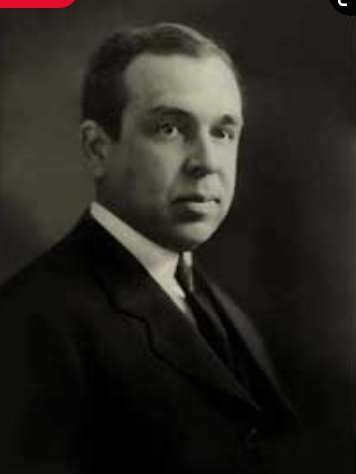


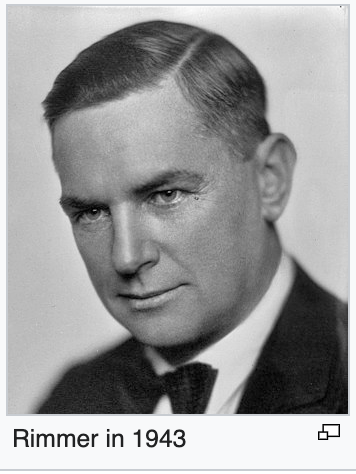


















 Looking Joli Good