
Mr. Big Might Want to Be with You, But I Sure Don’t

Music has an uncanny ability to transport us back in time, reviving memories both joyful and painful with just a few familiar notes. I hadn’t heard To Be with You by Mr. Big in years, but the moment it played, I was instantly transported back to an experience from my childhood that left a lasting impression. Although I genuinely enjoy the song, it is forever tied to that memory.
I was around eleven years old when my neighbor had a birthday party at a skating rink. She was closer to my older sister than to me, she wasn’t able to go to the party for some reason or another, and I wasn’t particularly eager to go alone. However, as was often the case back then, my sister guilted me into attending in her place. I reluctantly went, already anticipating an uncomfortable time. As I expected, I knew hardly anyone there, and while I was only mildly friendly with the birthday girl, I was certainly not part of her close circle of friends.
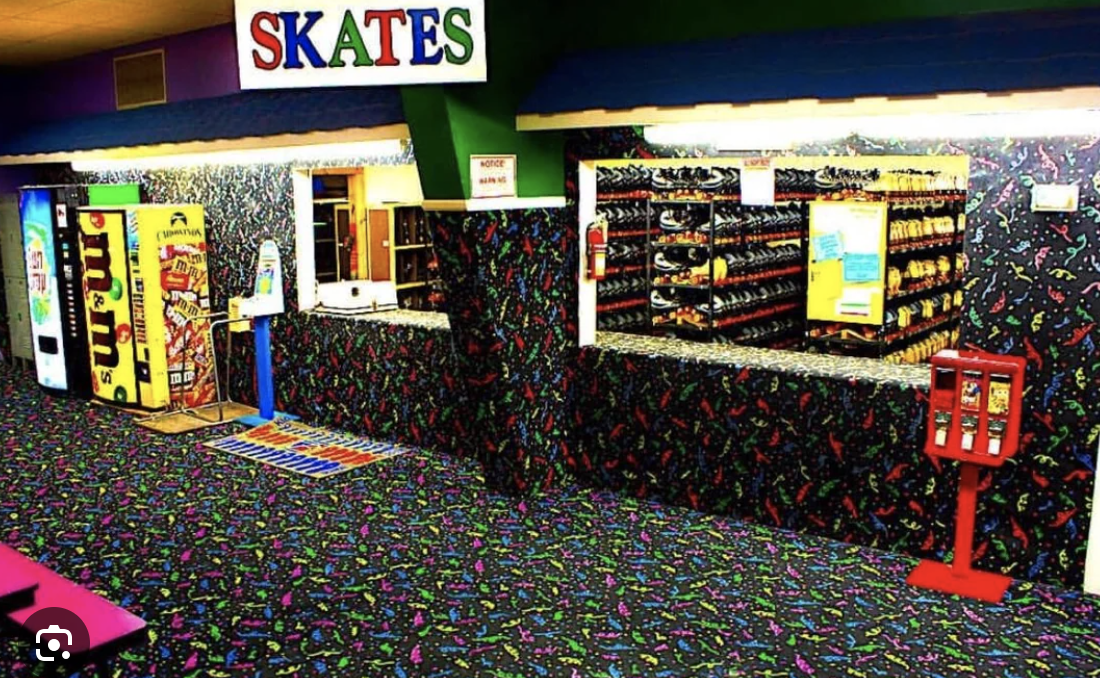
The party proceeded as these events typically did, everyone laced up their skates and took to the rink. Loud music played over the speakers and everyone seemed to be having a great time. The birthday girl was surrounded by her friends, laughing and enjoying herself, while I glided around unnoticed, feeling out of place. Still to this day I remember the lump forming in my throat, the kind that signals an impending cry, but I willed myself to hold it together. No one was overtly mean to me (…yet), but the absence of any acknowledgment made me feel invisible, which in some ways was just as painful. Over the speaker Mr Big sang “Why be alone when we can be together, baby?” But in that moment, surrounded by people yet feeling completely isolated, the lyrics felt more like cruel irony.

Then came the moment that cemented this memory in my mind… We had gathered around to sing Happy Birthday and enjoy cake and ice cream. As I moved my arm, I accidentally knocked the plate of the birthday girl’s grandmother, causing her piece of cake to drop onto the floor. What followed was a shocking outburst. I can still picture it clearly in my mind as if it happened yesterday, the woman screamed at me as if I had committed an unforgivable offense. Her reaction was wildly disproportionate to the situation, berating me in front of everyone over a simple accident. While I don’t recall whether I ended up crying, I do remember the overwhelming embarrassment and shame that washed over me.
I don’t know if as a child I knew that her reaction was more about her own issues than about me or the fallen dessert? There was no excuse for speaking to a child that way, especially in a public setting over something so trivial. It wasn’t the first time I had witnessed an overreaction from this woman, she often spoke to her grandchildren that way, but it was the first time I had been the target of her misplaced anger. As far as I can remember it was the first time I had ever been the target of anyone’s misplaced anger, which is probably why it sticks out so starkly in my memory.

Decades later, when To Be with You played, I was instantly transported back to that moment, the skating rink, the loneliness, the humiliation. And yet, surprisingly, I really like the song. It’s strange how emotions and memories become intertwined with music, shaping our connection to it in ways we don’t always understand. Though the memory itself is painful, I may have felt small and invisible that day, but I emerged a stronger person. I personally would never speak to anyone that way, especially not a child. I have also learned that other people’s misplaced anger and overreactions are reflections of them, not of me.
It is so interesting how music has a way of stitching together moments of the past with the present. For people to truly want “To Be With You,” kindness and warmth matter far more than simply being present. Situations like what happened that day have taught me that making others feel included and valued is what truly brings people together.











 Looking Joli Good