
Finding Faith Following Fundamentalism

Finding Faith Following Fundamentalism (Part 1)

Abstract/TL;DR: I want to share my personal journey of finding faith after leaving fundamentalism. It was a challenging process that required me to question deeply ingrained beliefs. Breaking free from fundamentalism brought a sense of freedom and allowed me to shape my own beliefs based on my experiences and contemplation. Fundamentalism refers to a strict adherence to core beliefs and practices within a religious or ideological context. It involves a literal interpretation of sacred texts, resistance to change, and a rejection of alternative viewpoints. Fundamentalism has a significant impact on one’s identity and worldview. The decision to leave the Independent Fundamental Baptist (IFB) does not imply a loss of faith, as faith is a deeply personal and subjective matter.

When you hear the term “fundamentalism,” what comes to mind? Perhaps you imagine Mormons in poofy-haired prairie dresses living in a secluded compound. Or maybe you think of the Hasidic Jewish community in Boro Park and Crown Heights, Williamsburg, with their shtreimel fur hats and Payos side curls. It could also bring to mind the Amish, with their women wearing long dresses, head coverings, and aprons, and men dressed in long-sleeved shirts, trousers, suspenders, broad-brimmed hats, and mustacheless beards, while riding in horse-drawn buggies.

Although I don’t have poofy hair or side curls, and I only wear an apron while cooking, the term fundamentalism still holds personal significance for me. While it carries different meanings for different people, I can speak to its impact on my own life. For a significant portion of my existence, fundamentalism was deeply ingrained in who I was.

What Is Fundamentalism?

Firstly, let’s discuss what fundamentalism means. It refers to a strict adherence to a set of core beliefs, principles, or doctrines, typically within a religious or ideological context. Fundamentalism is characterized by a literal interpretation of sacred texts or foundational teachings, as well as an unwavering commitment to maintaining traditional values and practices. Fundamentalist movements often resist or reject societal changes, advocating for a return to what they perceive as the original or pure form of their belief system. This can involve a rigid moral code, a resistance to critical thinking or questioning, and a tendency to view alternative viewpoints as threats or heresies. Fundamentalism can be found in various religions, as well as in political, social, and cultural contexts.

How Did I Become a Fundamentalist?

Finding Faith Following Fundamentalism | lookingjoligood.blog

I was born into a family that belonged to an Independent Fundamental Baptist Church (IFB).* Growing up it was all I knew. As a result, fundamentalism played a defining role in shaping my thoughts, actions, faith, and interactions with the world. However, over time, I began to notice cracks in the foundation of the fundamental teachings I had been raised with.
*see below for more details about the IFB)

Why Did I Leave?

After a change in church leadership, my eyes were opened, and I came to the realization that my previous pastor, who exemplified kindness and genuineness, had been an exception to the norm. I realized the church leaders were teaching one thing and acting in the opposite way. Jesus taught love God and love others, and I was confounded by the lack of love, grace, and empathy that I was faced with within the community. Seeing them preach about values and principles, only to witness them act in direct contradiction to those teachings, made me question whether what they were teaching was truly authentic. It felt like a betrayal of the trust I had placed in them and left me questioning the integrity of the entire IFB doctrines.

I began to question what I had always been taught and my perspective started to evolve. This experience challenged the way I perceived the church and its leaders. It made me realize that not everyone who claims to follow certain values and principles actually lives them out. It forced me to reassess my own beliefs and consider whether I wanted to continue being part of a community and religion where there seemed to be such a disconnect between words and actions.

Over a slow and painful process of questioning, I transitioned from a state of fundamentalism to a place where I could explore and define my own beliefs. It was a challenging process that required me to question deeply ingrained doctrines that had influenced my worldview for a significant part of my life. Yet, within the uncertainty and discomfort of this exploration, I discovered a renewed sense of faith.

Breaking free from fundamentalism felt like a breath of fresh air. The strict rules, the lack of grace, no room for questions and doubts, and the pressure to conform was stifling.

If It Was So Bad, Why Did I Stay So Long?

Like so many people who find themselves in toxic situations, I stayed in the IFB community for far longer than I should have. I stayed, despite its hypocritical and stifling nature, due to a combination of family and community pressure, as well as the fear of losing friends and status. The tight-knit nature of the IFB community often creates a strong sense of belonging and identity. Growing up in that environment, my family and I were deeply entrenched in the church, and our social connections revolved around it.

Leaving the IFB community meant potentially severing ties with friends, extended family, and even my own immediate family who were fully committed to the movement. The fear of losing those relationships and the social support they provided was overwhelming. The thought of facing isolation and being ostracized from the only community I had known for so long was a daunting prospect.

pink pencil on open bible page and pink | lookingjoligood.blog

Additionally, the IFB community can exert immense pressure to conform. There is an unspoken expectation to align with the teachings, practices, and standards set forth by the church and its leadership. Deviating from those norms can result in judgment, criticism, and even accusations of backsliding or straying from the faith. The fear of being labeled as rebellious, unfaithful, or even being accused of never having had “true salvation” weighed heavily on my decision-making.

The concept of losing status within the community also played a significant role. In the IFB, one’s reputation is often tied to their involvement and commitment to the church. Questioning or leaving the community will lead to a loss of respect, influence, and opportunities within the social spheres connected to the church.

And let’s just face it, the drama is addicting! Whether it’s within the IFB or any other group, there’s a certain allure to the conflicts, controversies, and intense emotions that can arise.

Being caught up in the drama can make you feel involved, engaged, and connected. It’s like being in the middle of a gripping story where emotions run high, tensions flare, and the stakes feel overwhelmingly significant. The desire for excitement and a sense of belonging can draw us in and keep us hooked.

But amidst the addictiveness of the drama, it’s important to recognize the potential downsides. The constant conflicts and tensions can be exhausting, and the focus on drama can overshadow the true purpose and values of the community. It can become a distraction from building genuine relationships, unity, and pursuing personal growth. Moreover, excessive drama can create a toxic environment where negativity, gossip, and judgment thrive. It can lead to divisions, hurt feelings, and a loss of focus on what truly matters

How Are Things Going Now?

It has been a few years since I chose to leave fundamentalism. I am choosing to discuss all of this now because I needed to wait to talk about it and reflect from a place of healing rather than raw pain. While somethings are still in the healing process, time and distance have helped to heal many of the wounds I carried.

Leaving the community has been emotionally challenging for me, despite knowing it was the best choice for my personal growth. The people who influenced and shaped my identity, beliefs, and values were deeply rooted in the IFB community. Therefore, choosing to step away meant not only rejecting certain aspects of that religion but also severing ties with the people who were a fundamental part of my life.
church | lookingjoligood.blog

Leaving meant bidding farewell to a community where I once found comfort, belonging, and shared experiences, and I still miss certain things about it. The connections I forged within that community ran deep, leaving me feeling lonely, isolated, and grieving for what I had left behind. The emotional difficulty I faced stemmed from a sense of loss, fear of judgment and rejection, and the struggle to redefine myself outside of that religious framework.

It compelled me to confront internal struggles and self-growth outside of their religious framework. This meant questioning and reevaluating deeply ingrained beliefs, which was emotionally taxing and left me confused and disoriented. It required me to redefine my values, seek new sources of meaning, and develop a new sense of identity. It was an arduous and painful process.

I carried the weight of fearing judgment and rejection from those who remained within the group, which often led to feelings of guilt and shame. Risking losing the acceptance and love of family members and friends due to my departure added to the emotional burden.

Nevertheless, despite the emotional hardships, I summoned the courage to make the difficult decision to leave the community that I had been a part of for forty years. I firmly believed it was the best choice for my personal growth and well-being. It is essential to acknowledge that the emotional difficulty I faced does not diminish the validity of my choice; instead, it reflects the complex nature of the experience.

During this challenging time, seeking support from understanding friends and family proved invaluable. Connecting with people who have gone through similar experiences provided me with validation, acceptance, and guidance as I navigated through this experience.

I remind myself that personal growth and authenticity often come at a cost. It is important to be patient with myself, allow for healing, and embrace the opportunity to explore and define my own beliefs and values. Over time, the emotional hardships gradually gave way to a sense of freedom and a deeper understanding of my own identity.

Today, I appreciate the power of questioning. I embrace the freedom to shape my own beliefs, guided by a willingness to learn, evolve, and seek wisdom. I find peace in the understanding that faith is a deeply personal journey, and I value the authenticity and joy that come with embracing what I genuinely believe.

Will some people be upset by my story? Yes, that is a possibility. Whenever we share personal experiences and perspectives, there will inevitably be people who may disagree or feel uncomfortable with what we have to say. Discussing topics like leaving fundamentalism can be sensitive and may challenge deeply held beliefs of others. However, it is important to remember that sharing our journeys authentically and respectfully is important for personal growth and creating understanding. While some may be upset, I hope that my story can encourage dialogue and promote empathy, even among those who may have different viewpoints.

Growth Lies In Discomfort

In breaking free, I found my voice,
Leaving fundamentalism, my choice.
Some may be upset, emotions may rise,
I share my truth, despite the cries.

For growth lies in discomfort, in open debate,
I embrace the challenge, I will not hesitate.
With understanding, to shed light.
With empathy, I seek to unite,

In sharing my story, my purpose is found.
Though reactions may vary, I hold my ground,
I now speak from a place of relief
My wounds have healed with renewed belief.

Laura lookingjoligood.wordpress.com

Disclaimer: The personal experiences shared in this post are based on my personal perspective. While I chose to leave the IFB to find a more gracious and loving community, it is important to acknowledge that individuals may have different experiences and find happiness within the IFB or any other religious institution. The decision to leave the IFB does not imply a loss of faith, as faith is a deeply personal and subjective matter. It is essential to respect and recognize the diversity of experiences and perspectives within religious communities. The content shared is for informational purposes only and should not be construed as professional advice, guidance, or a universal representation of the IFB or any religious organization. It is recommended to seek guidance, conduct research, and consider multiple perspectives when making personal decisions or exploring matters of faith.

*Background information about the Independent Fundamental Baptist Church (IFB)

The Independent Fundamental Baptist movement (IFB) is an association of independent Baptist churches that share a common set of conservative theological beliefs and distinctives. The IFB movement emerged in the early 20th century in response to what its adherents saw as a decline in Biblical orthodoxy in mainline Baptist denominations. The IFB movement is a significant force in American Christianity, with an estimated 10,000 to 15,000 churches and millions of members. The movement has been criticized for its narrow theological views, its intolerance of other viewpoints, and its association with some controversial figures.

The IFB movement is characterized by its adherence to a number of distinctives, including:

B – Biblical Authority
A – Autonomy of the Local Church
P – Priesthood of the Believer
T – Two Ordinances: Baptism and the Lord’s Supper
I – Individual Soul Liberty
S – Saved, Baptized, Church Membership
T – Two Offices: Pastor and Deacon
S – Separation of Church and State

The IFB movement is characterized by a set of core doctrines that are typically emphasized and believed by its members. While variations may exist among individual churches, here are some common core doctrines within the IFB:

Biblical Authority: The IFB upholds the belief in the absolute authority and inerrancy of the Bible. They view the Scriptures as God’s inspired and infallible Word, serving as the ultimate guide for faith and practice.

Salvation by Grace through Faith: The IFB teaches that salvation is solely by God’s grace through faith in Jesus Christ. They emphasize the belief in the atoning sacrifice of Jesus on the cross, repentance from sin, and the need for personal faith in Christ for salvation.

Separation from the World: The IFB emphasizes the concept of separation from worldly influences, advocating for believers to live holy and separate lives. This includes separation from sinful practices, worldly entertainment, and associations that could compromise one’s faith.

Personal Evangelism: The IFB places a strong emphasis on evangelism and sharing the Gospel with others. They believe in the responsibility of individual believers to actively engage in personal evangelism and to share the message of salvation with those who are lost.

Autonomy of the Local Church: The IFB holds to the autonomy of the local church, meaning that each congregation is self-governing and independent. They believe that local churches should not be subject to external ecclesiastical authority or denominational control.

Two Ordinances: The IFB recognizes two ordinances instituted by Christ: baptism and the Lord’s Supper. They view baptism as an act of obedience and identification with Christ, typically practiced through immersion. The Lord’s Supper is seen as a commemoration of Christ’s sacrifice and is often observed regularly within the church.

Second Coming of Christ: The IFB holds to the belief in the imminent return of Jesus Christ. They anticipate the future bodily resurrection of believers, the final judgment, and the establishment of Christ’s kingdom.

These core doctrines form the foundation of the IFB’s beliefs and practices, providing a theological framework that guides their understanding of God, salvation, the church, and the Christian life.

If you are reading this after July 19, 2023 and you are still interested in reading more about the Independent Fundamental Baptist movement (IFB) you can click HERE to read my post with a much more expansive history and wealth of information.

Finding Faith Following Fundamentalism · Love and Life

Speak From the Scar, Not the Wound

Abstract/TL;DR: Scars are not just blemishes to be hidden, but reminders of strength and resilience. Speaking from the wound addresses immediate pain but may perpetuate negativity. Speaking from the scar reflects healed wounds, growth, and the ability to overcome adversity. Sharing our stories from a place of healing inspires and uplifts others, offering comfort and guidance. Triumph and growth allow us to find meaning in our suffering.

I recently read a saying “Speak from the scar, not the wound.” These simple yet profound words carry a deep message about resilience, healing, and the power of our experiences.

Sometimes when I see my reflection in the mirror, I can’t help but feel a tinge of pride towards the scars that I see on my body. Each mark tells a unique story— skin stretched and cut for two babies, moments of vulnerability and mistakes, a reminder of the pain endured, a wound healed. I know that these scars are proof that I have lived a life full of meaning and resilience. Scars should not be a source of shame, but rather reminders of strength and resilience.

In life, we inevitably encounter pain and adversity. We face heartbreak, disappointment, loss, and countless challenges that leave us wounded and vulnerable. These wounds may be physical, emotional, or even spiritual, and they can leave lasting marks on our being. However, it is how we choose to approach and navigate these wounds that determines the course of our healing.

Recently while talking with a friend she pointed out something that struck a chord with me. She observed that my words have transformed, that I had ceased speaking from a wounded place and had begun to speak from the wisdom etched within my scars. I have thought about her words since then. I realized that my scars were not just life’s blemishes to be hidden, but rather markers of growth and strength that has the power to inspire and uplift others.

Speaking from the wound signifies addressing our pain in its immediate aftermath when emotions are raw and hurt is fresh. It may involve expressing anger, frustration, or despair. While acknowledging and processing these initial emotions is important, solely speaking from the wound can be impulsive and perpetuate negativity. I’m sad to say that I’ve often been guilty of this.

Speaking from the scar carries a different tone. Scars symbolize healed wounds, resilience, growth, and the ability to overcome adversity. It means drawing on past experiences, lessons learned, and gained wisdom. Speaking from the scar involves reflection, offering insights from a place of strength and healing.

When we speak from the scar, our words carry the weight of resilience and depth of understanding. We empathize and show compassion, having walked the painful path ourselves. Our scars inspire others facing similar struggles.By sharing our stories from a place of healing, we can provide comfort, guidance, and hope to those who are still navigating their wounds.

We are not defined by our wounds but by the strength we have shown in overcoming them. Our wounds, though painful, can serve as catalysts for personal growth and transformation. By sharing our experiences, we give purpose to our pain, as it becomes a source of inspiration for others. Triumph and growth allow us to find meaning in our suffering.

Laura lookingjoligood.wordpress.com

Scars

Scars speak tales of strife and grace,
Lessons learned in life’s embrace.
From wounds to scars, we grow anew,
Speak from their depths, let wisdom ensue.

Finding Faith Following Fundamentalism

“They’re just jealous of you” and Other Unhelpful Sayings When Dealing with Hurtful Behavior

Abstract/TL;DR: Those annoying sayings like “no one can make you feel bad without your consent,” “they’re just jealous of you,” and “copying is the most sincere form of flattery” may have some truth to them, but they can be unhelpful and frustrating when you’re dealing with someone who’s envious and trying to bring you down. They oversimplify complex emotional experiences and don’t offer practical solutions. Instead, focus on your own well-being, surround yourself with supportive people, and trust your instincts in finding your own path to healing and growth.

jealousy | Lookingjoligood.blog

There are these sayings that people throw around when you’re feeling down or dealing with negativity and they’re trying to help you feel better. Things like “They’re just jealous of you.” “Copying is the most sincere form of flattery.” or “No one can make you feel bad about yourself without your consent” These sayings are supposed to be comforting and offer some sort of wisdom, but honestly, they can be more annoying than anything and not nearly as helpful as they claim to be. Let me share a personal story that explains what I am talking about…

A woman I know who, despite her own achievements, was clearly envious of my accomplishments. Instead of being happy for me, she would make snide comments and try to belittle my achievements. It was incredibly frustrating, and she succeeded in making me question myself and my worth.

no one can make you feel bad about yourself without your consent | Lookingjoligood.blog

In moments like that, hearing the saying “No one can make you feel bad about yourself without your consent” just made me roll my eyes. Sure, it’s technically true that we have control over how we react to others’ words, but it doesn’t mean their hurtful remarks don’t sting. It’s not as simple as just flipping a switch and suddenly feeling confident and unaffected by someone else’s poor treatment. The reality is, we’re human beings with emotions, and sometimes, people’s words and actions can hurt, even if we try not to let them.

Then there’s the infamous line: “They’re just jealous of you.” Yes, jealousy might be at play, but labeling someone as jealous doesn’t magically make their hurtful behavior easier to deal with. It doesn’t make their words any less hurtful or their actions any less frustrating. Understanding their jealousy might provide some insight into their behavior, but it doesn’t automatically make the situation any better.

copy cat | Lookingjoligood.blog

And let’s not forget the saying, “Copying is the most sincere form of flattery.” Well, call me crazy, but having someone copy my every move doesn’t exactly feel flattering. It feels invasive and like a violation of my individuality. It’s not an enjoyable experience to see someone imitate your work or style without giving credit or acknowledging your originality. It’s not a genuine form of flattery; it feels more like a desperate parody, lacking any originality.

In situations like these, these sayings may contain a grain of truth, but they miss the mark when it comes to offering real support or practical advice. They oversimplify complex emotional experiences and don’t provide any actionable solutions.

When you find yourself dealing with someone who’s envious or trying to bring you down, don’t rely too heavily on these clichéd sayings. Instead, focus on your own emotional well-being. Surround yourself with supportive people who genuinely uplift you. Take the time to process your feelings and remember that it’s okay to be affected by others’ negativity.

Jealousy and envy can be challenging emotions to navigate, and when someone else experiences these feelings towards us, it’s important to be empathetic and understanding towards them. Their jealousy or envy may stem from their own insecurities, unfulfilled desires, or personal struggles. They might not even realize, acknowledge or admit to these feelings. It’s important to respond with compassion.

It’s also important to set boundaries and not let someone else’s jealousy or envy dictate your own choices or undermine your achievements.

While the envious person might not be interested, encourage open and honest communication with the person experiencing jealousy or envy. Have a conversation about their feelings, express your own perspective, and try to find common ground or solutions that can benefit both parties. Try to create an environment of understanding and mutual respect.

Remember, while it’s okay for someone else to feel jealous or envious, it’s important to maintain healthy boundaries and prioritize your own growth and happiness. Aim for a supportive and understanding approach in handling these complex emotions.

Also, while it’s ok to draw inspiration from others, it’s important to give credit where credit is due. Copying someone without acknowledging their originality or giving them credit can be seen as unfair and disrespectful. It’s essential to recognize and appreciate the work, ideas, and creativity of others.

If you find inspiration in someone else’s work, ideas, or style, it’s best to acknowledge them openly and honestly. By doing so, you show respect for their contributions and recognize the influence they have had on your own creative process. Similarly, when others draw inspiration from your work, it is truly appreciated when they openly acknowledge and credit your originality and ideas. Building an environment of recognition and respect when it comes to creative inspiration creates a sense of collaboration and appreciation.

So, while these sayings might hold a grain of truth, let’s not rely solely on them for comfort or guidance. Let’s find support in genuine relationships and develop strategies to navigate life’s challenges and emotions.

You don’t have to pretend that hurtful words and actions don’t hurt, and you certainly don’t have to accept that these sayings offer all the answers. Trust your instincts and be kind to yourself! And remember it’s ok to be annoyed by jealous copy cats sometimes!

Laura lookingjoligood.wordpress.com

I would love for you to follow me on InstagramTwitterPinterest, and Facebook. You can find me as Looking Joli Good on all four.

jealousy | lookingjoligood.blog
Finding Faith Following Fundamentalism

Pivot. Pivot. Pivot!!!

Pivot | lookingjoligood.blog

In the ever-evolving world of content creation, creators often go through significant shifts in their creative direction. While I may not explicitly identify myself as a “content creator,” I am actively engaged in creating content for this blog, and I feel the need to pivot. Such transitions typically arise from personal growth, a desire for authentic expression, and a longing to forge deeper connections with audiences and readers.

While beauty has undeniably played a significant role in my creative journey, I have never limited myself solely to this niche. Throughout my content creation experience, I have explored an array of topics and themes that have interested me. With this in mind, I have made the decision to pivot from writing about beauty and lifestyle content temporarily. Although I will eventually return to product reviews, lifestyle topics, and tips and tricks, there are currently other meaningful aspects of my life that I wish to explore and share.

Pivot | lookingjoligood.blog

Opening up and being vulnerable is undoubtedly a challenging endeavor, but I’ve come to realize that it is an incredibly healing and important process. Sharing my vulnerabilities and personal experiences allows me to create authentic connections with others, nurturing empathy and understanding. By bravely sharing my own stories, struggles, and triumphs, I have the power to offer comfort, support, and encouragement to those who may be going through similar experiences. By being vulnerable, I not only help others but also find healing and growth for myself. By embracing our common humanity and being open to vulnerability, I can contribute positively to the lives of others. Building a community through shared experiences is something I look forward to. I hope that you will stick around while I pivot!

Something new I will be doing during this pivot:

Are you short on time but still interested in what I have to say? Look for the addition of the Abstract/ “TL;DR” (too long; didn’t read) at the beginning or end of my posts. It provides a quick summary of the main points, saving you from reading the entire text. So, if you’re in a hurry but interested, the TL;DR has got you covered!

Here is the first one:

TL;DR: Content creators often change their creative direction for personal growth and deeper connections. While I have focused on beauty, I’m temporarily shifting away to explore other meaningful aspects of my life. Opening up and sharing personal experiences helps create authentic connections and offers support to others.

Laura lookingjoligood.wordpress.com
Love and Life

THE CROSSES A poem for Memorial Day By William H. McRaven

I have stood before the crosses
as we laid a soldier down.
They cast a simple shadow
upon the upturned ground
The bugler sounds taps
as each cross its witness bears
to the journey of a soldier
released from earthly cares.
I have stood before the crosses
and prayed a lonely prayer,
in hopes of some redemption
as I struggled to compare
My life of long contentment
with the soldier’s hallowed call
to warrant with his dying breath
a better world for all.
I have stood before the upturned ground
and struggled to compare
my courage and my character
with the man or woman there.
Would I have died a valiant death
in a foreign land,
upon a distant battlefield,
to save my fellow man?
I have stood before the crosses
as the sun was going down,
watching as the shadows faded
upon the upturned ground.
I have looked upon the hillside of
the crosses, row on row,
upon the young and brave of heart
never to grow old.
I have knelt before the crosses
at night, before I sleep,
and made upon my bended knee
a covenant I keep:
To live a life of service,
to honor all our losses,
for those who went before us,
those beneath the crosses.

Memorial day | lookingjoligood.blog
lookingjoligood.wordpress.com

I would love for you to follow me on  Twitter,  Instagram, and Facebook. You can find me as Looking Joli Good on all three.  I would also love to follow you on Instagram and Twitter as well, so let me know your user name in the comment section below!

Finding Faith Following Fundamentalism · Love and Life

Resource List: No one should have to endure abuse! Seeking assistance is a crucial step towards safety and healing.

If you or someone you know is experiencing physical or sexual abuse, please reach out for help. There are organizations and helplines dedicated to providing support, guidance, and resources to those in need. No one should have to endure abuse, and seeking assistance is a crucial step towards safety and healing.

Help! | lookingjoligood.blog
Resource List: No one should have to endure abuse! Seeking assistance is a crucial step towards safety and healing.

Here are a few of the most well-known organizations and helplines:

The National Sexual Assault Hotline (RAINN): 1-800-656-HOPE (4673)

The National Domestic Violence Hotline (The Hotline): 1-800-799-SAFE (7233)

The National Coalition Against Domestic Violence (NCADV) 800.799.SAFE (7233)

Childhelp USA (Childhelp): 1-800-422-4453

The National Human Trafficking Hotline (NHTH): 1-888-373-7888

The National Center for Missing and Exploited Children (NCMEC): 1-800-THE-LOST (843-5678)

If you have access to a SAFE computer:

The National Coalition Against Domestic Violence (NCADV) https://www.thehotline.org/ provides information and resources on domestic violence, including a state-by-state directory of domestic violence organizations.

Internet usage can be monitored and is impossible to erase completely. If you’re concerned your internet usage might be monitored, call them at 800.799.SAFE (7233). Learn more about digital security and remember to clear your browser history after visiting their website.

The National Center for Victims of Crime (NCVC) provides information and resources on a variety of crime victim issues, including physical and sexual abuse. https://victimsofcrime.org/

The Rape, Abuse & Incest National Network (RAINN) https://www.rainn.org/ also has a number of online resources, including a chat hotline, a library of information, and a blog.

These are just a few of the many organizations and helplines that can provide support to victims of physical and sexual abuse.

In addition to these organizations, there are also many local resources available. You can contact your local police department, hospital, or mental health clinic for more information. You can also search online for “domestic violence resources” or “sexual assault resources” in your area.

You are not alone. There are people who care about you and want to help. Please reach out for help if you are being abused.

Love and Life

Memorial Day 2021

Memorial Day is an American holiday on which those who died in active military service are remembered. It’s a day for honoring and mourning people who’ve died while fighting to keep us safe. It’s a time many visit friends and family who have made the ultimate sacrifice.

Originally known as Decoration Day, it originated in the years following the Civil War and became an official federal holiday in 1971. In 1966 the federal government declared Waterloo, New York, the official birthplace of Memorial Day. It was traditionally observed on May 30 but is now officially observed on the last Monday in May.

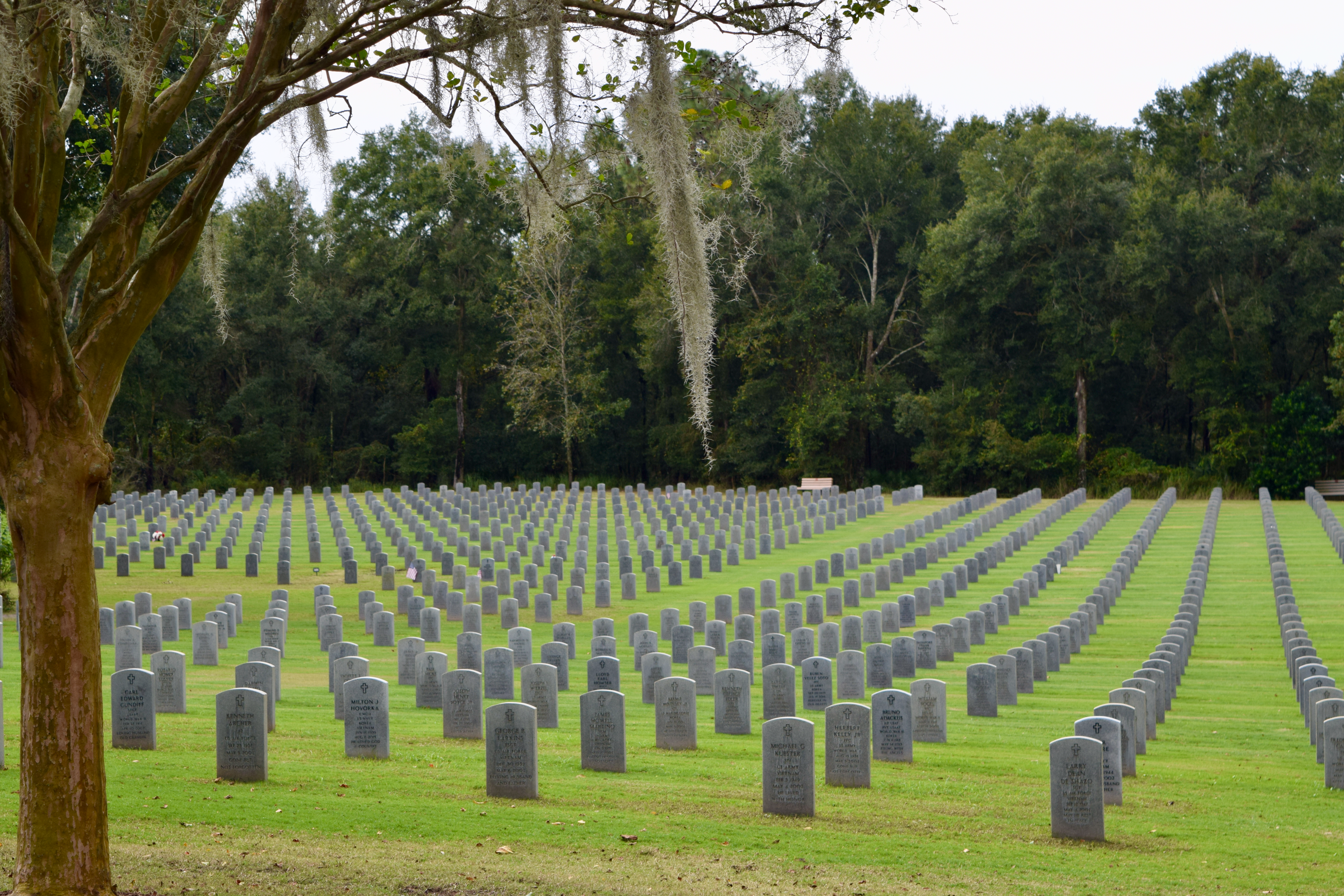
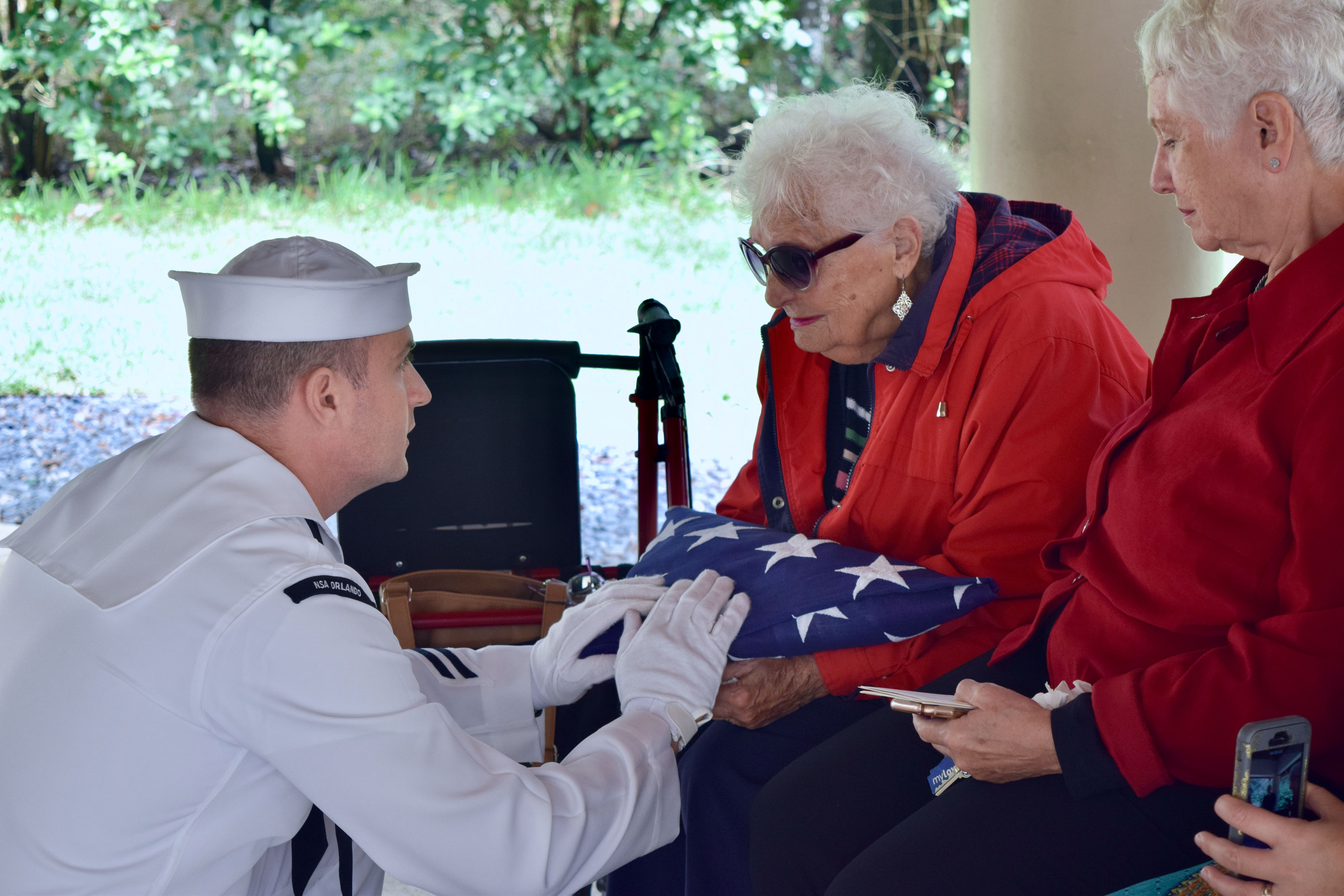
Florida National Cemetery where my grandfather is buried

John McCrae wrote the poem In Flanders Fields in 1915 as a memorial to those who died in a World War I battle fought in a region of Belgium known as the Ypres Salient. McCrae himself treated many of the soldiers injured in that battle and was particularly moved by the death of a close friend, Alexis Helmer. This poem helped popularize the red poppy as a symbol of remembrance.

Memorial day | lookingjoligood.blog
Gone but not forgotten

In Flanders Fields

BY JOHN MCCRAE
In Flanders fields the poppies blow
Between the crosses, row on row,
    That mark our place; and in the sky
    The larks, still bravely singing, fly
Scarce heard amid the guns below.

We are the Dead. Short days ago
We lived, felt dawn, saw sunset glow,
    Loved and were loved, and now we lie,
        In Flanders fields.

Take up our quarrel with the foe:
To you from failing hands we throw
    The torch; be yours to hold it high.
    If ye break faith with us who die
We shall not sleep, though poppies grow
        In Flanders fields.

Laura lookingjoligood.wordpress.com

Stop by and visit my Instagram page @lookingjoligood. Generally, I post pictures of food, plants and puppies, but there are pictures of makeup and beauty products as well.
I would love for you to follow me on  Twitter and Facebook. You can find me as Looking Joli Good.  
I would also love to follow you on Instagram and Twitter as well, so let me know your user name in the comment section below!

Memorial day | lookingjoligood.blog
My grandmother receiving the American flag at my grandfather’s funeral in 2018
Lifestyle

Healing a Relationship With Yourself and With God While Navigating the Trauma of Spiritual Abuse

For the last several years I’ve been on a personal spiritual journey. I’ve been discovering what I believe and why I believe what I do. Spurred on by finding myself frustrated by different difficult situations in my church community, I found myself broken and questioning. I don’t yet have all the answers that I am looking for. The journey has had its ups and downs and twists and turns. Along the way, my beautiful kind sister, Sarah has been instrumental in helping me to navigate.

Today I am sharing a piece so graciously and eloquently written by her from her heart. She put into words what’s been knocking around my head and heart for months and years! 

SarahAheron | lookingjoligood.blog
My beautiful kind sister Sarah Aheron

At the risk of vulnerability, I feel compelled to share this.

Over the past few years, I have participated in multiple conversations and shed many tears with people from different walks of life who have been deeply affected by spiritual abuse. Books, websites, podcasts, conferences, and even whole ministries are devoted to helping those who have experience with it.

For those of you who have no experience with this kind of abuse, praise God, but please be aware that the person sitting beside you in Bible study, worshipping behind you in service, or praying next to you in life group may be dealing with deeply seeded wounds planted by spiritually abusive systems, doctrines, and/or leaders. And for every person still struggling to engage in community with other believers after having experienced spiritual abuse, there are countless more who physically cannot enter a church building without reliving trauma.

“Whether subtle or obvious, spiritual abuse is a form of trauma that undermines your relationship with yourself and with God.”

The Allender Center defines spiritual abuse for their “Confronting Spiritual Abuse” conference as, “The use of religious or spiritual power and authority to control, coerce, or perpetrate harm. In many ways, spiritual abuse is a distortion or exploitation of God’s power and authority to manipulate or control others’ bodies, personhood, relationships, and autonomy through shame and fear. Spiritually abusive systems and organizations and spiritually abusive people use religious texts, theologies, and practices to harm relationally, emotionally, and physically.”

Spiritual abuse, as defined here, is the very antithesis of 1 Timothy 1:7-10, where we read,
“For God has not given us a spirit of fear, but of power and of love and of a sound mind.Therefore do not be ashamed of the testimony of our Lord, nor of me His prisoner, but share with me in the sufferings for the gospel according to the power of God, who has saved us and called us with a holy calling, not according to our works, but according to His own purpose and grace which was given to us in Christ Jesus before time began, but has now been revealed by the appearing of our Savior Jesus Christ, who has abolished death and brought life and immortality to light through the gospel, to which I was appointed a preacher, an apostle, and a teacher of the Gentiles. For this reason I also suffer these things; nevertheless I am not ashamed, for I know whom I have believed and am persuaded that He is able to keep what I have committed to Him until that Day.”

The gospel is redemptive. It heals, restores, transforms, forgives, empowers, and frees. So, brothers and sisters, if you have suffered or are currently suffering, not for this gospel’s sake, but at the hands of some other gospel; please know that there is hope and healing as we rest in faith through the grace Jesus Christ displayed in his ultimate sacrificial suffering on the cross.

You are not alone on your journey. You belong. You are wanted...not for how well you perform; how hard you work; how consistently you attend gatherings; how connected you are; how committed you are to institutional standards; how well you dress; how intensely you serve, how eloquently you speak; how much money you give; how well-behaved your children are; how glowing your reputation is; how well you fit into a mold; how talented, gifted or educated you are; how dedicated you are to a cause…but you are wanted because you are accepted in the Beloved. Chosen. Adopted. Redeemed.

I know our healing journey may be long, and unsteady; but I believe the “Confronting Spiritual Abuse” conference may be a place to start or rest along the way.

In many ways, spiritual abuse is a distortion or exploitation of God’s power and authority to manipulate or control others’ bodies, personhood, relationships, and autonomy through shame and fear.

Thank you, Sarah for your contribution.

Click HERE to register for the Confronting Spiritual Abuse Event.
Confronting Spiritual Abuse Event is a one day, online event taught by trauma-informed specialist Rachael Clinton Chen.

lookingjoligood.blog

Stop by and visit my Instagram page @lookingjoligood. Generally, I post pictures of food, plants and puppies, but there are pictures of makeup and beauty products as well.
I would love for you to follow me on  Twitter and Facebook. You can find me as Looking Joli Good.  
I would also love to follow you on Instagram and Twitter as well, so let me know your user name in the comment section below!

Love and Life

The Best Way to Prevent Bankruptcy

1 Corinthians 13:1-3 speaks about what happens when things are done without love…

If I speak with human eloquence and angelic ecstasy but don’t love, I’m nothing but the creaking of a rusty gate.
If I speak God’s Word with power, revealing all his mysteries and making everything plain as day, and if I have faith that says to a mountain, “Jump,” and it jumps, but I don’t love, I’m nothing.
If I give everything I own to the poor and even go to the stake to be burned as a martyr, but I don’t love, I’ve gotten nowhere. So, no matter what I say, what I believe, and what I do, I’m bankrupt without love.
(The Message Bible: emphasis added by me)

So, no matter what I say, what I believe, and what I do, I’m bankrupt without love.

1 Corinthians 13 4-7 goes on to tell us what true love looks like…

Love never gives up.
Love cares more for others than for self.
Love doesn’t want what it doesn’t have.
Love doesn’t strut,
Doesn’t have a swelled head,
Doesn’t force itself on others,
Isn’t always “me first,”
Doesn’t fly off the handle,
Doesn’t keep score of the sins of others,
Doesn’t revel when others grovel,
Takes pleasure in the flowering of truth,
Puts up with anything,
Trusts God always,
Always looks for the best,
Never looks back,
But keeps going to the end.

The Best Way to Prevent Bankruptcy Is By Being Loving In All You Do.

lookingjoligood.blog

Stop by and visit my Instagram page as well @lookingjoligood. Generally, I post pictures of food, plants and puppies, but there are pictures of makeup and beauty products as well.
I would love for you to follow me on  Twitter and Facebook. You can find me as Looking Joli Good.  
I would also love to follow you on Instagram and Twitter as well, so let me know your user name in the comment section below!

The Best Way to Prevent Bankruptcy | lookngjoligood.blog
Lifestyle

A Canal or A Reservoir: Do not try to be more generous than God

A Canal or A Reservoir: Do not try to be more generous than God | lookingjoligood.blog

“The man who is wise, therefore, will see his life as more like a reservoir than a canal. The canal simultaneously pours out what it receives; the reservoir retains the water till it is filled, then discharges the overflow without loss to itself. … You too must learn to await this fullness before pouring out your gifts, do not try to be more generous than God.”
“The Two Operations of the Holy Spirit”
Bernard of Clairvaux, a 12th century French abbot, a reformer of the Cistercian order

lookingjoligood.blog

I would love for you to follow me on  Twitter,  Instagram, and Facebook. You can find me as Looking Joli Good on all three.  I would also love to follow you on Instagram and Twitter as well, so let me know your user name in the comment section below!