Lifestyle

Voting Is So Important, Your Vote Does Count!

I like to keep up on current events and know what is going on, but I tend to stay away from heated debates and partisan discussions. Instead, I prefer to focus on understanding the underlying issues, researching different perspectives, and making informed decisions based on facts and my own values.

Being informed about politics and current events is essential for responsible citizenship, as it allows me to engage in meaningful conversations and make educated choices during elections. However, I also value maintaining respectful and open dialogues with people of differing opinions, recognizing that constructive conversations can lead to greater understanding and compromise.

While I may not be an activist or deeply involved in political campaigns, I recognize the importance of civic engagement. I vote in elections, participate in local community initiatives, and support causes that align with my values. By striking a balance between staying informed and maintaining a civil, non-confrontational approach to politics, I aim to contribute positively to my community and society as a whole.

One of the most important things I can do is vote! Your vote holds significance, and local government plays a vital role in shaping the quality of life in your community. Here’s why local government is of paramount importance:

Local government decisions have a direct impact on your daily life. They oversee crucial services such as education, transportation, public safety, and infrastructure. By participating in local elections, you influence how these services are funded, managed, and improved to meet your needs.

Local officials are often your neighbors who understand your community’s unique challenges. By voting in local elections, you ensure that your voice is heard, and your concerns are addressed by representatives who are intimately familiar with your area.

Economic development is greatly influenced by local government policies. Through zoning regulations, tax incentives, and infrastructure investments, they can foster job growth and enhance economic opportunities. Your vote can help shape the economic future of your community.

Local government is responsible for public safety, including law enforcement and emergency services. Voting for leaders who prioritize effective public safety policies contributes to the security and well-being of your neighborhood.

Environmental stewardship is another crucial role of local government. They implement policies related to conservation, waste management, and sustainable development, directly impacting the environment in your area.

School boards and districts are typically under local officials. Your vote in school board elections can affect the quality of education provided to the children in your community.

Local government is often more accessible and responsive to citizens’ needs compared to larger, more distant levels of government. Your vote ensures that your concerns are more likely to be addressed promptly and effectively.

Fiscal responsibility is a key aspect of local governance. Local governments manage budgets that affect property taxes and local services. Voting for fiscally responsible leaders helps ensure that taxpayer dollars are used efficiently and responsibly.

Local government plays a significant role in community building. They support cultural events, recreational activities, and civic engagement, fostering a sense of belonging and togetherness in your area.

Furthermore, strong local government serves as a crucial check on state and federal power, ensuring that decisions are made with the best interests of the community in mind. It helps maintain the balance of power and ensures that your community’s unique needs are not overlooked.

In conclusion, your vote in local elections empowers you to actively participate in shaping the governance and future of your community. Local government decisions influence all aspects of your daily life, making it essential to engage in the democratic process at the local level to contribute to a better future for your neighborhood and beyond.

Here is a link to learn how to register so you can vote in federal, state, and local elections. Click HERE to Register to vote at Vote.gov.

Already registered?! Explore voting and election resources on USA.gov:

Laura lookingjoligood.wordpress.com

I would love for you to follow me on InstagramTwitterPinterest, and Facebook. You can find me as Looking Joli Good on all four.

Lifestyle

Can Internal Issues Be Resolved With External Solutions?

Can internal issues be resolved with external solutions? The short answer is no, not fully. While external changes—such as improving your environment, relationships, or circumstances—can provide temporary relief or even create a more supportive space for healing, they rarely address the root cause of internal struggles.

learning | lookingjoligood.blog

Internal issues, like feelings of inadequacy, comparison, or self-doubt, often stem from deeply held beliefs, emotional wounds, or patterns of thinking that require introspection and self-work to resolve. While external solutions might act as a band-aid or a catalyst for growth, the real work involves confronting the internal causes—reassessing your self-worth, processing emotions, and building healthier thought patterns.

Comparison is an internal issue that cannot be fixed with external solutions. True contentment comes from within and requires addressing the underlying insecurities and beliefs that fuel comparison. No amount of external validation or changes in circumstances can fully resolve this internal struggle. It takes introspection, self-compassion, and a shift in perspective to overcome the habit of comparing ourselves to others and find genuine peace and satisfaction in who we are.

Ultimately, lasting change comes from within. It requires a combination of inner healing, self-awareness, and personal growth to address the core of these internal issues. External solutions can support this journey, but they are not the solution on their own.

Laura lookingjoligood.wordpress.com
Finding Faith Following Fundamentalism

Top Ten Lessons I Have Learned In Finding Faith Following Fundamentalism

Last year on July 18, 2023, I posted my first installment in my series called Finding Faith Following Fundamentalism. To be honest, I was so nervous about opening up and posting about my personal growth and decision to leave the church and beliefs that I held for my entire life. At the time I had no idea what the perception or push back might be. Don’t get me wrong, I am not delusional enough to think that this blog would have any major reach, but it still took courage for me to be vulnerable enough to put my thoughts and feelings out into the ether of the internet. Opening up about personal struggles and growth isn’t easy, especially knowing that my words could potentially be seen and judged by others. However, the act of sharing my story, no matter how small the audience, was important to me.

I realize some of you may be new to this blog and wondering what exactly I mean by “Find Faith Following Fundamentalism.” Or maybe you’re interested but don’t want to read a year’s worth of posts. To save you time, I’ve summarized all the posts I’ve shared over the past year into the top ten lessons I’ve learned. (Links are included at the end if your interest is piqued and you want to read more in-depth.)

1. Healing Takes Time

Healing from the scars of fundamentalism is a gradual process. I’ve realized that time and distance are essential for healing wounds. Speaking from a place of healing, rather than raw pain, has allowed me to share my story with more clarity and compassion.

2. Faith is Fluid

Faith, I’ve learned, is not static but dynamic and evolving. This past few years have shown me that it’s okay for my beliefs to change and adapt as I grow and learn. Embracing this fluidity has allowed me to develop a more nuanced, deeper, and resilient faith. Life is not black and white and my faith based beliefs don’t have to be either.

3. The Power of Questioning

question everything | lookingjoligood.blog

One of the easiest parts of being in a Fundamentalist religion is not having to think for yourself. The rigid views tell you what you are supposed to believe and how you are supposed to think. Questioning long-held beliefs was daunting at first, but it has proven to be incredibly liberating. I’ve come to understand that questioning is not a sign of weak faith but rather a path to deeper understanding and growth. Embracing curiosity and critical thinking has enriched my spiritual journey.

4. Embracing Authenticity

I’ve learned the importance of being true to myself. Breaking free from fundamentalism allowed me to explore and define my own beliefs, independent of rigid doctrines. My growth has been about discovering what truly resonates with my own beliefs and morals, leading to a more true and fulfilling spiritual life.

5. The Importance of Grace

Grace Requires Nothing Of Me | lookingjoligood.blog

Grace has been a recurring theme in my reflections through out this process. Extending grace to myself during moments of doubt and uncertainty has been essential. Grace requires nothing of me! Recognizing that I am a work in progress and allowing myself the space to grow and evolve has been a significant lesson. Extending grace to myself in turn has caused me to be more gracious to those around me.

6. Finding Community

Navigating this path alone would have been challenging. I’ve learned the value of finding and connecting with a supportive community that understands and respects my journey. Whether through online communities, podcasts, books, or in person conversations, sharing experiences with others who have undergone similar transformations has been incredibly validating and comforting.

7. The Beauty of Empathy

Empathy has been an important aspect. Understanding that others may have different perspectives and respecting their view point, even if they diverge from mine, has been important. I have discovered the beauty of letting go of judgment, which has been important in building connections and creating mutual respect.

8. Strength in Vulnerability

Sharing my journey has required vulnerability, which I’ve come to see as a strength rather than a weakness. Fundamentalism often promises certainty, but true faith allows for growth and questioning. Opening up and admitting when I’m struggling was (and still is) a big step for me. It shows that I am strong enough to face my doubts and open up to new opportunities and possibilities.

9. Growth

I’ve learned that every struggle and every moment of doubt is an opportunity for growth. Though I will always continue to grow and learn, I am now trying to see challenges as stepping stones toward a deeper faith and fuller life.

10. Gratitude for the Process

Above all, I’ve learned to be grateful. Every step, whether joyful or painful, has contributed to my growth. Embracing change and seeking truth has a transformative power!

And here is one extra lesson for free. Time and Distance Makes a Big Difference!

time | lookingjoligood.blog

Over time and with some distance from difficult situations, I’ve personally found that things do get easier. The weight of emotions lessen, and healing begins. Stepping away physically and emotionally and gaining perspective plays an important role in finding relief and strength. While everyone’s situation is unique, the saying “it gets easier with time and distance” holds some truth.

I shared this poem in my first Finding Faith Following Fundamentalism post. I would like to share it again today because it is still just as true today as when I first shared it.

Growth Lies In Discomfort

In breaking free, I found my voice,
Leaving fundamentalism, my choice.
Some may be upset, emotions may rise,
I share my truth, despite the cries.

For growth lies in discomfort, in open debate,
I embrace the challenge, I will not hesitate.
With understanding, to shed light.
With empathy, I seek to unite,

In sharing my story, my purpose is found.
Though reactions may vary, I hold my ground,
I now speak from a place of relief
My wounds have healed with renewed belief.

Laura lookingjoligood.wordpress.com

Here are links to some of my favorite posts from the last year:

Finding Faith Following Fundamentalism

Speak from the Scars Not the Wound

The Consequences of Being Forced to Make Black and White Choices in a World of Filled with Gray Nuancen

Question Everything!

You Just Want Freedom to Sin…

The Pressure of Perfection Growing Up Fundamentalist (Grace requires nothing of me!)

You Cannot Heal In The Same Toxic Environment That Made You Sick: Ten Tips To Go From Merely Surviving To Thriving

Sure, If That’s What You Want To Believe, Go For It…

Kindness Doesn’t Mean Weakness and Being Rude Doesn’t Imply Strength

The Power Of Taking Responsibly For Yourself

Unraveling the Impact

Does It Ever Get Easier? Do Time and Distance Make a Difference?

What is Behind the Façade?

It’s Not Me, It’s You! What’s The Deal With Hyper-critical People?!

For God Hath Not Given Us the Spirit of Fear, But The Church Definitely Has (Part 1)

For God Hath Not Given Us the Spirit of Fear, But The Church Definitely Has (Part 2)

disclaimer | lookingjoligood.blog

Disclaimer: The personal experiences shared in this post are based on my personal perspective. While I chose to leave the IFB to find a more gracious and loving community, it is important to acknowledge that individuals may have different experiences and find happiness within the IFB or any other religious institution. The decision to leave the IFB does not imply a loss of faith, as faith is a deeply personal and subjective matter. It is essential to respect and recognize the diversity of experiences and perspectives within religious communities. The content shared is for informational purposes only and should not be construed as professional advice, guidance, or a universal representation of the IFB or any religious organization. It is recommended to seek guidance, conduct research, and consider multiple perspectives when making personal decisions or exploring matters of faith.

Lifestyle

Don’t Compare Your Insides to Someone Else’s Outside

“Don’t compare your insides to someone else’s outside.”

It’s so easy to fall into the trap of looking at other people’s lives and thinking they have it all together, that everything is perfect for them, and that we somehow fall short in comparison. But the truth is, we often see only what others choose to show us – their “outside” or public face. We rarely get to see the struggles, doubts, and insecurities that go on inside.

We all have our inner battles, our moments of self-doubt, and our personal challenges. It’s a part of being human. So, when we start comparing our own struggles and inner feelings to someone else’s seemingly perfect exterior, we’re not playing a fair game.

Social media, for example, is often just a highlight reel of people’s lives. It’s where they showcase the best moments and hide the rest. But behind those curated posts are real, complex people facing their own set of hurdles, feelings and struggles.

It’s important to be kind to yourself and recognize that you’re doing the best you can with the hand you’ve been dealt. Your life is uniquely yours, and it’s filled with experiences that make you who you are. Don’t be too hard on yourself when you see someone else’s seemingly perfect life. They have their own struggles, insecurities and imperfections too, even if they’re not on display.

In the end, focus on your own progress, your own growth, and your own path. Comparison rarely brings happiness; it often leads to unnecessary stress and anxiety. Embrace your uniqueness, and remember that it’s perfectly okay to have your own set of ups and downs. You are who you are supposed to be just the way you are.

lookingjoligood.blog
Lifestyle · Love and Life

No One Gets Out Alive

Recently I was listening to the beautiful song “No One Gets Out Alive” by Maggie Rose, and was struck by the truth found in this catchy song.

In life, there are moments that define us, urging us to seize every opportunity before it slips away. Whether it’s buying a dream house, traveling and exploring the streets of a new place, or wearing that dress that makes you feel good about yourself, we’re reminded that no one gets out alive. Reach out to friends and loved ones, make the call that you have been putting off, send the text or email that you have been meaning to send, and live without regrets.

Slow down, linger on the swing, savoring the illusion of eternity, hoping for a tomorrow that may never come. We gaze at the sky from a hill, trying to hold onto fleeting moments, knowing that time waits for no one. Celebrate the present, cherishing the bonds that tie us together. In the end, all we have are the memories we create, the love we share, and the life we’ve lived.

No one gets out alive, so why not make every moment count? Instead of dwelling on fears or hesitations, let’s embrace the uncertainty of life with courage and enthusiasm. Let’s prioritize experiences over possessions, connections over distractions, and authenticity over conformity. Life is a journey filled with twists and turns, highs and lows, but it’s our willingness to embrace it fully that defines our legacy. In the end, it’s not about how long we live, but how deeply we’ve experienced every moment along the way.

Checkout Maggie’s song “No One Gets Out Alive” by clicking HERE.

lookingjoligood.blog
Lifestyle

Happy, Mother’s Day 2024…

Happy Mother’s Day!

As I celebrate Mother’s Day today, I am filled with gratitude for the privilege of being a mother. It is a role that has brought me immeasurable joy, endless challenges, and an unconditional love that I am grateful for.

Motherhood has been an incredible journey filled with surprises and a multitude of lessons. As I reflect on the experiences that have shaped me, I am in awe of the transformative power of nurturing life.

From the moment I held my first child in my arms for the very first time, I was overcome with a love unlike any other. It was a love that knew no bounds, that stretched me beyond what I thought possible. Through the sleepless nights and endless challenges, I discovered a strength within myself that I never knew existed.

Motherhood has taught me patience, resilience, and unconditional love. It has shown me the beauty in the small moments—the sound of my children’s laughter, the warmth of their embraces, the wonder in their eyes as they explore the world around them.

But perhaps the greatest lesson of all has been the gift of perspective. In the midst of chaos and uncertainty, motherhood has taught me to find joy in the simple pleasures, to appreciate the fleeting moments, and to hold onto the memories that will last a lifetime.

Today, as we celebrate the remarkable women who have shaped our lives, many of us are enveloped in feelings of joy and contentment. We delight in the company of our cherished mothers and grandmothers, and we enjoy the love of our precious children.

However, amidst the laughter and festivities, it’s important to acknowledge that not everyone experiences this day in the same way. For some, Mother’s Day serves as a poignant reminder of profound loss—the absence of a beloved mother or grandmother, the heartache of a lost child, or the disappointment of unfulfilled dreams and expectations. The sight of others reveling in maternal love may only serve to amplify these feelings of longing and emptiness.

It’s important that we extend compassion and understanding to those who are navigating this day with heavy hearts, offering them a comforting embrace or a listening ear. Let us honor the complexity of emotions that Mother’s Day evokes, recognizing that for some, it’s not just a celebration, but a day of remembrance and healing.

“Happy Mother’s Day” to all:

💐 Those who are Mothers
💐 Those who anticipate motherhood
💐 Those who grieve the loss of their Mothers
💐 Those Mothers who mourn their children
💐 Step-mothers navigating their unique journeys
💐 Women yearning to embrace Motherhood
💐 Those facing challenges in their Mother relationships
💐 Those navigating difficult dynamics with their children
💐 Women who have chosen a different path
💐 Pet owners who nurture their fur babies
💐 And to everyone honoring the spirit of Motherhood in their own way.

lookingjoligood.blog

Happy Mother’s Day.

Finding Faith Following Fundamentalism

Don’t Throw Good Money After Bad: Why Leaving Can Be The Best Investment

The familiar adage, “Don’t throw good money after bad,” often transcends its financial origins, it extends to our emotional, mental, and spiritual investments too. It offers a simple yet profound lesson that applies to various aspects of life. It particularly resonates when contemplating the decision to remain in a controlling and toxic environment. In this context, the wisdom behind this saying encourages us to reevaluate our commitment to situations that offer little, if any, positive outcomes. When we find ourselves trapped in such an environment, whether it’s a toxic relationship, a stifling community, or an oppressive workplace, the temptation to stay, hoping things will change, can be powerful yet detrimental.

At first, it might seem like sticking it out is the right thing to do, especially if we’ve invested so much of ourselves – our time, energy, and emotions – into it. We believe that if we just try a little harder, endure a little longer, or give it one more chance, things will improve. It’s a natural human inclination to hold onto what we’ve already invested in, fearing that walking away means admitting defeat or failure.

However, as time goes on, we often realize that our investment of “good” – our well-being, peace of mind, and happiness – is only leading to diminishing returns. The toxic environment continues to drain us, leaving us feeling depleted and disheartened. We begin to see that no amount of “good” we pour into it can change the fundamentally toxic nature of the situation.

In such moments, we need to remind ourselves of the wisdom behind the phrase “Don’t throw good money after bad.” It’s a call to recognize when it’s time to cut our losses and redirect our resources, including our most precious ones – our time and emotional energy, towards something that truly nourishes our well-being and personal growth.

In my own personal situation growing up within the Independent Fundamental Baptist (IFB) movement, I initially found comfort in its doctrines and sense of tight knit community. However, as I grew older, I couldn’t ignore the emotional toll it was taking on me. The stifling environment discouraged questions and critical thinking, encouraging control and judgment. The easy thing to do would have been to stay and continue to hope that things would change, or perpetuating the belief that I was deeply flawed, at fault, and needed to change.

Over time, I realized that my continued involvement in that community was akin to throwing “good money” in the form of my time, energy, and emotional well-being “after bad.” The emotional burden of living in a controlling and toxic environment was becoming overwhelming. Leaving that church and way of thinking meant departing from the community I had known for years. Leaving was a necessary step to regain my personal freedom and emotional well-being. In retrospect, the decision to leave was essential for my mental and emotional health, allowing me to explore my faith and values in a more authentic and fulfilling way.

Staying in a toxic environment, hoping it will transform, can be a futile endeavor. It’s not about giving up; it’s about choosing to invest in ourselves, our happiness, and our future rather than continuing to throw “good” into something that’s fundamentally “bad” for us.

Laura lookingjoligood.wordpress.com
disclaimer | lookingjoligood.blog

Disclaimer: The experiences shared in this post are based on my personal experiences and perspective. I am not an expert, but I was part of a high demand community for the majority of my life. I acknowledge that I am on a continuous journey of growth and self-improvement. I am aware that I don’t always respond or behave in the perfect way, as I am only human. While I may stumble along the way, my intention is always rooted in creating positive interactions and demonstrating consideration for others. I hold firm to the belief that treating people with kindness and respect is of utmost importance. While I chose to leave the IFB to find a more gracious and loving path, it is important to acknowledge that individuals may have different experiences and find happiness within the IFB or any other religious institution. The decision to leave the IFB does not imply a loss of faith, as faith is a deeply personal and subjective matter.

Lifestyle

Your Vote Does Count!

I’m not an overly political person. I like to keep up on current events and know what is going on, but I tend to stay away from heated debates and partisan discussions. Instead, I prefer to focus on understanding the underlying issues, researching different perspectives, and making informed decisions based on facts and my own values.

I believe that being informed about politics and current events is essential for responsible citizenship, as it allows me to engage in meaningful conversations and make educated choices during elections. However, I also value maintaining respectful and open dialogues with people of differing opinions, recognizing that constructive conversations can lead to greater understanding and compromise.

While I may not be an activist or deeply involved in political campaigns, I recognize the importance of civic engagement. I vote in elections, participate in local community initiatives, and support causes that align with my values. By striking a balance between staying informed and maintaining a civil, non-confrontational approach to politics, I aim to contribute positively to my community and society as a whole.

One of the most important things I can do is vote! Your vote holds significance, and local government plays a vital role in shaping the quality of life in your community. Here’s why local government is of paramount importance:

Local government decisions have a direct impact on your daily life. They oversee crucial services such as education, transportation, public safety, and infrastructure. By participating in local elections, you influence how these services are funded, managed, and improved to meet your needs.

Local officials are often your neighbors who understand your community’s unique challenges. By voting in local elections, you ensure that your voice is heard, and your concerns are addressed by representatives who are intimately familiar with your area.

Economic development is greatly influenced by local government policies. Through zoning regulations, tax incentives, and infrastructure investments, they can foster job growth and enhance economic opportunities. Your vote can help shape the economic future of your community.

Local government is responsible for public safety, including law enforcement and emergency services. Voting for leaders who prioritize effective public safety policies contributes to the security and well-being of your neighborhood.

Environmental stewardship is another crucial role of local government. They implement policies related to conservation, waste management, and sustainable development, directly impacting the environment in your area.

School boards and districts are typically under local officials. Your vote in school board elections can affect the quality of education provided to the children in your community.

Local government is often more accessible and responsive to citizens’ needs compared to larger, more distant levels of government. Your vote ensures that your concerns are more likely to be addressed promptly and effectively.

Fiscal responsibility is a key aspect of local governance. Local governments manage budgets that affect property taxes and local services. Voting for fiscally responsible leaders helps ensure that taxpayer dollars are used efficiently and responsibly.

Local government plays a significant role in community building. They support cultural events, recreational activities, and civic engagement, fostering a sense of belonging and togetherness in your area.

Furthermore, strong local government serves as a crucial check on state and federal power, ensuring that decisions are made with the best interests of the community in mind. It helps maintain the balance of power and ensures that your community’s unique needs are not overlooked.

In conclusion, your vote in local elections empowers you to actively participate in shaping the governance and future of your community. Local government decisions influence all aspects of your daily life, making it essential to engage in the democratic process at the local level to contribute to a better future for your neighborhood and beyond.

Here is a link to learn how to register so you can vote in federal, state, and local elections. Click HERE to Register to vote at Vote.gov.

Already registered?! Explore voting and election resources on USA.gov:

Laura lookingjoligood.wordpress.com

I would love for you to follow me on InstagramTwitterPinterest, and Facebook. You can find me as Looking Joli Good on all four.

Finding Faith Following Fundamentalism · Lifestyle

You Cannot Heal In The Same Toxic Environment That Made You Sick: Ten Tips To Go From Merely Surviving To Thriving

Help! | lookingjoligood.blog

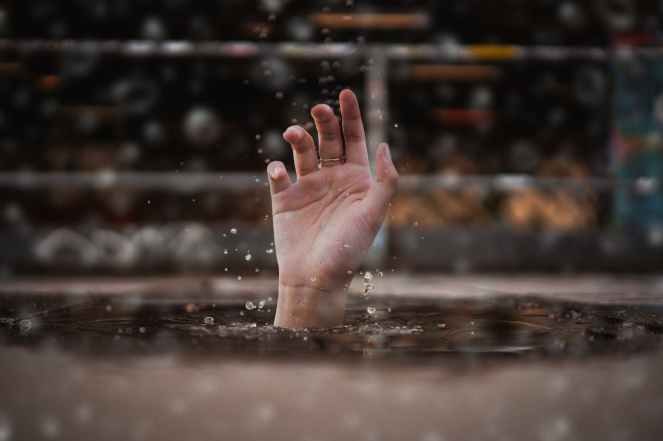
Five years ago, I was drowning in a toxic environment that suffocated my mental, physical, and spiritual well-being. The negativity and toxicity were like chains, binding me to a life of self-inflicted misery. I felt trapped and out of control! I wanted to feel better, but nothing I was doing seemed to help. I reached a breaking point and that is when I knew it was time to make a life changing choice to break free, to heal, and to thrive. I realized it was time to leave the toxic environment that was making me sick.

Making significant changes in my life, I let go of what was holding me back and embraced a new way of living, a new way of thinking. Once I made those drastic changes I realized just how much that previous environment was negatively affecting me. I now choose to surround myself with positivity, embrace healthy habits, and nurture my mental health and spiritual growth.

Choosing to make those changes wasn’t easy; it required courage, resilience, and determination. Yet, with each step forward, I felt myself becoming lighter, stronger, less anxious, and more alive. I wasn’t just surviving, I was starting to thrive. Now, five years later, I stand in a completely different place—a place of peace, joy, and fulfillment. I’ve learned that you cannot become well in the same toxic environment that was making you sick.

Here are some tips on how to let go of what is holding you back from thriving:

hurt people | Lookingjoligood.blog

1. Identify the source: Recognize what exactly is holding you back. It could be negative thought patterns, toxic relationships, self-doubt, fear of failure, or past traumas. Understanding the root cause is the first step to overcoming it.

2.Practice self-awareness: Pay attention to your thoughts, emotions, and behaviors. Notice when you’re feeling stuck or limited by something. Awareness empowers you to take action and make changes.

3.Challenge limiting beliefs: Question the beliefs that are keeping you trapped in a cycle of negativity. Replace them with empowering beliefs that support your growth and well-being.

4.Set boundaries: Learn to say no to things that drain your energy or bring negativity into your life. Set clear boundaries with toxic people or situations and prioritize your own needs and happiness. Be willing to cut ties with relationships that are holding you back.(This is extremely difficult , but absolutely necessary!)

5.Practice forgiveness: Let go of resentment, anger, or grudges that are weighing you down. Forgiveness doesn’t mean condoning the actions of others, but rather releasing yourself from the emotional burden of holding onto past hurt.

6.Focus on what you can control: Instead of dwelling on things outside your control, focus on the actions you can take to move forward. Break your goals into manageable steps and take consistent action towards them. One day at a time makes an enormous difference with consistency!

7.Surround yourself with positivity: Surround yourself with supportive and uplifting people who encourage your growth and well-being. Seek out inspiring books, podcasts, or activities that nourish your mind and spirit.

8.Practice self-care: Take care of your physical, mental, and emotional health. Make time for activities that bring you joy, relaxation, and fulfillment. Prioritize self-care as an essential part of your daily routine. Self care is not selfish, it is essential!

family | lookingjoligood.blog

9.Seek support: Don’t be afraid to reach out for help if you’re struggling to let go of what’s holding you back. Whether it’s through therapy, counseling, or talking to a trusted friend or family member, seeking support can provide valuable guidance and perspective. We are not meant to do things alone! A burden shared is a burden lifted. When we open up to others and share our struggles, we allow them to offer support, understanding, and perspective.

10.Celebrate progress: Celebrate your successes, no matter how small. Acknowledge the progress you’ve made and the steps you’ve taken towards letting go of what’s holding you back. Celebrating your victories reinforces positive momentum and motivates you to keep moving forward.

While I was suffocating in that toxic environment I thought that was just how my life was always going to be. Change is scary. The unknown is frightening! I was drained, mental, physical, and spiritually exhausted . Choosing to change required courage and resilience, but through embracing the change, no matter how frightening, and letting go of what held me back, I discovered a newfound sense of peace and fulfillment.

Is my life perfect now? Absolutely not! But I now have equipped myself with better tools to navigate life’s challenges. By equipping myself with these better tools, I am better prepared to face whatever comes my way. While my life may not be perfect, I have learned to embrace imperfection and view challenges as opportunities for growth and learning.

Surrounding myself with positivity and prioritizing my health allowed me to grow stronger and happier. True healing can only happen when we are willing to take that first step towards leaving behind toxic environments and embracing the unknown. Today, I stand as proof that transformation is possible, leading to a brighter future filled with joy and endless possibilities. The temporary discomfort was worthwhile!

Resources that I have found to be helpful:

boundaries | lookingjoligood.blog

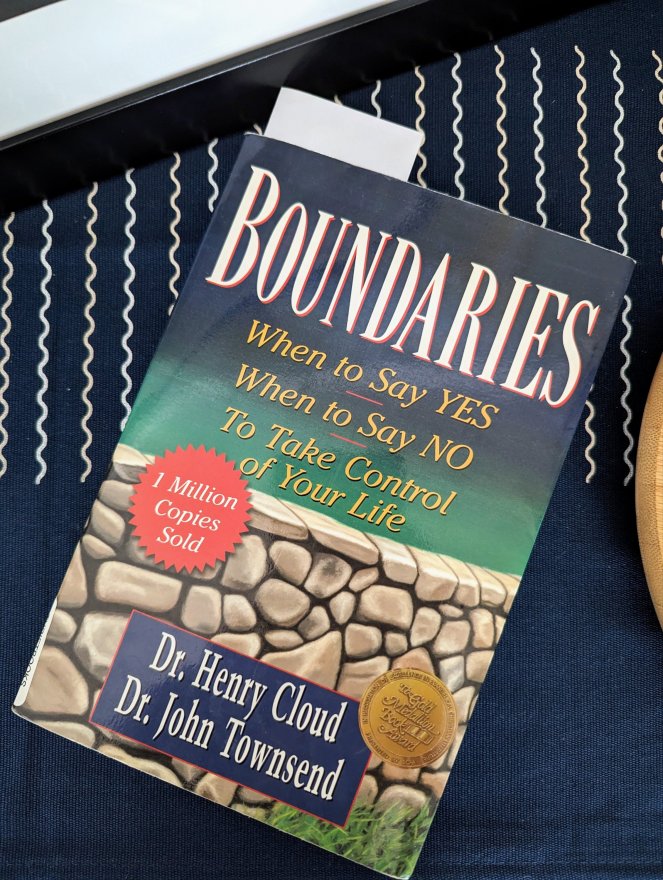
A book that has been instrumental in helping me set healthy boundaries is incidentally called “Boundaries” written by Dr. Henry Cloud and Dr. Townsend. Reading this book was absolutely an eye-opener for me. Their insights and practical advice really resonated with my own experiences, and it helped me see the importance of defining healthy limits in all aspects of my life.

The book highlights the significance of recognizing our personal limits and how it’s okay to say “no” when something doesn’t align with our values or makes us uncomfortable. It gave me the courage to put myself and my family first and prioritize my well-being without feeling guilty about it.

When Narcissism Comes To Church Chuck DeGroat | lookingjoligood.blog

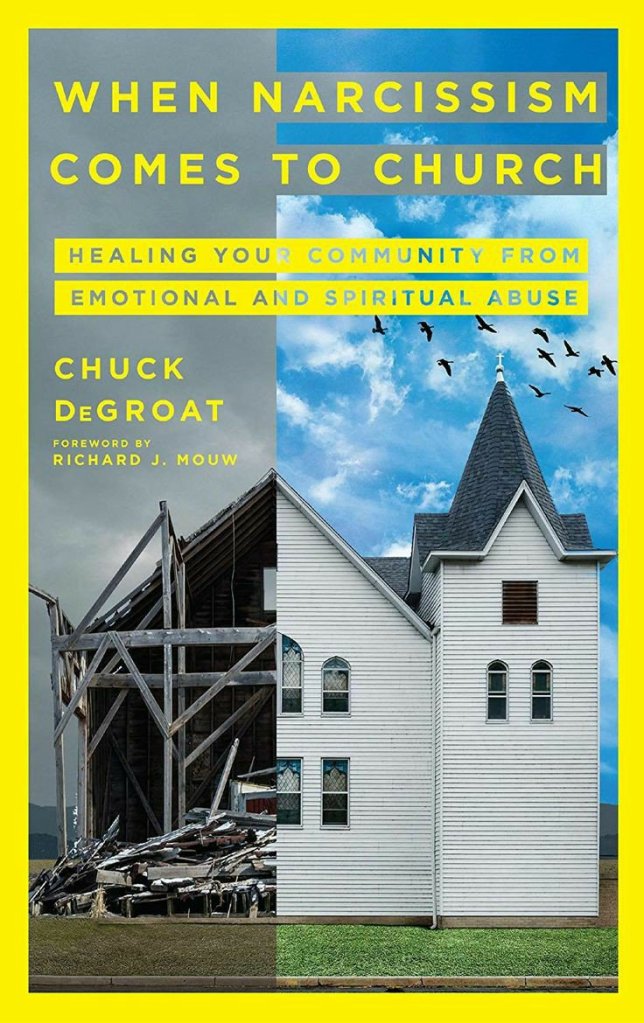
When Narcissism Comes to Church: Healing Your Community from Emotional and Spiritual Abuse by Chuck DeGroat. This book explores the issue of narcissism in the church. DeGroat, a counselor who has worked with many victims of narcissistic abuse, argues that narcissism is a growing problem in the church, and that it can have a devastating impact on individuals and communities. 10/10 recommend!

**Affiliate link:

When Narcissism Comes to Church: Healing Your Community from Emotional and Spiritual Abuse https://go.magik.ly/ml/1yiuy/

**An affiliate link is free to the user. It is a unique URL provided by an affiliate program or network to their partners, such as bloggers or website owners. When someone clicks on an affiliate link and makes a purchase or completes a desired action at no additional cost to them, the affiliate partner earns a commission or other form of compensation. These links are specifically tracked to attribute sales or conversions generated through the partner’s promotional efforts. In summary, an affiliate link is a specialized link that allows partners to earn commissions by driving traffic and sales to a particular product or service.**

Disclaimer: The experiences shared in this post are based on my personal experiences and perspective. I am not an expert, but I was part of a high demand community for the majority of my life. I acknowledge that I am on a continuous journey of growth and self-improvement. I am aware that I don’t always respond or behave in the perfect way, as I am only human. While I may stumble along the way, my intention is always rooted in creating positive interactions and demonstrating consideration for others. I hold firm to the belief that treating people with kindness and respect is of utmost importance. While I chose to leave the IFB to find a more gracious and loving path, it is important to acknowledge that individuals may have different experiences and find happiness within the IFB or any other religious institution. The decision to leave the IFB does not imply a loss of faith, as faith is a deeply personal and subjective matter.

Laura lookingjoligood.wordpress.com

I would love for you to follow me on InstagramTwitterPinterest, and Facebook. You can find me as Looking Joli Good on all four.
Finding Faith Following Fundamentalism

For God Hath Not Given Us the Spirit of Fear, But The Church Definitely Has (Part 2)

If you haven’t read The Spirit of Fear Part One, please click HERE to start reading there first. Once you have read that you can come back and read Part Two.

Exploring the intricate layers of fear, its origins, and its impact in a religious context required delving into both personal experiences and the communal dynamics of the Independent Fundamental Baptist (IFB) church and the community I was a part of. Confronting the Spirit of Fear is a topic that has taken significant introspection and courage to unravel its complexities.

The Bible often speaks of the fear of the Lord. Here are some examples from the King James Version (KJV):

holy bible | lookingjoligood.blog

Proverbs 1:7 “The fear of the Lord is the beginning of knowledge: but fools despise wisdom and instruction.”

Ecclesiastes 12:13“Let us hear the conclusion of the whole matter: Fear God, and keep his commandments: for this is the whole duty of man.”

Deuteronomy 10:12 “And now, Israel, what doth the Lord thy God require of thee, but to fear the Lord thy God, to walk in all his ways, and to love him, and to serve the Lord thy God with all thy heart and with all thy soul.”

Psalm 111:10 “The fear of the Lord is the beginning of wisdom: a good understanding have all they that do his commandments: his praise endureth for ever.”

In the context of these Bible verses, the “fear of the Lord” refers to a deep reverence, awe, and respect for God. It involves acknowledging God’s holiness, power, and authority. This fear is not about being terrified or scared of God in a negative sense, but rather about recognizing His greatness and living in accordance with His commandments. It implies a posture of humility, obedience, and devotion to God’s will. The fear of the Lord is often associated with the beginning of wisdom and knowledge, suggesting that a proper understanding of God is foundational to a life of spiritual insight and understanding.

This reverence, awe, and respect for God is not the type of fear that I am talking about here.

In the Bible, there are instances where God’s wrath is depicted as a response to disobedience, rebellion, or the violation of His commands. Here are a few examples that quickly came to my mind:

The Flood (Genesis 6-8): God, seeing the wickedness of humanity, decided to send a great flood to cleanse the earth. Noah and his family were spared, but the rest of humanity faced death due to God’s judgment.

Sodom and Gomorrah (Genesis 18-19): Due to the extreme wickedness of these cities, God rained down fire and sulfur, destroying them completely. Lot and his family were the only ones spared. Yet when Lot’s wife looked back she was turned into a pillar of salt. I have often contemplated the idea that, in a similar situation, I would likely turn to look back.

Plagues on Egypt (Exodus 7-12): In response to Pharaoh’s refusal to release the Israelites, God sent a series of plagues, demonstrating His power and demanding obedience. The final plague resulted in the death of the firstborn in every Egyptian household.

Korah’s Rebellion (Numbers 16): Korah, along with others, rebelled against Moses and Aaron’s leadership. In response, God caused the earth to open up and swallow the rebels.

Uzzah and the Ark (2 Samuel 6:1-7): Uzzah touched the Ark of the Covenant when it was being transported, contrary to God’s command. God’s anger burned against Uzzah, and he died instantly as a consequence of his irreverence. (I cannot tell you how many times I have thought about this particular story though out the years. Uzzah, not wanting the Ark to fall disobeyed and reached out and touched it. I too would probably try to help.)

Ananias and Sapphira (Acts 5:1-11): In the early Christian community, Ananias and Sapphira lied about their financial contributions. God’s judgment led to their sudden deaths as a warning to the church about the seriousness of deceit. (How many times have I lied or stretched the truth?!)

These examples illustrate instances where God’s wrath was manifested in response to disobedience, rebellion, or unrepentant sin. And while, as a child and maybe even as an adult, I was terrified that I was going to do something that was going to cause me to die instantly as a consequence of my sin, it’s important to note that these narratives are part of a broader theological understanding of God’s justice and the consequences of human actions.

statue of jesus | lookingjoligood.blog

A wrathful God sent His Son, Jesus Christ, as an expression of His love and mercy. The concept is rooted in the idea that humanity, due to sin, deserved divine punishment or wrath. Instead of condemning humanity, God chose to extend His grace by sending Jesus to bear the consequences of sin on behalf of humanity. Through Jesus’ sacrificial death on the cross God’s justice was satisfied, and a way for reconciliation between God and humanity was established. It reflects the belief in God’s desire for redemption and the offer of salvation through faith in Christ.

fear | lookingjoligood.blog

So, the question remains, should I be afraid of God?

Growing up, I received mixed messages about fear and love in the context of my faith. While I was told to “fear not” and trust in God’s love, the predominant teachings emphasized the fear of God and the consequences of sin. Despite the reassurance to cast away fear, there was an underlying narrative that positioned God as something to be afraid of – a divine figure ready to mete out judgment for any transgression. The dichotomy between the encouragement to trust and the emphasis on fear created a paradoxical relationship with God, where love and fear seemed intertwined. The conflicting narratives left a lack of understanding of a God who could simultaneously inspire love and evoke such immense fear.

Reflecting on this, it becomes evident that the juxtaposition of messages about God’s love and the fear of His wrath created internal conflict and confusion. This experience underscores the importance of consistency and clarity in religious teachings. It highlights the potential impact of mixed messages on an individual’s perception of faith and their relationship with a higher power. When told to love but simultaneously made to fear, the inherent contradiction can hinder the development of genuine love. Understanding that conflicting narratives can lead to internal struggles emphasizes the need for open dialogue, thoughtful interpretation of religious teachings, and a commitment to create a harmonious understanding of faith. Ultimately, seeking a balanced perspective that allows for both reverence and love in one’s relationship with the divine.

The perspective on fearing God varies among individuals and religious traditions. In a healthy spiritual context, fear of God is often interpreted as awe, reverence, and a deep respect for divine power. It is not meant to instill paralyzing fear but rather to inspire humility and a desire to live in accordance with ethical and spiritual principles.

However, if the fear of God becomes overwhelming, causing anxiety, crushing guilt, or hindering one’s relationship with the divine, it may be beneficial to explore a more balanced understanding of God’s nature, one rooted in love and grace. For me personally focusing on God’s grace helped to contribute to a healthier and more enriching spiritual experience than what I was used to during my time in the IFB. I also found that establishing healthy boundaries that prioritize my mental and emotional well-being involved distancing myself from that toxic environment and some IFB individuals.

I cannot honestly say that there are not times that I still feel afraid of God, but these moments are now intertwined with a growing realization. While reverence for the divine is important, I’ve come to recognize that the fear instilled in me was often rooted in a portrayal of a vengeful and punitive deity. As I navigate my own spirituality , I seek a deeper understanding of God—one that encompasses love, mercy, and grace, allowing me to approach the divine with a reverence that nurtures a relationship built on trust and adoration rather than fear and trepidation.

Laura lookingjoligood.wordpress.com

Disclaimer: It’s important to acknowledge that this is my opinion based on my own life experiences. It’s essential to recognize that not all people within IFB churches function in a state of constant fear. Some may be more openminded and respectful of differing viewpoints, acknowledging that genuine faith can coexist alongside diverse beliefs. People have diverse experiences and perceptions, and some may genuinely enjoy and benefit from their involvement in the IFB. I may disagree, but unlike what I experienced while in the IFB I do not intend to diminish or invalidate those positive experiences but rather seeks to highlight the complexities of personal perspectives and their role in shaping our understanding of the world.