

Finding Faith Following Fundamentalism (Part 1)
Abstract/TL;DR: I want to share my personal journey of finding faith after leaving fundamentalism. It was a challenging process that required me to question deeply ingrained beliefs. Breaking free from fundamentalism brought a sense of freedom and allowed me to shape my own beliefs based on my experiences and contemplation. Fundamentalism refers to a strict adherence to core beliefs and practices within a religious or ideological context. It involves a literal interpretation of sacred texts, resistance to change, and a rejection of alternative viewpoints. Fundamentalism has a significant impact on one’s identity and worldview. The decision to leave the Independent Fundamental Baptist (IFB) does not imply a loss of faith, as faith is a deeply personal and subjective matter.

When you hear the term “fundamentalism,” what comes to mind? Perhaps you imagine Mormons in poofy-haired prairie dresses living in a secluded compound. Or maybe you think of the Hasidic Jewish community in Boro Park and Crown Heights, Williamsburg, with their shtreimel fur hats and Payos side curls. It could also bring to mind the Amish, with their women wearing long dresses, head coverings, and aprons, and men dressed in long-sleeved shirts, trousers, suspenders, broad-brimmed hats, and mustacheless beards, while riding in horse-drawn buggies.
Although I don’t have poofy hair or side curls, and I only wear an apron while cooking, the term fundamentalism still holds personal significance for me. While it carries different meanings for different people, I can speak to its impact on my own life. For a significant portion of my existence, fundamentalism was deeply ingrained in who I was.
What Is Fundamentalism?
Firstly, let’s discuss what fundamentalism means. It refers to a strict adherence to a set of core beliefs, principles, or doctrines, typically within a religious or ideological context. Fundamentalism is characterized by a literal interpretation of sacred texts or foundational teachings, as well as an unwavering commitment to maintaining traditional values and practices. Fundamentalist movements often resist or reject societal changes, advocating for a return to what they perceive as the original or pure form of their belief system. This can involve a rigid moral code, a resistance to critical thinking or questioning, and a tendency to view alternative viewpoints as threats or heresies. Fundamentalism can be found in various religions, as well as in political, social, and cultural contexts.
How Did I Become a Fundamentalist?

I was born into a family that belonged to an Independent Fundamental Baptist Church (IFB).* Growing up it was all I knew. As a result, fundamentalism played a defining role in shaping my thoughts, actions, faith, and interactions with the world. However, over time, I began to notice cracks in the foundation of the fundamental teachings I had been raised with.
*see below for more details about the IFB)
Why Did I Leave?
After a change in church leadership, my eyes were opened, and I came to the realization that my previous pastor, who exemplified kindness and genuineness, had been an exception to the norm. I realized the church leaders were teaching one thing and acting in the opposite way. Jesus taught love God and love others, and I was confounded by the lack of love, grace, and empathy that I was faced with within the community. Seeing them preach about values and principles, only to witness them act in direct contradiction to those teachings, made me question whether what they were teaching was truly authentic. It felt like a betrayal of the trust I had placed in them and left me questioning the integrity of the entire IFB doctrines.
I began to question what I had always been taught and my perspective started to evolve. This experience challenged the way I perceived the church and its leaders. It made me realize that not everyone who claims to follow certain values and principles actually lives them out. It forced me to reassess my own beliefs and consider whether I wanted to continue being part of a community and religion where there seemed to be such a disconnect between words and actions.
Over a slow and painful process of questioning, I transitioned from a state of fundamentalism to a place where I could explore and define my own beliefs. It was a challenging process that required me to question deeply ingrained doctrines that had influenced my worldview for a significant part of my life. Yet, within the uncertainty and discomfort of this exploration, I discovered a renewed sense of faith.
Breaking free from fundamentalism felt like a breath of fresh air. The strict rules, the lack of grace, no room for questions and doubts, and the pressure to conform was stifling.
If It Was So Bad, Why Did I Stay So Long?
Like so many people who find themselves in toxic situations, I stayed in the IFB community for far longer than I should have. I stayed, despite its hypocritical and stifling nature, due to a combination of family and community pressure, as well as the fear of losing friends and status. The tight-knit nature of the IFB community often creates a strong sense of belonging and identity. Growing up in that environment, my family and I were deeply entrenched in the church, and our social connections revolved around it.
Leaving the IFB community meant potentially severing ties with friends, extended family, and even my own immediate family who were fully committed to the movement. The fear of losing those relationships and the social support they provided was overwhelming. The thought of facing isolation and being ostracized from the only community I had known for so long was a daunting prospect.

Additionally, the IFB community can exert immense pressure to conform. There is an unspoken expectation to align with the teachings, practices, and standards set forth by the church and its leadership. Deviating from those norms can result in judgment, criticism, and even accusations of backsliding or straying from the faith. The fear of being labeled as rebellious, unfaithful, or even being accused of never having had “true salvation” weighed heavily on my decision-making.
The concept of losing status within the community also played a significant role. In the IFB, one’s reputation is often tied to their involvement and commitment to the church. Questioning or leaving the community will lead to a loss of respect, influence, and opportunities within the social spheres connected to the church.
And let’s just face it, the drama is addicting! Whether it’s within the IFB or any other group, there’s a certain allure to the conflicts, controversies, and intense emotions that can arise.
Being caught up in the drama can make you feel involved, engaged, and connected. It’s like being in the middle of a gripping story where emotions run high, tensions flare, and the stakes feel overwhelmingly significant. The desire for excitement and a sense of belonging can draw us in and keep us hooked.
But amidst the addictiveness of the drama, it’s important to recognize the potential downsides. The constant conflicts and tensions can be exhausting, and the focus on drama can overshadow the true purpose and values of the community. It can become a distraction from building genuine relationships, unity, and pursuing personal growth. Moreover, excessive drama can create a toxic environment where negativity, gossip, and judgment thrive. It can lead to divisions, hurt feelings, and a loss of focus on what truly matters
How Are Things Going Now?
It has been a few years since I chose to leave fundamentalism. I am choosing to discuss all of this now because I needed to wait to talk about it and reflect from a place of healing rather than raw pain. While somethings are still in the healing process, time and distance have helped to heal many of the wounds I carried.
Leaving the community has been emotionally challenging for me, despite knowing it was the best choice for my personal growth. The people who influenced and shaped my identity, beliefs, and values were deeply rooted in the IFB community. Therefore, choosing to step away meant not only rejecting certain aspects of that religion but also severing ties with the people who were a fundamental part of my life.
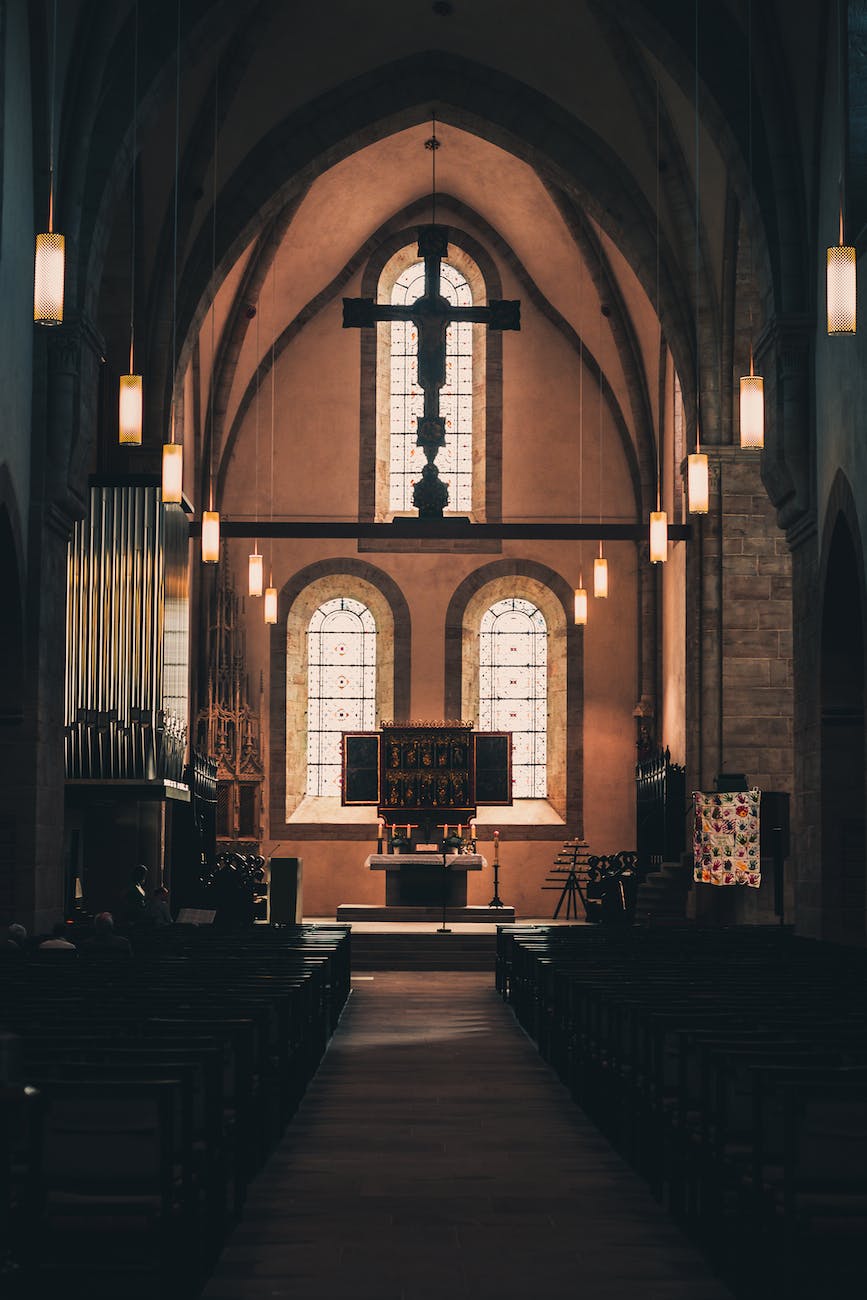
Leaving meant bidding farewell to a community where I once found comfort, belonging, and shared experiences, and I still miss certain things about it. The connections I forged within that community ran deep, leaving me feeling lonely, isolated, and grieving for what I had left behind. The emotional difficulty I faced stemmed from a sense of loss, fear of judgment and rejection, and the struggle to redefine myself outside of that religious framework.
It compelled me to confront internal struggles and self-growth outside of their religious framework. This meant questioning and reevaluating deeply ingrained beliefs, which was emotionally taxing and left me confused and disoriented. It required me to redefine my values, seek new sources of meaning, and develop a new sense of identity. It was an arduous and painful process.
I carried the weight of fearing judgment and rejection from those who remained within the group, which often led to feelings of guilt and shame. Risking losing the acceptance and love of family members and friends due to my departure added to the emotional burden.
Nevertheless, despite the emotional hardships, I summoned the courage to make the difficult decision to leave the community that I had been a part of for forty years. I firmly believed it was the best choice for my personal growth and well-being. It is essential to acknowledge that the emotional difficulty I faced does not diminish the validity of my choice; instead, it reflects the complex nature of the experience.
During this challenging time, seeking support from understanding friends and family proved invaluable. Connecting with people who have gone through similar experiences provided me with validation, acceptance, and guidance as I navigated through this experience.
I remind myself that personal growth and authenticity often come at a cost. It is important to be patient with myself, allow for healing, and embrace the opportunity to explore and define my own beliefs and values. Over time, the emotional hardships gradually gave way to a sense of freedom and a deeper understanding of my own identity.
Today, I appreciate the power of questioning. I embrace the freedom to shape my own beliefs, guided by a willingness to learn, evolve, and seek wisdom. I find peace in the understanding that faith is a deeply personal journey, and I value the authenticity and joy that come with embracing what I genuinely believe.
Will some people be upset by my story? Yes, that is a possibility. Whenever we share personal experiences and perspectives, there will inevitably be people who may disagree or feel uncomfortable with what we have to say. Discussing topics like leaving fundamentalism can be sensitive and may challenge deeply held beliefs of others. However, it is important to remember that sharing our journeys authentically and respectfully is important for personal growth and creating understanding. While some may be upset, I hope that my story can encourage dialogue and promote empathy, even among those who may have different viewpoints.
Growth Lies In Discomfort
In breaking free, I found my voice,
Leaving fundamentalism, my choice.
Some may be upset, emotions may rise,
I share my truth, despite the cries.
For growth lies in discomfort, in open debate,
I embrace the challenge, I will not hesitate.
With understanding, to shed light.
With empathy, I seek to unite,
In sharing my story, my purpose is found.
Though reactions may vary, I hold my ground,
I now speak from a place of relief
My wounds have healed with renewed belief.

Disclaimer: The personal experiences shared in this post are based on my personal perspective. While I chose to leave the IFB to find a more gracious and loving community, it is important to acknowledge that individuals may have different experiences and find happiness within the IFB or any other religious institution. The decision to leave the IFB does not imply a loss of faith, as faith is a deeply personal and subjective matter. It is essential to respect and recognize the diversity of experiences and perspectives within religious communities. The content shared is for informational purposes only and should not be construed as professional advice, guidance, or a universal representation of the IFB or any religious organization. It is recommended to seek guidance, conduct research, and consider multiple perspectives when making personal decisions or exploring matters of faith.
*Background information about the Independent Fundamental Baptist Church (IFB)
The Independent Fundamental Baptist movement (IFB) is an association of independent Baptist churches that share a common set of conservative theological beliefs and distinctives. The IFB movement emerged in the early 20th century in response to what its adherents saw as a decline in Biblical orthodoxy in mainline Baptist denominations. The IFB movement is a significant force in American Christianity, with an estimated 10,000 to 15,000 churches and millions of members. The movement has been criticized for its narrow theological views, its intolerance of other viewpoints, and its association with some controversial figures.
The IFB movement is characterized by its adherence to a number of distinctives, including:
B – Biblical Authority
A – Autonomy of the Local Church
P – Priesthood of the Believer
T – Two Ordinances: Baptism and the Lord’s Supper
I – Individual Soul Liberty
S – Saved, Baptized, Church Membership
T – Two Offices: Pastor and Deacon
S – Separation of Church and State
The IFB movement is characterized by a set of core doctrines that are typically emphasized and believed by its members. While variations may exist among individual churches, here are some common core doctrines within the IFB:
Biblical Authority: The IFB upholds the belief in the absolute authority and inerrancy of the Bible. They view the Scriptures as God’s inspired and infallible Word, serving as the ultimate guide for faith and practice.
Salvation by Grace through Faith: The IFB teaches that salvation is solely by God’s grace through faith in Jesus Christ. They emphasize the belief in the atoning sacrifice of Jesus on the cross, repentance from sin, and the need for personal faith in Christ for salvation.
Separation from the World: The IFB emphasizes the concept of separation from worldly influences, advocating for believers to live holy and separate lives. This includes separation from sinful practices, worldly entertainment, and associations that could compromise one’s faith.
Personal Evangelism: The IFB places a strong emphasis on evangelism and sharing the Gospel with others. They believe in the responsibility of individual believers to actively engage in personal evangelism and to share the message of salvation with those who are lost.
Autonomy of the Local Church: The IFB holds to the autonomy of the local church, meaning that each congregation is self-governing and independent. They believe that local churches should not be subject to external ecclesiastical authority or denominational control.
Two Ordinances: The IFB recognizes two ordinances instituted by Christ: baptism and the Lord’s Supper. They view baptism as an act of obedience and identification with Christ, typically practiced through immersion. The Lord’s Supper is seen as a commemoration of Christ’s sacrifice and is often observed regularly within the church.
Second Coming of Christ: The IFB holds to the belief in the imminent return of Jesus Christ. They anticipate the future bodily resurrection of believers, the final judgment, and the establishment of Christ’s kingdom.
These core doctrines form the foundation of the IFB’s beliefs and practices, providing a theological framework that guides their understanding of God, salvation, the church, and the Christian life.
If you are reading this after July 19, 2023 and you are still interested in reading more about the Independent Fundamental Baptist movement (IFB) you can click HERE to read my post with a much more expansive history and wealth of information.












 Looking Joli Good