The Allure and Danger of Weight Loss
Content Warning: Eating disorders, disordered eating, anorexia, body image, mental health struggles, high control religion.
The start of a new year often brings resolutions centered on weight loss, promising transformation and self-improvement. Social media, advertisements, and societal norms amplify this message, equating thinness with success and happiness. The allure is powerful, shedding pounds seems like a quick fix for deeper insecurities or dissatisfaction.
Yet, this focus can be dangerous. The obsession with weight loss often leads to unhealthy habits, disordered eating, and a strained relationship with food and those around you. Instead of health and well-being, an obsession with thinness can overshadow mental health, self-acceptance and true inner happiness. True health comes from balance, not extremes.
During my freshman year of nursing school, I had a acute awakening to the devastating impact of anorexia, a lesson that didn’t come from textbooks or lectures, but from the lived experience of a close friend. Witnessing her battle with this relentless illness was something that I will never forget.

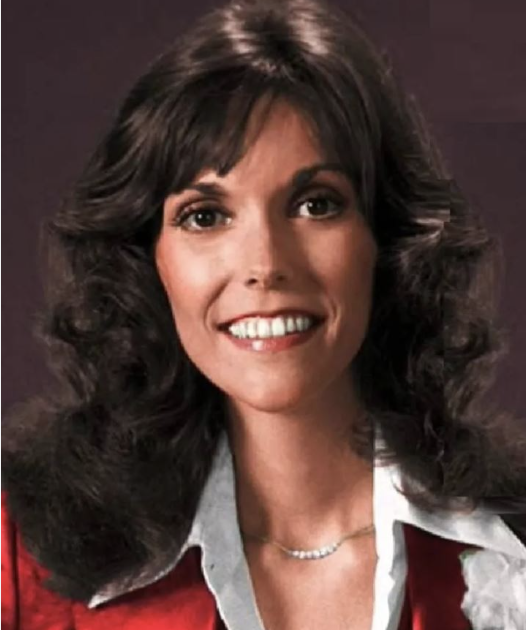
Prior to this encounter, I had only a superficial understanding of anorexia, viewing it as a distant affliction that affected Karen Carpenter but remained detached from my own reality. However, as I watched my friend’s gradual descent into the grips of this merciless disorder, the harsh reality of its consequences became painfully evident.
What struck me most was the insidious nature of anorexia, how it crept into every aspect of my friend’s life, consuming her thoughts, emotions, and physical well-being. It was a silent and invisible adversary, yet its presence loomed large, casting a shadow over our once carefree friendship. Mealtimes and food related outings with her were excruciating!
At first, I naively believed that I could offer support and encouragement, believing that my friend’s struggle was something she could simply overcome with enough willpower and determination. But as her condition worsened and her weight plummeted to dangerous levels, I realized the depth of her suffering and the gravity of her illness.

Despite my best intentions, I found myself unable to truly comprehend the magnitude of her struggle, unable to grasp the enormity of the challenges she faced on a daily basis. Instead of serving as a beacon of hope and inspiration for her recovery, I unwittingly became ensnared in the dangerous allure of her steady weight loss, as if it were a contagion spreading through our circle of friends.
In retrospect, I recognize the profound irony of my ignorance and the tragedy of my misguided perceptions. My friend’s struggle with anorexia should have served as a stark warning, an example of the devastating toll that this illness exacts on both mind and body. Instead, it became a twisted distortion of reality, blurring the lines between compassion and complicity, empathy and enablement.
It was a painful lesson, one that taught me that the impacts of anorexia are far-reaching and multifaceted, transcending the confines of individual suffering to touch the lives of those who bear witness to its destructive power.
And though I may never fully understand the depths of my friend’s anguish, I do understand the allure of weight loss being the reward. In a world that often equates thinness with worth and beauty, it’s easy to fall into the trap of believing that shedding pounds will bring happiness and acceptance.

While I have never suffered from or received a formal diagnosis of a full blown eating disorder, I have personally grappled with disordered eating patterns. Using food and exercise as a means of control was, at times, a coping mechanism for me. Recognizing these struggles was an essential step in creating a healthier relationship with food and seeking support when needed.
A significant aspect of my post-IFB growth has been centered around healing my connection with body image and food. It has been a lot of work to retrain my thinking towards self-compassion and a positive approach to overall well-being. It took me a long time to believe that I am not defined solely by the food I consume, how much I exercise, or the size of the clothes I wear. My identity encompasses a myriad of qualities beyond these external elements.
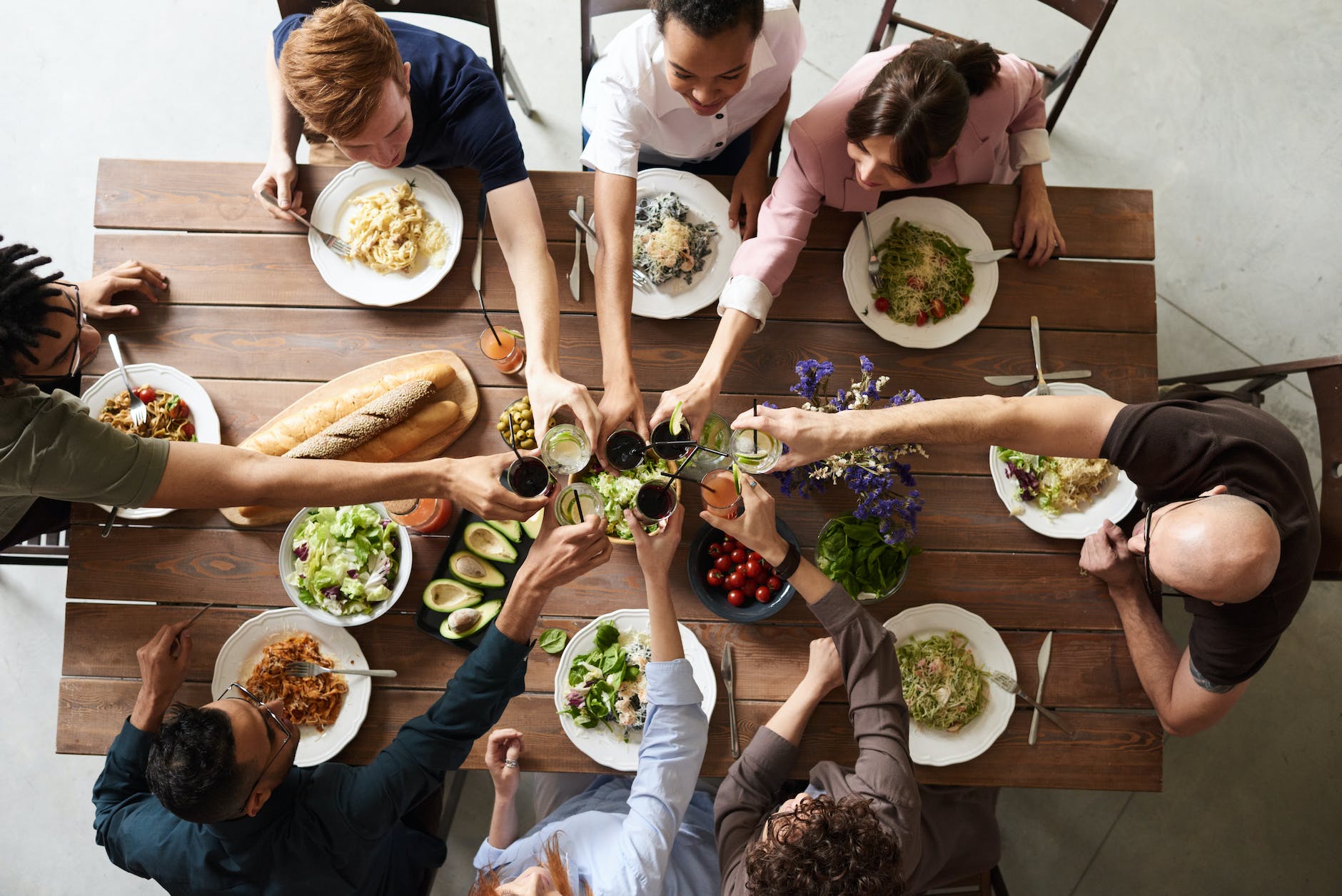
Eating is a fundamental part of human life, not only for sustenance but also for social and cultural reasons. However, for some people, the relationship with food can become complicated, leading to harmful behaviors and negative consequences for their physical and mental health.
If you or someone you know is struggling with an eating disorder or disordered eating, it’s important to reach out for support. Seeking assistance from friends, family, or mental health professionals can make a significant difference in navigating these challenges. Remember that you don’t have to face it alone, and there are resources available to help you on the path to recovery. Prioritize your well-being and take the first step toward seeking the support you need. I’ve included some resources and references below.**


Disclaimer: I am not an expert on eating disorders or disordered eating. The information provided is based on general knowledge and personal experience and should not be considered as a substitute for professional medical advice or treatment. While I am a registered nurse, I am not your personal healthcare provider. It is advisable for you to consult with your own designated healthcare professional to determine the best course of action for your specific situation for personalized guidance and recommendations tailored to your specific needs.
**Resources:
https://www.nationaleatingdisorders.org/help-support/contact-helpline
https://www.eatingdisorderhope.com/
https://www.nimh.nih.gov/health/publications/eating-disorders
Project HEAL. (2023, November 10). Project HEAL. https://www.theprojectheal.org/
**References:
Akrawi, D., Bartrop, R., Potter, U., & Touyz, S. (2015). Religiosity, spirituality in relation to disordered eating and body image concerns: A systematic review. Journal of Eating Disorders, 3(1). https://doi.org/10.1186/s40337-015-0064-0
Grenfell, J. W. (2006). Religion and Eating Disorders: Towards understanding a neglected perspective. Feminist Theology, 14(3), 367–387. https://doi.org/10.1177/0966735006063775
Kose, J., Paz‐Graniel, I., Péneau, S., Julia, C., Herçberg, S., Galán, P., Touvier, M., & Andreeva, V. A. (2022). A population-based study of macronutrient intake according to mental health status with a focus on pure and comorbid anxiety and eating disorders. European Journal of Nutrition, 61(7), 3685–3696. https://doi.org/10.1007/s00394-022-02923-x
Huline‐Dickens, S. (2000). Anorexia nervosa: Some connections with the religious attitude. British Journal of Medical Psychology, 73(1), 67–76. https://doi.org/10.1348/000711200160309
National Eating Disorders Association. (2021, July 14). Statistics & Research on eating disorders. https://www.nationaleatingdisorders.org/statistics-research-eating-disorders?gad_source=1&gclid=Cj0KCQiAgK2qBhCHARIsAGACuzn1KQjJps5k1v90ly1NNKbT6SafnV7CzQdvoNS1yasCL2KftzM7JlUaAtEyEALw_wcB
Project HEAL. (2023, November 10). Project HEAL. https://www.theprojectheal.org/
RCN Publishing. (n.d.). Research |. UCLan – University of Central Lancashire. https://clok.uclan.ac.uk/45420/
Riddle, D. R., Presseller, E. K., & Juarascio, A. S. (2023). Latent profiles of emotion dysregulation among individuals with binge‐spectrum eating disorders: Associations with eating disorder pathology. European Eating Disorders Review, 31(6), 793–801. https://doi.org/10.1002/erv.3009
Sigel, E. (2009). DISORDERED EATING BEHAVIORS. In Elsevier eBooks. https://doi.org/10.1016/b978-1-4160-3370-7.00059-6
Thomas, J., O’Hara, L., Tahboub-Schulte, S., Grey, I., & Chowdhury, N. (2018). Holy anorexia: Eating disorders symptomatology and religiosity among Muslim women in the United Arab Emirates. Psychiatry Research, 260, 495–499. https://doi.org/10.1016/j.psychres.2017.11.082
Thorne, R. (2022, September 14). Everything you need to know about disordered eating, according to experts. Healthline. https://www.healthline.com/health/disordered-eating-vs-eating-disorder
What are eating disorders? – Project HEAL. (n.d.). Project HEAL. https://www.theprojectheal.org/what-are-eating-disorders
Why do people become anorexic? | Transformations mending fences. (n.d.). Transformations Mending Fences. https://ttcmendingfences.com/blog/why-do-people-become-anorexic-disordered-eating-explained/?gclid=Cj0KCQiAgK2qBhCHARIsAGACuzlbnVzfVfu64Zwj5BfqF8zYQ8LpFfm1VpmVXhbWXsQE56Klo-QUFaoaAtO0EALw_wcB



 Looking Joli Good