Finding Faith Following Fundamentalism

The Pressure of Perfection Growing Up Fundamentalist

First things first, a disclaimer…

Disclaimer: I’d like to preface this post by acknowledging that two things can be true at once. My experiences in fundamentalism includes fond memories from my childhood while at the same time that environment cause me grief and pain. It’s important to recognize that not everything within Baptist fundamentalism is negative; there were aspects that contributed positively to my upbringing. However, it’s equally important to address the complexities. The strict rules and the constant pursuit of an unattainable perfection cast a profound shadow on me. The overwhelming pressure to conform and be perfect combined with the “you know better” mentality, significantly influenced the way I perceive myself and the world as an adult. In reflection I recognize the coexistence of both beneficial and burdensome elements within fundamentalism. I would also like to point out that I have a great relationship with my parents. I am thankful for the lessons I have learned that make me who I am today.

Over the last few months while I have been writing about all the work I have done navigating my way through finding faith following fundamentalism, I have found this process of introspection to be both enlightening and challenging. It has required me to revisit pivotal moments that have deeply influenced my worldview and sense of self. By sharing my journey, I’ve found catharsis and also tried to create a bridge for connection with others who have faced and are facing comparable challenges. Although challenging, this process has proven to be quite therapeutic.

Some posts are easier to write than others. This one, in particular, proved emotionally demanding as it delves into a profoundly personal and sensitive topic. It’s not just about recounting my upbringing within an Independent Fundamental Baptist (IFB) community; it’s about highlighting how this experience deeply influenced not only my perspective on the world but also my perception of myself and my sense of self-worth, especially as a child. While I won’t lay bare every detail, I do want to emphasize how detrimental it can be for a child when they are held to impossibly high standards of perfection within such a community.

Growing up in a fundamentalist environment was like navigating a world of rigid rules and unyielding expectations. I understood from a young age that perfection was the standard, the goal that seemed both elusive and demanding. Perfection is an exceptionally challenging expectation to establish for a child! In my mind, the pressure to adhere to these standards was palpable, as if every misstep was a mark of failure in the eyes of those who believed in these principles and doctrines.

I was reminded that I am saved by grace, a gift beyond comprehension, yet somehow it felt like a lifelong test to prove my devotion and worth of the gift. I often felt like I was handed the exam before even having a chance to be instructed on the materials. This constant pressure to live up to unattainable standards profoundly impacted my sense of self-worth and personal expectations of myself.

For a child navigating this type of world the pressure can be overwhelming, it was for me. The constant fear of making mistakes, of falling short of those lofty expectations, seems to try to stifle creativity, curiosity, and the natural process of learning through trial and error. Instead of encouraging a sense of self-worth, it can lead to feelings of inadequacy and self-doubt. Fortunately, for me I still grew to possess self-confidence, but I consistently felt like I was in the wrong for confidently holding my own viewpoints and opinions.

Such an environment that demands perfection often creates a mindset that views self-worth as contingent on performance. Children may grow up believing that their value as individuals hinges on their ability to meet these unrealistic standards. This mindset can persist into adulthood, affecting not only their self-esteem but also their relationships, ambitions, and overall well-being. They may grow to become adults who are not willing to admit when they have made a mistake or are wrong.

It’s crucial to recognize that childhood should be a time of exploration, growth, and the development. Childhood is a time to learn to live by making mistakes and learning from them with minimal consequences, creating growth, resilience, and the development of a healthy sense of self-worth. When these formative years are overshadowed by the relentless pursuit of an illusive perfection, it can leave deep emotional scars that take years, even a lifetime, to heal. Understanding the impact of such high standards on children is a crucial step in creating more supportive and nurturing environments for the next generation.

My biggest regret in life is that for a time I allowed my own children to be subjected to that same environment. Reflecting on the profound impact it had on my own childhood, and how it influenced my self perception, I deeply regret exposing my own children to the community that had the same overwhelming level of expectation and scrutiny. Thankfully, we left before the impact was irreversible, and overall my children seem unscathed. My regret serves as a powerful reminder that breaking free from such environments was not just an act of self-liberation but also a way to protect the well-being and mental health of my children and my future generations.

(I’d like to emphasize that I have a wonderful relationship with both of my parents. I love them and have no bitterness or resentment whatsoever towards either of them. I truly believe they were doing the best they could with the knowledge and resources they had at the time. Two things can be true at once, while I wish that we had left that community while I was a child, I am thankful for the lessons that I have learned along the way because they make me who I am today.)

Ephesians 2:8-9 tells us that “For it is by grace you have been saved, through faith—and this is not from yourselves, it is the gift of God—not by works, so that no one can boast.” This verse highlights that salvation comes through God’s grace as a gift, not as a result of our own efforts, and it is received through faith rather than by our works.

The concept of being saved by grace, while seemingly liberating, came with its own set of burdens. It was as though the grace bestowed upon me was accompanied by an unspoken obligation – an obligation to constantly prove my worthiness, my gratitude, and my love for God. The assurance that grace had already granted me salvation clashed with the perpetual need to demonstrate that I deserved it. It was a balancing act between embracing the gift and feeling the weight of being worthy of the gift.

At the Christian school I attended and from the lessons taught in Sunday school and church services, the words “you know better” became a familiar refrain whenever I made a mistake, no matter how small. It was as if the missteps I took were seen as conscious defiance rather than human imperfection. The pressure to uphold spiritual maturity and understanding left little room for acknowledging the complexities of growth or questioning. Instead, the reminder that I “knew better” felt like an admonition, a marker of my supposed deviation from the straight and narrow path. If I knew better then, why did I feel as if I couldn’t voice my doubts and questions? Why did I carry the weight of unwarranted guilt for simply making childish mistakes?

Grace Requires Nothing Of Me | lookingjoligood.blog

As I grew older I struggled through this narrative of salvation through grace, yet the need to constantly be striving for perfection and worthiness. I began to question the very foundation of this ideology. The grace I believed in was meant to be liberating, not a source of constant apprehension, stress, and anxiety.

I was told I was saved by grace yet needed to prove my thankfulness through perfected devotion. However, church leaders once again let me down by preaching and teaching one thing and living another way. Perfection was expected from me, but they did not hold themselves to the same standard while living their own lives. This contradiction left me feeling confused and betrayed. Regardless of their own flaws and shortcomings, they perpetually sought out new imperfections in me. I soon came to realize that no matter how “perfect” I was it was never going to be enough for them.

The dichotomy of grace and the need to prove love through perfection started to unravel. It was a process of untangling the threads of doctrine and personal belief, realizing that the pressure to constantly prove my devotion was not an inherent part of genuine faith.

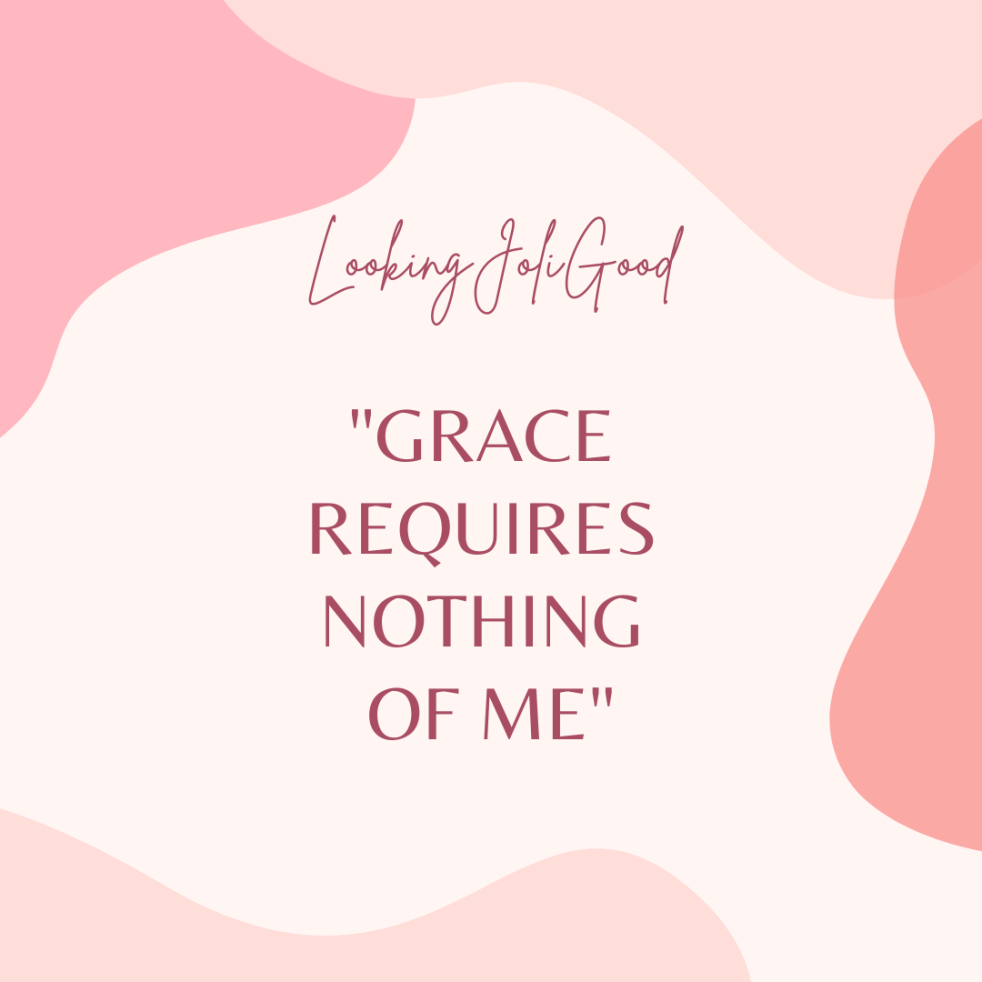
Once I stepped away from the constant messages preached about my inherent worthlessness and my desperate wickedness, a new realization took hold: the truth that grace requires nothing of me and is indeed free despite imperfections.

I have discovered that faith could exist outside the boundaries of performance. Grace, true genuine grace, requires NOTHING of me! Grace doesn’t necessitate an ongoing demonstration of worthiness. Instead, it is an invitation to embrace imperfection and growth. Grace requires nothing of me but an open heart and a willingness to embrace imperfection. The weight of striving for an unattainable perfection began to lift, replaced by a sense of freedom to simply be a flawed yet worthy human.

I will admit that I still often expect perfection from myself. That little voice in the back of my head that holds me accountable for every mistake sometimes screams at me. While I cannot instantly reprogram 40 years of thought patterns, I can, however, give myself and others grace.

The best thing that I have done is to consistently try to create an environment for my children where they are allowed to make mistakes, grow, and learn without the expectation of perfection. Of course I am biased, but in turn, they are pretty perfect.

Laura lookingjoligood.wordpress.com
Lifestyle

Desperately Wicked!? Or Covered By Grace?

Abstract/TL;DR: Growing up, I was taught to distrust my instincts and rely solely on the teachings of the church. This led to guilt and shame for my independent thinking. However, I have come to understand that this belief contradicts the teachings of a loving God. I value critical thinking and discernment, realizing that faith and reason can coexist. I recognize my capacity for both good and evil and embrace the love and grace of God despite my imperfections. I trust my instincts and have a more compassionate approach to spirituality, embracing my own worth as a beloved child of God.

There is a passage in the Bible in Jeremiah 17:9-10 (KJV) 9 The heart is deceitful above all things, and desperately wicked: who can know it? 10 I the LORD search the heart, I try the reins, even to give every man according to his ways, and according to the fruit of his doings. (We’ll discuss this a bit more later*)

Growing up, I was constantly taught that I couldn’t trust my gut instincts. I was taught that my natural inclinations were inherently sinful and wicked, and that I needed to rely solely on the teachings of the Bible and the church to navigate my life. It was ingrained in me from a young age that my thoughts, desires, and intuition were all tainted by my sinful nature, and I felt a constant burden of guilt and shame.

Finding Calm | lookingjoligood.blog

As I grew older, I possessed a strong sense of self-confidence and trust in my own abilities. However, I continually encountered the disheartening message that I was wrong for daring to think for myself. This teaching contradicted my innate belief in independent thought and individual expression. Despite my natural inclination to rely on my own judgment and listen to my gut, I was consistently told that this was misguided and unacceptable. The pressure to conform and relinquish my independent thinking weighed heavily on me, causing internal frustration.

I have come to understand that the belief that we are desperately wicked does not align with the teachings of a loving and gracious God. Throughout my spiritual journey, I have encountered various teachings that emphasize the unconditional love, forgiveness, and grace of God. These teachings have helped me recognize that I am created in the image of God and possess inherent worth and goodness.

Finding Calm | lookingjoligood.blog

I have discovered there is beauty in critical thinking and discernment. Blindly following a set of rules and doctrines without questioning them stifles growth and limits understanding of the world. I embrace the idea that faith and reason can coexist, and that my own thoughts and experiences are valuable contributions to my spiritual and personal development.

I have the capacity for both good and evil, I have learned that God’s love and grace are available to me despite my imperfections. I am not defined solely by my shortcomings or mistakes. Instead, I am encouraged to strive for moral and spiritual growth, knowing that God’s love extends to every aspect of my life.

Finding Calm | lookingjoligood.blog

Today, I firmly believe that I can trust my gut instincts and that I am not inherently wicked. I have come to understand that the Bible can be interpreted in different ways and should not be used as a tool to suppress my own inherent goodness. I have grown from the teachings that once confined me and have embraced a more compassionate approach to Theology and spirituality.

Understanding the love and grace of God has allowed me to embrace my own value and potential. It has taught me to extend compassion and forgiveness to myself and others, fostering an environment of growth, healing, and transformation in my life. I am grateful for the teachings that have shown me the true nature of God’s love and have helped me embrace my own worth as a beloved child of God.

Desperately Wicked:

From depths within, darkness did reside,
But grace’s touch, my soul it did guide.
In shadows lost, I found redemption’s embrace,
Transformed by love, in its boundless grace.

Covered By Grace:

Beneath my flaws, grace’s shelter I found,
A refuge for my soul, where love’s abound.
Released from chains, I embrace my place,
Forever encased in grace.

*Now, for those who, based off of Jeremiah 17:9-10 KJV, would like to tell me why I am wrong and actually I am wicked and inherently evil and shouldn’t be trusting my gut, let’s discuss the verses…

The heart is deceitful above all things, and desperately wicked: who can know it? 10 I the LORD search the heart, I try the reins, even to give every man according to his ways, and according to the fruit of his doings.

Let’s delve into the context of Jeremiah 17:9 to better understand its intended message. This verse has often been used as a cautionary passage to suggest that we can’t trust ourselves due to the wickedness of our hearts. However, taking a closer look, it becomes evident that Jeremiah 17:9 is more about the specific historical and spiritual context of the time, rather than a blanket statement about human nature.

Jeremiah was addressing the disobedience of the people of Judah in the midst of their impending invasion by the Babylonians. The use of hyperbolic language in Jeremiah 17:9 helps emphasize the depth of Judah’s transgressions and their departure from God’s ways. The focus here is on exposing the unfaithfulness of the nation, rather than making a broad statement about the inherent wickedness of all human hearts.

In fact, when we read further in the passage, specifically verses 7 and 8, we find that Jeremiah also highlights the blessedness of those who trust in God. This nuance suggests that not everyone’s heart is inherently deceitful and wicked. There are people whose hearts are aligned with God’s will and whose trust in Him leads to positive outcomes. (v7-8 Blessed is the man that trusteth in the Lord, and whose hope the Lord is.For he shall be as a tree planted by the waters, and that spreadeth out her roots by the river, and shall not see when heat cometh, but her leaf shall be green; and shall not be careful in the year of drought, neither shall cease from yielding fruit.)

So, interpreting Jeremiah 17:9 as a universal declaration that we can never trust ourselves or that our hearts are always evil oversimplifies the message. Instead, it’s a call to reflection on the state of one’s heart in a specific historical context and an encouragement to turn towards God’s guidance.

In essence, while there are lessons to be gleaned from this verse about the potential pitfalls of human nature, it’s important to consider the broader context and the message of hope and blessings found within Jeremiah’s writings. The verse reminds us to stay aligned with God’s will and to trust Him, while acknowledging that there are those whose hearts genuinely seek goodness and righteousness.

Laura lookingjoligood.wordpress.com

Disclaimer: The personal experiences shared in this post are based on my personal perspective. While I chose to leave the IFB to find a more gracious and loving community, it is important to acknowledge that individuals may have different experiences and find happiness within the IFB or any other religious institution. The decision to leave the IFB does not imply a loss of faith, as faith is a deeply personal and subjective matter. It is essential to respect and recognize the diversity of experiences and perspectives within religious communities. The content shared is for informational purposes only and should not be construed as professional advice, guidance, or a universal representation of the IFB or any religious organization. It is recommended to seek guidance, conduct research, and consider multiple perspectives when making personal decisions or exploring matters of faith.

Love and Life

Finding Inspiration in Setbacks and Discouragement

Abstract/TL;DR: Sometimes, the lack of immediate results can be discouraging when we’re putting in hard work. It’s in those moments of doubt and frustration that our determination is tested. However, even when progress feels slow, breakthroughs can happen unexpectedly, reminding us to keep pushing forward. Giving up is not an option, and even the smallest steps can lead to something greater. The journey toward success may be challenging, but overcoming obstacles makes the destination truly rewarding.

Sometimes, it can be a bit discouraging when I’m working hard and giving my all to something and I don’t see immediate results. No matter how hard I push myself, progress seems to crawl at a painfully slow pace or remains stagnant. Saying “Just Do It” and “Don’t Quit” is simpler than actually putting them into practice. Deciding whether to persevere or or throw in the towel and give up can be quite challenging. I’ve been learning that it’s in those moments of doubt and frustration that my determination is truly tested.

I want to share with you a personal example of overcoming a discouraging situation. I recently took an Epidemiology and Biostatistics class, and for the longest time, it felt like the material was in a completely different language. Despite the professor’s excellent explanation of the information, I struggled to grasp the concepts, it seemed like I was never going to understand. But then, one day, something amazing happened… It all clicked! Suddenly, I started to understand the intricacies of the subject, it all made perfect sense. That moment of clarity was a reminder that even when it feels like we’re getting nowhere, breakthroughs can happen when we least expect them.

It’s hard not to question whether all the hard work is even worth it, especially when the progress seems almost invisible. But I’ve come to realize that giving up is not an option. It’s in those moments of doubt and frustration that I need to remind myself why I started in the first place. The path to success isn’t always straightforward or swift, but I believe that as long as I keep pushing forward and stay resilient, even the smallest steps can lead to something greater.

lookingjoligood.blog

I would love for you to follow me on Pinterest, TwitterInstagram, and Facebook. You can find me as Looking Joli Good on all four.  I would also love to follow you on Instagram and Twitter as well, so let me know your user name in the comment section below!

Finding Faith Following Fundamentalism · Love and Life

Zero Sum Game Belief: A Paradigm Worth Challenging

Abstract/TL;DR: The zero-sum game belief is the mindset that assumes resources and opportunities are fixed, leading to a competitive and scarcity-based mentality. However, not everything is a zero-sum game, and positive-sum thinking offers a more empowering alternative. Positive-sum outcomes occur when everyone involved can benefit, and collaboration leads to innovative solutions. Overcoming the zero-sum game belief involves awareness, cultivating abundance and gratitude, adopting a growth mindset, building trust, and surrounding oneself with positive-sum thinkers. This shift in mindset can enhance decision-making, relationships, and overall outlook on life.

zero-sum game belief | lookingjoligood.blog

I wanted to share something fascinating that I recently learned and it completely changed my perspective on decision-making and how I perceive opportunities and life situations in general. It’s all about this concept called the “zero-sum game belief.”

You know how sometimes we tend to think that if someone else gains something, it automatically means that we lose out? Well, that’s what the zero-sum game belief is all about. It’s this mindset where we assume that resources are fixed, opportunities are limited, and that success for one person must come at the expense of another.

But here’s the mind-blowing part, it turns out that not everything is truly a zero-sum game. While there are situations where this dynamic exists, like in competitive sports or specific economic transactions, it doesn’t hold true for every aspect of life.

I’ve come to realize that this belief can be quite limiting. It can lead us to view everything as a competition, constantly comparing ourselves to others and feeling threatened by their successes. It creates a sense of scarcity and fosters an environment where collaboration and cooperation take a backseat. (Us vs them mindset)

There’s an alternative mindset called positive-sum thinking, and it’s incredibly empowering. Positive-sum outcomes occur when everyone involved can benefit, and the total gains surpass the total losses. It’s about recognizing that resources can be created, opportunities can be expanded, and collaboration can lead to innovative solutions that benefit all parties involved.

Let’s look at a situation from my own life that I have previously spoken about:

In my former community, there was a woman who, driven by her own struggles with competitiveness, insecurities, and social awkwardness, viewed my friendly nature and ease in social situations, among other things, as a threat. It is important to note that I, too, had my own zero-sum game mindset at that time. I saw her as competition and believed that for me to win, she had to lose. This mindset only fueled the negativity and tension between us.

Instead of embracing the opportunity to learn from one another and grow together, we both fell into a pattern of undermining each other’s confidence and trying to make the other feel inadequate. It was a toxic cycle that fed off our insecurities and created a hostile environment.

zero-sum game belief | lookingjoligood.blog

Looking back, I realize that had we both let go of our zero-sum game thinking, our interactions could have been so different. We could have supported and uplifted each other, celebrating our unique strengths and learning from our differences. We might have even been able to stay friends, finding common ground and helping each other overcome our respective struggles.

It’s a lesson I’ve learned since then, recognizing the destructiveness of a zero-sum game mindset and striving to approach relationships and interactions with a more collaborative and supportive mindset.

By embracing positive-sum thinking, we open ourselves up to a world of possibilities. Instead of feeling threatened by others’ successes, we can focus on our own growth and development. We can seek out opportunities for collaboration, tap into collective strengths, and create win-win situations.

So how do we overcome this zero-sum game belief? It starts with awareness. We need to recognize when we’re falling into that mindset and consciously challenge it. We can question the assumptions that everything is limited and that someone else’s success automatically means our failure.

zero-sum game belief | lookingjoligood.blog

We can cultivate a sense of abundance and gratitude for what we have, appreciating the opportunities available to us. Instead of seeing setbacks or challenges as failures, we can view them as opportunities for growth and learning. We can adopt a growth mindset, where we believe that our success is not dependent on someone else’s failure, but rather on our own efforts and continuous improvement.

Building trust and fostering positive relationships are also key. When we trust others and believe in their good intentions, collaboration becomes easier. We can work together, combining our strengths and expertise to achieve outcomes that benefit all parties involved.

Lastly, surrounding ourselves with people who embrace positive-sum thinking can have a profound impact. When we engage in conversations, read books, or listen to podcasts that promote a growth mindset and collaboration, it reinforces our own mindset shift. I’m really excited about this new perspective, and I believe it has the potential to enhance my decision-making, relationships, and overall outlook on life.

lookingjoligood.wordpress.com

I would love for you to follow me on InstagramTwitterPinterest, and Facebook. You can find me as Looking Joli Good on all four.

Lifestyle · Love and Life

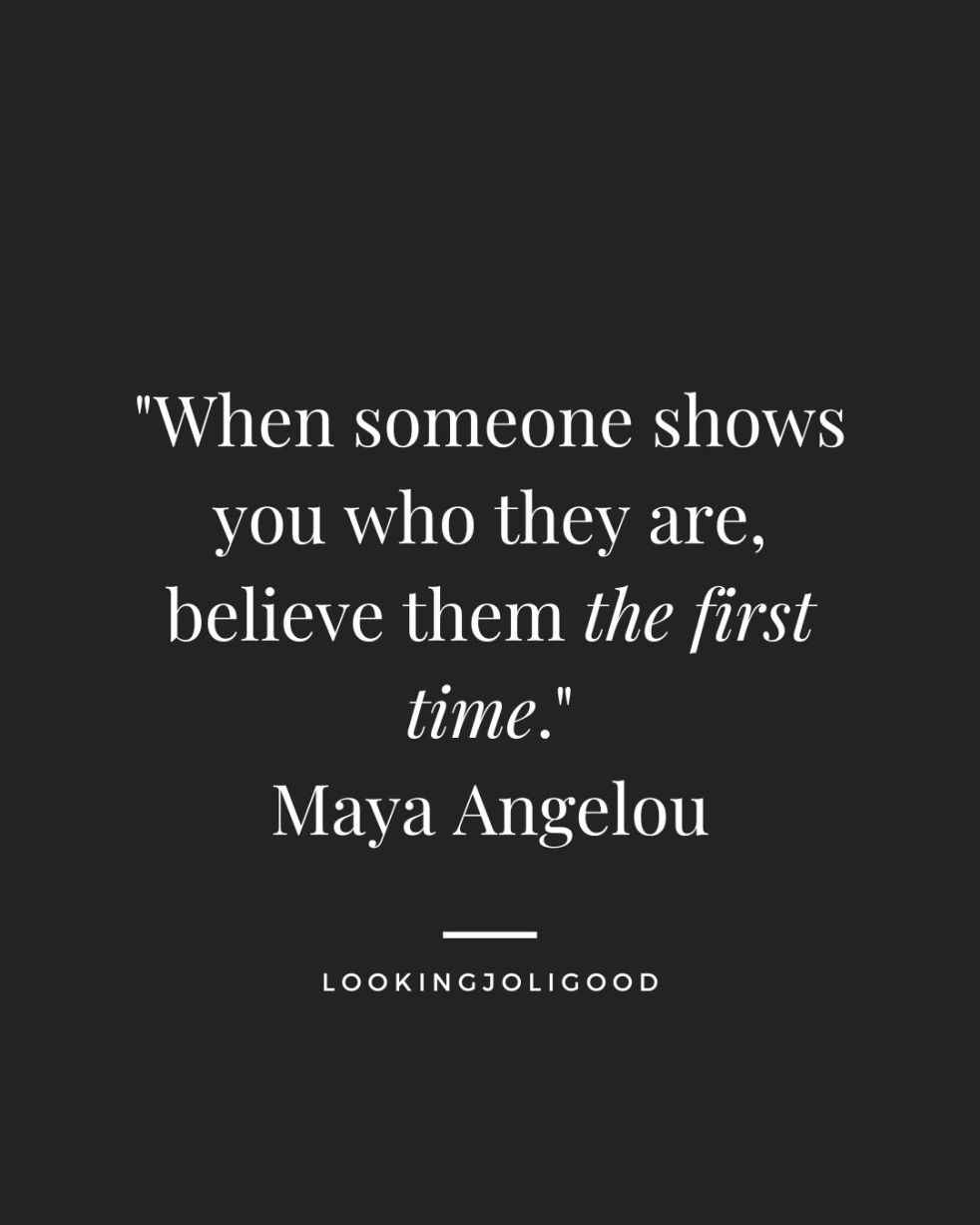
“When someone shows you who they are, believe them the first time.” How Maya Angelou Lead Me To Setting Boundaries

Maya Angelou said, “When someone shows you who they are, believe them the first time.” I am all for giving people the benefit of the doubt and giving them second chances, I’m thankful for the second chances I have been given, but if someone consistently displays negative traits or hurts us with their actions, we shouldn’t ignore the signs or make excuses for them. Trusting their true nature can save us from unnecessary pain and help us make healthier choices in our relationships.

I have had many personal experiences where I have learned the hard way about the importance of this quote. Let me share one in particular. Initially, the person I spent time with seemed genuinely nice and friendly, however, as time passed, they continuously asked more and more from me. They made requests I didn’t want to fulfill, and it seemed like they didn’t truly value my time or our friendship; it felt as though I was more of an unpaid employee than a friend. Despite their actions, I kept giving them second chances, hoping that things would eventually improve. They did not.

maya angelou | lookingjoligood.blog

Sometimes, they showed kindness and thoughtfulness, which added to the confusion. But deep down, my intuition told me something was off. Clear signs of their true nature were evident, yet I brushed them aside, believing I could handle their behaviors. While they weren’t a bad person, our priorities significantly differed. I began to feel overwhelmed whenever I knew I’d be interacting with them.

Then, something happened that was the last straw. The constant drip, drip, drip of disappointments and hurtful actions reached its peak. It was as if all the warning signs were shouting at me, urging me to believe what I had seen from the beginning. I finally realized that Maya Angelou was right all along. I had seen who they really were from the beginning, but I chose not to believe it. I kept holding onto the hope that things would change, but it wasn’t meant to be.

I must acknowledge that I wasn’t blameless in this situation. Dealing with an overwhelming amount of difficult life circumstances at the time, I’m certain I didn’t handle everything in the best way possible. My own struggles and emotions influenced how I reacted to the events around me. While it doesn’t excuse the hurtful behavior I experienced, it’s essential for me to take responsibility for my part in the dynamics of that relationship. Recognizing my own flaws and learning from those experiences has been an important step in my personal growth and in navigating healthier connections in the future.

After that experience, I learned to trust my gut and pay attention to people’s actions. I don’t rush to judge anyone, but I’ve become more cautious about who I let into my life. If someone consistently shows me that they can’t be trusted or that they don’t value our relationship, I take it seriously.

This quote from Maya Angelou serves as a reminder to respect ourselves and our feelings. It’s okay to let go of toxic relationships, even if it hurts at first. We deserve to be surrounded by people who truly care about us and show it through their actions. So, now I try my best to believe people when they show me who they are, without ignoring the warning signs. It’s a lesson I won’t forget, and it has helped me grow and find more meaningful connections in my life.

After that experience, I realized the importance of setting boundaries in my relationships. It was an important lesson I learned, and it changed the way I approached my connections with others. Setting boundaries means knowing and communicating what’s acceptable and what’s not in our relationships, and it’s essential for maintaining our well-being and self-respect.

Sometimes we end up letting ourselves get hurt and upset because we care deeply about not hurting or upsetting others. We want to be kind and avoid conflicts, so we end up putting our feelings aside. Possibly we don’t want to rock the boat and keep everything smooth and peaceful. But the thing is, holding back our emotions can take a toll on us, and we might end up feeling neglected or unimportant. Finding the courage to express how we feel without being confrontational is important for our well-being. We need to remember that our feelings matter too, and it’s okay to let others know what’s going on with us. Striking that balance between being considerate of others and taking care of ourselves is worth undertaking for healthier relationships and our own happiness.

boundaries | lookingjoligood.blog

A book that has been instrumental in helping me set healthy boundaries is incidentally called “Boundaries” written by Dr. Henry Cloud and Dr Townsend. Reading this book was absolutely an eye-opener for me. Their insights and practical advice really resonated with my own experiences, and it helped me see the importance of defining healthy limits in all aspects of my life.

The book highlights the significance of recognizing our personal limits and how it’s okay to say “no” when something doesn’t align with our values or makes us uncomfortable. It gave me the courage to put myself and my family first and prioritize my well-being without feeling guilty about it.

Learning about setting boundaries also allowed me to understand that it’s not only about protecting myself from harmful relationships but also about adopting healthier and more meaningful connections. By setting clear boundaries, I found that I could build trust and respect with the people who truly valued and understood my needs.

This book offered practical tips on how to communicate boundaries effectively and how to handle situations when others might push back. It taught me that it’s okay to stand firm in my boundaries, even if it means walking away from toxic relationships.

maya angelou | lookingjoligood.blog

Combining the wisdom from Maya Angelou’s quote, the lessons from “Boundaries,” and my own personal life experiences, I started to approach my relationships with a more confident and self-aware mindset. I’ve become better at recognizing when someone’s actions don’t align with their words, and I’m more assertive in communicating my boundaries.

Setting boundaries is not about attempting to control another person’s actions. Instead, it’s about making a conscious choice regarding what I am willing to accept concerning those actions. By establishing clear boundaries, I define the limits of what is acceptable and what is not in our relationship. It’s a way of prioritizing my own well-being and self-respect without seeking to impose my will on others. Boundaries enable me to communicate my needs and values, encouraging healthier connections and mutual understanding.

“The people who get upset when you set boundaries are the ones who benefited from you having none.” This quote emphasizes that when we establish boundaries in our relationships, especially with people who were used to taking advantage of our lack of boundaries, they might react negatively or feel upset about the change. Setting boundaries can disrupt the dynamics that allowed them to benefit from our lack of limits, and they may not be comfortable with this shift. However, despite their reaction, it’s important to prioritize your well-being and maintain healthy boundaries for ourselves.

Setting boundaries has not only improved my relationships but has also helped me grow personally. It’s empowering to know that I have control over who I let into my life and how I let them treat me. I’m grateful for the lessons learned and for the tools I gained from the book Boundaries, as they’ve been instrumental in creating healthier, more fulfilling connections with others.

Laura lookingjoligood.wordpress.com

Disclaimer: I am still a work in progress. As I navigate through life, I acknowledge that I have areas to improve, particularly when it comes to setting boundaries and trusting my instincts. I recognize that I am not perfect, and the people I interact with and build relationships with are also on their own journeys of growth and progress. As we all continue to learn and evolve, I am committed to being more self-aware and open to understanding my own limitations and flaws. My aim is to grow healthy connections, while also allowing room for understanding and compassion for both myself and others, as we each strive to become the best versions of ourselves.

boundaries | lookingjoligood.blog
Finding Faith Following Fundamentalism

Anything You Can Do I Can Do Better, I Can Do Anything Better Than You: Being Belittled By a Bragger

Abstract/TL;DR: Bragging refers to the act of constantly boasting about one’s achievements, skills, or abilities. It can leave others feeling inadequate and frustrated. Sharing out of genuine happiness is preferable to seeking validation through false humility and bragging. Excessive bragging often stems from insecurity, low self-esteem, or a constant need for validation. It can be a defense mechanism or a result of a competitive nature. Dealing with bragging requires focusing on personal growth, self-confidence, and not allowing it to define one’s worth.

We’ve all encountered them: braggers! As soon as you read the title of this post, someone likely popped into your mind. It’s challenging to genuinely celebrate someone’s joy when they incessantly brag. Authentic happiness is far more appealing than fishing for compliments through feigned humility.

bragging | lookingjoligood.blog

Being belittled by a bragger is an experience that can leave one feeling inadequate and frustrated. I’ve encountered my fair share of individuals who seem to take great pleasure in constantly boasting about their achievements, skills, “blessings,” and abilities. They always seem to find a way to make every conversation about them and their superior life. It’s as if they have an insatiable need to prove that they are better than everyone else.

It can be incredibly disheartening to be on the receiving end of relentless bragging. Their words seem to be meant to chip away at others’ self-confidence, trying to make everyone around them question their own abilities and accomplishments. Every time they showcase their successes, it feels like a direct challenge to my worth and capabilities. They thrive on comparison and revel in the feeling of superiority that comes from making others feel small.

Bragging | lookingjoligood.blog

What makes the situation even more frustrating is that these braggarts often lack the ability to see beyond their own self-centered perspective. They fail to consider that their achievements might not be the sole measure of someone’s worth or that there could be different areas where others excel. It’s a narrow-mindedness that perpetuates their need to constantly one-up those around them.

In response, I find myself torn between two conflicting emotions. On one hand, I feel a burning desire to prove them wrong, to demonstrate that I am just as capable, if not more so, in certain areas. I want to challenge their assumptions and show them that their self-proclaimed superiority is not as absolute as they believe.

On the other hand, I also recognize the futility of engaging in a never-ending competition with such individuals. Their need to constantly be on top is insatiable, and no matter what I do, they will find a way to overshadow my accomplishments. It’s like playing a game that has no winning condition, and I realize that my self-worth should not be determined by their validation or lack thereof.

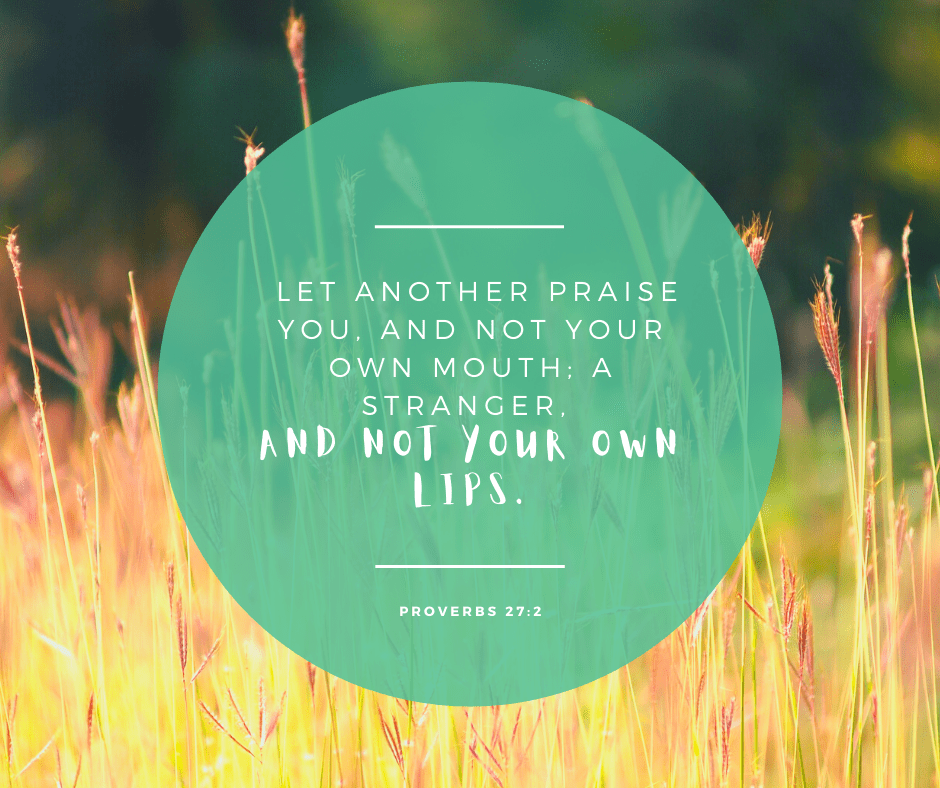
Proverbs 27:2 Let another praise you, and not your own mouth; a stranger, and not your own lips. Stop Bragging | lookingjoligood.blog

In the face of such belittlement, I try to remind myself of my own strengths and accomplishments. I focus on cultivating self-confidence and finding satisfaction in my own progress, rather than seeking external validation. I refuse to allow their bragging to define my worth or make me question my abilities. I use their bragging as a reminder to look for an opportunity to be an encouragement to those around me, to make others feel validated and important.

Excessive bragging often stems from underlying insecurities, low self-esteem, or a constant need for validation. Individuals who engage in constant bragging may use it as a defense mechanism to mask their deep-rooted fears of inadequacy. They may struggle to empathize with others, focusing solely on promoting their own achievements. Furthermore, a competitive nature and the belief that life is a constant competition can also contribute to the compulsion to brag. Addressing this behavior requires self-reflection, developing genuine self-confidence, and learning to appreciate others’ accomplishments without feeling threatened.

At the end of the day, being belittled by a bragger is an unfortunate part of life. It’s an encounter with individuals who find joy in tearing others down to elevate themselves. But by staying true to my own values, focusing on personal growth, and not succumbing to their need for comparison, even though it is not easy I can rise above their attempts to diminish me. I need to remind myself that my worth is not determined by their words and that I am capable of achieving great things on my own whether I brag about them or not.

lookingjoligood.blog

Just a few quoted wise words about bragging:

“The most beautiful women I have known had one thing in common apart from beauty: humility. It’s a shame that those with less to boast about do it the most.”
― Donna Lynn Hope

“A good deed is not a good deed if you brag about it”
― Jeffrey Bernardo Copiaco

“If roses could talk, they would not boast of their beauty, because they know that they have always been beautiful.”
― Michael Bassey Johnson, Song of a Nature Lover

“A session of boasting won’t attract any real friends.  It will set you up on a pedestal, however, making you a clearer target.”
― Richelle E. Goodrich

“When you flaunt your success, you’re setting yourself up for ridicule. Things can always go wrong. Your career stalls, fancy cars get repossessed, you lose your home. Unfortunate events magnified by your shameless boasting. Nothing in life is foolproof. The only thing bragging will accomplish is prove you’re the fool.”
― Carlos Wallace

“Some of the people who are showing off their speed are headed in the wrong direction.”
― Mokokoma Mokhonoana

Here are some “wise” words from the king of bragging himself Donald Trump “I know words. I have the best words.”

Finding Faith Following Fundamentalism

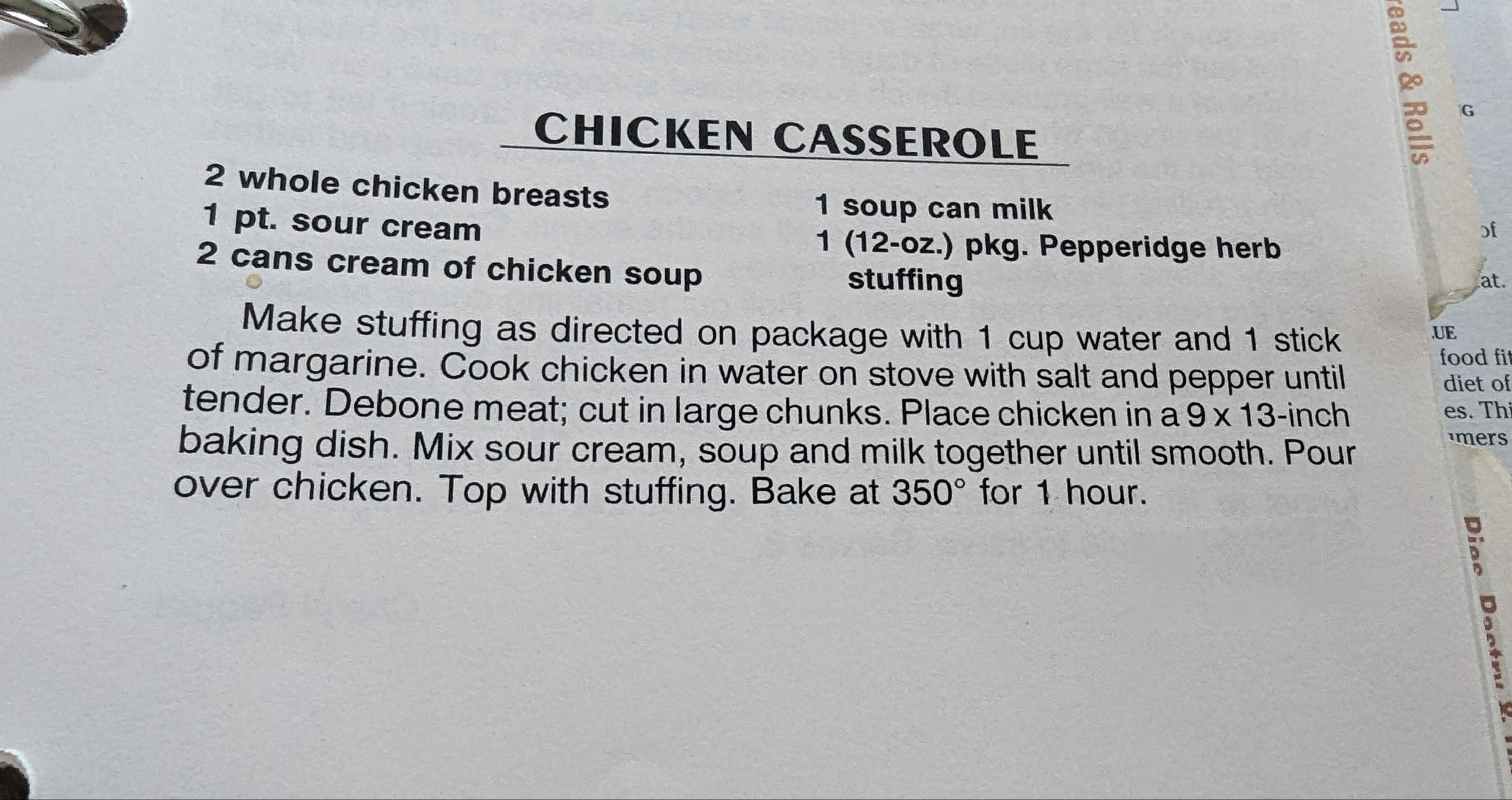
Taste and See…Memories of Chicken Casserole

During a recent family gathering, we were discussing one of my favorite topics: food! I reminisced about a delicious casserole I remember enjoying when I was younger. My Mom chimed in, mentioning that the recipe for that dish was actually included in the cookbook published by my former church. I had completely forgotten about the cookbook! (I will include the recipe that I was talking about below)

A couple of days later, I found myself at my parents’ house, flipping through the pages of the cookbook. I have to admit that I was not ready for the mix of emotions that it brought. As I turned the pages, I couldn’t help but feel a rush of memories flooding back. The familiar names of people I had known during my time growing up there filled the pages, and it was a bittersweet reminder of the connections I once had.

taste and see cookbook | lookingjoligood.blog

The cookbook was compiled and printed during a time in my life that I have mostly only fond memories of my former church and the people who attended at the time. It was a time where youth, naivety, and genuine respect for the kind and authentic leadership kept me from seeing any flaws in the doctrines and teachings.

Seeing those names, some of which I hadn’t thought about in years, was like reconnecting with old friends. Each name represented a face, a story, and a shared experience within the church community. It was a poignant reminder that despite the challenges and complexities of that time, there were genuine relationships that once held significant meaning in my life. (I remember eating many of the items in the cookbook at get togethers, dinners at friends’ houses, and church potlucks.)

But along with the warmth of recognition came a tinge of sadness. Looking at those names also reminded me of the distance that had grown between us. Leaving the church had naturally led to a gradual fading of those connections. It was a reminder that life moves forward, and paths diverge as we each go on our own separate ways.

The cookbook itself is a tangible link to a past that I had both embraced and outgrown. It held recipes and memories, but it also held the echoes of doctrines and beliefs that no longer aligned with my perspective. It was a snapshot of a different time, a world I had inhabited with a mix of joy and uncertainty.

As I closed the cookbook, I felt a sense of closure and gratitude. It was a chapter of my life that had shaped me in profound ways, but it was also a chapter that I had the courage to close. The emotions that surfaced while perusing those pages were a testament to the complexity of human experience—the intertwining of nostalgia, growth, and the resilience to move forward.

While the cookbook held more than just recipes, it is a reminder that even in the midst of change, there’s a thread of continuity that weaves through our lives. The bittersweet blend of recognition and separation highlighted that life is marked by both letting go and holding onto what truly matters.

Laura lookingjoligood.wordpress.com

CHICKEN CASSEROLE

2 whole chicken breasts

1 pt. sour cream

soup can milk

2 cans cream of chicken soup

1 (12-oz.) pkg. Pepperidge herb stuffing

Make stuffing as directed on package with 1 cup water and 1 stick of margarine. Cook chicken in water on stove with salt and pepper until tender. Debone meat; cut in large chunks. Place chicken in a 9 x 13-inch baking dish. Mix sour cream, soup and milk together until smooth. Pour over chicken. Top with stuffing. Bake at 350° for 1 hour.

Chicken Casserole | lookingjoligood.blog
Finding Faith Following Fundamentalism · Love and Life

A Lightbulb Moment: Do Not Let Others Diminish Your Worth, Refusing to Accept Projected Negativity.

TL;DR: When someone offers you a gift and you choose not to accept it, the gift remains with the giver. Similarly, when someone tries to bring you down with their negativity and you don’t allow it to affect you, their negativity remains theirs. By refusing to internalize their toxic energy, you retain control over your emotions and maintain your self-worth. Taking responsibility for our own behavior and creating a positive space is essential in dealing with destructive emotions like jealousy and fostering unity and trust.

I recently had a significant realization, a true lightbulb moment, and I’m excited to share it with you! It’s something I’ve learned that has made a profound impact on me: When someone gives you a gift and you choose not to accept it, the gift still belongs to the person who offered it. By declining the gift, you are indicating that you do not wish to possess or take ownership of it. Therefore, the gift remains the property of the giver unless they decide to offer it to someone else or take it back.

The same is true when someone tries to bring you down with their negativity and you don’t allow it to affect you, the impact and ownership of their negativity remain with them. By refusing to internalize their negative words or actions, you are essentially declining to accept their toxic energy. Just like the unaccepted gift, their negativity continues to belong to them. It doesn’t become a part of you or define your worth. Instead, they are left holding onto their own negativity, while you retain control over your own emotions and maintain a sense of self-worth independent of their attempts to bring you down.

light bulb moment | lookingjoligood.blog

Let me share an example from my own life as I understand the situation. In my former community, there was a woman who, driven by her own struggles with competitiveness, insecurities, and social awkwardness, viewed my friendly nature and ease in social situations, along with other things, as a threat. In response, she attempted to undermine my confidence and make me feel inadequate for possessing these positive qualities that came naturally to me.

While I was initially unaware of her feelings, unfortunately, her jealousy began to seep into her interactions with me and she also actively attempted to negatively alter others’ perception of me. This occurred during a particularly rough period of my life, reflecting on that challenging time, I must honestly admit that I didn’t respond with the maturity and kindness that I should have. I have to take ownership of my own shortcomings in this situation. However, as I look back, I realize that had I simply refused to internalize her attempts to make me feel bad about myself, she alone would have been left with the negativity she intended to impose on me.

Looking back with this new perspective, had I rejected their toxic energy, and maintained control over my emotions and preserve my sense of self-worth I could have saved myself a lot of heartache and frustration. This experience sheds light on the destructive nature of jealousy, revealing its ability to erode unity and trust among peers.It’s important for me to remember that I am not responsible for the negative actions of others. However, I recognize the need to take responsibility for my own behavior and contribute to establishing a positive space for myself and those around me.

Disclaimer: It is important to understand that hurt people often have a tendency to hurt others. While this statement provides some insight into certain behaviors, it does not excuse or justify any form of harm inflicted upon others. It serves as a reminder to approach individuals with compassion and empathy, recognizing that their actions may stem from their own unresolved pain and struggles. Nonetheless, it is crucial to prioritize the well-being and safety of oneself and others, promoting healing and fostering healthy relationships.

Laura lookingjoligood.wordpress.com
Finding Faith Following Fundamentalism · Lifestyle

But They Have Never Treated Me Like That…

Where is the love | Lookingjoligood.blog

I started writing this post over four years ago… At the time I was upset and hurt by things happening in my personal life and in my church community. At the time I was conflicted by the discrepancy between church leaders preaching one thing and practicing another. I found myself frustrated and constantly asking Where is the Love?!

Because of various situations and circumstances in my life, I didn’t feel the freedom to honestly express my thoughts and feelings. As a result, this post remained in my drafts. Although this post doesn’t entirely resemble what I began writing four years ago, that is actually a positive change. Back then, my emotions were raw, and my perspective was clouded by the challenges and uncertainties I was facing. I remember the frustration and hurt that seeped into my words, driven by my pain and struggles. A lot has changed for me in the last few years and I no longer feel restricted or held back.

Growing up my church experience was largely shaped by my parents’ unwavering commitment to both God and the church community. Their genuine dedication and eagerness to serve meant that I was always right in the heart of everything that was happening within the church. From events to meetings and all the meaningful moments in between, I found myself on the “inside,” privy to the happenings and closely connected to the pulse of the church.

It wasn’t until a significant turn of events much later in my life that truly changed my perspective. Without going into too many details, there came a point when I found myself in a situation where I experienced a falling out with the wife of one of the church leaders. This shift marked a defining moment for me, as it was during this time that I suddenly understood what it felt like to be on the “outside” looking in.

The experience opened my eyes to a whole new side of church dynamics that I had never truly comprehended before. Suddenly, I began to sense the subtle divides and the complex relationships that often lie beneath the surface. I noticed that I was being shut out, information was being withheld as if I couldn’t be trusted, and I was purposefully being left out of discussions I had once been a part of. This newfound vantage point allowed me to grasp the nuances of how cliques can inadvertently form and how certain dynamics can shape the sense of belonging within a community.

While I found myself in a situation where my own place and standing had undergone a significant shift, what truly opened my eyes was realizing that others had been experiencing similar treatment and feelings all along.

There were people who, despite their dedication and commitment, had silently battled with a sense of not fully belonging. They had faced barriers to connection that were beyond their control, and this had been their reality for much longer than my own temporary experience. It was humbling to recognize that my brief stint on the outside had given me just a taste of what these people had been enduring for a long time.

In an unexpected way, this experience of being on the outside provided me with a valuable lesson in empathy and understanding. It taught me the importance of being inclusive and welcoming, making sure that others don’t feel left out or isolated. It was a reminder that even within the walls of a church, where we seek connection and unity, there’s still room to grow in how we relate to one another and ensure that everyone feels a sense of belonging.

This experience urged me to be an advocate for encouraging a more open and inclusive environment within the church community. It motivated me to stand up for those who may have felt their voices weren’t heard or their presence wasn’t fully acknowledged. The wisdom gained from this eye-opening revelation has become a guiding force in how I approach relationships and interactions, not only within the church but in all aspects of my life.

In conclusion, now I can look back and I’m thankful for this experience. Not only did it open my eyes to the way others might be feeling, but it also served as a catalyst to initiate my departure from the IFB.

Laura lookingjoligood.wordpress.com

If you would like to read more about my choice to find faith following fundamentalism click HERE. To read more about how I learned the benefits of waiting to speak from the scar instead of the wound click HERE. I have found the answer to Where is the Love, you can too by clicking HERE. Do you want to know why I have been adding disclaimers to my posts? You can read about that by clicking HERE.

Disclaimer: The personal experiences shared in this post are based on my personal perspective. I want to acknowledge that I am on a continuous journey of growth and self-improvement. I am aware that I don’t always respond or behave in the perfect way, as I am only human. However, I hold firm to the belief that treating people with kindness and respect is of utmost importance. While I may stumble along the way, my intention is always rooted in creating positive interactions and demonstrating consideration for others. While I chose to leave the IFB to find a more gracious and loving community, it is important to acknowledge that individuals may have different experiences and find happiness within the IFB or any other religious institution. The decision to leave the IFB does not imply a loss of faith, as faith is a deeply personal and subjective matter.

Finding Faith Following Fundamentalism

Does It Ever Get Easier? Do Time and Distance Make a Difference?

Abstract/TL:DR:Over time and with some distance from difficult situations, I’ve personally found that things do get easier. The weight of emotions lessens, and healing begins. Stepping away physically and emotionally gaining perspective plays a crucial role in finding relief and strength. While everyone’s situation is unique, the saying “it gets easier with time and distance” holds some truth. So, embrace the process, take it one step at a time, and know that healing and growth are possible.

astronomical clock in prague | lookingjoligoo.blog

I’ve found that as time passes and I put some distance between myself and difficult situations, things really do start to get easier. It’s like the weight of those emotions slowly lessens, and I begin to see things in a new light. When I was going through heartbreak or tough times, it felt like I’d never be able to move on or find peace. But with each passing day, the pain seemed to lose its sharpness, and I started to heal.

Sometimes, all it took was physically stepping away from a situation or person that was causing me distress. Getting some space allowed me to clear my head and gain a fresh perspective. And you know what? That made a world of difference. I realized that the intensity of my emotions had been clouding my judgment and hindering my ability to see a way out.

But it’s not just about physical distance; emotional distance plays a significant role too! As I gradually processed my feelings, I could begin to detach myself from the immediate emotional impact. It isn’t easy, and I have to be intentional about it, but I have learned to take a step back and gain a more objective outlook on things. And with time, that emotional distance allowed me to find healing and a sense of inner strength.There are still times where I struggle and fall back into old ways of feeling and thinking, but as time passes those times of recession occur less often.

While time and distance aid in healing wounds, they do not minimize the fact that their was hurt; they simply make it more manageable. Of course, everyone’s journey is different, and healing is a unique process for each person. But from my own experience, I can say that the saying “it gets easier with time and distance” does hold some truth. When I’m in the midst of a difficult situation, it’s sometimes hard to believe that things will ever improve. But looking back on my life, I can see how I’ve grown and overcome challenges, and that gives me hope for the future.

So, to anyone going through a tough time right now, I want to say that it may not feel like it at this moment, but eventually, you’ll find your way through. Take it one step at a time, and remember that healing and growth are possible. With time and a bit of distance, you might just surprise yourself with the strength and resilience you’ll discover that you have.

Laura lookingjoligood.wordpress.com

Disclaimer: While I firmly believe that it gets easier with time and distance, I want to emphasize that I am still growing and working on myself. I don’t have all the answers, but I am trying my best to learn and evolve. The sentiment I expressed about things becoming more manageable with time is based on my personal experiences up until now. I hope that in the future I can use what I have been learning to help me deal with tough situations in a mature and healthy way.