Finding Faith Following Fundamentalism

No, Seriously, You Actually Can Trust Yourself and You Are NOT Desperately Wicked For Doing So

“The heart is deceitful above all things, and desperately wicked: who can know it?”Jeremiah 17:9 (KJV)

This verse is commonly quoted in high-control religious environments to discourage trust in one’s own feelings, thoughts, or intuition. It’s often used to justify external control or authority, implying that people must not trust themselves and must instead rely entirely on religious leaders or teachings.

For much of my life, I wanted to trust myself. I longed to believe that my instincts, my thoughts, and my judgment were worthy of trust. But growing up in a high-demand religious environment, I was constantly told otherwise. I was taught that my heart was “desperately wicked,” that my desires and feelings were unreliable, and that the only path to righteousness was through unquestioning submission to external authority. I was taught to doubt myself, to suppress my own intuition in favor of what others dictated, and to believe that my worth was defined not by my own choices but by how well I adhered to a prescribed set of rules. It wasn’t just that I couldn’t trust myself; I was made to believe that to do so was wrong.

Slowly, quietly, and often painfully, I began to unlearn that lie. And in its place, a simple but radical truth emerged: I can trust myself.

Learning to trust myself didn’t happen overnight. It came with listening to the gut feelings I chose to honor, boundaries I dared to set, emotions I allowed myself to feel without shame. At first, it felt like betrayal. I had been conditioned to believe that to trust myself was to rebel against God, authority, or tradition. But I began to see that trusting myself was not an act of defiance, it was an act of integrity.

To trust myself is to believe that I am capable of making good decisions, even if they don’t look like what others expect. It’s believing that I know when something isn’t right, even if I can’t explain it in a way that satisfies everyone. It’s allowing myself to change, to grow, to evolve, even when others prefer the version of me that was easier to control.

Trusting myself means recognizing that my intuition is not a liability, it’s a compass. That my needs are not inconveniences, they’re signals. That my story matters, not just the polished version, but the messy, honest, human one.

I no longer outsource my truth to people who think they know me better than I know myself. I am not perfect, and I will make mistakes, but that doesn’t mean I’m untrustworthy. It means I’m human. And the more I’ve learned to listen to my own voice, the more I’ve discovered that it was never trying to lead me astray, it was trying to lead me home.

When a pastor or spiritual leader consistently uses your “heart is deceitful and desperately wicked” as a tool to discourage self-trust, question your instincts, or dismiss your emotions, that’s spiritual manipulation, not biblical teaching in good faith.

If every thought, emotion, or gut feeling is immediately suspect, then there’s no room for spiritual maturity or emotional intelligence to develop. Healthy spiritual leaders encourage you to grow in discernment and critical thinking, not silence your voice in the name of obedience. Even Scripture affirms the need to “test the spirits” (1 John 4:1) and that wisdom is available to those who ask (James 1:5). If a pastor discourages testing his spirit, if questioning him is equated with rebellion, that’s a red flag.

A spiritual leader who uses this verse repeatedly to shut down questions or enforce conformity is saying, “You can’t trust yourself, only me.” That’s not biblical authority, that’s authoritarianism.

Believing that your inner voice is inherently wicked can severely damage your relationship with both yourself and God. You may begin to mistrust your own experiences, dismiss legitimate concerns, and remain in harmful situations because you’ve been taught to confuse control with care. Over time, this mindset erodes your ability to distinguish between the voice of God and the voice of whoever claims to speak on His behalf, leaving you spiritually disoriented and emotionally disconnected.

When we are taught to distrust our own hearts, we are not being protected, we are being controlled. True spiritual growth does not come from silencing ourselves in fear, but from learning to discern wisely and walk in truth. A healthy relationship with God invites self-awareness, honesty, and the courage to listen inwardly with grace, not suspicion. Reclaiming trust in ourselves is not rebellion, it’s restoration. It’s the beginning of a faith that is lived, not imposed.

Laura lookingjoligood.wordpress.com

The heart is deceitful above all things, and desperately wicked: who can know it?
Jeremiah 17:9 (KJV)

This verse is frequently quoted in isolation. But when we look at the historical and literary context, we gain a clearer understanding of what it’s actually addressing. A healthier interpretation might say, “You can learn to trust yourself while also practicing discernment.”
If you are interested in learning more about what I have discovered about the historical and literary context you can check out this post from September 2023 by clicking HERE or below

Disclaimer: The personal experiences shared in this post are based on my personal perspective. While I chose to leave the IFB to find a more gracious and loving community, it is important to acknowledge that individuals may have different experiences and find happiness within the IFB or any other religious institution. The decision to leave the IFB does not imply a loss of faith, as faith is a deeply personal and subjective matter. It is essential to respect and recognize the diversity of experiences and perspectives within religious communities. The content shared is for informational purposes only and should not be construed as professional advice, guidance, or a universal representation of the IFB or any religious organization. It is recommended to seek guidance, conduct research, and consider multiple perspectives when making personal decisions or exploring matters of faith.


Finding Faith Following Fundamentalism

Just Because It Is Said About You Doesn’t Mean It Is True

There is a quiet kind of violence in the words people speak about us. Sometimes it’s loud and obvious, labels hurled in anger or judgment. Other times, it’s subtle, passive-aggressive, cloaked in concern or advice, spoken from pulpits, whispered in passing, or passed down like family heirlooms. “You’re rebellious.” “You’re too sensitive.” “You’re not enough.” or sometimes it is that “You’re too much.” Over time, their words echo in the back of our minds, growing louder than our own thoughts, making it hard to determine what is true. But here’s the truth: just because it’s said about me doesn’t mean it’s true.

journaling  | lookingjoligood.blog

For those of us who grew up in high-control environments, whether religious, cultural, or familial, this lesson is hard-won. When your worth has been measured by how well you fit someone else’s mold, it’s easy to believe that their version of you is the only one that counts. It takes time, distance, and often a great deal of pain to realize that the stories others tell about you are not always rooted in truth, they’re rooted in their expectations, their fears, and quite often their need for control.

They may say I’m difficult because I ask questions. That doesn’t make it true.
They may say I’m ungodly because I left their version of faith. That doesn’t make it true.
They may say I’m demanding because I no longer let them manipulate me. That doesn’t make it true.
They may say I’m broken because I no longer perform the role they assigned me. That doesn’t make it true.

We do not owe our identity to those who benefit from our silence or compliance. And we are not required to carry the weight of someone else’s narrative simply because they say it with confidence or authority. Freedom comes when we stop handing people the pen and start writing our own story.

This is not about defiance for the sake of defiance. It’s about discernment, learning to recognize which voices are worth listening to and which ones were never speaking in love to begin with. It’s about drawing a sacred boundary around our worth and saying, “You don’t get to define me just because you’re louder.”

The more I shed the labels others gave me, the more clearly I see who I actually am. I am curious, compassionate, resilient, thoughtful, brave, and yes, still growing. But most importantly, I am who I say I am. I get to decide what is true about me.

Laura lookingjoligood.wordpress.com
Lifestyle

When Passion Replaces Pressure: Finding Peace in Public Health

public health

For the last several years I have been slowly working on getting my Masters of Science in Nursing, Public Health Nursing. As I approach the finish line, I’m excited to begin the next chapter of my nursing career in public health.

For much of my career as a nurse, I’ve been known as someone who is confident, composed, and capable. On the surface, I appeared to handle challenges with ease, but underneath that exterior, I was often battling high-functioning anxiety. This form of anxiety is particularly deceptive, it hides behind achievements, perfectionism, and tireless effort. I was constantly overanalyzing situations, over preparing far beyond what was necessary, and pushing myself to meet unrealistic internal standards. While this helped me succeed in many ways, it also left me emotionally drained and in a constant state of tension.

chaos to calm

I love being a nurse and helping people. I loved taking care of cancer patients and found studying oncology so interesting, but so many other aspects of nursing gave me constant inner turmoil! What changed everything for me was discovering my niche in public health. For the first time, I felt like I belonged! The intense pressure I had felt for so long began to ease, not because the workload decreased, but because my mindset shifted. I was no longer working to prove something or to stave off a fear of failure. Instead, I was driven by curiosity, a desire to learn, and a genuine excitement about making a difference.

Interestingly, I still over-prepare. That part of me hasn’t changed. But what has changed is the reason behind it. My efforts now come from a place of passion rather than pressure. This new headspace is not exhausting, it’s energizing. I no longer feel like I’m in a race against my own doubts. Instead, I feel grounded, motivated, and grateful to be doing work that matters to me.

Looking back, I realize how easy it is to mistake high-functioning anxiety for ambition. But true fulfillment doesn’t come from constant striving, it comes from finding your place and embracing it with your whole heart. Public health has given me that, and I’ve never felt more at peace with my career or with myself.

Laura lookingjoligood.wordpress.com
Finding Faith Following Fundamentalism

Never Enough…

For as long as I can remember, the message was clear, be more, do more, give more. And yet, no matter how much I did, it was never quite right, never enough. This phrase “never enough” echoed quietly beneath the surface of my life, a constant hum in the background of my thoughts, my choices, my identity. It took years before I realized that I had internalized a system that thrived on my inadequacy.

Growing up in an environment that prized perfection cloaked in piety, I learned early that love and acceptance were conditional. In church, the sermons urged us to be holy, to be separate, to be pure. Any failure to meet these expectations was met with disappointment or worse, silence. I didn’t question it. It was just the way things were. I just kept trying to be better, to be good enough.

I tried to be the best, the best Christian, the best example. I led Bible studies, dressed modestly, try to avoid anything deemed “worldly,” and offered apologies before anyone had a chance to be upset. Whenever I engaged in “worldly” activities like watching movies or listening to secular music, I was overwhelmed with guilt, not just because I was letting down my parents or church leaders, but because I believed I was disappointing Jesus Himself. No matter how holy I tried to be the target always moved. If I met one expectation, another would arise. It was as though the rules were designed for the goal to be just out of reach. If I were thinner, quieter, more agreeable, more submissive, then maybe I would be enough. But I never was.

The heartbreaking thing about being stuck in this cycle is that it doesn’t ask you to improve for your own growth or joy, it asks you to shrink. The more I conformed, the less of myself I became. I began to doubt my own instincts. I didn’t voice my opinions and when I did I saw the disapproving looks on the faces of those around me. I knew what I liked and wanted, only to feel I should avoid or suppress them. I lived in fear of disappointing people whose approval I was taught to need in order to be loved, not just loved by them, but loved and accepted by God.

It took years of unlearning to realize that “never enough” wasn’t the truth. It was a tool, one used to control, to manipulate, to keep people (especially women) small and dependent. It kept me chasing validation from systems and people who had no intention of ever giving it. Because if I ever did feel like I was enough, I might stop complying. I might stop serving. I might stop performing. I might realize that I didn’t need them.

Healing means reclaiming the parts of myself I was told to cut away. It means understanding that my worth isn’t rooted in how well I follow someone else’s script. It means saying no without guilt and resting without shame. Most importantly, it means rejecting the lie that I am only as valuable as my church attendance and performance.

“Never enough” was never the truth. I am enough, not because of what I do or how I appear, but because I exist. And that is finally enough for me.

Laura lookingjoligood.wordpress.com

Grace costs nothing and requires nothing of me!

Lifestyle

Why Do People Vote Against Their Best Interest?

I won’t hide the fact that I am struggling to come to terms with the results of the 2024 election, which did not go the way I expected. However, I am a firm believer in voting, democracy, and free and fair elections. Because of that belief, I must accept the outcome. But accepting it doesn’t mean I have to like it.

Since November 5th, one question has been on my mind repeatedly:

Historically Why Do People Vote Against Their Best Interests?

While I don’t claim to have all the answers or fully understand it myself, here is what I’ve concluded about why people vote the way they do. But first a disclaimer…

disclaimer | lookingjoligood.blog

Disclaimer: The opinions expressed here are my own. Since I live in a free country with the right to free speech, I am entitled to share my perspective, just as those who disagree with me or vote differently are entitled to theirs. What I consider to be my own best interest may be entirely different from what someone else considers to be theirs. Political beliefs and priorities are deeply personal and shaped by a variety of factors, and this diversity of thought is a cornerstone of democracy.

vote | lookingjoligood.blog

Throughout history, individuals and groups have often cast votes that appear to conflict with their own economic, social, or personal well-being. While it might seem counterintuitive, voting against perceived best interests is a complex phenomenon influenced by a range of factors, including misinformation, economic anxiety, cultural values, and identity politics. Understanding these factors provides insight into the motivations and behaviors that drive electoral outcomes.

Misinformation and Disinformation

One significant reason people vote against their interests is exposure to misinformation or disinformation. In an era where information is readily accessible, false or misleading narratives can spread quickly through social media, partisan news outlets, and word of mouth. When voters make decisions based on inaccurate information about candidates, policies, or their potential impacts, their choices may inadvertently harm their own interests. For example, during elections, certain campaigns might exaggerate the benefits of policies or obscure their potential drawbacks, leading to uninformed decision-making.

Economic Anxiety

vote | lookingjoligood.blog

Economic instability and uncertainty often make voters more susceptible to rhetoric that appeals to their immediate fears rather than long-term interests. Populist and nationalist candidates, for instance, may promise quick fixes to economic woes, such as job creation through protectionist policies, even if these measures ultimately harm broader economic stability. This phenomenon is especially pronounced during periods of recession or financial crisis, where the allure of immediate relief overshadows more sustainable but less emotionally resonant solutions.

Social and Cultural Priorities

For many voters, social and cultural issues take precedence over economic considerations. Questions of morality, identity, and cultural preservation can shape voting behavior more powerfully than financial concerns. For instance, voters may prioritize policies on issues such as abortion, gun rights, or immigration, even if those policies have no direct economic benefit or potentially disadvantage them. This prioritization highlights how values and identity play a critical role in electoral decision-making.

Party Loyalty

vote | lookingjoligood.blog

Strong allegiance to a political party can also lead individuals to vote in ways that diverge from their own interests. Partisan loyalty often acts as a heuristic, simplifying the decision-making process by aligning voters with candidates from their preferred party, regardless of the candidates’ specific platforms. This phenomenon can be observed when voters consistently support their party’s candidates even when those candidates’ policies contradict their personal or economic interests. Such behavior underscores the emotional and psychological bonds voters form with their political affiliations.

Lack of Information or Engagement

Political disengagement and a lack of information also contribute to voters’ choices. Some individuals may not fully understand the implications of policies or how government decisions affect their lives. Others may feel alienated from the political process or believe that their vote does not matter, leading them to make choices based on limited knowledge or to abstain from voting entirely. This disengagement can result in electoral outcomes that fail to reflect the true interests of the electorate. Your vote does matter!!!

Moral Values and Racial Identity

vote | lookingjoligood.blog

As political scientist Thomas Frank argues, wealthier voters often treat moral values as “luxury goods,” emphasizing social issues over material concerns. This polarization has influenced political discourse, shifting focus from economic inequality to cultural battles. For lower-income voters, this dynamic can create a difficult choice: support policies aligned with their moral beliefs or prioritize their economic well-being. Similarly, racial and cultural identities often play a pivotal role in shaping voting behavior. For instance, working-class voters may support policies that reinforce cultural narratives or racial hierarchies, even when those policies undermine their economic interests.

The Influence of Religious and Market Fundamentalism

In the United States, fundamentalist beliefs in religion and the free market shape voting patterns in unique ways. Many voters support candidates who advocate for deregulation and limited government intervention, driven by a belief in individualism and market efficiency. This ideological commitment often overrides practical considerations, such as access to healthcare or social safety nets, that might otherwise align with their economic interests.

Conclusion

The decision to vote against one’s best interests is often influenced by a combination of misinformation, emotional appeals, identity politics, and ideological commitments. Recognizing these factors is important for understanding voter behavior and creating a more informed electorate. Addressing the root causes, such as improving access to accurate information and encouraging civic engagement, can empower voters to make decisions that align more closely with their long-term interests and societal well-being.

protest | lookingjoligood.blog

I have a feeling there have been times when I’ve voted against my own best interests, whether out of misunderstanding or lack of information. However, I firmly believe that when we know better, we have a responsibility to do better. With that in mind, I’ve been making a conscious effort to educate myself, not only to become a more informed voter but also to be a more engaged and thoughtful citizen.

Here’s to four years of doing our best to stay safe, sane, and supportive of one another. Whether or not we agree politically, we’re all in this together, and we share a common hope for a brighter future.

God bless the USA.

Laura lookingjoligood.wordpress.com

Resources:

[1] https://inthesetimes.com/article/the-elite-vote-against-their-interests-too-democrats-republicans

[2]https://doi.org/10.1525/california/9780520293298.003.0007

[3] https://www.youtube.com/watch?v=A-D2HXpYUcs

[4] https://www.youtube.com/watch?v=YjNWRi-HjlQ

[5] https://mediahub.unl.edu/media/8546

[6] https://www.politico.com/magazine/story/2017/12/31/trump-white-working-class-history-216200

[7] https://www.psychologytoday.com/us/blog/cutting-edge-leadership/201712/why-do-people-vote-against-their-best-interests

Finding Faith Following Fundamentalism · Health/ Fitness

A Quiet Hunger

The Connection Between High Control Religion and Women’s Disordered Eating
fitness tracker | lookingjoligood.blog

The new year often brings a surge of pressure to start dieting, driven by societal expectations and resolutions promising transformation. This focus on weight loss as a marker of success can overshadow the importance of mental and physical well-being, turning food into a source of stress rather than nourishment. While there is nothing wrong with wanting to be healthier and lose weight, dieting often stems from external pressures rather than personal health goals, leading to unsustainable habits and frustration. I have experienced this struggle in my own life.

The Independent Fundamental Baptist (IFB) church wasn’t just a place where I worshipped, it shaped how I saw the world, how I understood my role in it, and most critically, how I viewed myself. For years, I didn’t realize how much the environment I grew up in influenced my relationship with food, exercise, my body, and my self-worth. It’s only after stepping away that I’ve begun to connect the dots between the rigid expectations of the IFB and the subtle, yet pervasive, way they contributed to the disordered eating in my life and the lives of other women like me.

New Year New You | lookingjoligood.blog

At first glance, it might not seem obvious how a religious community could fuel something like disordered eating. After all, the IFB didn’t preach diet plans from the pulpit or hand out weight-loss flyers during Sunday school. But what they did preach, and what they didn’t say, set the stage for a culture where women’s bodies were constantly under scrutiny, both explicitly and implicitly (1 Timothy 2:9-15 and 1 Peter 3:3-4). Messages about modesty, self-denial, and submission created an atmosphere where controlling one’s body became an act of spiritual devotion and self-worth often felt tied to outward appearance (Romans 12:1-2 and 2 Corinthians 10:5).

Modesty was a cornerstone of my upbringing. Women were taught to cover their bodies to avoid being a “stumbling block” for men (Luke 17:1-2, Romans 14:13, Ezekiel 14:3-7). Hemlines and necklines were policed with precision, and the unspoken message was clear: Your body is dangerous. It’s something to be hidden, controlled, and subdued. This idea planted the seeds of shame in many of us. We learned to view our bodies as a problem, something to fix or diminish, rather than something to embrace or celebrate.

church | lookingjoligood.blog

Then came the relentless emphasis on self-denial (Matthew 16:24-26,Luke 9:23-24, Romans 12:1-2). The IFB held up sacrifice as the ultimate virtue, particularly for women. We were told to put others before ourselves, to be servants in our homes, and to carry our crosses daily (Philippians 2:3-4, Ephesians 6:4-9, Matthew 16:24-26, Galatians 5:13). Food and body control naturally became an outlet for this teaching. Skipping meals or dieting wasn’t just a matter of fitting into societal beauty standards, it became a subconscious way to live out the church’s doctrine of self-sacrifice. For many women, this manifested in extreme calorie restriction, bingeing and purging, fad diets, or obsessively exercising, all framed in their minds as acts of discipline and devotion. Prayer and fasting were often regarded as a pious and spiritual method of seeking divine intervention or demonstrating devotion, but they could also serve as a socially acceptable excuse for disordered eating.

In this environment, thinness often became an unspoken measure of holiness. While no one said it outright, there was an underlying belief that a thin, modestly dressed woman embodied discipline, self-control, and godliness. On the other hand, a woman who was overweight, or even just content in her body, was often viewed as lazy or lacking spiritual discipline. I remember how women who gained weight after having children would apologize for their appearance, as though they had failed not only themselves but God as well. This association between body size and spiritual worth created an impossible standard that many of us felt compelled to meet.

emotions | lookingjoligood.blog

The IFB, like many high control religions, also had little room for emotions like anger, sadness, or frustration. Women were expected to be joyful, submissive, and quietly supportive at all times (Ephesians 5:22-24, 1 Peter 3:1-6, Titus 2:3-5). For some, food became the only place to process or numb those suppressed feelings. Emotional eating or food restriction often filled the void where emotional honesty should have been. In a church culture that prized silence over confrontation, controlling food became a way to deal with emotions that had no other outlet (Proverbs 10:19, Proverbs 17:27, James 1:19, Colossians 4:6).

Stepping away from the high control of the IFB has given me a new perspective on these patterns. It’s clear now that the disordered relationship I developed with food and my body wasn’t just about societal pressures or personal insecurities, it was deeply tied to the messages I absorbed in church. It took years to untangle the connection, and even now, I find myself unraveling layers of guilt and shame that I didn’t even know I was carrying.

What’s heartbreaking is how common this story is. In speaking with other women who left the IFB, and other high control religions, I’ve heard countless variations of the same struggle. We were taught to shrink ourselves, physically, emotionally, and spiritually, and that shrinking became second nature. Some have fought to reclaim their bodies and their worth, while others are still wrestling with the aftershocks of those teachings.

Reclaiming a healthy relationship with food and my body has been a slow and ongoing journey. It’s meant learning to listen to my body instead of punishing it. It’s meant dismantling the belief that my worth is tied to my appearance or my ability to control my physical self. And perhaps most importantly, it’s meant giving myself permission to take up space, in my body, in my emotions, and in my life.

The IFB’s teachings about women’s roles, modesty, and self-denial were never meant to cause harm, but the ripple effects have been profound (1 Timothy 2:9-15, 1 Peter 3:1-6, Ephesians 5:22-24, Colossians 3:18-24). For many women, they’ve resulted in a quiet hunger, not just for food, but for freedom, self-acceptance, and a life free from the constant pressure to shrink. By shedding those harmful beliefs, I’ve found a new kind of fullness, one that no diet or doctrine can ever take away.

Laura lookingjoligood.wordpress.com

If you or someone you know is struggling with an eating disorder or disordered eating, it’s important to reach out for support. Seeking assistance from friends, family, or mental health professionals can make a significant difference in navigating these challenges. Remember that you don’t have to face it alone, and there are resources available to help you on the path to recovery. Prioritize your well-being and take the first step toward seeking the support you need.

**I’ve included some resources and references below.**

disclaimer | lookingjoligood.blog

Disclaimer: I am not an expert on eating disorders or disordered eating. The information provided is based on general knowledge and personal experience and should not be considered as a substitute for professional medical advice or treatment. While I am a registered nurse, I am not your personal healthcare provider. It is advisable for you to consult with your own designated healthcare professional to determine the best course of action for your specific situation for personalized guidance and recommendations tailored to your specific needs.

**Resources:

https://www.nationaleatingdisorders.org/help-support/contact-helpline

https://www.mayoclinic.org/diseases-conditions/eating-disorders/in-depth/eating-disorder-treatment/art-20046234

https://www.eatingdisorderhope.com/

https://anad.org/

https://www.nimh.nih.gov/health/publications/eating-disorders

https://www.theprojectheal.org/

Health/ Fitness · Lifestyle

Is It an Eating Disorders or Disordered Eating?!

Understanding the Distinction: Eating Disorders vs. Disordered Eating

With the arrival of the new year, the pressure to lose weight often looms large, fueled by resolutions promising transformation and societal ideals equating the “New Year with a New You.” Often thinness equals success. I’ve written recently about how this annual focus can turn the simple act of eating into a source of stress rather than nourishment. It’s a cycle many of us know too well, where weight loss becomes the ultimate measure of worth. Yet, beneath this cultural fixation lies a spectrum of struggles with food and body image that range from disordered eating to severe eating disorders. Understanding these distinctions is essential for creating compassion, breaking free from harmful habits, and nurturing a healthier relationship with ourselves and the food we consume.

Navigating the complexities of food and body image requires understanding the nuanced differences between eating disorders and disordered eating. While both involve challenges in the relationship with food, the distinction lies not in extremes but in the underlying motivations, patterns, and severity of the behaviors. Recognizing this difference creates awareness and encourages compassion for those who struggle.

Eating Disorders
Eating disorders are severe mental health conditions marked by persistent disruptions in eating behaviors and an intense preoccupation with body weight and shape. Disorders such as anorexia, bulimia, binge-eating disorder, and avoidant/restrictive food intake disorder (ARFID) often have life-threatening consequences. These illnesses extend beyond visible behaviors, encompassing deep psychological distress that demands professional intervention 3 5.

Disordered Eating
Disordered eating, while less severe, refers to irregular eating habits that do not meet the clinical criteria for an eating disorder but can still negatively impact physical, emotional, and mental health. Examples include frequent dieting, calorie counting, skipping meals, and adhering to rigid food rules. People with disordered eating may engage in behaviors like binge eating, excessive exercise, or compulsively tracking their intake, driven by societal pressures or personal anxieties about body image 2.

These behaviors, though seemingly less alarming, can pave the way to full-blown eating disorders over time. Even when they don’t escalate, they may lead to long-term health issues, including psychological distress and a diminished sense of well-being 2.

Key Differences
  • Severity and Impact: Eating disorders are more severe and have a more significant impact on an individual’s life, often causing serious physical and psychological complications 3 7.
  • Diagnostic Criteria: Eating disorders meet specific clinical criteria outlined in the DSM-5 TR, while disordered eating does not have a formal diagnosis 5.
  • Frequency and Duration: Eating disorder behaviors occur more frequently and persist for longer periods compared to disordered eating 3.
  • Emotional Response: Individuals with eating disorders often experience intense negative emotions associated with food and eating, while those with disordered eating may have a more neutral emotional response 7.
  • Control: Eating disorders are characterized by a significant loss of control over eating behaviors, whereas disordered eating may involve more intermittent or less severe loss of control 3.
  • Treatment Needs: Eating disorders typically require professional intervention and comprehensive treatment, while disordered eating may benefit from education and early support 7 8.
Importance of Recognition

Understanding the distinction between eating disorders and disordered eating is crucial for several reasons:

  • Early Intervention: Recognizing disordered eating patterns early can prevent the development of full-blown eating disorders 2.
  • Appropriate Treatment: Differentiating between the two ensures individuals receive the most appropriate level of care and support 8.
  • Destigmatization: Acknowledging the spectrum of problematic eating behaviors helps reduce stigma and encourages seeking help 2.
  • Prevention: Understanding risk factors and early signs can aid in prevention efforts and promote healthier relationships with food and body image 6.

Why It Matters
Understanding these distinctions is vital. Both eating disorders and disordered eating reflect a strained relationship with food, but early intervention for either can make a profound difference. While eating disorders and disordered eating share some similarities, they differ in severity, diagnosis, and impact. Both require attention and support, but eating disorders often necessitate more intensive treatment. Recognizing these distinctions is essential for promoting early intervention, appropriate care, and overall well-being. Seeking help, whether through friends, family, or healthcare professionals, is a courageous step toward recovery and well-being.

If you or someone you know is struggling, remember that support is available. Compassion, education, and professional guidance can pave the way to a healthier relationship with food and body image. You don’t have to face this journey alone. **I’ve included some resources and references below.**

Laura lookingjoligood.wordpress.com
disclaimer | lookingjoligood.blog

Disclaimer: I am not an expert on eating disorders or disordered eating. The information provided is based on general knowledge and personal experience and should not be considered as a substitute for professional medical advice or treatment. While I am a registered nurse, I am not your personal healthcare provider. It is advisable for you to consult with your own designated healthcare professional to determine the best course of action for your specific situation for personalized guidance and recommendations tailored to your specific needs.

**Resources:

https://www.nationaleatingdisorders.org/help-support/contact-helpline

https://www.mayoclinic.org/diseases-conditions/eating-disorders/in-depth/eating-disorder-treatment/art-20046234

https://www.eatingdisorderhope.com/

https://anad.org/

https://www.nimh.nih.gov/health/publications/eating-disorders

Project HEAL. https://www.theprojectheal.org/

**References:

[1] https://changecreateschange.com/disordered-eating-vs-eating-disorders-whats-the-difference/

[2] https://www.theprojectheal.org/blog/disordered-eating-vs-eating-disorder

[3] https://equip.health/articles/understanding-eds/eating-disorders-vs-disordered-eating

[4] https://renfrewcenter.com/disordered-eating-vs-eating-disorder-whats-the-difference/

[5] https://www.nationaleatingdisorders.org/what-is-the-difference-between-disordered-eating-and-eating-disorders/

[6] https://nedc.com.au/eating-disorders/eating-disorders-explained/disordered-eating-and-dieting

[7] https://www.activeminds.org/blog/disordered-eating-vs-eating-disorders/

[8] https://www.allianceforeatingdisorders.com/disordered-eating-vs-eating-disorders-whats-the-difference/

Lifestyle

Dying To Be Thin

Content Warning: Eating disorders, disordered eating, anorexia, body image, mental health struggles,

The start of a new year often brings the pressure to diet, fueled by resolutions and societal narratives equating thinness with beauty and success. This mindset can create a harmful cycle, where people feel compelled to overhaul their eating habits, not for health, but to conform to unrealistic beauty standards. Such pressure can lead to restrictive behaviors, creating guilt and a negative relationship with food.

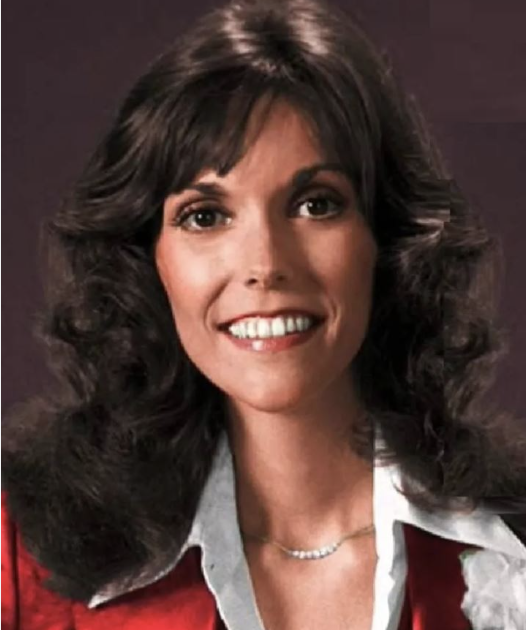
When I was about nine years old, I had a moment that forever changed my understanding of the world. It was Christmas time, and we were visiting my grandparents, enjoying listening to Christmas music. The soft, beautiful voice of Karen Carpenter filled the room, and I was completely mesmerized by her singing. It was the first time I had heard such a pure and captivating voice, and I couldn’t get enough of it. To this day, her voice, with its warmth and emotional depth, remains one of my all-time favorites.

As the music played, I turned to my grandmother and asked who is this amazing singer. She told me her name is Karen Carpenter, and then added, “It’s too bad she died so young. She starved herself to death.”

I was shocked, my mind was racing with questions. I couldn’t comprehend how someone so talented and successful with such an amazing voice could choose not to eat. Why would she do that? My young mind struggled to understand.

The music superstar was just 32 years old when she succumbed to the disease in 1983.

Later on I remember asking my Mother about it and she explained that Karen Carpenter suffered from something called anorexia, a mental health eating disorder, a condition where people feel compelled to control their food intake in harmful ways.

I remember feeling a mix of confusion and sadness. It was hard to believe that someone with such an amazing gift, someone who brought so much joy to others, could be struggling so much inside. The idea that someone could be so affected by societal expectations that they would harm themselves was a new and startling revelation for me. It wasn’t until years later that I would fully understand how internal and external pressure along with beauty standards can sometimes lead people to take drastic measures to feel like they fit in, and how dangerous it can be.

Karen Carpenter | lookingjoligood.blog

It isn’t fully known why people choose to become anorexic, maybe because they want to look a certain way or feel pressure from society to meet certain beauty standards, or maybe because they feel their life is out of control and their food intake is something they can have control over.

That conversation with my grandmother opened my eyes to a harsh reality I had never known before. It made me realize that behind the fame and talent, there could be deep, painful struggles. It was the first time I understood that not everything is as it seems and that the pressures of society can have a profound impact on individuals mental, emotional and physical health.

As I grew older, this early lesson stayed with me. To this day, I still think about how much pain Karen Carpenter must have been in to deny herself the nutrients she needed to sustain life. It serves as a constant reminder of the silent struggles that many individuals face behind closed doors.

Though I may never fully understand the depths of Karen’s anguish, I do understand the allure of weight loss being rewarded. In a world that often equates thinness with worth and beauty, it’s easy to fall into the trap of believing that shedding pounds will bring happiness and acceptance. But this pursuit can quickly become dangerous, distorting reality and overshadowing true well-being. As I’ve come to realize, no amount of weight loss can fill the void left by a lack of self-acceptance or heal the emotional scars inflicted by societal expectations. The real challenge is learning to see beyond these superficial ideals and embrace the inherent worth and beauty that exists in every person, regardless of their size.

If you or someone you know is struggling with an eating disorder or disordered eating, it’s important to reach out for support. Seeking assistance from friends, family, or mental health professionals can make a significant difference in navigating these challenges. Remember that you don’t have to face it alone, and there are resources available to help you on the path to recovery. Prioritize your well-being and take the first step toward seeking the support you need.

Laura lookingjoligood.wordpress.com

Resources:

https://www.nationaleatingdisorders.org/help-support/contact-helpline

https://www.mayoclinic.org/diseases-conditions/eating-disorders/in-depth/eating-disorder-treatment/art-20046234

https://www.eatingdisorderhope.com/

https://anad.org/

https://www.nimh.nih.gov/health/publications/eating-disorders

Project HEAL. (2023, November 10). Project HEAL. https://www.theprojectheal.org/

disclaimer | lookingjoligood.blog

Disclaimer: I am not an expert on eating disorders or disordered eating. The information provided is based on general knowledge and personal experience and should not be considered as a substitute for professional medical advice or treatment. While I am a registered nurse, I am not your personal healthcare provider. It is advisable for you to consult with your own designated healthcare professional to determine the best course of action for your specific situation for personalized guidance and recommendations tailored to your specific needs.

Finding Faith Following Fundamentalism

Celebrating Christmas Without the Community I Once Knew and Loved

Christmas has always been one of my favorite times of the year because it’s a season filled with warmth, connection, and traditions that bring people together. From the twinkling lights and festive decorations to the joy of giving and reflecting on the year, the Christmas music and cookies, get togethers and gift exchanges, it’s a time that feels both magical and meaningful.

Growing up as part of the Independent Fundamental Baptist (IFB) church, the holiday season was packed with traditions that filled every corner of my life. From the moment Thanksgiving ended, the church sprang into a whirlwind of festive activities, each designed to foster connection, celebrate the season, and, of course, glorify God. For years, these moments were not just traditions—they were my foundation for what Christmas was supposed to look and feel like.

I loved decorating the church. It was a group effort, a tradition that kicked off the holiday season. Members of the congregation gathered together to hang garlands, string lights, and place nativity scenes just so. The sanctuary, usually simple and bare, transformed into a glowing reflection of the holiday spirit, and the work itself was as much a joy as the finished product. It wasn’t just about the decorations; it was the fellowship, the laughter, and the shared excitement for the season.

Each year there was a Christmas cantata. Whether I was performing as a character in the play portion, singing in the choir or helping behind the scenes, they always brought a sense of purpose and joy. The cantata had a special way of connecting the church body, weaving together stories that aimed to remind us of the true meaning of Christmas and songs that were fun to sing and listen to. From memorizing lines to rehearsing songs, the entire process felt sacred, like we were preparing a gift not just for the congregation but for God Himself.

And then there was caroling as a child . Every December, groups from the church would bundle up and head to local nursing homes to sing Christmas hymns. It was a humbling, heartwarming experience to see the smiles of residents who often didn’t have visitors. The songs were simple, but their impact was profound, and there was something deeply fulfilling about spreading a little joy during what could otherwise be a lonely season for some.

Christmas Eve services were a big part of our Christmas tradition. The stillness, the reverence, the candle lit service of the familiar readings of the Christmas story from the book of Luke—it all felt so important. I can still picture the warm glow of candlelight filling the sanctuary during the singing of the Christmas hymns. It was a moment of awe and connection, a reminder of why we celebrated in the first place. We were all about to go off and celebrate with our separate families, but for that moment with our voices rising together in unison we were all a close community celebrating together.

But now, for me, all of that is gone. Leaving the IFB community changed the way I experience Christmas. It’s not that I don’t still find joy in the holiday season—I absolutely do—but there’s an undeniable gap where those traditions used to be. Decorating my home with my family is enjoyable, but it is not the same as the camaraderie of decorating the church with dozens of others. Watching holiday movies or singing along to Christmas carols is one of my favorite things to do. And while I still attend Christmas Eve services at a different church, the experience feels different from what I knew all of those years. The people around me are kind and welcoming, but it’s not the same deep-rooted community I grew up with.

Over time, I’ve started creating new traditions. I’ve discovered the beauty of a quiet Christmas morning, sipping coffee by the tree while reflecting on the year. I’ve found joy in hosting small gatherings with friends, making space for authentic connection without the pressure of perfection. And while it’s taken time, I’m beginning to see that Christmas isn’t about where or how you celebrate—it’s about the love, peace, and joy you carry with you, no matter where life takes you.

Still, there are moments when the ache of what’s been lost resurfaces. I think that’s part of the process—learning to hold space for both gratitude and grief. While the traditions I once knew may no longer be part of my life, they shaped who I am and how I celebrate today. And as I continue to navigate this new chapter, I’m reminded that Christmas, at its core, is about hope—a hope that remains, even as the seasons of life change.

This gap is more than just nostalgia—it’s a reminder of the relationships and shared experiences that were intertwined with my faith. It’s not just about missing the activities; it’s about missing the sense of belonging, the feeling that I was part of something bigger. For years, Christmas was inseparable from the church, and without that framework, I’ve had to learn how to rebuild my holiday traditions in a way that feels meaningful to me without the church.

Laura lookingjoligood.wordpress.com
Lifestyle

Thank You, Trump and MAGA, but Definitely Not for the Reasons You Think

For much of my life, I found peace and comfort in my Christian faith and the community my church provided. The people I worshipped with, those I prayed beside and shared fellowship with, were not just friends; they were my spiritual family. Together, we espoused values that were at the core of Christianity—compassion, love, humility, and integrity. These teachings gave me a sense of purpose and direction, and I believed that the people I shared my faith with were living examples of these principles.

vote | lookingjoligood.blog

However, something began to shift. As Donald Trump rose to political power, I watched with growing confusion as the very same people who preached Christ’s message of love and humility embraced someone who so starkly embodied the opposite. The teachings of kindness and decency that I had been raised on seemed to dissolve as the community around me—people I once trusted—bent over backward to excuse behavior that was undeniably cruel, divisive, and dishonest. It was through this stark contrast that I began to see things in a new light. Ironically, Trump and the fervent MAGA movement served as a catalyst for my personal awakening.

The Values I Once Held Dear

Growing up, I was taught that following Christ meant living a life grounded in love, service to others, and personal integrity. We were called to love our neighbors, show kindness to the stranger, and be humble in all things. These values were repeated from the pulpit, ingrained in Bible studies, and echoed in countless conversations. I held tightly to the belief that my Christian community shared these core principles, that we were all striving to embody the teachings of Jesus.

We weren’t perfect, but for a long time, I believed we were trying our best to be like Christ. In the church, we spoke passionately about loving the poor, protecting the vulnerable, and upholding truth. I trusted the people around me because they shared these values, and I never imagined a day would come when I would question them. But then came the 2016 election, and suddenly everything felt different.

The Conflict with Trump’s Behavior

vote | lookingjoligood.blog

Donald Trump’s candidacy and subsequent presidency presented a deep moral challenge for me. His rhetoric, behavior, and policies were not aligned with the values I had been taught in church. Whether it was his dismissiveness toward marginalized groups, his bullying of those who disagreed with him, or his flagrant disregard for honesty, Trump’s behavior stood in stark contrast to the teachings of Christ. I was shocked to see someone so openly boastful, selfish, and hostile be embraced by people who had once taught me that humility and kindness were non-negotiable Christian values.

Yet, instead of condemning these traits, many of the Christians I knew defended and excused them. They rationalized his actions in the name of political expediency, often stating that they didn’t “like the man,” but supported his policies. It was as though all the values I had been taught were suddenly negotiable—if the political stakes were high enough. I couldn’t reconcile how the same people who once preached about truth and love could so easily dismiss Trump’s lies, cruelty, and arrogance. I was confused by the double standard.

The Hypocrisy of Blind Support

The more I listened to the people around me defend Trump, the more I realized that something was deeply wrong. It wasn’t just about Trump’s behavior; it was the way my Christian community blindly followed him that shook me to my core. They made excuses for him, citing his stance on abortion or religious freedom, as if these issues justified everything else. When confronted with his blatant disregard for truth or his demeaning treatment of others, they shifted the conversation, pointing to political gains as if those alone absolved any wrongdoing.

protest | lookingjoligood.blog

I started to see the hypocrisy clearly. The people I had trusted to uphold the teachings of Jesus were no longer prioritizing compassion or truth. Instead, they were prioritizing political power and influence. It was disillusioning, but more than that, it was heartbreaking. Everything I had once believed about my community’s commitment to Christian values crumbled before my eyes.

The Turning Point

The breaking point came when I could no longer listen to the justifications. I had begun to question what these people really stood for. Were they more concerned with maintaining control than with living out the values they preached? Was their loyalty to Christ or to a political figure and party? These questions nagged at me, until I realized that staying in this community meant compromising my own integrity. I couldn’t pretend anymore.

Leaving wasn’t easy. It meant walking away from the only spiritual home I had ever known. It meant feeling lost for a while, unsure of where to turn. I was let down by people I once looked up to and respected. But leaving also gave me the space to think critically, to reflect on what I truly believed, and to break free from the limitations that had been placed on my thinking.

Finding Freedom in Critical Thinking

government | lookingjoligood.blog

Stepping away from that environment was liberating. For the first time, I felt free to ask questions, to challenge assumptions, and to form my own beliefs. I no longer had to accept the contradictions and hypocrisy that had suffocated me. In leaving, I found the freedom to align myself with the values I truly held dear—compassion, integrity, and authenticity. I realized that true faith, for me, meant questioning, doubting, and seeking out truth, rather than blindly following the status quo.

vote | lookingjoligood.blog

In a strange twist, I owe this personal freedom, in part, to Trump and the MAGA movement. Their rise to power exposed the cracks in my community, the hypocrisies that had always been there but were now glaringly obvious. By forcing me to confront those contradictions, they gave me the courage to walk away.

So yes, I am thankful to Trump and the MAGA movement, but certainly not for the reasons they might expect. I’m not grateful for their policies or their political vision. I’m grateful because they exposed the hypocrisy within my Christian community, and in doing so, they pushed me to leave. That departure was the beginning of my journey toward critical thinking, toward embracing a faith that is truly my own, and toward living out the values I believe in—without compromise.

You don’t have to compromise your values in the voting booth. Voting for a Democrat is not a sin, despite what some might claim. What is wrong, however, is compromising your values to support someone as morally corrupt and divisive as Trump. Choosing to align yourself with someone who consistently acts in ways that contradict core Christian teachings—who lies, demeans, and fosters division—cannot be justified by any political gain. It’s important to remember that standing up for truth and integrity is what matters most. Voting in a way that aligns with your true values, even if it goes against the grain of your community, is the right thing to do. In the end, it’s better to be on the right side of history, standing for compassion and justice, rather than blindly following someone who undermines those very principles.

Laura lookingjoligood.wordpress.com