The familiar adage, “Don’t throw good money after bad,” often transcends its financial origins, it extends to our emotional, mental, and spiritual investments too. It offers a simple yet profound lesson that applies to various aspects of life. It particularly resonates when contemplating the decision to remain in a controlling and toxic environment. In this context, the wisdom behind this saying encourages us to reevaluate our commitment to situations that offer little, if any, positive outcomes. When we find ourselves trapped in such an environment, whether it’s a toxic relationship, a stifling community, or an oppressive workplace, the temptation to stay, hoping things will change, can be powerful yet detrimental.
At first, it might seem like sticking it out is the right thing to do, especially if we’ve invested so much of ourselves – our time, energy, and emotions – into it. We believe that if we just try a little harder, endure a little longer, or give it one more chance, things will improve. It’s a natural human inclination to hold onto what we’ve already invested in, fearing that walking away means admitting defeat or failure.
However, as time goes on, we often realize that our investment of “good” – our well-being, peace of mind, and happiness – is only leading to diminishing returns. The toxic environment continues to drain us, leaving us feeling depleted and disheartened. We begin to see that no amount of “good” we pour into it can change the fundamentally toxic nature of the situation.
In such moments, we need to remind ourselves of the wisdom behind the phrase “Don’t throw good money after bad.” It’s a call to recognize when it’s time to cut our losses and redirect our resources, including our most precious ones – our time and emotional energy, towards something that truly nourishes our well-being and personal growth.
In my own personal situation growing up within the Independent Fundamental Baptist (IFB) movement, I initially found comfort in its doctrines and sense of tight knit community. However, as I grew older, I couldn’t ignore the emotional toll it was taking on me. The stifling environment discouraged questions and critical thinking, encouraging control and judgment. The easy thing to do would have been to stay and continue to hope that things would change, or perpetuating the belief that I was deeply flawed, at fault, and needed to change.
Over time, I realized that my continued involvement in that community was akin to throwing “good money” in the form of my time, energy, and emotional well-being “after bad.” The emotional burden of living in a controlling and toxic environment was becoming overwhelming. Leaving that church and way of thinking meant departing from the community I had known for years. Leaving was a necessary step to regain my personal freedom and emotional well-being. In retrospect, the decision to leave was essential for my mental and emotional health, allowing me to explore my faith and values in a more authentic and fulfilling way.
Staying in a toxic environment, hoping it will transform, can be a futile endeavor. It’s not about giving up; it’s about choosing to invest in ourselves, our happiness, and our future rather than continuing to throw “good” into something that’s fundamentally “bad” for us.
Disclaimer: The experiences shared in this post are based on my personal experiences and perspective. I am not an expert, but I was part of a high demand community for the majority of my life. I acknowledge that I am on a continuous journey of growth and self-improvement. I am aware that I don’t always respond or behave in the perfect way, as I am only human. While I may stumble along the way, my intention is always rooted in creating positive interactions and demonstrating consideration for others. I hold firm to the belief that treating people with kindness and respect is of utmost importance.While I chose to leave the IFB to find a more gracious and loving path, it is important to acknowledge that individuals may have different experiences and find happiness within the IFB or any other religious institution. The decision to leave the IFB does not imply a loss of faith, as faith is a deeply personal and subjective matter.
Five years ago, I was drowning in a toxic environment that suffocated my mental, physical, and spiritual well-being. The negativity and toxicity were like chains, binding me to a life of self-inflicted misery. I felt trapped and out of control! I wanted to feel better, but nothing I was doing seemed to help. I reached a breaking point and that is when I knew it was time to make a life changing choice to break free, to heal, and to thrive. I realized it was time to leave the toxic environment that was making me sick.
Making significant changes in my life, I let go of what was holding me back and embraced a new way of living, a new way of thinking. Once I made those drastic changes I realized just how much that previous environment was negatively affecting me. I now choose to surround myself with positivity, embrace healthy habits, and nurture my mental health and spiritual growth.
Choosing to make those changes wasn’t easy; it required courage, resilience, and determination. Yet, with each step forward, I felt myself becoming lighter, stronger, less anxious, and more alive. I wasn’t just surviving, I was starting to thrive. Now, five years later, I stand in a completely different place—a place of peace, joy, and fulfillment. I’ve learned that you cannot become well in the same toxic environment that was making you sick.
Here are some tips on how to let go of what is holding you back from thriving:
1. Identify the source: Recognize what exactly is holding you back. It could be negative thought patterns, toxic relationships, self-doubt, fear of failure, or past traumas. Understanding the root cause is the first step to overcoming it.
2.Practice self-awareness: Pay attention to your thoughts, emotions, and behaviors. Notice when you’re feeling stuck or limited by something. Awareness empowers you to take action and make changes.
3.Challenge limiting beliefs: Question the beliefs that are keeping you trapped in a cycle of negativity. Replace them with empowering beliefs that support your growth and well-being.
4.Set boundaries: Learn to say no to things that drain your energy or bring negativity into your life. Set clear boundaries with toxic people or situations and prioritize your own needs and happiness. Be willing to cut ties with relationships that are holding you back.(This is extremely difficult , but absolutely necessary!)
5.Practice forgiveness: Let go of resentment, anger, or grudges that are weighing you down. Forgiveness doesn’t mean condoning the actions of others, but rather releasing yourself from the emotional burden of holding onto past hurt.
6.Focus on what you can control: Instead of dwelling on things outside your control, focus on the actions you can take to move forward. Break your goals into manageable steps and take consistent action towards them. One day at a time makes an enormous difference with consistency!
7.Surround yourself with positivity: Surround yourself with supportive and uplifting people who encourage your growth and well-being. Seek out inspiring books, podcasts, or activities that nourish your mind and spirit.
8.Practice self-care: Take care of your physical, mental, and emotional health. Make time for activities that bring you joy, relaxation, and fulfillment. Prioritize self-care as an essential part of your daily routine. Self care is not selfish, it is essential!
9.Seek support: Don’t be afraid to reach out for help if you’re struggling to let go of what’s holding you back. Whether it’s through therapy, counseling, or talking to a trusted friend or family member, seeking support can provide valuable guidance and perspective. We are not meant to do things alone! A burden shared is a burden lifted. When we open up to others and share our struggles, we allow them to offer support, understanding, and perspective.
10.Celebrate progress: Celebrate your successes, no matter how small. Acknowledge the progress you’ve made and the steps you’ve taken towards letting go of what’s holding you back. Celebrating your victories reinforces positive momentum and motivates you to keep moving forward.
While I was suffocating in that toxic environment I thought that was just how my life was always going to be. Change is scary. The unknown is frightening! I was drained, mental, physical, and spiritually exhausted . Choosing to change required courage and resilience, but through embracing the change, no matter how frightening, and letting go of what held me back, I discovered a newfound sense of peace and fulfillment.
Is my life perfect now? Absolutely not! But I now have equipped myself with better tools to navigate life’s challenges. By equipping myself with these better tools, I am better prepared to face whatever comes my way. While my life may not be perfect, I have learned to embrace imperfection and view challenges as opportunities for growth and learning.
Surrounding myself with positivity and prioritizing my health allowed me to grow stronger and happier. True healing can only happen when we are willing to take that first step towards leaving behind toxic environments and embracing the unknown. Today, I stand as proof that transformation is possible, leading to a brighter future filled with joy and endless possibilities. The temporary discomfort was worthwhile!
Resources that I have found to be helpful:
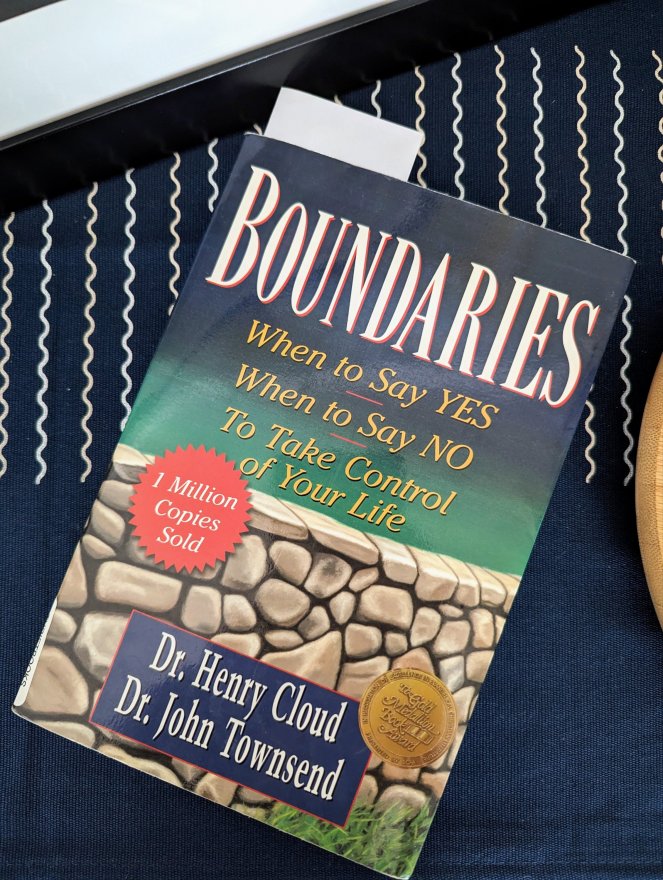
A book that has been instrumental in helping me set healthy boundaries is incidentally called “Boundaries” written by Dr. Henry Cloud and Dr. Townsend. Reading this book was absolutely an eye-opener for me. Their insights and practical advice really resonated with my own experiences, and it helped me see the importance of defining healthy limits in all aspects of my life.
The book highlights the significance of recognizing our personal limits and how it’s okay to say “no” when something doesn’t align with our values or makes us uncomfortable. It gave me the courage to put myself and my family first and prioritize my well-being without feeling guilty about it.
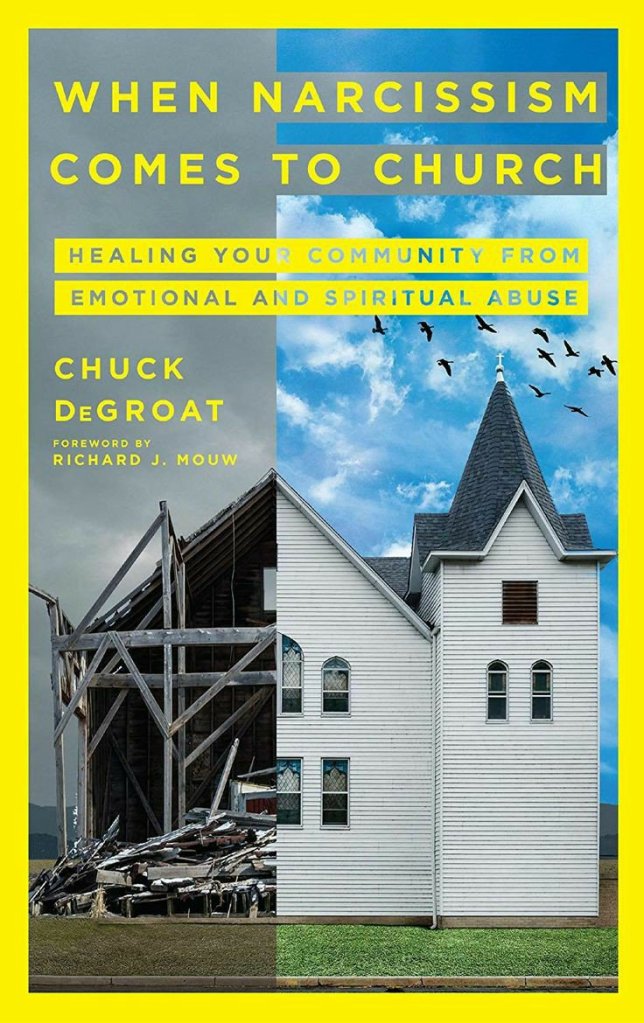
When Narcissism Comes to Church: Healing Your Community from Emotional and Spiritual Abuse by Chuck DeGroat. This book explores the issue of narcissism in the church. DeGroat, a counselor who has worked with many victims of narcissistic abuse, argues that narcissism is a growing problem in the church, and that it can have a devastating impact on individuals and communities. 10/10 recommend!
**An affiliate link is free to the user. It is a unique URL provided by an affiliate program or network to their partners, such as bloggers or website owners. When someone clicks on an affiliate link and makes a purchase or completes a desired action at no additional cost to them, the affiliate partner earns a commission or other form of compensation. These links are specifically tracked to attribute sales or conversions generated through the partner’s promotional efforts. In summary, an affiliate link is a specialized link that allows partners to earn commissions by driving traffic and sales to a particular product or service.**
Disclaimer:The experiences shared in this post are based on my personal experiences and perspective. I am not an expert, but I was part of a high demand community for the majority of my life. I acknowledge that I am on a continuous journey of growth and self-improvement. I am aware that I don’t always respond or behave in the perfect way, as I am only human. While I may stumble along the way, my intention is always rooted in creating positive interactions and demonstrating consideration for others. I hold firm to the belief that treating people with kindness and respect is of utmost importance.While I chose to leave the IFB to find a more gracious and loving path, it is important to acknowledge that individuals may have different experiences and find happiness within the IFB or any other religious institution. The decision to leave the IFB does not imply a loss of faith, as faith is a deeply personal and subjective matter.
In a world where kindness is often misconstrued as self-sacrifice and accommodating behavior, the importance of setting boundaries and standing up for oneself cannot be overstated. At times, societal expectations or the fear of disappointing others may tempt us to compromise our own well-being and values. However, learning to assertively define our boundaries is an essential act of self-respect and kindness. By embracing the power of self-advocacy, we not only safeguard our mental and emotional health but also foster authentic connections and cultivate a profound sense of empowerment. In this journey of self-discovery, we come to realize that true kindness starts from within, and honoring our boundaries enables us to navigate life with newfound clarity, strength, and an unwavering sense of self.
Not too long ago, I had a personal experience that taught me the importance of setting boundaries and standing up for myself, even in the face of pressure. A friend approached me to “volunteer” for an event they were organizing, but rather than a sincere request, it felt more like an expectation that I would unquestionably say “yes.”
I found myself torn between my genuine desire to help and a sense of obligation to say “yes.” I didn’t want to disappoint my friend, and I feared being seen as unkind if I declined. However, I also knew that I had other commitments and limited time to spare.
After some internal struggle, I mustered the courage to be honest with my friend. I politely explained that as much as I would love to help, I had prior commitments that made it challenging for me to volunteer for the event.
Instead of understanding my situation, my friend gave me a hard time. They questioned my reasons, trying to guilt-trip me into changing my decision. In that moment, I felt a mix of emotions—guilt, frustration, and a pang of self-doubt. I wondered if I was being selfish for putting my needs first.
But deep down, I knew that setting boundaries and respecting my time and commitments were vital acts of self-care. It was an opportunity for me to practice assertive kindness—to be true to myself while still being compassionate to my friend’s feelings.
In the end, I stood my ground, firmly but kindly reiterating my decision. It wasn’t easy, but it was liberating. I realized that I didn’t need to justify my choices or seek validation from others. My boundaries were valid, and I had every right to honor them without feeling guilty.
This experience was a lesson in self-respect, while also practicing kindness. I learned that setting boundaries is an act of love for myself and a step toward creating healthy and genuine relationships with others.
While I wish my friend had been more understanding, I also recognized that their reaction to my decision was not a reflection of my worth. Sometimes, people might struggle to accept our boundaries because it challenges their expectations. But that should not deter us from being kind to ourselves.
As I reflect on this experience, I feel grateful for the growth it brought me. I know that true kindness begins with respecting ourselves by setting healthy boundaries. It’s okay to say “no” when it aligns with our values and well-being. By doing so, we create space for genuine connections and enriching experiences that honor both ourselves and others.
Like many people, I used to believe that self-care was all about simple acts of treating myself. I enjoy lighting a candle, taking a bath, reading a good book, gratitude journaling, and doing yoga. While these practices are enjoyable and provided a brief escape from the daily grind, I have come to realize that is not enough.
A turning point in my life led me to question the depth of my self-care practices. It was during a particularly challenging period when I found myself overwhelmed constantly prioritizing the needs and wants of others at the expense of my family and my own well-being. During this period of self-reflection, I started to realize the shortcomings of my shallow self-care practices. I couldn’t continue to treat myself poorly all day everyday and expect a Caramel Ribbon Crunch Frappuccino to solve all of my problems.
As I dug deeper into intentional personal growth, my perspective on self-care evolved significantly. It shifted from being solely about momentary relaxation to becoming a continuous dedication to my mental, emotional, and physical well-being. While I still valued lighting a candle and treating myself to a Frappuccino, they were no longer the sole basis of my self-care routine.
Self-care goes beyond lavender baths, candles, and yoga. While gratitude journaling is a positive thing, on it’s own it quite often is not enough. Self-care encompasses the holistic care of your mental, emotional, physical, and spiritual well-being. It’s about tuning into your needs and desires and making choices that prioritize your overall health and happiness.
True self-care, I realized, strikes a delicate balance between the soothing moments of external pampering and the depth of self-compassion and boundary-setting. It is an ever-evolving journey, an exploration of nurturing both the external and internal dimensions of oneself, resulting in lasting change and genuine well-being.
Deeper self-care involves setting boundaries. It means learning to say no to things that don’t align with your values or that you simply don’t have time for. It also entails clear communication of your needs and expectations to others. (You can read more about what I have to say about setting boundaries by clicking HERE)
Setting boundaries became a pivotal aspect of my authentic self-care. I recognized that my habit of consistently saying “yes” to others often meant saying “no” to myself, my family, and my own needs. As I acquired the skill of assertively but kindly setting boundaries, I witnessed transformative changes not only in my relationships but also in how I valued and respected myself and my time.
Another facet is the practice of processing your emotions. This involves allowing yourself to feel the full spectrum of your emotions, both positive and negative, without judgment, giving yourself permission to experience them fully. It’s about recognizing that it’s okay to feel sadness, anger, fear, or any other emotion that arises. Rather than pushing these feelings aside or criticizing yourself for having them, you acknowledge their presence with compassion.
Talking to a therapist or a trusted friend can be immensely helpful, as it provides a safe space to express your emotions, gain insights, and receive support. (I am a verbal processor, it is extremely helpful for me to talk through my emotions with a trusted person. If you have ever been one of these people in my life know that I am forever grateful for you. )
Journaling is another powerful way to process emotions. I’m not talking about jotting down 3 things you are grateful for, but writing down your true inner thoughts and feelings. This allows you to explore and make sense of them. It can be a cathartic experience, helping you gain clarity and perspective on your emotions and the situations that trigger them. (Personally, I didn’t even realize some of my true thoughts and feelings until I started writing them out and working through them while journaling.)
For those inclined toward creative expression, such as art, music, or dance, these mediums can serve as valuable outlets for processing emotions. Creating art, whether through painting, sculpture, or other forms, can be a therapeutic means of channeling and externalizing what’s going on inside.
Self-compassion is yet another crucial component of self-care. It’s about treating yourself with kindness and understanding, even when you make mistakes, and accepting yourself for who you are, wounds, scars and all. I am learning to treat myself with the same tenderness and understanding that I readily extended to friends and loved ones. This shift in mindset is allowing me to confront my own struggles and emotions without harsh self-judgment, which has encouraged a sense of inner peace.
I made a deliberate shift in my self-dialogue by replacing negative self-talk with intentional positive affirmations. Instead of criticizing or doubting myself, I began consciously and regularly affirming my worth, capabilities, and potential. These positive affirmations have become a powerful tool to counteract self-limiting beliefs and boost my self-esteem. Over time, this practice not only transformed my mindset but also had a significant impact on my overall well-being.
Positive affirmations are powerful statements that can help shift your mindset towards a more optimistic and self-empowered outlook. Here are some examples:
“I am capable of achieving my goals and dreams.”
“I am worthy of love and respect.”
“I am resilient and can overcome any challenges.”
“I believe in my abilities and trust myself.”
“I am in control of my thoughts and emotions.”
“I embrace change and grow with every experience.”
“I am grateful for the abundance in my life.”
“I am at peace with my past, present, and future.”
“I am constantly evolving and becoming the best version of myself.”
“I deserve happiness, and I choose to be happy.”
“I attract positive and supportive people into my life.”
“I love and accept myself unconditionally.”
Taking care of your physical health is also vital. This encompasses maintaining a balanced diet, getting enough restful sleep, and engaging in regular exercise.
Listening to your body is an essential practice of self-care. It involves paying attention to physical cues, such as pain, fatigue, or discomfort, and responding accordingly. Pushing through pain or ignoring warning signs can lead to injury or worsen existing health issues. Tuning into your body’s signals and respecting its limitations is a form of self-compassion.
Just as important, seeking necessary medical care is integral to caring for your physical health. Regular check-ups with healthcare professionals, screenings, and addressing health concerns promptly are vital components of this self-care aspect. These actions enable early detection and prevention of potential health issues, ensuring you receive appropriate guidance and treatment when needed. Take it from an oncology nurse who has seen first hand, early detection saves lives, an ounce of prevention is worth a pound of cure!
Nurturing your spiritual side is an intrical part of self-care. It involves finding meaning and purpose through various means, including religious or spiritual practices, connecting with nature, or engaging in activities aligned with your values. This form of self-care provides inner nourishment, creating a sense of peace and fulfillment. It’s a personal journey that varies for each person, offering a source of strength and clarity to navigate life’s challenges.
Nurturing your spiritual side doesn’t have to look like the cookie cutter version of attending weekly church services. It can include meditation and mindfulness that cultivate inner peace and self-awareness. Spending time outside in nature encouraging a sense of interconnectedness with the world. Yoga promotes balance and alignment. Journaling and reading deepen your understanding of yourself and the world around you. Self-reflection and prayer fuels personal growth and connection with God. Volunteering provides fulfillment and purpose. Religious or spiritual rituals offer structure, community, and guidance, while connecting with like-minded communities provides support. These practices collectively contribute to a more meaningful connection with your inner self and the world around you. Whether through meditation, nature walks, or purpose-driven actions, spiritual self-care contributes to a deeper sense of well-being.
Here are some tips that have worked for me for cultivating a deeper self-care practice:
Begin by identifying your needs and areas in your life that require more attention in terms of self-care. Are you feeling overwhelmed, stressed, or burnt out? Are you feeling overworked and underappreciated? Is your physical health being neglected? Or do you need to nurture your spiritual well-being?
Explore activities that you genuinely enjoy and that uplift your spirits. This could range from reading a book to immersing yourself in nature or spending quality time with loved ones. Experiment with various activities until you discover what resonates best with you.
Prioritize self-care by scheduling dedicated time for it each day, even if it’s just for a few minutes. Remember, taking time for yourself is not selfish; it’s an essential act of self-care.
Be consistent in your self-care routine. It’s not a one-time endeavor but an ongoing practice that reaps benefits with regularity.
Self-care is a fundamental aspect of a healthy lifestyle. By tending to your well-being, you equip yourself to better handle stress, manage your emotions, and lead a more fulfilling life.
Self-care is highly individualized and not a one-size-fits-all approach. What brings comfort to one person may not resonate with another. The key is to find self-care practices that align with your preferences and lifestyle.
Disclaimer: The information provided is based on general knowledge and personal experience and should not be considered as a substitute for professional medical advice or treatment. While I am a registered nurse, I am not your personal healthcare provider. It is advisable for you to consult with your own designated healthcare professional to determine the best course of action for your specific situation for personalized guidance and recommendations tailored to your specific needs.


















 Looking Joli Good