I am an ice cream eating, makeup wearing, cupcake baking, dog loving, beauty blogging, exercising, saved by grace, Wonder woman, wife, mother, and oncology RN.
Thankfulness is more than just saying “thank you” or “I am thankful.” It’s a way of seeing the world that can change how we experience life. I’ve come to realize that being thankful isn’t just something you do when things are going well—it’s a practice that can bring peace and perspective even when life feels hard and heavy. Gratitude is about pausing to appreciate what you have, the people around you, and even the lessons hidden in the difficulties and challenges. It’s not always easy, but it’s always important.
For me, thankfulness often starts with the small things: the cozy warmth of my home, the sound of laughter from my kids, cuddling with my sweet dog, dinner time around the table with my family, or even the simple comfort of a quiet moment after a busy day. These aren’t extraordinary things, but they’re what make everyday life full and enjoyable. When I take time to notice them, I find myself feeling lighter, happier, and better able to face whatever’s ahead. Gratitude reminds me that joy doesn’t have to come from big achievements or perfect circumstances—it’s already right here, waiting to be noticed and appreciated.
I’ve learned that being thankful for the people in my life strengthens my connections with them. Whether it’s taking a moment to thank my kids for their kindness or letting a friend know how much their support means to me, gratitude deepens relationships. It helps me focus on what’s good about the people I care about instead of dwelling on little frustrations. And the more I express my gratitude, the more it seems to grow—like a habit that gets easier and more natural over time.
There have been moments in my life when gratitude felt far away—times when grief, stress, or disappointment seemed to overshadow everything else. But looking back, I’ve found that looking for something to be thankful for, no matter how small, makes a difference. It might be the kindness of a stranger, a supportive word from someone I trust, or just the reminder that hard times don’t last forever. Gratitude doesn’t erase pain, but it does give me something steady to hold onto. Being thankful can act as a light guiding me through the dark times.
Being thankful has taught me to slow down, to look for the good in my life and the people around me, and to trust that even hard moments have their place. It’s not always easy, and I don’t always get it right—but when I practice gratitude, life feels richer, and I feel more connected to what really matters.
So often, it’s easy to focus on what’s wrong or what’s missing. But when I choose to focus on what’s right, even in the smallest ways, I notice how much I already have. Thankfulness has become more than just a reaction to the good moments—it’s a way of living that makes every moment more meaningful.
I am sharing this recipe again this year because it is my favorite holiday side dish. I just finished preparing it for our dinner tomorrow and I cannot wait to eat it along with the other delicious thing we will be having for Thanksgiving dinner tomorrow.
Ingredients
4 cups sweet potato, cubed*
1/2 cup white sugar
2 eggs, beaten
1/2 tsp cinnamon
1/2 teaspoon salt
4 tablespoons butter, softened
1/2 cup milk
1/2 teaspoon vanilla extract
1/2 cup packed brown sugar
1/3 cup all-purpose flour
3 tablespoons butter, softened
1/2 cup chopped pecans
Directions
Preheat oven to 325 degrees F (165 degrees C). Put sweet potatoes in a medium saucepan with water to cover. Cook over medium-high heat until tender; drain and mash. (or use canned yams and skip this step altogether.)
In a large bowl, mix together the sweet potatoes, white sugar, eggs, cinnamon, salt, butter, milk and vanilla extract. Mix until smooth. Transfer to a 9×13 inch baking dish.
In a medium bowl, mix the brown sugar and flour. Cut in the butter until the mixture is coarse. Stir in the pecans. Sprinkle the mixture over the sweet potato mixture.
Bake in the preheated oven 30 minutes, or until the topping is lightly brown.
*If you’re using fresh sweet potatoes, you’ll need four to six sweet potatoes to get four cups, depending on their size. One 15-ounce can of sweet potatoes is equal to one cup of fresh sweet potatoes.
If you try it, please let me know! I have a feeling that you will love it too!
For much of my life, I found peace and comfort in my Christian faith and the community my church provided. The people I worshipped with, those I prayed beside and shared fellowship with, were not just friends; they were my spiritual family. Together, we espoused values that were at the core of Christianity—compassion, love, humility, and integrity. These teachings gave me a sense of purpose and direction, and I believed that the people I shared my faith with were living examples of these principles.
However, something began to shift. As Donald Trump rose to political power, I watched with growing confusion as the very same people who preached Christ’s message of love and humility embraced someone who so starkly embodied the opposite. The teachings of kindness and decency that I had been raised on seemed to dissolve as the community around me—people I once trusted—bent over backward to excuse behavior that was undeniably cruel, divisive, and dishonest. It was through this stark contrast that I began to see things in a new light. Ironically, Trump and the fervent MAGA movement served as a catalyst for my personal awakening.
The Values I Once Held Dear
Growing up, I was taught that following Christ meant living a life grounded in love, service to others, and personal integrity. We were called to love our neighbors, show kindness to the stranger, and be humble in all things. These values were repeated from the pulpit, ingrained in Bible studies, and echoed in countless conversations. I held tightly to the belief that my Christian community shared these core principles, that we were all striving to embody the teachings of Jesus.
We weren’t perfect, but for a long time, I believed we were trying our best to be like Christ. In the church, we spoke passionately about loving the poor, protecting the vulnerable, and upholding truth. I trusted the people around me because they shared these values, and I never imagined a day would come when I would question them. But then came the 2016 election, and suddenly everything felt different.
The Conflict with Trump’s Behavior
Donald Trump’s candidacy and subsequent presidency presented a deep moral challenge for me. His rhetoric, behavior, and policies were not aligned with the values I had been taught in church. Whether it was his dismissiveness toward marginalized groups, his bullying of those who disagreed with him, or his flagrant disregard for honesty, Trump’s behavior stood in stark contrast to the teachings of Christ. I was shocked to see someone so openly boastful, selfish, and hostile be embraced by people who had once taught me that humility and kindness were non-negotiable Christian values.
Yet, instead of condemning these traits, many of the Christians I knew defended and excused them. They rationalized his actions in the name of political expediency, often stating that they didn’t “like the man,” but supported his policies. It was as though all the values I had been taught were suddenly negotiable—if the political stakes were high enough. I couldn’t reconcile how the same people who once preached about truth and love could so easily dismiss Trump’s lies, cruelty, and arrogance. I was confused by the double standard.
The Hypocrisy of Blind Support
The more I listened to the people around me defend Trump, the more I realized that something was deeply wrong. It wasn’t just about Trump’s behavior; it was the way my Christian community blindly followed him that shook me to my core. They made excuses for him, citing his stance on abortion or religious freedom, as if these issues justified everything else. When confronted with his blatant disregard for truth or his demeaning treatment of others, they shifted the conversation, pointing to political gains as if those alone absolved any wrongdoing.
I started to see the hypocrisy clearly. The people I had trusted to uphold the teachings of Jesus were no longer prioritizing compassion or truth. Instead, they were prioritizing political power and influence. It was disillusioning, but more than that, it was heartbreaking. Everything I had once believed about my community’s commitment to Christian values crumbled before my eyes.
The Turning Point
The breaking point came when I could no longer listen to the justifications. I had begun to question what these people really stood for. Were they more concerned with maintaining control than with living out the values they preached? Was their loyalty to Christ or to a political figure and party? These questions nagged at me, until I realized that staying in this community meant compromising my own integrity. I couldn’t pretend anymore.
Leaving wasn’t easy. It meant walking away from the only spiritual home I had ever known. It meant feeling lost for a while, unsure of where to turn. I was let down by people I once looked up to and respected. But leaving also gave me the space to think critically, to reflect on what I truly believed, and to break free from the limitations that had been placed on my thinking.
Finding Freedom in Critical Thinking
Stepping away from that environment was liberating. For the first time, I felt free to ask questions, to challenge assumptions, and to form my own beliefs. I no longer had to accept the contradictions and hypocrisy that had suffocated me. In leaving, I found the freedom to align myself with the values I truly held dear—compassion, integrity, and authenticity. I realized that true faith, for me, meant questioning, doubting, and seeking out truth, rather than blindly following the status quo.
In a strange twist, I owe this personal freedom, in part, to Trump and the MAGA movement. Their rise to power exposed the cracks in my community, the hypocrisies that had always been there but were now glaringly obvious. By forcing me to confront those contradictions, they gave me the courage to walk away.
So yes, I am thankful to Trump and the MAGA movement, but certainly not for the reasons they might expect. I’m not grateful for their policies or their political vision. I’m grateful because they exposed the hypocrisy within my Christian community, and in doing so, they pushed me to leave. That departure was the beginning of my journey toward critical thinking, toward embracing a faith that is truly my own, and toward living out the values I believe in—without compromise.
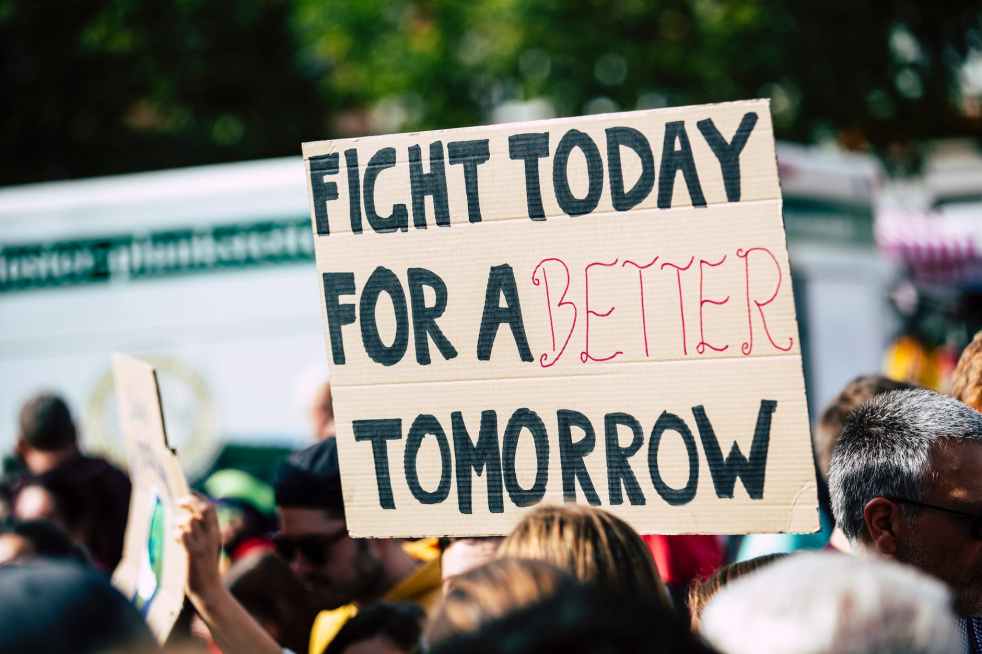
You don’t have to compromise your values in the voting booth. Voting for a Democrat is not a sin, despite what some might claim. What is wrong, however, is compromising your values to support someone as morally corrupt and divisive as Trump. Choosing to align yourself with someone who consistently acts in ways that contradict core Christian teachings—who lies, demeans, and fosters division—cannot be justified by any political gain. It’s important to remember that standing up for truth and integrity is what matters most. Voting in a way that aligns with your true values, even if it goes against the grain of your community, is the right thing to do. In the end, it’s better to be on the right side of history, standing for compassion and justice, rather than blindly following someone who undermines those very principles.
Early detection is crucial in the fight against breast cancer, and while Breast Cancer Awareness Month in October serves as a powerful reminder, it’s important to stay vigilant all year long. Catching breast cancer early can dramatically improve treatment outcomes, making routine screenings and self-examinations essential for women of all ages.
During October, the pink ribbons, events, and media coverage help spread awareness, but the message shouldn’t end when the month does. Breast cancer knows no calendar, and its risks persist throughout the year. Regular mammograms, clinical exams, and self-checks increase the chances of identifying any abnormalities early when they are most treatable. Early detection can mean less invasive treatments, improved survival rates, and a better quality of life during and after recovery.
Raising awareness year-round also helps break down barriers, whether that’s reducing the stigma of discussing breast health or ensuring that more women have access to preventive care. Education and support for early detection can save lives, but only if we remember that breast cancer doesn’t take a break after October. By keeping the conversation going every month, we reinforce the importance of proactive care, regular screenings, and empowering women to take charge of their health.
The goal of Breast Cancer Awareness Month is to educate the public about breast cancer, including the risk factors, signs and symptoms, and early detection methods. It is also a time to raise funds for research and support services for people affected by breast cancer.
Get screened. If you are a woman over the age of 40, talk to your doctor about getting regular mammograms. Mammograms can detect breast cancer early, when it is most treatable.
You know, it’s funny how life works. We go about our days, having countless conversations, sharing thoughts and ideas with people we meet. But in the grand scheme of things, what really sticks with us are the emotions, the feelings that those interactions leave us with.
I’ve often heard the saying, “Someone might not remember what you said, but they will remember how you made them feel.” It’s a powerful truth, one that resonates deeply with me. Think about it for a moment. Think about the people who have made an impact on your life. What is it about them that you remember most vividly? Chances are, it’s not the exact words they used, but the way they made you feel.
So, it begs the question, how do you want to be remembered? What kind of emotions do you want to leave in your wake when you engage with others? Do you want to be remembered as someone who inspired, comforted, or uplifted those around you? Or perhaps as someone who brought laughter and joy into people’s lives?
It’s a wonderful opportunity to shape the memories people will carry of you. Every interaction is a chance to leave a positive mark, to make someone’s day a little brighter, and to create lasting, meaningful connections. So, as you go through life, remember that you have the power to leave a lasting impression through the way you make others feel.
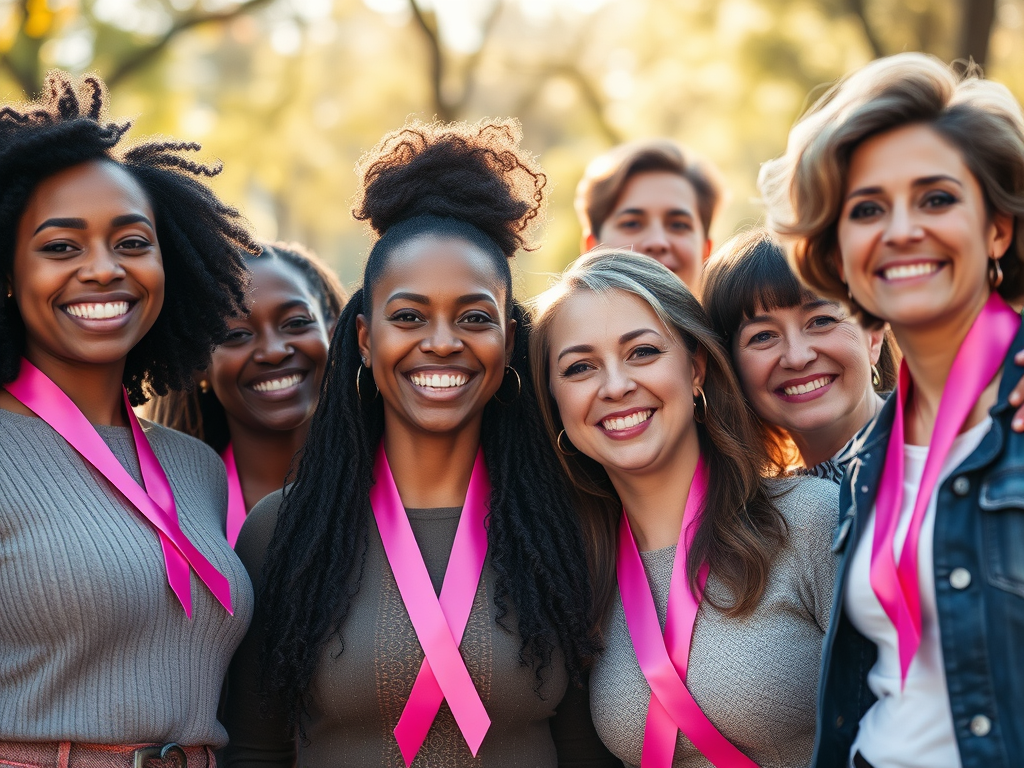
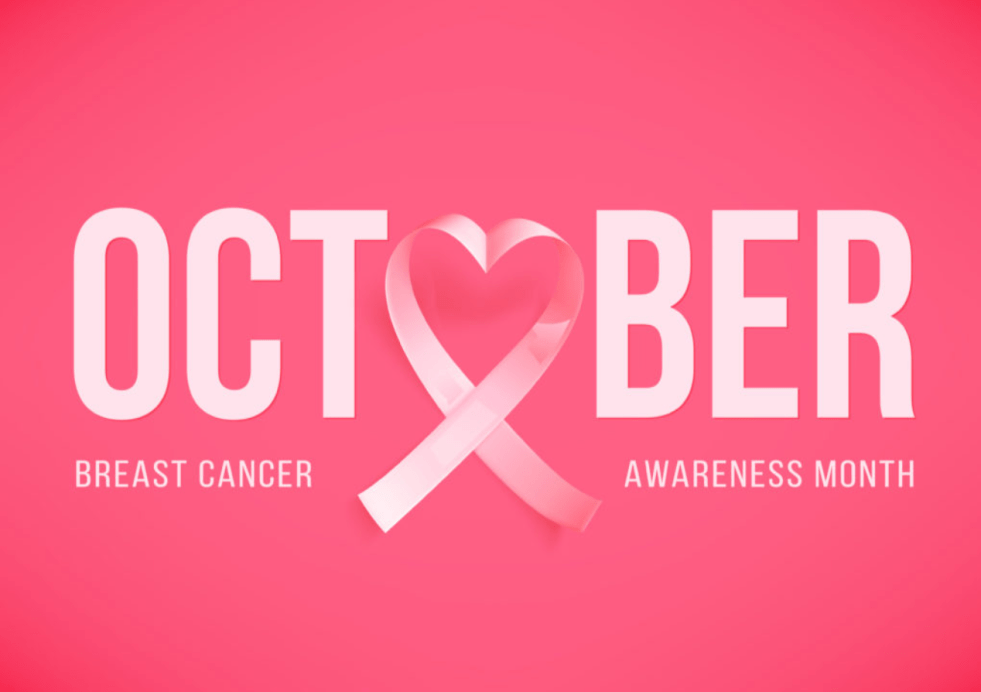
October is Breast Cancer Awareness month! As an oncology nurse, I feel the need to spread the word that early detection saves lives!
Breast cancer is the most common cancer among women in the United States, with over 280,000 new cases diagnosed each year. It is also the second leading cause of cancer death among women, after lung cancer. However, early detection and treatment can significantly improve survival rates.
The goal of Breast Cancer Awareness Month is to educate the public about breast cancer, including the risk factors, signs and symptoms, and early detection methods. It is also a time to raise funds for research and support services for people affected by breast cancer.
Get screened. If you are a woman over the age of 40, talk to your doctor about getting regular mammograms. Mammograms can detect breast cancer early, when it is most treatable.
Know the signs and symptoms. Breast cancer can cause a variety of signs and symptoms, including a lump in the breast, changes in the size or shape of the breast, nipple discharge, and pain in the breast or underarm. If you experience any of these symptoms, be sure to see your doctor right away.
Talk to your friends and family. Encourage the women in your life to get screened for breast cancer and to know the signs and symptoms. You can also talk to them about the importance of breast cancer awareness and how to get involved.
Breast Cancer Awareness Month is a time to come together to support those affected by breast cancer and to raise awareness about this important disease. By getting involved, you can help make a difference.
There are a number of ways to get involved in Breast Cancer Awareness Month. You can donate to a charity that supports breast cancer research or support services, participate in a fundraising event, or simply talk to your friends and family about the importance of early detection.
I like to keep up on current events and know what is going on, but I tend to stay away from heated debates and partisan discussions. Instead, I prefer to focus on understanding the underlying issues, researching different perspectives, and making informed decisions based on facts and my own values.
Being informed about politics and current events is essential for responsible citizenship, as it allows me to engage in meaningful conversations and make educated choices during elections. However, I also value maintaining respectful and open dialogues with people of differing opinions, recognizing that constructive conversations can lead to greater understanding and compromise.
While I may not be an activist or deeply involved in political campaigns, I recognize the importance of civic engagement. I vote in elections, participate in local community initiatives, and support causes that align with my values. By striking a balance between staying informed and maintaining a civil, non-confrontational approach to politics, I aim to contribute positively to my community and society as a whole.
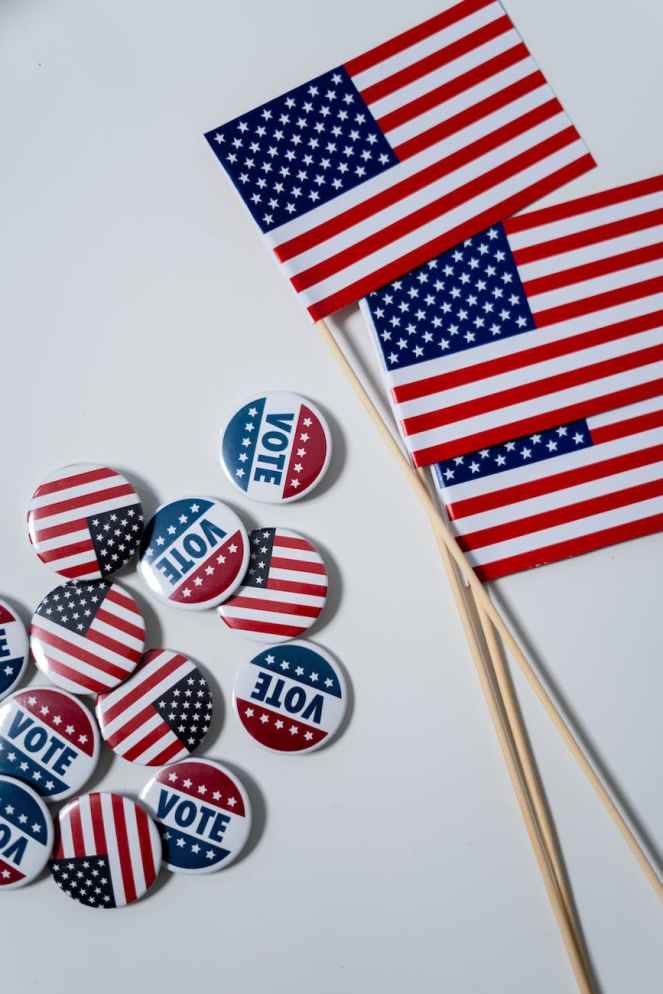
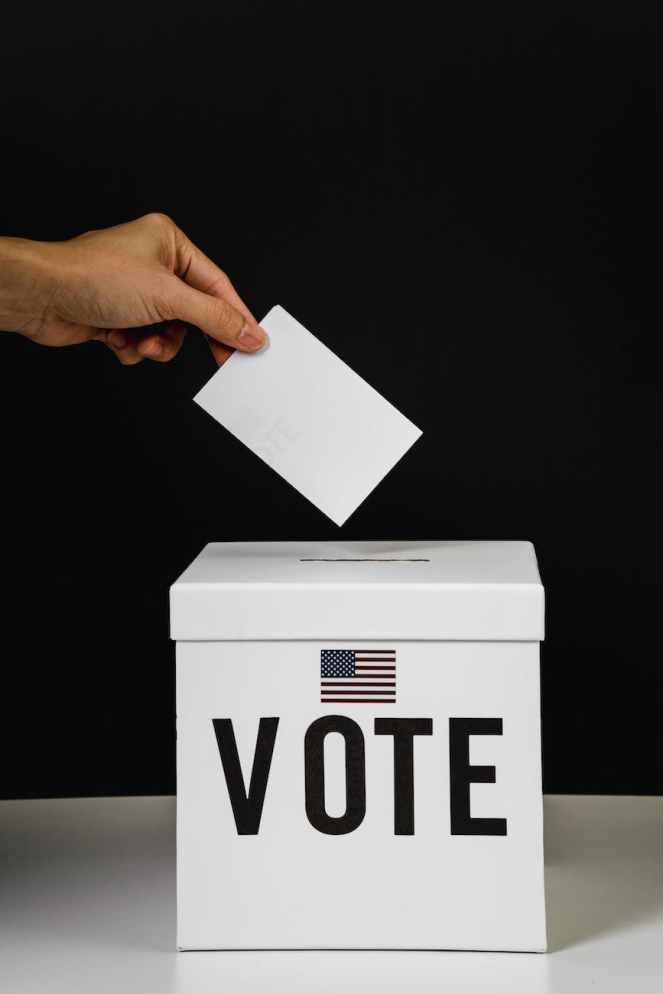
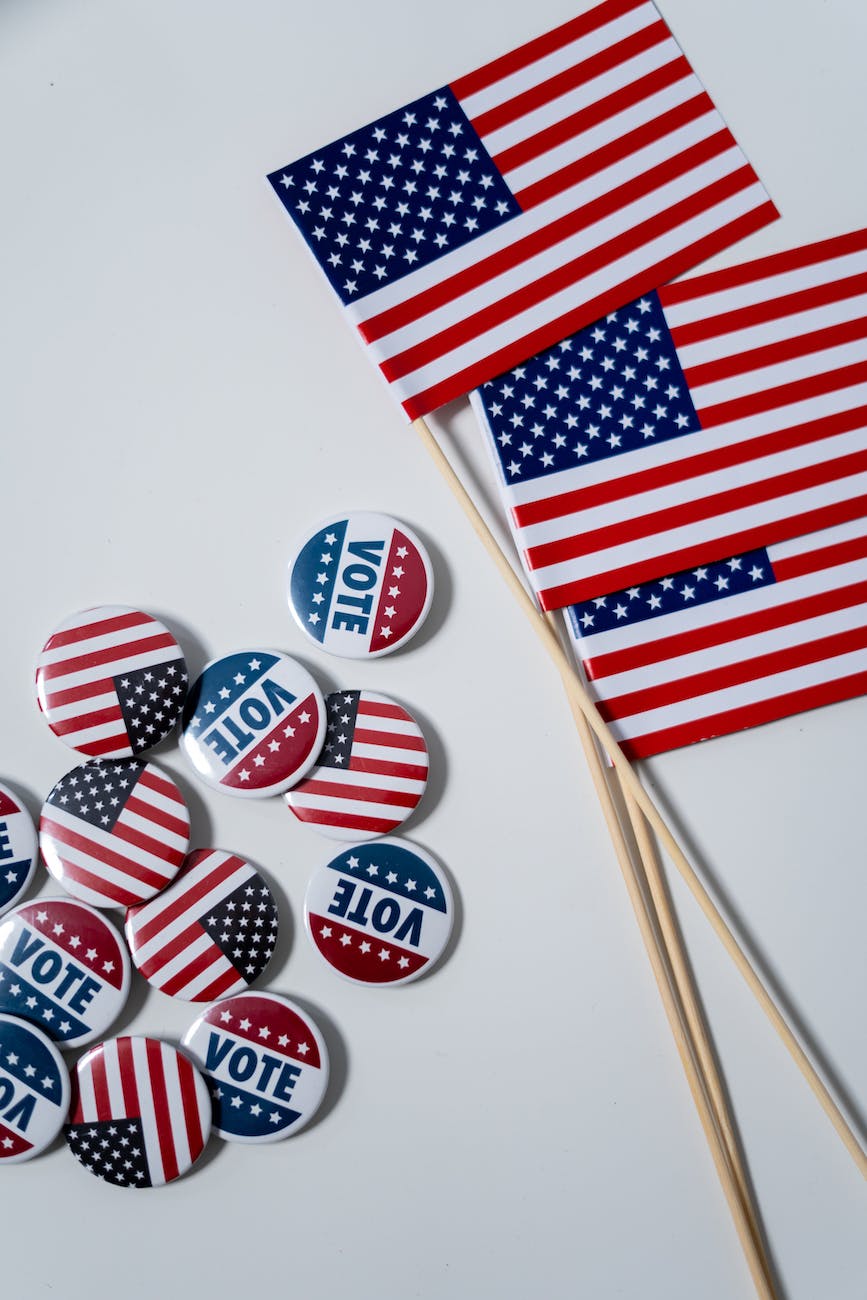
One of the most important things I can do is vote! Your vote holds significance, and local government plays a vital role in shaping the quality of life in your community. Here’s why local government is of paramount importance:
Local government decisions have a direct impact on your daily life. They oversee crucial services such as education, transportation, public safety, and infrastructure. By participating in local elections, you influence how these services are funded, managed, and improved to meet your needs.
Local officials are often your neighbors who understand your community’s unique challenges. By voting in local elections, you ensure that your voice is heard, and your concerns are addressed by representatives who are intimately familiar with your area.
Economic development is greatly influenced by local government policies. Through zoning regulations, tax incentives, and infrastructure investments, they can foster job growth and enhance economic opportunities. Your vote can help shape the economic future of your community.
Local government is responsible for public safety, including law enforcement and emergency services. Voting for leaders who prioritize effective public safety policies contributes to the security and well-being of your neighborhood.
Environmental stewardship is another crucial role of local government. They implement policies related to conservation, waste management, and sustainable development, directly impacting the environment in your area.
School boards and districts are typically under local officials. Your vote in school board elections can affect the quality of education provided to the children in your community.
Local government is often more accessible and responsive to citizens’ needs compared to larger, more distant levels of government. Your vote ensures that your concerns are more likely to be addressed promptly and effectively.
Fiscal responsibility is a key aspect of local governance. Local governments manage budgets that affect property taxes and local services. Voting for fiscally responsible leaders helps ensure that taxpayer dollars are used efficiently and responsibly.
Local government plays a significant role in community building. They support cultural events, recreational activities, and civic engagement, fostering a sense of belonging and togetherness in your area.
Furthermore, strong local government serves as a crucial check on state and federal power, ensuring that decisions are made with the best interests of the community in mind. It helps maintain the balance of power and ensures that your community’s unique needs are not overlooked.
In conclusion, your vote in local elections empowers you to actively participate in shaping the governance and future of your community. Local government decisions influence all aspects of your daily life, making it essential to engage in the democratic process at the local level to contribute to a better future for your neighborhood and beyond.
Here is a link to learn how to register so you can vote in federal, state, and local elections. Click HERE to Register to vote at Vote.gov.
Can internal issues be resolved with external solutions? The short answer is no, not fully. While external changes—such as improving your environment, relationships, or circumstances—can provide temporary relief or even create a more supportive space for healing, they rarely address the root cause of internal struggles.
Internal issues, like feelings of inadequacy, comparison, or self-doubt, often stem from deeply held beliefs, emotional wounds, or patterns of thinking that require introspection and self-work to resolve. While external solutions might act as a band-aid or a catalyst for growth, the real work involves confronting the internal causes—reassessing your self-worth, processing emotions, and building healthier thought patterns.
Comparison is an internal issue that cannot be fixed with external solutions. True contentment comes from within and requires addressing the underlying insecurities and beliefs that fuel comparison. No amount of external validation or changes in circumstances can fully resolve this internal struggle. It takes introspection, self-compassion, and a shift in perspective to overcome the habit of comparing ourselves to others and find genuine peace and satisfaction in who we are.
Ultimately, lasting change comes from within. It requires a combination of inner healing, self-awareness, and personal growth to address the core of these internal issues. External solutions can support this journey, but they are not the solution on their own.
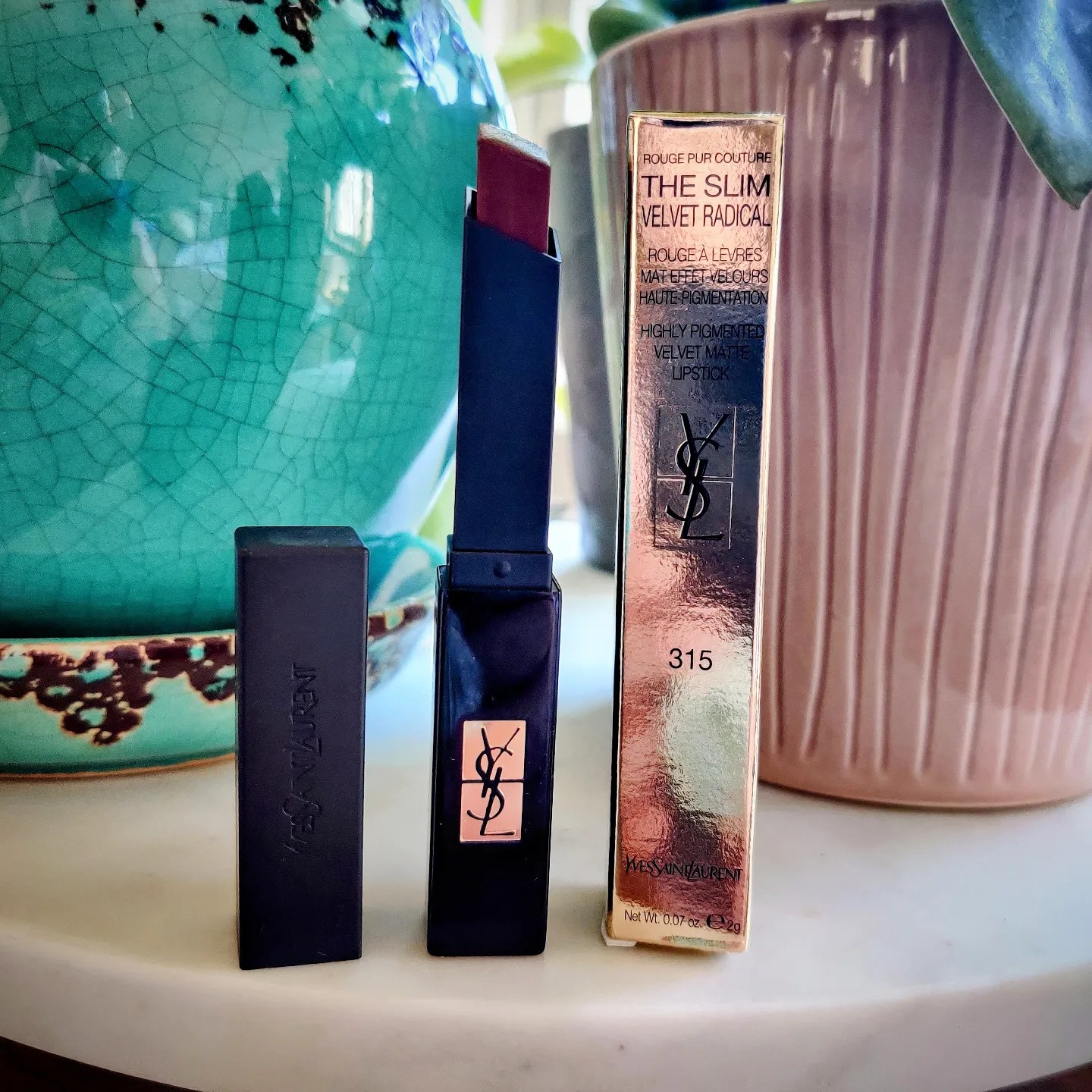
Get ready to pucker up and celebrate because July 29th marks a glamorous and vibrant occasion in the beauty world: National Lipstick Day! This much-anticipated day pays homage to one of the most beloved and transformative makeup products of all time. It’s a time to embrace the power of a perfectly applied lipstick and the confidence it brings. From bold reds to soft pinks, National Lipstick Day is the perfect excuse to experiment with different shades, finishes, and brands, indulging in the sheer joy of self-expression. So, gather your favorite lipsticks, embrace your inner beauty enthusiast, and join the worldwide celebration of this iconic cosmetic staple on National Lipstick Day!
Revlon’s iconic Super Lustrous lipstick has stood the test of time, captivating beauty enthusiasts for what feels like an eternity. This legendary lip color comes in a variety of stunning finishes, including matte and pearl, but personally, I find myself gravitating towards the crème formula. Its velvety smoothness not only enhances the lips but also provides a comforting sensation, unlike some drying lipstick formulas out there. What’s more, Revlon has nailed it with the scent—it’s subtle and not overpowering.
Prepare to be amazed because Revlon offers a staggering 87 different shades to choose from—yes, you read that right, 87 shades! With such an extensive range, you can be confident that there’s an ideal hue waiting to adorn your lips. Allow me to showcase five of my personal favorite Revlon lipstick shades and finishes, each captured beautifully in the image below.
While my love for lipstick knows no bounds, on most days, I reserve it for special occasions. In my everyday routine, you’ll often find me sporting a trusty chapstick. I simply can’t leave home without a couple of tubes tucked away in my pocket. If you happen to swing by the store, I highly recommend grabbing a Nivea chapstick in the iconic blue tube—it’s my absolute favorite. Trust me, it’s the perfect companion to keep your lips moisturized and looking their best throughout the day.
To celebrate National Lipstick Day Ulta Beauty has a buy one, get one 50% off of top brands such as TooFaced, Mac and Colourpop. Click HERE to take advantage of this week long sale.
What about you? What is your favorite type of lipstick? Do you love to wear different shades and finishes of lipstick or do you prefer to keep it simple and wear chapstick? Do you wear a lip mask while you sleep?
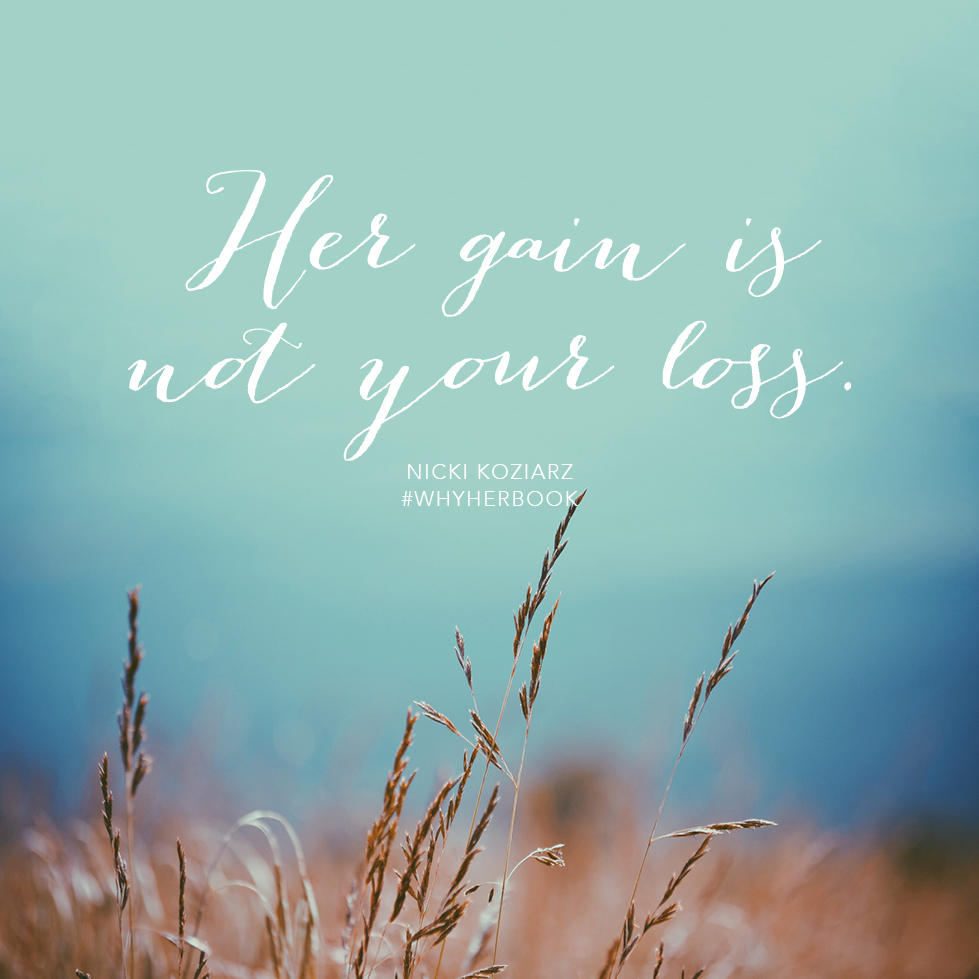
Several years ago, I participated in a Bible study using the book Why Her by Nicki Koziarz. The book focuses on the often painful struggle of comparison and provides insights to help women overcome this challenge. While I am generally a content person, different circumstances at that time made me particularly vulnerable to comparison, and I found myself constantly measuring my life against those around me.
At the time, the book was helpful. It offered valuable perspectives and practical advice that provided temporary relief and moments of clarity. However, I have come to realize that the real turning point in my struggle with comparison was not just the insights from a book but removing myself from the environment that was causing so much turmoil in my life.
The high-demand community I was part of created a culture of scrutiny and judgment, which significantly contributed to my feelings of inadequacy and self-doubt. I have written in a previous post that you cannot get well in the same toxic environment that was making you sick. Removing myself from that environment was a crucial first step in my healing process. It allowed me to gain perspective and start prioritizing my own well-being.
Reading my posts it may sound as if I am blaming all my problems on the religious community I was a part of, and while the environment was a factor, it was merely a catalyst for deeper issues. To begin healing, I had to confront and address these underlying problems and take responsibility.
Comparison is an internal issue that cannot be fixed with external solutions. True contentment comes from within and requires addressing the underlying insecurities and beliefs that fuel comparison. No amount of external validation or changes in circumstances can fully resolve this internal struggle. It takes introspection, self-compassion, and a shift in perspective to overcome the habit of comparing ourselves to others and find genuine peace and satisfaction in who we are.
Wherever you go, there you are—and if comparison is rooted within you, it will follow. Changing your surroundings won’t silence it; only shifting your mindset and finding contentment in your own journey can truly set you free.
Now, I am content not only with the choices I have made to create a healthier, more positive life, but also with who I am internally and externally, flaws and all. Looking back, I realize that the struggle was never about “her” or anyone else I compared myself to—it was always about me. By focusing on my own choices and well-being, I have found a sense of peace and fulfillment that comparison could never bring.






























 Looking Joli Good
