An Overwhelming TBR List: Wanting to Be More Intentional About What I Am Reading

I once knew a woman who bragged about the fact that she never read. I always felt bad for her because she has no idea that she is missing out on so many opportunities for growth, imagination, and connection. Reading opens doors to new worlds, ideas, and perspectives, and I couldn’t help but feel that by avoiding books, she was limiting her ability to expand her mind and experience life in a deeper way. It isn’t just about knowledge, it is about the richness that reading can bring to our lives, and I couldn’t understand why she would choose to forgo that.
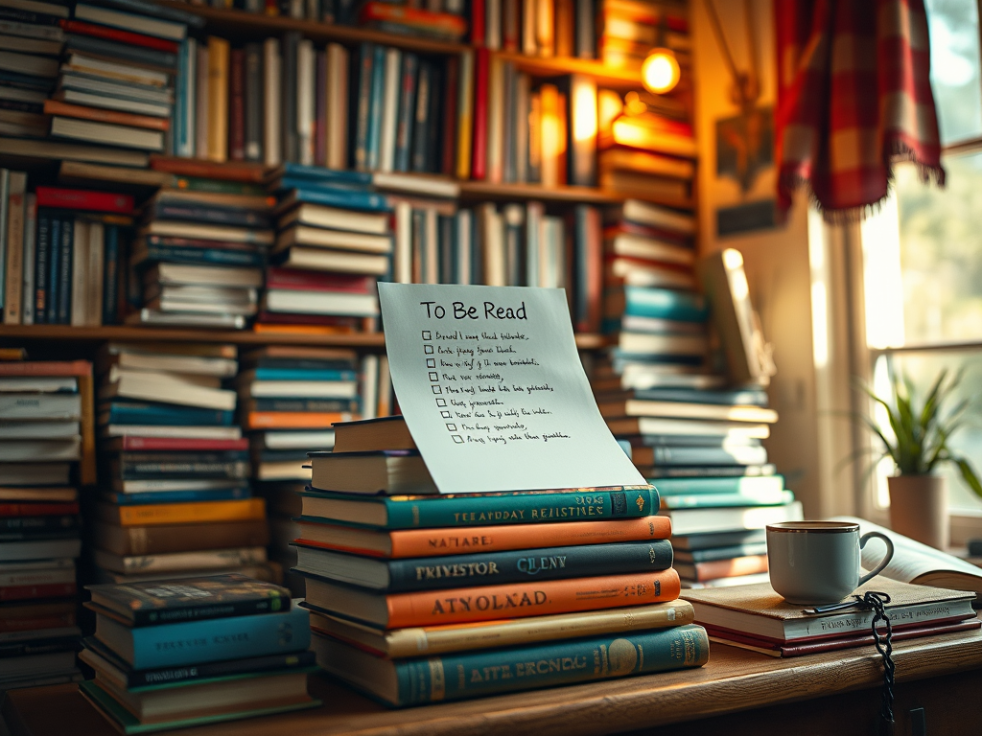
I love reading. It’s my escape, my way to learn, and often, my source of comfort. I use Goodreads to keep track of the books I have read and the books that I want to read. I currently have 742 books on my “To Be Read” (TBR) list. That is an insane number of books. With every new book I hear about, I add it to the list, thinking, “I’ll get to that one day.” But for some books that day has never come, and I’m left with a list that grows longer by the week. What started as an enjoyable hobby has turned into an overwhelming list. There are just too many options, and the pressure to read it all can seem impossible.Although, not so humble brag, but since 2012 when I started intentionally reading more, as well as keeping track of the books I read, I have read an astounding 927 books! Even with such a high number of books read, there are so many more that I want to read…742 to be exact.
I realized that I need to step back and approach my TBR list more intentionally, rather than letting it control me. I enjoy reading, but I also enjoy checking things off of a list. So, I’ve started reflecting on how to be more thoughtful about the books I choose and, more importantly, how to be more selective about the books I add to the list in the first place.
Understanding the Overwhelm

The first thing I had to do was admit to myself that my TBR list had become a bit of a problem. I added books because they were recommended by friends, because I saw them on social media, or because they seemed like the “right” books to be reading at the time. But the truth is, I wasn’t always in the mood for them, or they didn’t even align with what I was interested in anymore. My TBR had turned into a hodgepodge of random titles with no real purpose. I have grown and changed so much since I started that list in 2012, I have started looking through my TBR list and removing books that no longer align with who I am. I started by taking a hard look at what was on the list. Why had I added each book? Did it still spark my curiosity? Was it something I actually wanted to read right now? I still have more purging to do, but I have already removed a good number of books from my TBR list.
1. Setting Clear Intentions
I’ve started to think about what I really want from my reading. Am I looking to learn something new? Am I seeking a way to escape for a while? Setting clear intentions has helped me narrow down the books I actually want to dive into. For example, as I work on my Master of Science in Nursing (MSN) I’m currently drawn to books that explore population public health, so I’ve been prioritizing those. And when I’m in the mood for fiction, I know exactly what genres or authors to go for, instead of just adding random recommendations that don’t really resonate with me.
2. Prioritizing Books That Fit My Current Needs

Lately, I’ve realized how much easier it is to enjoy a book when it aligns with what’s going on in my life. If I’m going through a stressful period, I might choose something comforting or lighthearted. If I’m feeling more introspective, I’ll reach for a self-help or memoir. Being more intentional with my choices means I’m not just reading for the sake of reading, I’m reading what feels right for me at the moment. If I am feeling anxious or there is a lot going on, I am not going to be able to focus on a book that requires deep concentration or emotional investment. In those moments, I need something lighter or more soothing, perhaps a comforting novel I’ve read before or a book with simple, engaging prose. When my mind is scattered, the last thing I want is to feel frustrated by a complex plot or heavy themes. Instead, I want a story that can hold my attention without overwhelming me, something that lets me escape for a while without demanding too much of my mental energy.
3. Letting Go of Book FOMO

There’s a big part of me that wants to keep up with the latest trends and read the books everyone is talking about. But I’ve come to realize that I don’t need to read everything that’s popular. There’s no need to succumb to the pressure of reading what everyone else is reading just because it’s trending. I can read at my own pace, and if a book feels like it will bring me joy or insight, I’ll read it when I’m ready. Some people enjoy buying books and building their library, I prefer to borrow books from the library and have no problem waiting for a book that is on hold from the library. For me, there’s something satisfying about the anticipation of a book being available, knowing I’m part of a community of readers sharing the same space. It’s also a way to keep my collection from growing too large, which helps prevent the feeling of being overwhelmed by shelves full of unread books. Borrowing books also allows me to explore new genres and authors without the commitment of owning them, making my reading experience feel more fluid and flexible.
4. Embracing the Joy of Rereading
I used to feel like I always had to be reading something new, but I’ve started to embrace the idea of rereading books that I’ve loved in the past. It’s comforting to revisit stories or ideas that I’ve connected with before. Sometimes, I’ll pick up a book I’ve already read because I know it will bring me a sense of peace or spark new reflections. There’s no shame in rereading, it’s a way to deepen my connection to a book I know brings me value.

“A person who reads the same book twice is not the same person.” This idea reflects the notion that as we grow and change, our perspectives and interpretations evolve. Each time we revisit a book, we bring new experiences and insights to it, so even though the words on the page remain the same, the way we understand them can be entirely different. This speaks to how both the reader and the book can change over time, making each reading a unique experience.
5. Allowing Flexibility
Life changes, and so do my reading moods. Some books that seemed interesting six months ago don’t appeal to me now, and that’s okay. I’ve learned not to force myself to read something just because it’s on the list. If it doesn’t feel right, I’ll put it aside. I want to read books that excite me, not feel like I’m ticking boxes on an endless checklist.
I have a feeling that being more intentional about what I read will make a huge difference. I feel more connected to the books I’m choosing, and reading feels like something I want to do, not something I have to do. By focusing on what truly matters to me at this moment, I’ve been able to turn my TBR list from an overwhelming pile into something manageable and enjoyable. I’m going to savor my reading experiences rather than rushing through books just to cross them off.
The books I recommend that I have already read in 2025
Evicted: Poverty and Profit in the American City by Matthew Desmond**
Just Mercy by Bryan Stevenson**
The Midnight Feast by Lucy Foley**
In case you are interested, here is a list of the top 10 books I read in 2024:
Yellowface by R.F. Kuang
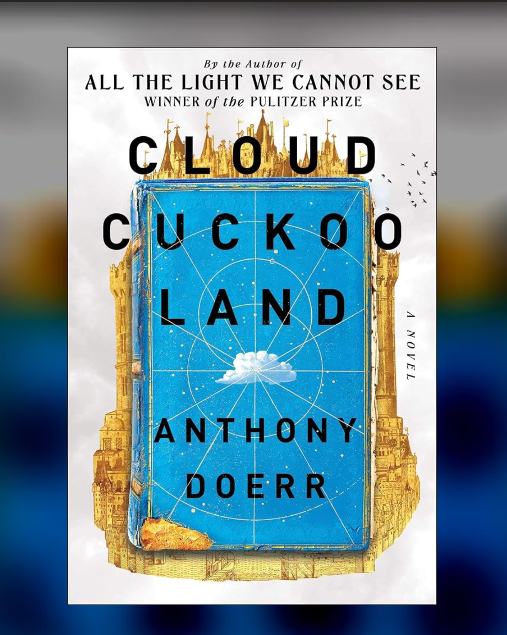
Cloud Cuckoo Land by Anthony Doerr
The Goldfinch by Donna Tartt
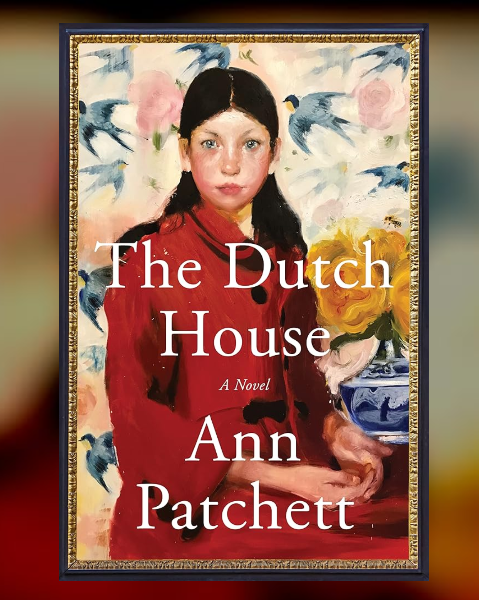
The Dutch House by Anna Patchett
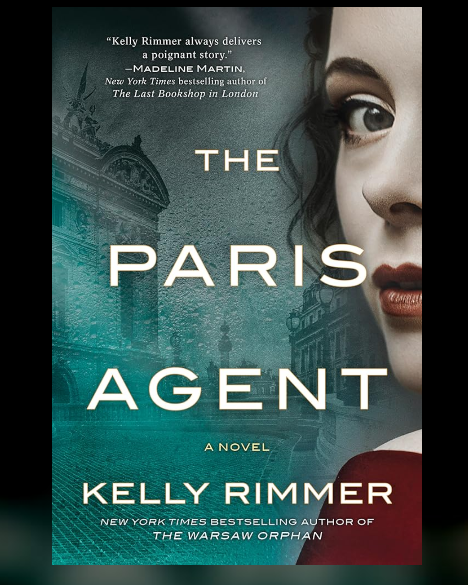
The Paris Agent by Kelly Rimmer
The Women by Kristin Hannah
The House of Eve by Sadeqa Johnson
The Lovely War by Julie Berry
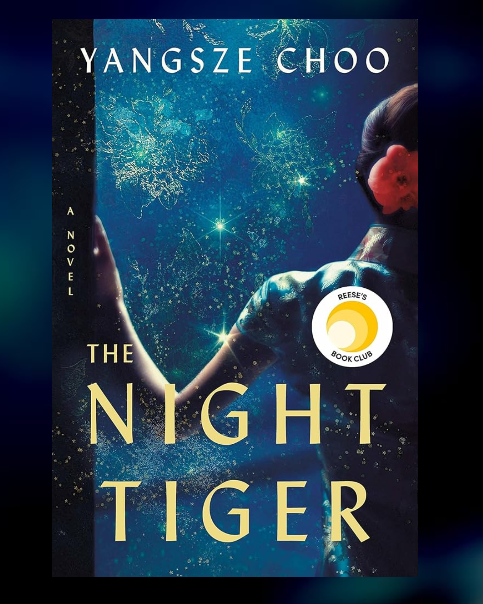
The Night Tiger by Yangsze Choo
Here One Moment by Laine Moriarty
Personally, I prefer to I borrow the books I read from the library, but when I do buy books I like to check out Thriftbooks.com






**An affiliate link is a unique URL provided by an affiliate program or network to their partners, such as bloggers or website owners. When someone clicks on an affiliate link and makes a purchase or completes a desired action, the affiliate partner earns a commission or other form of compensation. These links are specifically tracked to attribute sales or conversions generated through the partner’s promotional efforts. In summary, an affiliate link is a specialized link that allows partners to earn commissions by driving traffic and sales to a particular product or service.**
















 Looking Joli Good