Delicious Recipes

Thanksgiving Sweet Potato Casserole

Every year, I look forward to Thanksgiving dinner, and it’s not just about the turkey or mashed potatoes. Even though the pies and desserts are a treat, what I eagerly look forward to eating the most is this amazing Sweet Potato Casserole! Its irresistible flavor makes Thanksgiving truly memorable. I’ve mentioned this before, but as it continues to be my top pick, I can’t resist sharing this recipe once again today. I’ll be daydreaming about this delightful dish all night!

Ingredients

Sweet potato casserole | lookingjoligood.blog
  • 4 cups sweet potato, cubed
  • 1/2 cup white sugar
  • 2 eggs, beaten
  • 1/2 tsp cinnamon
  • 1/2 teaspoon salt
  • 4 tablespoons butter, softened
  • 1/2 cup milk
  • 1/2 teaspoon vanilla extract
  • 1/2 cup packed brown sugar
  • 1/3 cup all-purpose flour
  • 3 tablespoons butter, softened
  • 1/2 cup chopped pecans

Directions

  1. Preheat oven to 325 degrees F (165 degrees C). Put sweet potatoes in a medium saucepan with water to cover. Cook over medium-high heat until tender; drain and mash. (or use canned yams and skip this step altogether.)
  2. In a large bowl, mix together the sweet potatoes, white sugar, eggs, cinnamon, salt, butter, milk and vanilla extract. Mix until smooth. Transfer to a 9×13 inch baking dish.
  3. In a medium bowl, mix the brown sugar and flour. Cut in the butter until the mixture is coarse. Stir in the pecans. Sprinkle the mixture over the sweet potato mixture.
  4. Bake in the preheated oven 30 minutes, or until the topping is lightly brown.

If you try it, please let me know!  I have a feeling that you will love it too!

Laura lookingjoligood.wordpress.com

I would love for you to follow me on TwitterInstagram,  Pinterest, and Facebook. You can find me as Looking Joli Good on all four.

Lifestyle

Discover the Power of Savings with Rakuten! Literally Getting Paid to Shop Online!

https://www.rakuten.com/r/LAURAJ1824?eeid=28187
Getting Paid to Shop Online!

Before Black Friday and Cyber Monday, I want to take a quick break from my usual content to tell you about a simple way to make xtra money shopping for the things that you already plan to purchase, Rakuten .

**This is NOT a sponsored post. Rakuten has no idea that I am writing this.  I just love to share good deals with all of you! **This post contains referral links**

When you are shopping online, do you use Rakuten (formerly known as Ebates)? If you are not, you are missing out on free money!

Ready to revolutionize your shopping experience and supercharge your savings? Look no further than Rakuten, your ultimate shopping cash back companion! It might seem hard to believe that giving away money for free is a real thing and not a scam. Getting paid cash back from Rakuten really is as simple as shopping online and getting paid!!

I realize that it sounds way too good to be true!  I had always been a bit skeptical, but it is really a legit thing.  I signed up on the recommendation of my sister, since then I have been paid more than $500 by Rakuten all while shopping for things I was already planning to buy.

It is literally getting paid to shop online for things that I am already buying.

It is so easy! You simply go to the Rakuten site, sign up with your name, email, and address, start shopping, and earning cash back! It is that simple

You can either search through their search bar for the site you want to go to, or add their cash back button to your web browser and have the cash back added automatically as you shop.

There are all kinds of sites that you can earn money from, TargetKohl’s SephoraUltaZappos, and Amazon just to name a few.

If you are interested in earning some money during your daily or holiday online shopping, take a look at Rakuten.

Here is a referral link that they gave me to share with you. I’d love for you to sign up using my referral link, because if you join using my referral link and spend at least $30 on your usual online shopping, within the first 90 days after signing up, we will both get a check for $30! What’s better than free money?!

Click here to join Rakuten and start getting cash back as you shop online.

Here is my referral link https://www.rakuten.com/r/LAURAJ1824?eeid=28187

Stop letting your money slip through your fingers while shopping online. Rakuten is your ticket to an upgraded shopping experience. Don’t miss out on the opportunity to turn your everyday purchases into extraordinary savings.

Happy shopping and happy earnings!

lookingjoligood.wordpress.com

**A referral link is a unique URL or hyperlink that is assigned to an individual and used to track referrals or recommendations made by that person. It is free of charge to you. When someone clicks on a referral link and takes a desired action, such as making a purchase or signing up for a service, the person who shared the link may receive some form of reward or benefit, such as a discount, commission, or other incentives. Referral links are commonly used in affiliate marketing programs or referral programs to encourage word-of-mouth marketing and incentivize individuals to promote products, services, or platforms to their friends, family, or followers.**

Love and Life

Never Underestimate the Big Importance of Doing Small Things!

A few years ago, I was going through a challenging time in my life. I felt overwhelmed by the weight of my responsibilities and the uncertainty of the future. It was during this period that a simple act of kindness from one of my patients left a lasting impression on me.

letter  | lookingjoligood.blog

One particularly tough week, as I was preparing for my next patient assignment, lost in my thoughts, a cancer patient I had taken care of often who was being cared for by another nurse that day and handed me a small, handwritten note. The note read, “You are stronger than you think, and your kindness matters more than you will ever know.” Those words of encouragement meant more to me that day than she will ever realize.

At that moment, it felt like a ray of sunshine breaking through the clouds. It was a small thing, a mere piece of paper with a few words, but it had a profound effect on my outlook. It reminded me that there was goodness in the world, that even a patient dying of cancer could offer a dose of hope when it was needed the most.

I carried that note with me for a long time, stuck onto my locker door. Whenever I faced a tough day or felt my resolve waver, I would take a look at it and read those words again. It became a source of strength, a reminder that even the smallest acts of kindness can have a significant impact on someone’s life.

This experience taught me that we all have the power to make a positive difference in the lives of others through small, thoughtful gestures. It’s not always about grandiose deeds or extravagant displays of generosity; sometimes, it’s the little things, like a kind word or a sincere smile, that can brighten someone’s day or provide the support they need.

In my own life, I’ve tried to pay it respect to that patient’s memory by embracing the idea that small things matter. Whether it’s a handwritten note of encouragement, offering a listening ear to a friend in distress, smiling at a stranger, or simply being present for someone during a difficult time, I’ve come to understand the profound impact these small actions can have.

“Never underestimate the big importance of doing small things,” They remind me of the power of kindness, empathy, and the little gestures that can make the world a better place—one small act at a time.

Laura lookingjoligood.wordpress.com
Health/ Fitness

Early Detection Saves Lives!

October is Breast Cancer Awareness month! As an oncology nurse, I feel the need to spread the word that early detection saves lives!

Breast cancer is the most common cancer among women in the United States, with over 280,000 new cases diagnosed each year. It is also the second leading cause of cancer death among women, after lung cancer. However, early detection and treatment can significantly improve survival rates.

Early Detection Saves Lives | lookingjoligood.wordpress.com

The goal of Breast Cancer Awareness Month is to educate the public about breast cancer, including the risk factors, signs and symptoms, and early detection methods. It is also a time to raise funds for research and support services for people affected by breast cancer.

Get screened. If you are a woman over the age of 40, talk to your doctor about getting regular mammograms. Mammograms can detect breast cancer early, when it is most treatable.

Early Detection Saves Lives | lookingjoligood.wordpress.com

Know the signs and symptoms. Breast cancer can cause a variety of signs and symptoms, including a lump in the breast, changes in the size or shape of the breast, nipple discharge, and pain in the breast or underarm. If you experience any of these symptoms, be sure to see your doctor right away.

Talk to your friends and family. Encourage the women in your life to get screened for breast cancer and to know the signs and symptoms. You can also talk to them about the importance of breast cancer awareness and how to get involved.

Breast Cancer Awareness Month is a time to come together to support those affected by breast cancer and to raise awareness about this important disease. By getting involved, you can help make a difference.

There are a number of ways to get involved in Breast Cancer Awareness Month. You can donate to a charity that supports breast cancer research or support services, participate in a fundraising event, or simply talk to your friends and family about the importance of early detection.

Laura lookingjoligood.wordpress.com
Love and Life

Fitness Tracker Fixation: From Motivation to Obsession

Let me tell you a love story that turned into an unhealthy obsession…I remember when I first got my fitness tracker. I had recently started working out and focusing on becoming a better version of myself. It was an exciting new motivational gadget that promised to help me stay on top of my fitness goals and track my progress. At first, it was incredibly motivating. I would eagerly check my steps, heart rate, and calorie burn throughout the day, striving to meet and exceed my daily targets. Seeing the numbers go up gave me a sense of accomplishment and encouraged me to push myself further in my workouts.

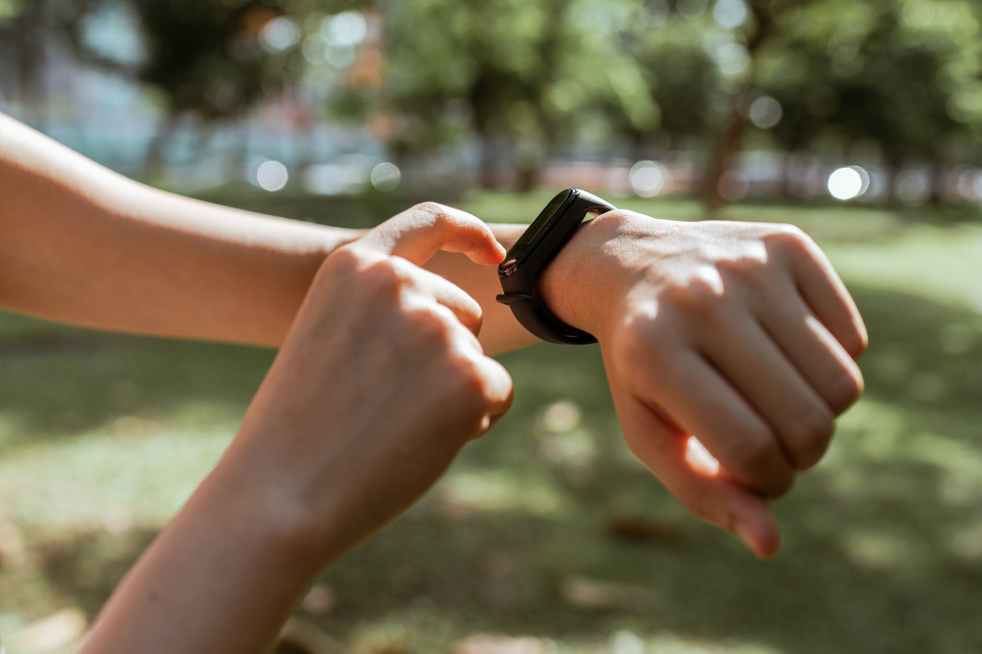
As days turned into weeks and weeks into months, into 12 years, my reliance on the fitness tracker grew. It became a constant companion, always strapped to my wrist, monitoring my every move. While it did keep me accountable and motivated for a while, it eventually turned into an obsession that started to cause anxiety.

I began to feel anxious whenever I couldn’t reach my daily targets.I didn’t want to move around too much or take any steps if I wasn’t wearing my tracker, every step needed to be accounted for! Missing a day of exercise or falling short of my step count would send me into a spiral of self-criticism and disappointment. It felt like the fitness tracker was just another way of judging whether I was succeeding or failing. I was giving myself an invisible test every single day that my success or failure was determined by the metrics on the tracker. It was supposed to be a helpful tool, but it started to feel like a demanding taskmaster instead.

The constant focus on numbers and metrics began to overshadow the joy I once found in physical activities. Activities that used to bring me pleasure and a sense of freedom turned into a means of achieving targets and gauging my value. It was no longer about enjoying a walk in nature with my dog or a bike ride on a beautiful day; it was about meeting a step count or burning a specific number of calories.

One day, I decided to take off my fitness tracker and give myself a little break from the constant monitoring. I felt relieved! It was then that I made the decision to break up with my fitness tracker and end our codependent relationship. Like leaving any toxic relationship, it was, dear I say, liberating! Suddenly, I was free from the pressure of meeting daily goals and expectations. I could exercise without feeling like I was being graded. I could move around because I wanted to and not because I felt I needed to “get my steps in.”

In the end, breaking up with my fitness tracker may seem like a small thing, but it was a turning point for me! It allowed me to escape the cycle of anxiety I had gotten myself trapped in and regain a healthier perspective on exercise and fitness. While there was a whole lot more that went into it than just removing the tracker from my wrist, letting go was a big step for me! I know that I am more than just the numbers on a device, and my worth isn’t determined by how many steps I take in a day, but having the tracker on reinforced my need to strive for a goal of perfection.

My experience with wearing a fitness tracker taught me a valuable lesson: my worth and value cannot be defined by numbers or data points. I don’t need a fitness tracker to gauge my worth. My true worth lies in celebrating my progress without fixating on perfection, and nurturing a positive relationship with my body and mind. It comes from recognizing that my value extends far beyond physical achievements, and that I am deserving of love, respect, and happiness simply for being alive. In the end breaking up with the reliance on a fitness device allows me to live a happier life.

Wondering why I became obsessed with my fitness tracker? Check out my post about high-functioning anxiety by clicking HERE!

lookingjoligood.wordpress.com

I would love for you to follow me on InstagramTwitterPinterest, and Facebook. You can find me as Looking Joli Good on all four.

Disclaimer: The experiences and insights shared in the above post regarding fitness trackers and anxiety are based on personal experiences and should not be construed as professional advice. Each person’s response to fitness trackers may vary, and what works for one person may not work for another. Each person’s fitness journey is unique, and finding a balanced approach that prioritizes mental and emotional well-being is crucial. If you experience anxiety or any other negative emotions related to the use of a fitness tracker, consider seeking guidance from a healthcare professional or fitness expert to find alternative methods that align with your personal needs and goals. If you are considering using a fitness tracker or facing any health-related concerns, it is essential to consult with a qualified healthcare professional or fitness expert for personalized guidance and recommendations.

Finding Faith Following Fundamentalism · Health/ Fitness

Cultivating Calm While Dealing With High-Functioning Anxiety

Neutral Beauty | lookingjoligood.blog

I recently opened up about my experience with high-functioning anxiety. Sharing my vulnerabilities isn’t easy, but I believe my story can offer support to others. While I usually appear strong, inside, I’ve often felt the weight of high-functioning anxiety. Thankfully, I’ve discovered effective strategies for coping and finding calm. I want to share these techniques because I believe everyone deserves support and peace of mind amidst life’s challenges.

First and foremost, if you suffer with anxiety, I want you to know that your anxiety doesn’t define you. It’s just a part of who you are, and that’s okay. Accepting that has been a game-changer for me. It’s allowed me to let go of the guilt and self-judgment and embrace my anxiety as a natural human experience. (see below for the seven signs of high-functioning anxiety)

There was a time in my life when high-functioning anxiety consumed me, and I found myself engaging in unhealthy behaviors to cope. Looking back, I didn’t like the person I had become during that phase. However, that realization became a turning point in my journey towards making a change.

Finding Calm | lookingjoligood.blog

Managing high-functioning anxiety is a journey, not a destination. There are ups and downs, and that’s okay. I celebrate even the smallest steps of progress I have made along the way.

The first step towards a better path was: Self-Reflection and Acceptance

Acknowledging the negative impact of my behaviors was a crucial step. I took time to reflect on how these coping mechanisms were not aligned with the person I wanted to be. I accepted that change was necessary for my well-being, growth, and peace. While I’m not going to share here all the details of what caused my anxiety, it is important to get to the root problem. Nothing will change if nothing changes.

Recognizing  Unhealthy Coping Mechanisms

My high-functioning anxiety led me down a path of unhealthy coping mechanisms. Instead of addressing my anxiety directly, I found myself engaging in excessive exercise and restricting my food intake as a way to manage my emotions. Unfortunately, these behaviors only created greater issues. While physically I looked healthy, my mental health was distressing. When an injury caused me to no longer be able to exercise, I finally recognized that relying on exercise as avoidance was not serving me well. It was essential to find healthier ways to navigate and address my anxiety.

Embracing Healthy Coping Strategies

Once I had the determination to change, I sought out healthy coping strategies that would better serve me. In the past, engaging in regular physical exercise had been a go-to outlet for releasing tension, boosting my mood, and temporarily improving my mental health. However, circumstances had changed, and I was no longer able to rely on this particular outlet.

That’s when I turned to journaling and intentional actions as my new means of managing anxiety. I am incredibly grateful that I discovered the power of journaling as a tool for expressing and processing my emotions in a healthier way. At times, my journal entries might seem like a rambling mess, but I’ve come to accept that working through emotions can be messy.

Through journaling, I found a safe space to unload my thoughts, fears, and insecurities without judgment. Putting pen to paper allowed me to externalize my anxieties, making them tangible and easier to confront. The act of writing itself became cathartic, helping me gain clarity and perspective on the root causes of my anxieties.

Sometimes, the process of journaling led me to unexpected revelations and insights. As I poured my thoughts onto the pages, patterns emerged, and I could trace recurring triggers or negative thought patterns that fueled my anxiety. This awareness empowered me to challenge and reframe those patterns, gradually replacing them with more positive and constructive perspectives.

To complement my journaling practice, I started incorporating intentional actions into my daily routine. I discovered that taking small, purposeful steps towards my goals helped alleviate anxiety by creating a sense of control and progress. Whether it was breaking tasks into manageable chunks, setting achievable goals, or prioritizing self-care activities, each intentional action contributed to my overall well-being and reduced the influence of anxiety in my life.

Cultivating Self-Compassion and Self-Care

One of the most significant shifts in this journey has been learning to be kinder to myself. I now embraced self-compassion, understanding that I am doing the best I can with the tools I have at the time.

Nurturing my physical, mental, and emotional well-being through positive self talk has become a daily practice. I often repeat the mantra “Though I (insert negative action here) I still love and fully accept myself.”  This might seem a bit awkward at first, but replacing the negative thoughts with positive affirmations is absolutely necessary!

For example:

  1. “Even though I am imperfect and make mistakes, I still love and fully accept myself.”
  2. “Even though I am facing challenges and setbacks, I still love and fully accept myself.”
  3. “Even though I have fears and doubts, I still love and fully accept myself.”
  4. I am worthy of love and respect.
  5. I am strong and capable.
  6. I am intelligent and creative.
  7. I am worthy and grateful for all that I have.
  8. I am capable of achieving my goals.
  9. I am deserving of happiness and success.
  10. I am loved and supported.
  11. I am making a difference in the world.
  12. I AM ENOUGH just the way I am.

Positive affirmations have the remarkable ability to replace negative self-talk with empowering and uplifting thoughts. By consciously choosing positive statements and repeating them regularly, we can reshape our mindset, boost self-esteem, and cultivate a more positive outlook on life.

(In a future post I will be sharing more about true self-care.)

Embracing Vulnerability

Finding Calm | lookingjoligood.blog

As I let go of my previous unhealthy coping mechanisms, I discovered the beauty of vulnerability. I allow myself to feel and express my emotions openly, without fear of judgment. Even when I am judged, I try to allow it to roll off my back without taking it to heart. (Sometimes easier said than done) Embracing my true self, flaws and all, has brought a newfound sense of liberation. It’s unrealistic for me to expect perfection from myself when I don’t expect perfection from anyone else.

Seeking Support and Building a Supportive Network

You don’t have to face these challenges alone. Seek support from trusted friends, family, or professionals who can provide guidance and encouragement. Surround yourself with a supportive network that understands and validates your experiences, offering a safe space to share your fears and triumphs. Also, give yourself permission to break free from relationships that hinder your growth or bring negativity into your life. It’s essential to recognize that if you consistently feel worse about yourself after spending time with certain people or being part of specific groups, it’s time to reevaluate your time investment with them. While letting go might appear daunting or unattainable, I can tell you from my own life that, yes, it is undeniably challenging, but it is incredibly absolutely worth it.

Take Small Steps

Start by taking small steps outside your comfort zone. Break down the larger tasks into manageable chunks and celebrate each accomplishment along the way. Gradually exposing yourself to new experiences will help build confidence and resilience. I recently decided to go back to school to pursue a Masters degree. I found myself overwhelmed with anxiety in the week leading up to each new class. Worries flooded my mind: Where would I park? How would I find the building or room? Would I fail miserably in all my classes? And the fear of looking like a complete fool loomed over me. Yet, as I confronted these concerns, I discovered that they were merely simple tasks, easily conquered with a bit of time and reaching out for assistance. Stepping out of my comfort zone and diving into the unknown has proven to be a catalyst for personal growth and development. It has pushed me to stretch my limits and expand my horizons.

Continuous Growth and Learning

My journey towards self-awareness and personal growth is an ongoing process. I am committed to learning, evolving, and refining my coping strategies. I recognize that there may be setbacks, but I approach them with a belief in my ability to overcome challenges. I have learned to give myself grace during times of transition and growth.

The person I was while dealing with high-functioning anxiety didn’t align with my values, yet it became the catalyst for my changes. If you find yourself engaging in poor coping mechanisms while dealing with high-functioning anxiety, know that change is possible. At first it will be a slow intentional process, it will take consisten work, but it is absolutely worth the time and effort.

Take time to reflect on your behaviors, seek support from others, and embrace healthier alternatives. Your peace of mind and mental well being is worth it.

Laura lookingjoligood.wordpress.com

Disclaimer: The information provided is based on general knowledge and personal experience and should not be considered as a substitute for professional medical advice or treatment. While I am a nurse, I am not your personal healthcare provider. It is advisable for you to consult with your own designated healthcare professional to determine the best course of action for your specific situation for personalized guidance and recommendations tailored to your specific needs.

Below is a review of what the Montare Behavioral Health has to say about the clinical signs of high-functioning anxiety.:

What are the 7 Signs of High-Functioning Anxiety?
  1. Perfectionism: People with high-functioning anxiety may set impossibly high standards for themselves and may become overly critical or self-judgmental when they don’t meet their expectations.
  2. Overthinking: Individuals with high-functioning anxiety may overanalyze situations, events, or conversations, often ruminating on the past or worrying about the future.
  3. Avoidance: People with high-functioning anxiety may avoid certain situations or experiences, such as social events or new opportunities, due to fear or anxiety.
  4. Procrastination: Individuals with high-functioning anxiety may procrastinate on tasks or projects due to fear of failure or not meeting their own expectations.
  5. Need for control: People with high-functioning anxiety may try to control every single aspect of their lives in an effort to reduce anxiety or worry.
  6. Physical symptoms: Individuals with high-functioning anxiety may experience physical symptoms such as muscle tension, headaches, or gastrointestinal issues due to their anxiety.
  7. Imposter syndrome: People with high-functioning anxiety may feel like they are not worthy of their accomplishments and may constantly doubt themselves or their abilities.
Lara. (2023). The 7 Signs of High-Functioning Anxiety. Montare Behavioral Health | Mental Health Treatment in Los Angeles. https://montarebehavioralhealth.com/7-signs-of-high-functioning-anxiety/

Health/ Fitness · Lifestyle

High-functioning Anxiety and Imposter Syndrome are BFFs

Imposter Syndrome... | lookingjoligood.blog

Abstract/TL;DR: Imposter syndrome is a struggle experienced by high-achievers who doubt their abilities and fear being exposed as frauds. It is closely connected to high-functioning anxiety, where individuals appear to have it all together but deal with internal anxiety. Imposter syndrome can be exacerbated by external pressures and judgment, such as those found in certain church communities. Recognizing and addressing imposter syndrome and high-functioning anxiety is crucial for personal growth and well-being. Practicing self-compassion, seeking support, and challenging negative beliefs are important steps in overcoming these challenges. Journaling can be a helpful tool in the process.

As someone who constantly strives for perfection, admitting my feelings and shortcomings isn’t something that comes easily to me. However, I’ve made the decision to share my experiences because I believe they can potentially benefit others. Honesty and transparency are important to me, and I truly appreciate your open-mindedness as I share my struggles.

Imposter syndrome has been a constant struggle throughout my life. It’s that nagging feeling that convinces me I don’t deserve my accomplishments and that I’ve somehow fooled everyone into thinking I’m capable when, deep down, I feel like a fraud. It doesn’t matter how many achievements I’ve earned or positive feedback I receive; there’s always that voice in my head telling me that I’m not as intelligent, talented, or skilled as others perceive me to be. I find myself constantly comparing my abilities to those of others, believing that they possess some innate ability or knowledge that I lack.

Instead of feeling proud when praised for my work, I’m often overwhelmed by anxiety. I question whether I truly earned the recognition and worry that some flaw will be discovered, undermining my achievements. It always feels like there’s more I could and should be doing.

Imposter Syndrome... | lookingjoligood.blog

For instance, during the pandemic, I took on a new nursing position that was completely unfamiliar to everyone involved due to the unprecedented circumstances. Despite knowing I was a capable and intelligent nurse, the unlicensed and unqualified people I worked with constantly questioned my decisions. They would ask, “Who do you think you are?” or “Why do you think you can tell us what to do?” This was incredibly challenging and frustrating because, despite being qualified and having the Department of Health on my side, I already struggled with fearing being exposed as a fraud. Imposter syndrome certainly didn’t help matters.

While I generally have no issue with self-confidence in my daily life and can easily make decisions, being in a situation where my competence was constantly doubted intensified my fears and anxiety, turning it into a nightmare. Even though I knew I was qualified and had the support of many others, the persistent questioning made me doubt myself. Their relentless criticism fed into my feelings of being an imposter. It was undoubtedly a difficult time, but it also highlighted the importance of addressing these internal struggles, finding ways to build confidence, stand my ground, and overcome the grip of imposter syndrome.

Imposter syndrome is closely intertwined with something I recently discussed called high-functioning anxiety. It’s when you appear to have everything together on the surface but battle significant anxiety internally. I tend to set excessively high standards for myself and worry incessantly about making mistakes. It’s like living in a pressure cooker of feeling perpetually inadequate and fearing that despite my best efforts, people will perceive me as incompetent.

Imposter Syndrome... | lookingjoligood.blog

The link between imposter syndrome and high-functioning anxiety stems from the fear of being exposed as a fraudulent “imposter.” The anxiety that accompanies high-functioning anxiety amplifies these feelings of fraudulence and intensifies the fear of failure or being discovered as undeserving. That’s why many people with imposter syndrome seek validation and reassurance from others, even though they often struggle to believe the reassurances themselves. They fear that without external validation, others will finally see their “true” incompetence. (Sounds familiar to the concept of words of affirmation as a love language, doesn’t it?)

It’s a vicious cycle. Achievements are attributed to external factors rather than recognizing one’s own capabilities and hard work. This self-doubt undermines accomplishments and fosters the belief that one is not good enough. The anxiety and self-doubt stemming from high-functioning anxiety only exacerbate imposter syndrome, perpetuating feelings of inadequacy and a constant fear of failure.

Imposter syndrome becomes even more challenging when faced with hypercritical individuals who exploit it for their own gain. These people manipulate and harm you by exploiting your desire to do more, achieve perfection, and master your craft. Unfortunately, I’ve personally experienced this in my own life.

The church community I was once a part of played a significant role in contributing to and worsening my high-functioning anxiety and imposter syndrome. Although it was a place meant to provide support, acceptance, and spiritual growth, I often felt judged and inadequate within its confines. The constant pressure to conform to a specific mold of what a “good Christian” should be created an overwhelming sense of falling short. The emphasis on perfection, both in appearance and spirituality, intensified my feelings of not belonging and fueled the self-doubt that already plagued me. I could outwardly conform to their expectations, but deep down, I questioned whether I genuinely believed what they were teaching. The doubt only amplified my feelings of being an imposter, and I developed a fear of exposure. It seemed as though certain people wanted me to fail, almost as if they were eagerly waiting to hold me accountable for any misstep. Breaking free from that particular church community was initially challenging, but it ultimately provided the freedom to rebuild my confidence and rediscover my true identity.

You have imposter syndrome, yet you always seem so self-confident?! That’s because I am…

I’ve realized that I can totally experience imposter syndrome while still having moments of feeling really confident in myself. It’s like there are these two sides of me that sometimes don’t agree.

There are things that I know I’m good at, during those times, I feel super confident, like I can conquer the world. But then, there are those situations that I’m not 100% sure about, and out of nowhere, this little voice inside my head starts asking, “Are you sure you’re not just lucky? What if you fail? What if you really don’t know what you are doing? What others find out you’re not that amazing?” Imposter syndrome starts creeping in.

Despite the imposter syndrome, I can still have confidence in myself, especially when I’m taking on challenges or doing things I know I’m good at. It’s just that imposter syndrome can sneak in and mess with my head when I am not fully confident, making me question myself even when everything seems to be going fine.

I’m starting to realize that it’s okay to have these mixed feelings. Lots of people go through it – feeling both confident and unsure at the same time. I’m learning to handle this by understanding that it’s a natural part of being human. And by working on this understanding, I can hopefully find a better balance between feeling confident and dealing with imposter syndrome.

This journey of overcoming imposter syndrome is ongoing, and I’m taking small steps every day to combat these feelings of inadequacy. Surrounding myself with supportive people and practicing self-compassion are crucial aspects of my efforts. It may be a long road ahead, but I’m determined to break free from the grip of imposter syndrome and embrace my true worth. Learning to celebrate my achievements and disregarding the voice of imposter syndrome in the back of my mind is no easy task, but with perseverance, it is possible.

Why am I sharing all of this with you? If you also struggle with imposter syndrome, I want to help you find confidence and feel less alone. Practicing self-compassion and reminding yourself of your worth are important steps. Seeking support from trusted individuals can provide guidance and validation in navigating these complex experiences. Personally, I’ve found journaling to be instrumental in my journey. With time, reflection, and support, a more balanced perspective can develop.

If you would like to know more about my struggle with high-functioning anxiety you can read more by clicking HERE.

Check out my recent post about how I have been finding faith following my choice to leave fundamentalism by clicking HERE.

If you still want to read more of what I have to say, check out my post about discovering that I am covered by grace and I am not desperately wicked by clicking HERE

Laura lookingjoligood.wordpress.com

Disclaimer: The information provided is based on general knowledge and personal experience and should not be considered as a substitute for professional medical advice or treatment. While I am a registered nurse, I am not your personal healthcare provider. It is advisable for you to consult with your own designated healthcare professional to determine the best course of action for your specific situation for personalized guidance and recommendations tailored to your specific needs.

Resources

  • The Impostor Phenomenon: Overcoming the Fear that Haunt Your Success by Pauline Rose Clance and Suzanne Imes
  • The Secret Thoughts of Successful Women by Valerie Young
  • The Gifts of Imperfection by Brené Brown
  • Educated: A Memoir by Tara Westover
  • The Imposter Cure: How to Stop Feeling Like a Fraud and Escape the Mind-Trap of Imposter Syndrome by James Hibberd
  • The Confidence Code: The Science of Self-Assurance – What Women Should Know by Katty Kay and Claire Shipman
  • The Mindful Path to Self-Compassion: Freeing Yourself from Negative Thoughts and Emotions by Christopher Germer and Kristin Neff
  • Daring Greatly: How the Courage to Be Vulnerable Transforms the Way We Live, Love, Parent, and Lead by Brené Brown
Finding Faith Following Fundamentalism · Health/ Fitness

Hello, My Name is Laura, and I Have High-Functioning Anxiety…

High-Functioning Anxiety | lookingjoligood.blog

Abstract/TL;DR: High-functioning anxiety silently impacted my life, causing restlessness and unease. Discovering this condition provided clarity and a path to coping. I realized that my constant striving for perfection and comparing myself to others were manifestations of anxiety. Learning about high-functioning anxiety was a relief and validation. I’ve embarked on a journey of healing, practicing self-compassion, mindfulness, and prioritizing mental well-being. While anxiety still arises, I face it with resilience and support. Opening up has fostered connections, and I no longer define myself by anxiety. Each day brings challenges, but I’m hopeful and equipped to navigate them.

It’s difficult for me to admit what I’m about to share, but I believe that by opening up about my pain and experiences I may be able to help someone else. I appreciate your willingness to listen and I’m grateful for the opportunity to share my story.

Have you ever felt like you were constantly juggling multiple responsibilities, meeting high expectations, and pushing yourself to excel in every aspect of your life? Have you experienced a persistent feeling of restlessness, worry, and an underlying sense of unease, even when everything appears to be going well? If so, you like me, may have “high-functioning anxiety.”

For the longest time, I was unaware of this concept, yet it silently shaped my experiences, leaving me feeling like I was just coping with the challenges life threw at me. Little did I know that the nagging feeling deep within me was a manifestation of high-functioning anxiety, silently dictating my thoughts, actions, and emotions. It wasn’t until I discovered this condition that I began to make sense of my struggles and, most importantly, learn effective ways to cope and manage this anxiety that had been silently plaguing me for so long.

High-Functioning Anxiety | lookingjoligood.blog

I genuinely believed that I was simply coping with the demands of everyday life. I thought that feeling overwhelmed was just a normal responses to the pressures I faced. I pushed myself relentlessly, always striving for perfection and never allowing my mind to rest. Despite my achievements, there was always a nagging feeling deep within me that something wasn’t quite right.

I don’t lack self-confidence and I am not a people pleaser, but I am highly motivated to know what is expected of me and to do it well. I would compare myself to others, constantly doubting my abilities and fearing that I would be exposed as a fraud. I dismissed my racing heartbeat, sweaty palms and overwhelming dread of certain situations as typical stress responses, not realizing that they were manifestations of a deeper anxiety. I often said “I’m not an anxious person.” Because I wasn’t exhibiting the signs and symptoms of classic anxiety, I was in denial. Convincing myself that I was strong and capable, even as anxiety gnawed at my insides. It wasn’t until the anxiety subsided that I realized how deeply I had been affected by it.

But as time went on, that nagging feeling grew louder, and I couldn’t ignore it any longer. It was like a constant companion, reminding me that something was off. I began to question why seemingly simple tasks would trigger intense feelings. I felt exhausted by the constant mental chatter, unable to silence the anxious thoughts that infiltrated every aspect of my life.

By chance, I stumbled upon an article about high-functioning anxiety. As I read through the descriptions, it was as if someone had lifted a veil from my eyes. The pieces of the puzzle finally fell into place, and I realized that what I had been experiencing all along was not mere coping, but rather high-functioning anxiety.

Learning about high-functioning anxiety was both a relief and a revelation. It provided an explanation for the constant inner turmoil I had been enduring. It gave me a sense of validation, knowing that I wasn’t alone in this struggle and that there was a name for what I was going through.

High-Functioning Anxiety | lookingjoligood.blog

Since discovering that I have high-functioning anxiety, I’ve embarked on a journey of learning and healing. I’ve learned to recognize the signs of anxiety and to be more compassionate towards myself. I now understand that my worth isn’t solely defined by external achievements or the opinions of others. I’ve started practicing self-care and prioritizing my mental well-being. I’ve embraced mindfulness techniques to ground myself in the present moment and challenge the negative thoughts that fuel my anxiety.

It hasn’t been an easy road, and there are still moments when anxiety rears its head and tries to take control. But armed with the knowledge of high-functioning anxiety, I’ve become more resilient and proactive in managing it. Opening up has fostered deeper connections and shown me that vulnerability doesn’t equate to weakness and asking for help doesn’t mean incompetence.

While high-functioning anxiety continues to be a part of my life, I am no longer defined by it. I’ve reclaimed a sense of agency and am actively working towards living a balanced and fulfilling life. Each day brings new challenges, but I face them with a newfound strength and a sense of hope, knowing that I have the tools and support to navigate the road ahead.

In future posts I will share some of the things I have learned to help decrease my anxiety and quiet my mind.

High-Functioning Anxiety | lookingjoligood.blog

Here is some educational information about high-functioning anxiety.

TL;DR: High-functioning anxiety is a term used to describe ongoing anxiety, perfectionism, and a drive for success while still functioning at a high level in personal and professional life. It can be characterized by overthinking, fear of failure, insomnia, people-pleasing tendencies, dwelling on past mistakes, and excessive worry. Treatment often involves therapy, stress management, and self-care. It’s important to consult with a mental health professional for an accurate assessment and appropriate support. Resources for further reading include articles from Cleveland Clinic, Forbes Health, and Montare Behavioral Health. Remember to seek personalized guidance from your own healthcare professional.

Classic anxiety is characterized by persistent symptoms such as worry, fear, restlessness, and physical manifestations of anxiety. It can significantly impair daily functioning and relationships, requiring therapy, self-care, and sometimes medication. On the other hand, high-functioning anxiety involves ongoing anxiety, perfectionism, and a constant drive for success. Despite experiencing anxiety, individuals with high-functioning anxiety are able to function at a high level in their personal and professional lives. They may hide their anxiety from others due to the pressure to maintain an image of success and competence. Treatment for high-functioning anxiety typically includes therapy, stress management techniques, and self-care practices to address negative thinking patterns and perfectionism.

It’s important to note that classic anxiety is an official diagnosis in the Diagnostic and Statistical Manual of Mental Disorders (DSM-5), which mental health professionals use to diagnose mental health conditions. High functioning anxiety is not an official DSM-5 diagnosis. It is more of a colloquial term used to describe a specific experience of anxiety. If you or someone you know is struggling with anxiety, it is advisable to consult with a mental health professional for an accurate assessment and appropriate support.

High-Functioning Anxiety | lookingjoligood.blog

Those with high-functioning anxiety may demonstrate the following traits:

  • High achiever.
  • Highly organized.
  • Detail oriented.
  • Outgoing personality.
  • Proactive.

“An individual with high-functioning anxiety may appear calm on the outside but feel very anxious internally,” explains Dr. Borland. “These individuals may try to mask their symptoms by taking control of the situation.”

Schneider, K. (2022, December 9). Signs You Have High-Functioning Anxiety. Cleveland Clinic. https://health.clevelandclinic.org/what-is-high-functioning-anxiety/

Recognizing the signs and symptoms of high-functioning anxiety is difficult in large part because people often hide their symptoms. Some common symptoms of high-functioning anxiety include:

  • Constantly overthinking and overanalyzing
  • Fear of failure and striving for perfection
  • Insomnia and fatigue
  • The need to please others and difficulty saying no
  • Tendency to dwell on past mistakes
  • Nervous habits such as nail-biting, hair twirling, or leg shaking
  • Excessive worry and difficulty expressing emotions

Many characteristics of individuals with high-functioning anxiety are thought of positively, such as being punctual, organized, outgoing, helpful, detail-oriented, proactive, and high-achieving. Others often view these characteristics as part of a person’s personality rather than the result of anxiety.

Center, R. H. (2023). High-Functioning Anxiety | Anxiety Treatment Center Michigan. Rose Hill Center. https://www.rosehillcenter.org/mental-health-blog/signs-you-have-high-functioning-anxiety/

Interested in learning more, check out these resources that were helpful to me…

Center, R. H. (2023). High-Functioning Anxiety | Anxiety Treatment Center Michigan. Rose Hill Center. https://www.rosehillcenter.org/mental-health-blog/signs-you-have-high-functioning-anxiety/

Ismail, N. (2023, May 18). High-Functioning Anxiety: Symptoms, Causes And Treatment. Forbes Health. https://www.forbes.com/health/mind/what-is-high-functioning-anxiety/

Lara. (2023). The 7 Signs of High-Functioning Anxiety. Montare Behavioral Health | Mental Health Treatment in Los Angeles. https://montarebehavioralhealth.com/7-signs-of-high-functioning-anxiety/


Schneider, K. (2022, December 9). Signs You Have High-Functioning Anxiety. Cleveland Clinic. https://health.clevelandclinic.org/what-is-high-functioning-anxiety/

Check out my recent post about how I have been finding faith following my choice to leave fundamentalism by clicking HERE.

Click HERE to read about how I have been trying to find calm following church-induced anxiety.

If you still want to read more of what I have to say, check out my post about discovering that I am covered by grace and I am not desperately wicked by clicking HERE

If you or someone you know is struggling with issues with mental health visit mentalhealth.com

Laura lookingjoligood.wordpress.com

Disclaimer: The information provided is based on general knowledge and personal experience and should not be considered as a substitute for professional medical advice or treatment. While I am a registered nurse, I am not your personal healthcare provider. It is advisable for you to consult with your own designated healthcare professional to determine the best course of action for your specific situation for personal guidance and recommendations tailored to your specific needs.

Lifestyle

Desperately Wicked!? Or Covered By Grace?

Abstract/TL;DR: Growing up, I was taught to distrust my instincts and rely solely on the teachings of the church. This led to guilt and shame for my independent thinking. However, I have come to understand that this belief contradicts the teachings of a loving God. I value critical thinking and discernment, realizing that faith and reason can coexist. I recognize my capacity for both good and evil and embrace the love and grace of God despite my imperfections. I trust my instincts and have a more compassionate approach to spirituality, embracing my own worth as a beloved child of God.

There is a passage in the Bible in Jeremiah 17:9-10 (KJV) 9 The heart is deceitful above all things, and desperately wicked: who can know it? 10 I the LORD search the heart, I try the reins, even to give every man according to his ways, and according to the fruit of his doings. (We’ll discuss this a bit more later*)

Growing up, I was constantly taught that I couldn’t trust my gut instincts. I was taught that my natural inclinations were inherently sinful and wicked, and that I needed to rely solely on the teachings of the Bible and the church to navigate my life. It was ingrained in me from a young age that my thoughts, desires, and intuition were all tainted by my sinful nature, and I felt a constant burden of guilt and shame.

Finding Calm | lookingjoligood.blog

As I grew older, I possessed a strong sense of self-confidence and trust in my own abilities. However, I continually encountered the disheartening message that I was wrong for daring to think for myself. This teaching contradicted my innate belief in independent thought and individual expression. Despite my natural inclination to rely on my own judgment and listen to my gut, I was consistently told that this was misguided and unacceptable. The pressure to conform and relinquish my independent thinking weighed heavily on me, causing internal frustration.

I have come to understand that the belief that we are desperately wicked does not align with the teachings of a loving and gracious God. Throughout my spiritual journey, I have encountered various teachings that emphasize the unconditional love, forgiveness, and grace of God. These teachings have helped me recognize that I am created in the image of God and possess inherent worth and goodness.

Finding Calm | lookingjoligood.blog

I have discovered there is beauty in critical thinking and discernment. Blindly following a set of rules and doctrines without questioning them stifles growth and limits understanding of the world. I embrace the idea that faith and reason can coexist, and that my own thoughts and experiences are valuable contributions to my spiritual and personal development.

I have the capacity for both good and evil, I have learned that God’s love and grace are available to me despite my imperfections. I am not defined solely by my shortcomings or mistakes. Instead, I am encouraged to strive for moral and spiritual growth, knowing that God’s love extends to every aspect of my life.

Finding Calm | lookingjoligood.blog

Today, I firmly believe that I can trust my gut instincts and that I am not inherently wicked. I have come to understand that the Bible can be interpreted in different ways and should not be used as a tool to suppress my own inherent goodness. I have grown from the teachings that once confined me and have embraced a more compassionate approach to Theology and spirituality.

Understanding the love and grace of God has allowed me to embrace my own value and potential. It has taught me to extend compassion and forgiveness to myself and others, fostering an environment of growth, healing, and transformation in my life. I am grateful for the teachings that have shown me the true nature of God’s love and have helped me embrace my own worth as a beloved child of God.

Desperately Wicked:

From depths within, darkness did reside,
But grace’s touch, my soul it did guide.
In shadows lost, I found redemption’s embrace,
Transformed by love, in its boundless grace.

Covered By Grace:

Beneath my flaws, grace’s shelter I found,
A refuge for my soul, where love’s abound.
Released from chains, I embrace my place,
Forever encased in grace.

*Now, for those who, based off of Jeremiah 17:9-10 KJV, would like to tell me why I am wrong and actually I am wicked and inherently evil and shouldn’t be trusting my gut, let’s discuss the verses…

The heart is deceitful above all things, and desperately wicked: who can know it? 10 I the LORD search the heart, I try the reins, even to give every man according to his ways, and according to the fruit of his doings.

Let’s delve into the context of Jeremiah 17:9 to better understand its intended message. This verse has often been used as a cautionary passage to suggest that we can’t trust ourselves due to the wickedness of our hearts. However, taking a closer look, it becomes evident that Jeremiah 17:9 is more about the specific historical and spiritual context of the time, rather than a blanket statement about human nature.

Jeremiah was addressing the disobedience of the people of Judah in the midst of their impending invasion by the Babylonians. The use of hyperbolic language in Jeremiah 17:9 helps emphasize the depth of Judah’s transgressions and their departure from God’s ways. The focus here is on exposing the unfaithfulness of the nation, rather than making a broad statement about the inherent wickedness of all human hearts.

In fact, when we read further in the passage, specifically verses 7 and 8, we find that Jeremiah also highlights the blessedness of those who trust in God. This nuance suggests that not everyone’s heart is inherently deceitful and wicked. There are people whose hearts are aligned with God’s will and whose trust in Him leads to positive outcomes. (v7-8 Blessed is the man that trusteth in the Lord, and whose hope the Lord is.For he shall be as a tree planted by the waters, and that spreadeth out her roots by the river, and shall not see when heat cometh, but her leaf shall be green; and shall not be careful in the year of drought, neither shall cease from yielding fruit.)

So, interpreting Jeremiah 17:9 as a universal declaration that we can never trust ourselves or that our hearts are always evil oversimplifies the message. Instead, it’s a call to reflection on the state of one’s heart in a specific historical context and an encouragement to turn towards God’s guidance.

In essence, while there are lessons to be gleaned from this verse about the potential pitfalls of human nature, it’s important to consider the broader context and the message of hope and blessings found within Jeremiah’s writings. The verse reminds us to stay aligned with God’s will and to trust Him, while acknowledging that there are those whose hearts genuinely seek goodness and righteousness.

Laura lookingjoligood.wordpress.com

Disclaimer: The personal experiences shared in this post are based on my personal perspective. While I chose to leave the IFB to find a more gracious and loving community, it is important to acknowledge that individuals may have different experiences and find happiness within the IFB or any other religious institution. The decision to leave the IFB does not imply a loss of faith, as faith is a deeply personal and subjective matter. It is essential to respect and recognize the diversity of experiences and perspectives within religious communities. The content shared is for informational purposes only and should not be construed as professional advice, guidance, or a universal representation of the IFB or any religious organization. It is recommended to seek guidance, conduct research, and consider multiple perspectives when making personal decisions or exploring matters of faith.

Love and Life

Finding Inspiration in Setbacks and Discouragement

Abstract/TL;DR: Sometimes, the lack of immediate results can be discouraging when we’re putting in hard work. It’s in those moments of doubt and frustration that our determination is tested. However, even when progress feels slow, breakthroughs can happen unexpectedly, reminding us to keep pushing forward. Giving up is not an option, and even the smallest steps can lead to something greater. The journey toward success may be challenging, but overcoming obstacles makes the destination truly rewarding.

Sometimes, it can be a bit discouraging when I’m working hard and giving my all to something and I don’t see immediate results. No matter how hard I push myself, progress seems to crawl at a painfully slow pace or remains stagnant. Saying “Just Do It” and “Don’t Quit” is simpler than actually putting them into practice. Deciding whether to persevere or or throw in the towel and give up can be quite challenging. I’ve been learning that it’s in those moments of doubt and frustration that my determination is truly tested.

I want to share with you a personal example of overcoming a discouraging situation. I recently took an Epidemiology and Biostatistics class, and for the longest time, it felt like the material was in a completely different language. Despite the professor’s excellent explanation of the information, I struggled to grasp the concepts, it seemed like I was never going to understand. But then, one day, something amazing happened… It all clicked! Suddenly, I started to understand the intricacies of the subject, it all made perfect sense. That moment of clarity was a reminder that even when it feels like we’re getting nowhere, breakthroughs can happen when we least expect them.

It’s hard not to question whether all the hard work is even worth it, especially when the progress seems almost invisible. But I’ve come to realize that giving up is not an option. It’s in those moments of doubt and frustration that I need to remind myself why I started in the first place. The path to success isn’t always straightforward or swift, but I believe that as long as I keep pushing forward and stay resilient, even the smallest steps can lead to something greater.

lookingjoligood.blog

I would love for you to follow me on Pinterest, TwitterInstagram, and Facebook. You can find me as Looking Joli Good on all four.  I would also love to follow you on Instagram and Twitter as well, so let me know your user name in the comment section below!