
Abstract/TL;DR: Churches often prioritize extroverted qualities, but it’s important to recognize and value introverts’ strengths and needs for meaningful connections and solitary recharging. Balancing social activities with introspection creates an inclusive environment where both personality types (ambiverts too)feel valued and supported in their faith journey.
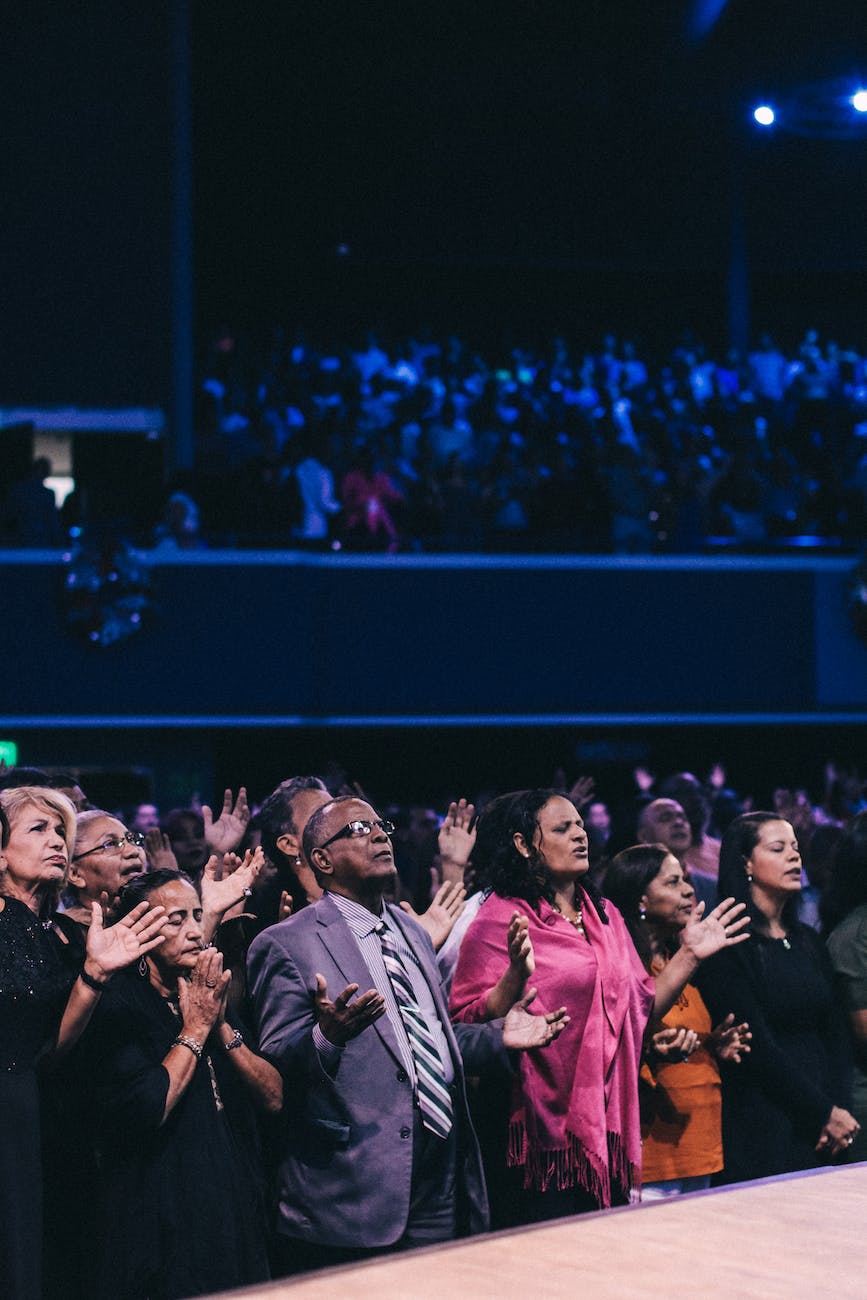
I’ve been thinking about this for awhile now, churches, with their emphasis on social interactions, group activities and communal gatherings, often cater to the preferences of extroverted people. Extroverts tend to thrive in the vibrant and interactive atmosphere, finding comfort and energy in the company of others. They enjoy the lively worship services, engaging in discussions, and participating in various church events. Extroverts recharge their batteries by being in the company of others.
On the other hand, those who are introverted or less inclined towards social interactions might find themselves at a disadvantage in such church settings. Introverts often prefer solitary reflection and meaningful one-on-one conversations. The constant pressure to participate in large group settings and the expectation to be outgoing can be overwhelming and draining for them. Introverts recharge their batteries by spending time in solitude and engaging in introspective activities. Their batteries are drained by prolonged or intense social interactions and external stimuli, leading to a need for solitary downtime to recover.
Introverts might struggle to connect with others in such an extroverted environment, feeling like their voices and thoughts are overlooked amidst the fervor of group activities. As a result, they may find it challenging to build meaningful relationships within the church community.
In some cases, introverts might feel a sense of guilt or inadequacy for not being as socially active as their extroverted counterparts. This can lead to feelings of isolation and make them feel like they don’t fully belong or fit into the church culture.
While neither personality is inherently superior, there is often a perception that people who excel in group social gatherings are given more prominence in the church and are seen as more significant contributors to the “cause of Christ” compared to those who find value in quieter, personal connections.

The loud exuberance of the extroverted person is praised, while the quieter introvert is made to feel wrong for not enjoying the same level of social interaction. Society and churches often celebrate the outgoing and vivacious personalities, perceiving them as the “life of the party” and the ones who bring joy to any gathering. They are given positions in the spotlight and given positions of authority and their ability to effortlessly navigate social situations and engage with others is highly regarded and admired.
On the other hand, the introverted individual, who prefers moments of introspection and solitude, might be misunderstood or labeled as shy, aloof, or anti-social. They may feel pressured to conform to societal expectations of being more outgoing, as if their natural inclination to seek quiet reflection is somehow deficient or undesirable. The prevailing focus on extroverted qualities within the church community sometimes overshadowed the quieter contributions that introverted individuals could make.
This societal bias can be challenging for introverts, as it leaves them feeling like they need to change who they are to fit in or be accepted. They might question themselves, doubting whether their preference for quiet environments is a flaw or a limitation. In reality, introverts possess unique strengths, such as deep thinking, empathy, and excellent listening skills, which can contribute significantly to meaningful interactions and connections with others.

Recognizing and understanding these differences is crucial for churches to create inclusive and supportive environments for all congregants, regardless of their personality traits. Embracing a diversity of personalities and offering opportunities for both communal gatherings and more intimate interactions can help introverted individuals feel valued and appreciated within the church community. Additionally, creating a culture of acceptance, where each person is encouraged to participate in ways that feel comfortable to them, can enable both extroverts and introverts to engage meaningfully in their faith journey.
For introverted individuals, the vibrant and socially demanding environment of church services and events can be particularly draining. After a service filled with enthusiastic interactions and large group gatherings, they may find themselves in need of solitude and quiet reflection to recharge their energy. This need for self-preservation and personal space is essential for introverts to maintain their emotional well-being.
Although I don’t personally identify solely as an extrovert or an introvert, I fall somewhere in between. I lean towards being an extrovert with the social battery of an introvert. (often referred to as an “ambivert”)

In the past, my experiences at church as an ambivert were a mix of engagement and fatigue. While I could actively participate in group activities and discussions, I found myself feeling drained afterward, craving solitude to recharge. I can only imagine what it is like for introverted people! (check out my recent post about needing to nap after Sunday services by clicking HERE)
Unfortunately, some churches may inadvertently add to the pressure on introverts by emphasizing constant engagement in various ministries and group activities. Introverted individuals might feel guilty or inadequate for prioritizing their self-preservation over endless involvement, as if their quieter contributions are less valued.
It’s vital for churches to recognize and appreciate the unique strengths that introverts bring to the community. They often excel in deep, meaningful connections and thoughtful contributions that may not be as visible in large group settings. Creating opportunities for introverts to serve and contribute in ways that align with their personalities and strengths fosters a more inclusive and supportive church environment.
Allowing introverts the space to recharge and respecting their need for quiet reflection can lead to greater engagement and dedication in the long run. By embracing a diversity of personalities and valuing each person’s unique contribution, churches can create an environment where both extroverted and introverted people feel valued, accepted, and encouraged in their faith journey.
Interested in reading more? Check out my recent post about finding faith following fundamentalism. You might also find my post about thought stopping clichés interesting or you can read about how I cured my church-induced anxiety.

Disclaimer: The following reflections are based on my personal perspective and experiences. It’s important to note that neither extroverted nor introverted personalities are inherently superior; both have their unique strengths and contributions that enrich our understanding of human diversity. The intention is to shed light on the church dynamics between these personality types within certain contexts, rather than to pass judgment on their merits.

 Looking Joli Good
I was able to find a home in a church where I’m accepted as an introvert. I am challenged at times to stretch myself by my peers, but in a way that is non-confontational.
LikeLiked by 1 person
That’s awesome! I’m so happy that you have been able to find something that works for you! You’re proof that it is possible! Thanks for reading and commenting!
LikeLiked by 1 person
Spiritual beliefs to me are a very private affair. I guess that makes me an introvert who dislikes church socializing dogma.
LikeLiked by 1 person
I struggle with the dogma as well!
LikeLike