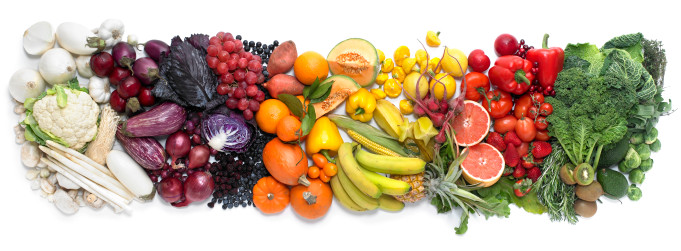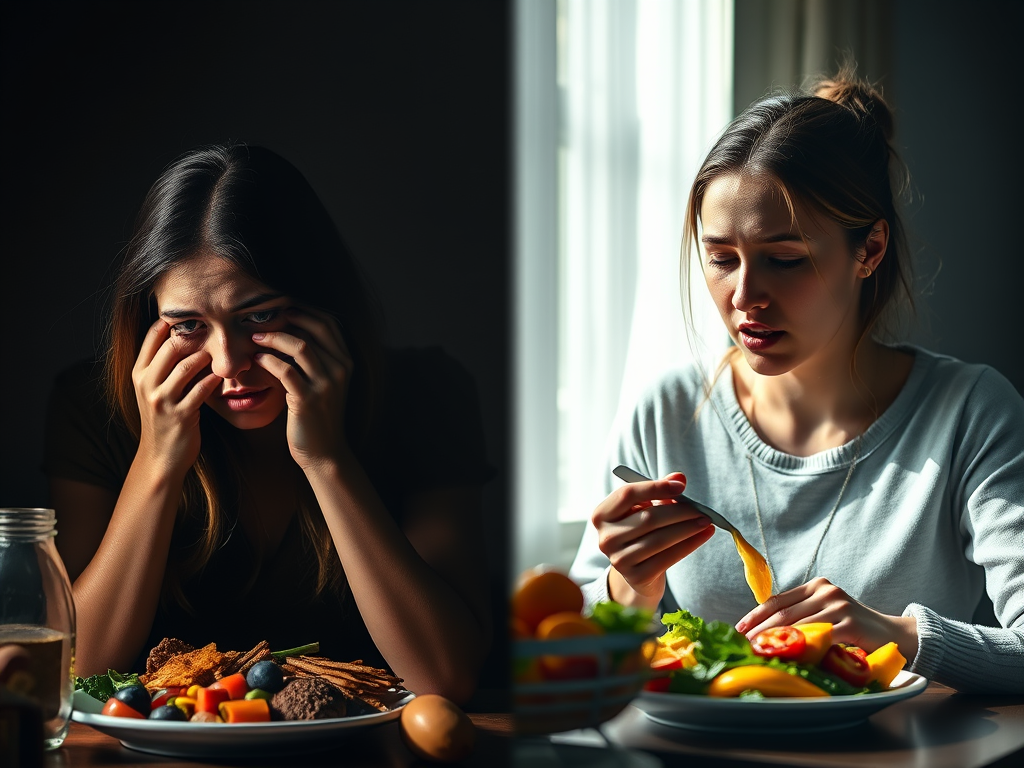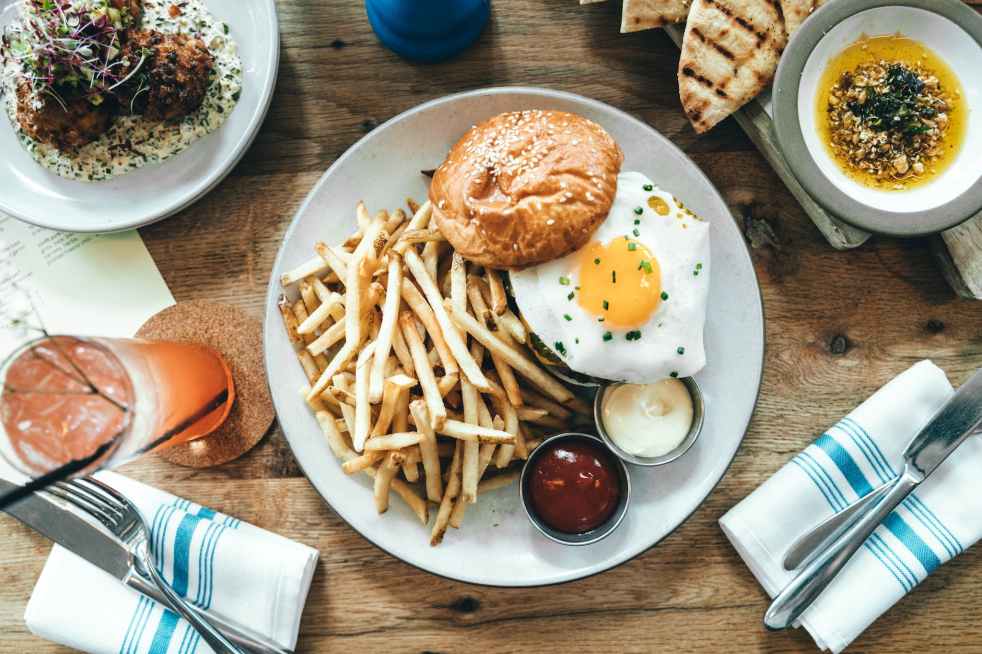
Ditch The Diet for Healthy Habits · Flab to FAB · Health/ Fitness · Lifestyle

When Thinner Isn’t Enough: Redefining Health and Happiness

For many of us, the pursuit of thinness is ingrained as the ultimate goal—a marker of self-worth, discipline, and even happiness. Yet, for those who have reached their “ideal” weight and still found themselves unfulfilled, it becomes clear that thinness is not the answer. Losing one more pound or one more inch or being one dress size smaller is not going to make a difference. True health and happiness require redefining our relationship with our bodies, shifting our focus from appearances to holistic well-being. Here’s how to move beyond the constraints of trying to be thinner and embrace a more fulfilling life.

1. Redefine Your Idea of Health

Shift your focus from weight to overall well-being. Health is about more than the number on a scale; it encompasses physical, mental, and emotional wellness. Set goals that prioritize strength, energy, and vitality rather than aesthetics. For instance, aim to improve your endurance, reduce stress, or get better sleep rather than striving to fit into a smaller clothing size.

2. Reconnect with Your Body

Many of us lose touch with our bodies when we’re overly focused on weight loss. When I was focused only on my body’s aesthetics I would push through pain and soreness, ignoring my body’s cry for a break or a snack. Take time to listen to what your body needs. Practice intuitive eating by paying attention to hunger and fullness cues, and allow yourself to enjoy food without guilt. Explore activities that bring you joy, such as dancing, hiking, spending time outdoors, or yoga, rather than forcing yourself into workouts you don’t enjoy.

3. Address the Emotional Roots

For many, the desire to lose weight and be thin is rooted in deeper emotional challenges, such as low self-esteem, perfectionism, comparison, competition, or a fear of rejection. Consider seeking therapy or counseling to unpack these feelings and develop healthier coping mechanisms. Journaling, mindfulness, and meditation can also help you process emotions and build self-awareness. Personally, journaling has made a huge impact in helping me uncover the root cause of why I felt I needed to over-exercise and under-eat. Through reflection, I realized that these behaviors were driven by a desire for control and a belief that my worth was tied to my appearance, rather than my well-being. Writing allowed me to explore these feelings and gradually shift my mindset toward a healthier, more compassionate approach to my body.

4. Build a Supportive Environment

Surround yourself with people who support your journey to redefine health and happiness. Share your goals with trusted friends or family members who encourage self-acceptance and balance. Limit interactions with individuals or communities that promote diet culture or body shaming. If certain people or social media accounts leave you feeling bad about yourself, consider distancing yourself from them or unfollowing them.

5. Celebrate Non-Physical Achievements

Reframe your definition of success to include accomplishments that have nothing to do with your appearance. This could mean developing a new skill, achieving a professional milestone, or strengthening relationships. Celebrate the qualities that make you unique, such as your kindness, creativity, or resilience. Although losing my job and the ability to exercise due to an injury initially triggered an identity crisis, deciding to go back to school to get my Masters allowed me to redefine success by focusing on accomplishments unrelated to my appearance.

6. Embrace Imperfection

Understand that the journey to redefining health and happiness is not linear. There will be days when self-doubt creeps in or when old habits resurface. Approach these moments with compassion rather than judgment. Remind yourself that progress is about learning and growth, not perfection. Even at my lowest weight and fittest state, I still wasn’t satisfied with how my body looked. There was always something to improve, a flaw to fix, or an imperfection to tweak—it was never enough.

7. Seek Joy in Everyday Life

Remember that happiness is found in the small, meaningful moments of life. It’s in savoring a meal with loved ones, laughing until your cheeks hurt, or feeling the sun on your skin during a walk. By focusing on these experiences rather than an arbitrary number, you’ll discover a more profound sense of fulfillment. It wasn’t until I began embracing and savoring these small, meaningful moments that I realized how much my pursuit of bodily perfection had been shaping my perspective.

8. Challenge Societal Narratives

Lastly question the societal standards that equate thinness with success and beauty. Reflect on where these beliefs came from—media, family, or cultural norms—and consider how they’ve influenced your self-perception. Educate yourself on how to care for your body in a healthy way—by eating for nourishment, not for aesthetics or control. Learn to enjoy a balanced diet, allowing yourself the occasional treat. Focus on strength without pushing yourself too hard, and give yourself grace when you need rest. While there’s nothing wrong with wanting to lose weight or striving for a certain body type, remember that health comes in many shapes and sizes.

Changing your mindset is not easy. Letting go of the identity you’ve built around being thin or fit can be deeply challenging. Changing your mindset is not easy. Letting go of the identity you’ve built around being thin or fit can be deeply challenging. When I began gaining weight and losing my fit physique, I experienced an identity crisis. I questioned my value and struggled to redefine who I was beyond appearances. The praise and compliments from others had always been a nice confirmation of a job well done, but as my physique changed, most people didn’t even notice. My biggest critic was always me. However, through time and self-compassion, I realized that my worth was never tied to my body shape. While the process was difficult, it ultimately led me to a deeper, more authentic understanding of myself and my happiness.

Redefining health and happiness means letting go of the relentless pursuit of thinness and embracing a life that prioritizes balance, joy, and authenticity. The pursuit of being thin and fit or having an interested in being healthy is by no means wrong, but it should not come at the expense of a well-rounded life. By challenging societal norms, reconnecting with your body, and addressing emotional well-being, you can move beyond the constraints of trying to be thinner and step into a more empowered, fulfilling existence. Remember, your worth is not determined by your weight but by the richness of the life you create.

You can read more about The Weight of Happiness by clicking HERE.

Laura lookingjoligood.wordpress.com

**I’ve included some resources and references below.**

disclaimer | lookingjoligood.blog

Disclaimer: I am not an expert on eating disorders or disordered eating. The information provided is based on general knowledge and personal experience and should not be considered as a substitute for professional medical advice or treatment. While I am a registered nurse, I am not your personal healthcare provider. It is advisable for you to consult with your own designated healthcare professional to determine the best course of action for your specific situation for personalized guidance and recommendations tailored to your specific needs.

**Resources:

https://www.nationaleatingdisorders.org/help-support/contact-helpline

https://www.mayoclinic.org/diseases-conditions/eating-disorders/in-depth/eating-disorder-treatment/art-20046234

https://www.eatingdisorderhope.com/

https://www.nimh.nih.gov/health/publications/eating-disorders

https://www.theprojectheal.org/

https://anad.org/

Flab to FAB · Health/ Fitness · Lifestyle

The Weight of Happiness: Why Being Thinner Isn’t the Answer

Dressed up as Wonder Woman for a past church event called “Super Saturday”

In our image-obsessed culture, weight loss is often touted as the ultimate solution to unhappiness. Countless ads, social media influencers, and even well-meaning friends perpetuate the idea that shedding pounds will magically bring fulfillment. But for many, the pursuit of weight loss becomes a treadmill of physical and emotional exhaustion, leaving them further from true happiness than they began. My own journey is a testament to this reality: at my thinnest and fittest, I may have looked my best, but my mental and emotional health were in shambles. Only when I let go of the relentless pursuit of thinness did I find genuine contentment.

Years ago, I dedicated myself fully to becoming the “ideal” version of myself. I exercised rigorously, adhered to strict dietary guidelines, and prided myself on my discipline. Outwardly, the results were impressive. Friends and acquaintances showered me with compliments, admiring my fit physique and apparent self-control. It felt so good to be given so much praise, but beneath the surface, I was unraveling.

The mental toll of maintaining that lifestyle was immense. My thoughts were consumed by calories, macros, and workout schedules. I felt immense pressure to maintain my appearance, fearing that any deviation from my routine would erase all my progress. What’s more, I ignored the warning signs of burnout, convincing myself that my worth was tied to how I looked. Even though I appeared healthy, I was silently battling anxiety, self-doubt, and an overwhelming sense of emptiness. I felt the need to compare and compete with those around me.

This precarious balance came crashing down when I suffered an injury that significantly altered my ability to exercise. Suddenly, my meticulously crafted routine was impossible to maintain. Around the same time, I experienced a series of personal losses that shook me to my core. The weight of grief and the inability to channel my emotions into physical activity forced me to confront the truth I had been avoiding: I was deeply unhappy, and no amount of weight loss or fitness could fill the void inside me.

Initially, I struggled to adjust. Watching my body change felt like losing a part of my identity. But as I began to let go of the unrealistic expectations I had placed on myself, something remarkable happened. I discovered a sense of freedom I hadn’t felt in years. By allowing myself to relax and embrace a more balanced lifestyle, I found the space to heal emotionally and mentally.

Gaining weight, something I had once greatly feared so deeply, became a symbol of reclaiming my life. It meant enjoying meals with loved ones without guilt, spending time on hobbies that brought me joy, and prioritizing rest when my body needed it. I began to reconnect with who I truly was, apart from societal expectations or the number on a scale. For the first time in years, I felt whole. I felt happy. I felt content. I felt satisfied.

group of people making toast | lookingjoligood.blog

This journey taught me that the pursuit of thinness often comes at the expense of genuine happiness. While physical health and fitness is important, it should never overshadow mental and emotional well-being. True fulfillment comes from accepting ourselves as we are, imperfections and all, and building a life that aligns with our values rather than external standards.

Today, I am my truest, happiest self. My body may not fit my previous definition of perfection, but it is a vessel for a life filled with purpose, love, and joy. And that, I’ve learned, is far more valuable than any number on a scale. If you’ve been chasing weight loss as the solution to unhappiness, I encourage you to pause and reflect. Ask yourself what you truly need to feel whole. The answer, as I discovered, might not lie in losing weight but in finding yourself.

Laura lookingjoligood.wordpress.com

If you or someone you know is struggling with an eating disorder or disordered eating, it’s important to reach out for support. Seeking assistance from friends, family, or mental health professionals can make a significant difference in navigating these challenges. Remember that you don’t have to face it alone, and there are resources available to help you on the path to recovery. Prioritize your well-being and take the first step toward seeking the support you need.

**I’ve included some resources and references below.**

disclaimer | lookingjoligood.blog

Disclaimer: I am not an expert on eating disorders or disordered eating. The information provided is based on general knowledge and personal experience and should not be considered as a substitute for professional medical advice or treatment. While I am a registered nurse, I am not your personal healthcare provider. It is advisable for you to consult with your own designated healthcare professional to determine the best course of action for your specific situation for personalized guidance and recommendations tailored to your specific needs.

**Resources:

https://www.nationaleatingdisorders.org/help-support/contact-helpline

https://www.mayoclinic.org/diseases-conditions/eating-disorders/in-depth/eating-disorder-treatment/art-20046234

https://www.eatingdisorderhope.com/

https://anad.org/

https://www.nimh.nih.gov/health/publications/eating-disorders

https://www.theprojectheal.org/

Finding Faith Following Fundamentalism · Health/ Fitness

A Quiet Hunger

The Connection Between High Control Religion and Women’s Disordered Eating
fitness tracker | lookingjoligood.blog

The new year often brings a surge of pressure to start dieting, driven by societal expectations and resolutions promising transformation. This focus on weight loss as a marker of success can overshadow the importance of mental and physical well-being, turning food into a source of stress rather than nourishment. While there is nothing wrong with wanting to be healthier and lose weight, dieting often stems from external pressures rather than personal health goals, leading to unsustainable habits and frustration. I have experienced this struggle in my own life.

The Independent Fundamental Baptist (IFB) church wasn’t just a place where I worshipped, it shaped how I saw the world, how I understood my role in it, and most critically, how I viewed myself. For years, I didn’t realize how much the environment I grew up in influenced my relationship with food, exercise, my body, and my self-worth. It’s only after stepping away that I’ve begun to connect the dots between the rigid expectations of the IFB and the subtle, yet pervasive, way they contributed to the disordered eating in my life and the lives of other women like me.

New Year New You | lookingjoligood.blog

At first glance, it might not seem obvious how a religious community could fuel something like disordered eating. After all, the IFB didn’t preach diet plans from the pulpit or hand out weight-loss flyers during Sunday school. But what they did preach, and what they didn’t say, set the stage for a culture where women’s bodies were constantly under scrutiny, both explicitly and implicitly (1 Timothy 2:9-15 and 1 Peter 3:3-4). Messages about modesty, self-denial, and submission created an atmosphere where controlling one’s body became an act of spiritual devotion and self-worth often felt tied to outward appearance (Romans 12:1-2 and 2 Corinthians 10:5).

Modesty was a cornerstone of my upbringing. Women were taught to cover their bodies to avoid being a “stumbling block” for men (Luke 17:1-2, Romans 14:13, Ezekiel 14:3-7). Hemlines and necklines were policed with precision, and the unspoken message was clear: Your body is dangerous. It’s something to be hidden, controlled, and subdued. This idea planted the seeds of shame in many of us. We learned to view our bodies as a problem, something to fix or diminish, rather than something to embrace or celebrate.

church | lookingjoligood.blog

Then came the relentless emphasis on self-denial (Matthew 16:24-26,Luke 9:23-24, Romans 12:1-2). The IFB held up sacrifice as the ultimate virtue, particularly for women. We were told to put others before ourselves, to be servants in our homes, and to carry our crosses daily (Philippians 2:3-4, Ephesians 6:4-9, Matthew 16:24-26, Galatians 5:13). Food and body control naturally became an outlet for this teaching. Skipping meals or dieting wasn’t just a matter of fitting into societal beauty standards, it became a subconscious way to live out the church’s doctrine of self-sacrifice. For many women, this manifested in extreme calorie restriction, bingeing and purging, fad diets, or obsessively exercising, all framed in their minds as acts of discipline and devotion. Prayer and fasting were often regarded as a pious and spiritual method of seeking divine intervention or demonstrating devotion, but they could also serve as a socially acceptable excuse for disordered eating.

In this environment, thinness often became an unspoken measure of holiness. While no one said it outright, there was an underlying belief that a thin, modestly dressed woman embodied discipline, self-control, and godliness. On the other hand, a woman who was overweight, or even just content in her body, was often viewed as lazy or lacking spiritual discipline. I remember how women who gained weight after having children would apologize for their appearance, as though they had failed not only themselves but God as well. This association between body size and spiritual worth created an impossible standard that many of us felt compelled to meet.

emotions | lookingjoligood.blog

The IFB, like many high control religions, also had little room for emotions like anger, sadness, or frustration. Women were expected to be joyful, submissive, and quietly supportive at all times (Ephesians 5:22-24, 1 Peter 3:1-6, Titus 2:3-5). For some, food became the only place to process or numb those suppressed feelings. Emotional eating or food restriction often filled the void where emotional honesty should have been. In a church culture that prized silence over confrontation, controlling food became a way to deal with emotions that had no other outlet (Proverbs 10:19, Proverbs 17:27, James 1:19, Colossians 4:6).

Stepping away from the high control of the IFB has given me a new perspective on these patterns. It’s clear now that the disordered relationship I developed with food and my body wasn’t just about societal pressures or personal insecurities, it was deeply tied to the messages I absorbed in church. It took years to untangle the connection, and even now, I find myself unraveling layers of guilt and shame that I didn’t even know I was carrying.

What’s heartbreaking is how common this story is. In speaking with other women who left the IFB, and other high control religions, I’ve heard countless variations of the same struggle. We were taught to shrink ourselves, physically, emotionally, and spiritually, and that shrinking became second nature. Some have fought to reclaim their bodies and their worth, while others are still wrestling with the aftershocks of those teachings.

Reclaiming a healthy relationship with food and my body has been a slow and ongoing journey. It’s meant learning to listen to my body instead of punishing it. It’s meant dismantling the belief that my worth is tied to my appearance or my ability to control my physical self. And perhaps most importantly, it’s meant giving myself permission to take up space, in my body, in my emotions, and in my life.

The IFB’s teachings about women’s roles, modesty, and self-denial were never meant to cause harm, but the ripple effects have been profound (1 Timothy 2:9-15, 1 Peter 3:1-6, Ephesians 5:22-24, Colossians 3:18-24). For many women, they’ve resulted in a quiet hunger, not just for food, but for freedom, self-acceptance, and a life free from the constant pressure to shrink. By shedding those harmful beliefs, I’ve found a new kind of fullness, one that no diet or doctrine can ever take away.

Laura lookingjoligood.wordpress.com

If you or someone you know is struggling with an eating disorder or disordered eating, it’s important to reach out for support. Seeking assistance from friends, family, or mental health professionals can make a significant difference in navigating these challenges. Remember that you don’t have to face it alone, and there are resources available to help you on the path to recovery. Prioritize your well-being and take the first step toward seeking the support you need.

**I’ve included some resources and references below.**

disclaimer | lookingjoligood.blog

Disclaimer: I am not an expert on eating disorders or disordered eating. The information provided is based on general knowledge and personal experience and should not be considered as a substitute for professional medical advice or treatment. While I am a registered nurse, I am not your personal healthcare provider. It is advisable for you to consult with your own designated healthcare professional to determine the best course of action for your specific situation for personalized guidance and recommendations tailored to your specific needs.

**Resources:

https://www.nationaleatingdisorders.org/help-support/contact-helpline

https://www.mayoclinic.org/diseases-conditions/eating-disorders/in-depth/eating-disorder-treatment/art-20046234

https://www.eatingdisorderhope.com/

https://anad.org/

https://www.nimh.nih.gov/health/publications/eating-disorders

https://www.theprojectheal.org/

Health/ Fitness · Lifestyle

Is It an Eating Disorders or Disordered Eating?!

Understanding the Distinction: Eating Disorders vs. Disordered Eating

With the arrival of the new year, the pressure to lose weight often looms large, fueled by resolutions promising transformation and societal ideals equating the “New Year with a New You.” Often thinness equals success. I’ve written recently about how this annual focus can turn the simple act of eating into a source of stress rather than nourishment. It’s a cycle many of us know too well, where weight loss becomes the ultimate measure of worth. Yet, beneath this cultural fixation lies a spectrum of struggles with food and body image that range from disordered eating to severe eating disorders. Understanding these distinctions is essential for creating compassion, breaking free from harmful habits, and nurturing a healthier relationship with ourselves and the food we consume.

Navigating the complexities of food and body image requires understanding the nuanced differences between eating disorders and disordered eating. While both involve challenges in the relationship with food, the distinction lies not in extremes but in the underlying motivations, patterns, and severity of the behaviors. Recognizing this difference creates awareness and encourages compassion for those who struggle.

Eating Disorders
Eating disorders are severe mental health conditions marked by persistent disruptions in eating behaviors and an intense preoccupation with body weight and shape. Disorders such as anorexia, bulimia, binge-eating disorder, and avoidant/restrictive food intake disorder (ARFID) often have life-threatening consequences. These illnesses extend beyond visible behaviors, encompassing deep psychological distress that demands professional intervention 3 5.

Disordered Eating
Disordered eating, while less severe, refers to irregular eating habits that do not meet the clinical criteria for an eating disorder but can still negatively impact physical, emotional, and mental health. Examples include frequent dieting, calorie counting, skipping meals, and adhering to rigid food rules. People with disordered eating may engage in behaviors like binge eating, excessive exercise, or compulsively tracking their intake, driven by societal pressures or personal anxieties about body image 2.

These behaviors, though seemingly less alarming, can pave the way to full-blown eating disorders over time. Even when they don’t escalate, they may lead to long-term health issues, including psychological distress and a diminished sense of well-being 2.

Key Differences
  • Severity and Impact: Eating disorders are more severe and have a more significant impact on an individual’s life, often causing serious physical and psychological complications 3 7.
  • Diagnostic Criteria: Eating disorders meet specific clinical criteria outlined in the DSM-5 TR, while disordered eating does not have a formal diagnosis 5.
  • Frequency and Duration: Eating disorder behaviors occur more frequently and persist for longer periods compared to disordered eating 3.
  • Emotional Response: Individuals with eating disorders often experience intense negative emotions associated with food and eating, while those with disordered eating may have a more neutral emotional response 7.
  • Control: Eating disorders are characterized by a significant loss of control over eating behaviors, whereas disordered eating may involve more intermittent or less severe loss of control 3.
  • Treatment Needs: Eating disorders typically require professional intervention and comprehensive treatment, while disordered eating may benefit from education and early support 7 8.
Importance of Recognition

Understanding the distinction between eating disorders and disordered eating is crucial for several reasons:

  • Early Intervention: Recognizing disordered eating patterns early can prevent the development of full-blown eating disorders 2.
  • Appropriate Treatment: Differentiating between the two ensures individuals receive the most appropriate level of care and support 8.
  • Destigmatization: Acknowledging the spectrum of problematic eating behaviors helps reduce stigma and encourages seeking help 2.
  • Prevention: Understanding risk factors and early signs can aid in prevention efforts and promote healthier relationships with food and body image 6.

Why It Matters
Understanding these distinctions is vital. Both eating disorders and disordered eating reflect a strained relationship with food, but early intervention for either can make a profound difference. While eating disorders and disordered eating share some similarities, they differ in severity, diagnosis, and impact. Both require attention and support, but eating disorders often necessitate more intensive treatment. Recognizing these distinctions is essential for promoting early intervention, appropriate care, and overall well-being. Seeking help, whether through friends, family, or healthcare professionals, is a courageous step toward recovery and well-being.

If you or someone you know is struggling, remember that support is available. Compassion, education, and professional guidance can pave the way to a healthier relationship with food and body image. You don’t have to face this journey alone. **I’ve included some resources and references below.**

Laura lookingjoligood.wordpress.com
disclaimer | lookingjoligood.blog

Disclaimer: I am not an expert on eating disorders or disordered eating. The information provided is based on general knowledge and personal experience and should not be considered as a substitute for professional medical advice or treatment. While I am a registered nurse, I am not your personal healthcare provider. It is advisable for you to consult with your own designated healthcare professional to determine the best course of action for your specific situation for personalized guidance and recommendations tailored to your specific needs.

**Resources:

https://www.nationaleatingdisorders.org/help-support/contact-helpline

https://www.mayoclinic.org/diseases-conditions/eating-disorders/in-depth/eating-disorder-treatment/art-20046234

https://www.eatingdisorderhope.com/

https://anad.org/

https://www.nimh.nih.gov/health/publications/eating-disorders

Project HEAL. https://www.theprojectheal.org/

**References:

[1] https://changecreateschange.com/disordered-eating-vs-eating-disorders-whats-the-difference/

[2] https://www.theprojectheal.org/blog/disordered-eating-vs-eating-disorder

[3] https://equip.health/articles/understanding-eds/eating-disorders-vs-disordered-eating

[4] https://renfrewcenter.com/disordered-eating-vs-eating-disorder-whats-the-difference/

[5] https://www.nationaleatingdisorders.org/what-is-the-difference-between-disordered-eating-and-eating-disorders/

[6] https://nedc.com.au/eating-disorders/eating-disorders-explained/disordered-eating-and-dieting

[7] https://www.activeminds.org/blog/disordered-eating-vs-eating-disorders/

[8] https://www.allianceforeatingdisorders.com/disordered-eating-vs-eating-disorders-whats-the-difference/

Finding Faith Following Fundamentalism · Health/ Fitness

The Allure and Danger of Weight Loss

Content Warning: Eating disorders, disordered eating, anorexia, body image, mental health struggles, high control religion.

The start of a new year often brings resolutions centered on weight loss, promising transformation and self-improvement. Social media, advertisements, and societal norms amplify this message, equating thinness with success and happiness. The allure is powerful, shedding pounds seems like a quick fix for deeper insecurities or dissatisfaction.

Yet, this focus can be dangerous. The obsession with weight loss often leads to unhealthy habits, disordered eating, and a strained relationship with food and those around you. Instead of health and well-being, an obsession with thinness can overshadow mental health, self-acceptance and true inner happiness. True health comes from balance, not extremes.

During my freshman year of nursing school, I had a acute awakening to the devastating impact of anorexia, a lesson that didn’t come from textbooks or lectures, but from the lived experience of a close friend. Witnessing her battle with this relentless illness was something that I will never forget.

Prior to this encounter, I had only a superficial understanding of anorexia, viewing it as a distant affliction that affected Karen Carpenter but remained detached from my own reality. However, as I watched my friend’s gradual descent into the grips of this merciless disorder, the harsh reality of its consequences became painfully evident.

What struck me most was the insidious nature of anorexia, how it crept into every aspect of my friend’s life, consuming her thoughts, emotions, and physical well-being. It was a silent and invisible adversary, yet its presence loomed large, casting a shadow over our once carefree friendship. Mealtimes and food related outings with her were excruciating!

At first, I naively believed that I could offer support and encouragement, believing that my friend’s struggle was something she could simply overcome with enough willpower and determination. But as her condition worsened and her weight plummeted to dangerous levels, I realized the depth of her suffering and the gravity of her illness.

Despite my best intentions, I found myself unable to truly comprehend the magnitude of her struggle, unable to grasp the enormity of the challenges she faced on a daily basis. Instead of serving as a beacon of hope and inspiration for her recovery, I unwittingly became ensnared in the dangerous allure of her steady weight loss, as if it were a contagion spreading through our circle of friends.

In retrospect, I recognize the profound irony of my ignorance and the tragedy of my misguided perceptions. My friend’s struggle with anorexia should have served as a stark warning, an example of the devastating toll that this illness exacts on both mind and body. Instead, it became a twisted distortion of reality, blurring the lines between compassion and complicity, empathy and enablement.

It was a painful lesson, one that taught me that the impacts of anorexia are far-reaching and multifaceted, transcending the confines of individual suffering to touch the lives of those who bear witness to its destructive power.

And though I may never fully understand the depths of my friend’s anguish, I do understand the allure of weight loss being the reward. In a world that often equates thinness with worth and beauty, it’s easy to fall into the trap of believing that shedding pounds will bring happiness and acceptance.

fitness tracker | lookingjoligood.blog

While I have never suffered from or received a formal diagnosis of a full blown eating disorder, I have personally grappled with disordered eating patterns. Using food and exercise as a means of control was, at times, a coping mechanism for me. Recognizing these struggles was an essential step in creating a healthier relationship with food and seeking support when needed.

A significant aspect of my post-IFB growth has been centered around healing my connection with body image and food. It has been a lot of work to retrain my thinking towards self-compassion and a positive approach to overall well-being. It took me a long time to believe that I am not defined solely by the food I consume, how much I exercise, or the size of the clothes I wear. My identity encompasses a myriad of qualities beyond these external elements.

group of people making toast | lookingjoligood.blog

Eating is a fundamental part of human life, not only for sustenance but also for social and cultural reasons. However, for some people, the relationship with food can become complicated, leading to harmful behaviors and negative consequences for their physical and mental health.

If you or someone you know is struggling with an eating disorder or disordered eating, it’s important to reach out for support. Seeking assistance from friends, family, or mental health professionals can make a significant difference in navigating these challenges. Remember that you don’t have to face it alone, and there are resources available to help you on the path to recovery. Prioritize your well-being and take the first step toward seeking the support you need. I’ve included some resources and references below.**

Laura lookingjoligood.wordpress.com
disclaimer | lookingjoligood.blog

Disclaimer: I am not an expert on eating disorders or disordered eating. The information provided is based on general knowledge and personal experience and should not be considered as a substitute for professional medical advice or treatment. While I am a registered nurse, I am not your personal healthcare provider. It is advisable for you to consult with your own designated healthcare professional to determine the best course of action for your specific situation for personalized guidance and recommendations tailored to your specific needs.

**Resources:

https://www.nationaleatingdisorders.org/help-support/contact-helpline

https://www.mayoclinic.org/diseases-conditions/eating-disorders/in-depth/eating-disorder-treatment/art-20046234

https://www.eatingdisorderhope.com/

https://anad.org/

https://www.nimh.nih.gov/health/publications/eating-disorders

Project HEAL. (2023, November 10). Project HEAL. https://www.theprojectheal.org/

**References:

Akrawi, D., Bartrop, R., Potter, U., & Touyz, S. (2015). Religiosity, spirituality in relation to disordered eating and body image concerns: A systematic review. Journal of Eating Disorders, 3(1). https://doi.org/10.1186/s40337-015-0064-0

Grenfell, J. W. (2006). Religion and Eating Disorders: Towards understanding a neglected perspective. Feminist Theology, 14(3), 367–387. https://doi.org/10.1177/0966735006063775

Kose, J., Paz‐Graniel, I., Péneau, S., Julia, C., Herçberg, S., Galán, P., Touvier, M., & Andreeva, V. A. (2022). A population-based study of macronutrient intake according to mental health status with a focus on pure and comorbid anxiety and eating disorders. European Journal of Nutrition, 61(7), 3685–3696. https://doi.org/10.1007/s00394-022-02923-x

Huline‐Dickens, S. (2000). Anorexia nervosa: Some connections with the religious attitude. British Journal of Medical Psychology, 73(1), 67–76. https://doi.org/10.1348/000711200160309

National Eating Disorders Association. (2021, July 14). Statistics & Research on eating disorders. https://www.nationaleatingdisorders.org/statistics-research-eating-disorders?gad_source=1&gclid=Cj0KCQiAgK2qBhCHARIsAGACuzn1KQjJps5k1v90ly1NNKbT6SafnV7CzQdvoNS1yasCL2KftzM7JlUaAtEyEALw_wcB

Project HEAL. (2023, November 10). Project HEAL. https://www.theprojectheal.org/

RCN Publishing. (n.d.). Research |. UCLan – University of Central Lancashire. https://clok.uclan.ac.uk/45420/

Riddle, D. R., Presseller, E. K., & Juarascio, A. S. (2023). Latent profiles of emotion dysregulation among individuals with binge‐spectrum eating disorders: Associations with eating disorder pathology. European Eating Disorders Review, 31(6), 793–801. https://doi.org/10.1002/erv.3009

Sigel, E. (2009). DISORDERED EATING BEHAVIORS. In Elsevier eBooks. https://doi.org/10.1016/b978-1-4160-3370-7.00059-6

Thomas, J., O’Hara, L., Tahboub-Schulte, S., Grey, I., & Chowdhury, N. (2018). Holy anorexia: Eating disorders symptomatology and religiosity among Muslim women in the United Arab Emirates. Psychiatry Research, 260, 495–499. https://doi.org/10.1016/j.psychres.2017.11.082

Thorne, R. (2022, September 14). Everything you need to know about disordered eating, according to experts. Healthline. https://www.healthline.com/health/disordered-eating-vs-eating-disorder

What are eating disorders? – Project HEAL. (n.d.). Project HEAL. https://www.theprojectheal.org/what-are-eating-disorders
Why do people become anorexic? | Transformations mending fences. (n.d.). Transformations Mending Fences. https://ttcmendingfences.com/blog/why-do-people-become-anorexic-disordered-eating-explained/?gclid=Cj0KCQiAgK2qBhCHARIsAGACuzlbnVzfVfu64Zwj5BfqF8zYQ8LpFfm1VpmVXhbWXsQE56Klo-QUFaoaAtO0EALw_wcB

Health/ Fitness

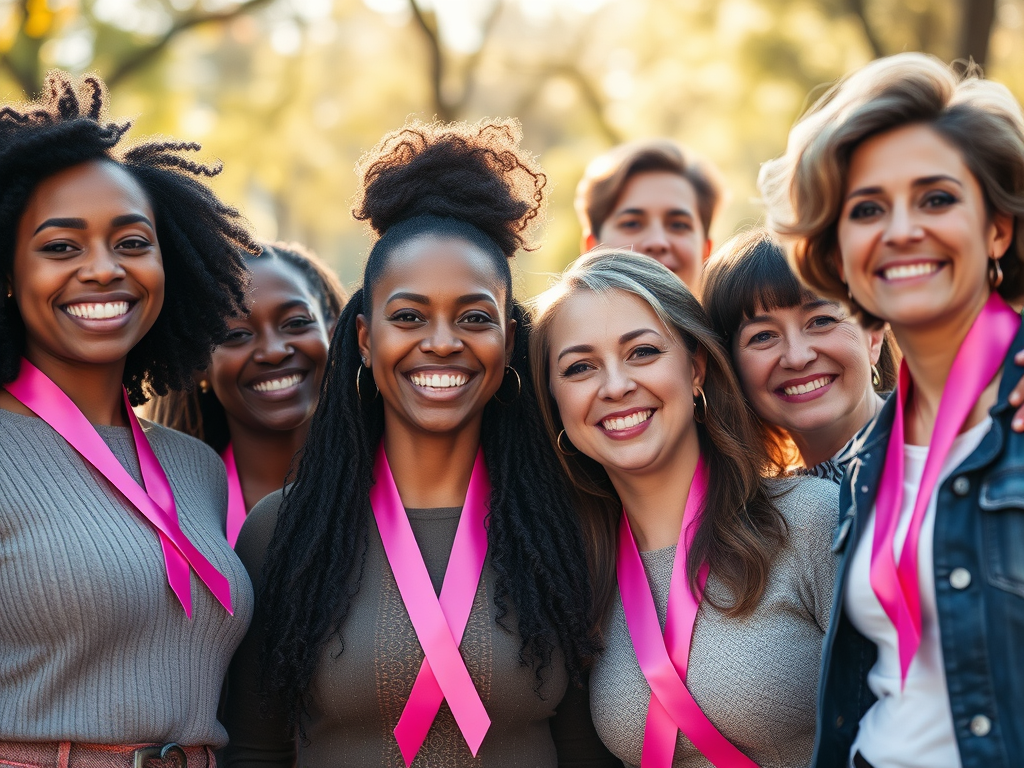
Breast Cancer Awareness: The Vital Role of Early Detection Every Month of the Year

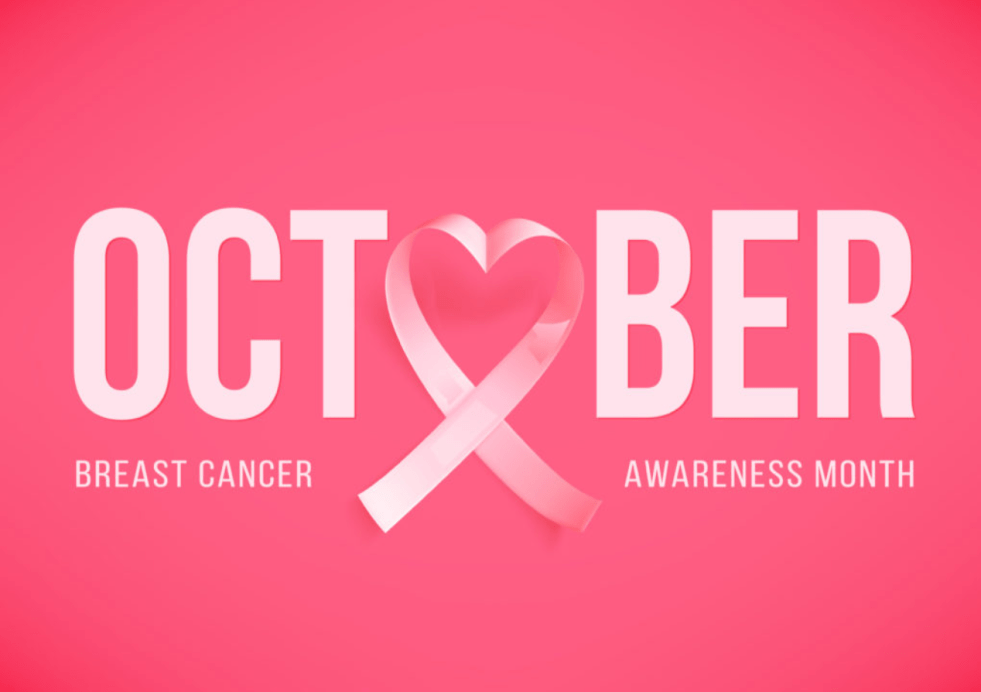
Early detection is crucial in the fight against breast cancer, and while Breast Cancer Awareness Month in October serves as a powerful reminder, it’s important to stay vigilant all year long. Catching breast cancer early can dramatically improve treatment outcomes, making routine screenings and self-examinations essential for women of all ages.

During October, the pink ribbons, events, and media coverage help spread awareness, but the message shouldn’t end when the month does. Breast cancer knows no calendar, and its risks persist throughout the year. Regular mammograms, clinical exams, and self-checks increase the chances of identifying any abnormalities early when they are most treatable. Early detection can mean less invasive treatments, improved survival rates, and a better quality of life during and after recovery.

Raising awareness year-round also helps break down barriers, whether that’s reducing the stigma of discussing breast health or ensuring that more women have access to preventive care. Education and support for early detection can save lives, but only if we remember that breast cancer doesn’t take a break after October. By keeping the conversation going every month, we reinforce the importance of proactive care, regular screenings, and empowering women to take charge of their health.

The goal of Breast Cancer Awareness Month is to educate the public about breast cancer, including the risk factors, signs and symptoms, and early detection methods. It is also a time to raise funds for research and support services for people affected by breast cancer.

Get screened. If you are a woman over the age of 40, talk to your doctor about getting regular mammograms. Mammograms can detect breast cancer early, when it is most treatable.

For more information click HERE

https://www.nationalbreastcancer.org/breast-cancer-awareness-month/

Laura lookingjoligood.wordpress.com
Health/ Fitness

October is Breast Cancer Awareness Month! Early Detection Saves Lives!

Early Detection Saves Lives | lookingjoligood.wordpress.com

October is Breast Cancer Awareness month! As an oncology nurse, I feel the need to spread the word that early detection saves lives!

Breast cancer is the most common cancer among women in the United States, with over 280,000 new cases diagnosed each year. It is also the second leading cause of cancer death among women, after lung cancer. However, early detection and treatment can significantly improve survival rates.

The goal of Breast Cancer Awareness Month is to educate the public about breast cancer, including the risk factors, signs and symptoms, and early detection methods. It is also a time to raise funds for research and support services for people affected by breast cancer.

Early Detection Saves Lives | lookingjoligood.wordpress.com

Get screened. If you are a woman over the age of 40, talk to your doctor about getting regular mammograms. Mammograms can detect breast cancer early, when it is most treatable.

Know the signs and symptoms. Breast cancer can cause a variety of signs and symptoms, including a lump in the breast, changes in the size or shape of the breast, nipple discharge, and pain in the breast or underarm. If you experience any of these symptoms, be sure to see your doctor right away.

Talk to your friends and family. Encourage the women in your life to get screened for breast cancer and to know the signs and symptoms. You can also talk to them about the importance of breast cancer awareness and how to get involved.

Breast Cancer Awareness Month is a time to come together to support those affected by breast cancer and to raise awareness about this important disease. By getting involved, you can help make a difference.

There are a number of ways to get involved in Breast Cancer Awareness Month. You can donate to a charity that supports breast cancer research or support services, participate in a fundraising event, or simply talk to your friends and family about the importance of early detection.

For more information click HERE

https://www.nationalbreastcancer.org/breast-cancer-awareness-month/

Laura lookingjoligood.wordpress.com
Health/ Fitness

Early Detection Saves Lives!

October is Breast Cancer Awareness month! As an oncology nurse, I feel the need to spread the word that early detection saves lives!

Breast cancer is the most common cancer among women in the United States, with over 280,000 new cases diagnosed each year. It is also the second leading cause of cancer death among women, after lung cancer. However, early detection and treatment can significantly improve survival rates.

Early Detection Saves Lives | lookingjoligood.wordpress.com

The goal of Breast Cancer Awareness Month is to educate the public about breast cancer, including the risk factors, signs and symptoms, and early detection methods. It is also a time to raise funds for research and support services for people affected by breast cancer.

Get screened. If you are a woman over the age of 40, talk to your doctor about getting regular mammograms. Mammograms can detect breast cancer early, when it is most treatable.

Early Detection Saves Lives | lookingjoligood.wordpress.com

Know the signs and symptoms. Breast cancer can cause a variety of signs and symptoms, including a lump in the breast, changes in the size or shape of the breast, nipple discharge, and pain in the breast or underarm. If you experience any of these symptoms, be sure to see your doctor right away.

Talk to your friends and family. Encourage the women in your life to get screened for breast cancer and to know the signs and symptoms. You can also talk to them about the importance of breast cancer awareness and how to get involved.

Breast Cancer Awareness Month is a time to come together to support those affected by breast cancer and to raise awareness about this important disease. By getting involved, you can help make a difference.

There are a number of ways to get involved in Breast Cancer Awareness Month. You can donate to a charity that supports breast cancer research or support services, participate in a fundraising event, or simply talk to your friends and family about the importance of early detection.

Laura lookingjoligood.wordpress.com
Health/ Fitness · Lifestyle

Self-care Is More Than Gratitude Journaling, Lavender Baths, Candles, Meditation, Yoga, and Treating Yo’self

Like many people, I used to believe that self-care was all about simple acts of treating myself. I enjoy lighting a candle, taking a bath, reading a good book, gratitude journaling, and doing yoga. While these practices are enjoyable and provided a brief escape from the daily grind, I have come to realize that is not enough.

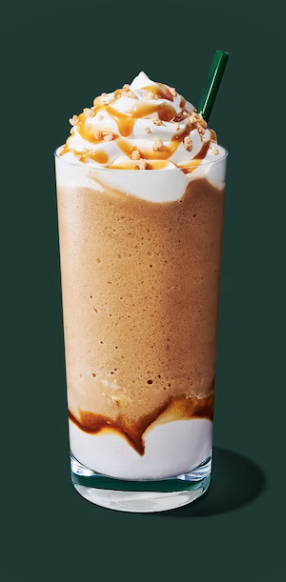
Caramel Ribbon Crunch Frappuccino | Lookingjoligood.blog

A turning point in my life led me to question the depth of my self-care practices. It was during a particularly challenging period when I found myself overwhelmed constantly prioritizing the needs and wants of others at the expense of my family and my own well-being. During this period of self-reflection, I started to realize the shortcomings of my shallow self-care practices. I couldn’t continue to treat myself poorly all day everyday and expect a Caramel Ribbon Crunch Frappuccino to solve all of my problems.

As I dug deeper into intentional personal growth, my perspective on self-care evolved significantly. It shifted from being solely about momentary relaxation to becoming a continuous dedication to my mental, emotional, and physical well-being. While I still valued lighting a candle and treating myself to a Frappuccino, they were no longer the sole basis of my self-care routine.

Finding Calm | lookingjoligood.blog

Self-care goes beyond lavender baths, candles, and yoga. While gratitude journaling is a positive thing, on it’s own it quite often is not enough. Self-care encompasses the holistic care of your mental, emotional, physical, and spiritual well-being. It’s about tuning into your needs and desires and making choices that prioritize your overall health and happiness.

True self-care, I realized, strikes a delicate balance between the soothing moments of external pampering and the depth of self-compassion and boundary-setting. It is an ever-evolving journey, an exploration of nurturing both the external and internal dimensions of oneself, resulting in lasting change and genuine well-being.

Deeper self-care involves setting boundaries. It means learning to say no to things that don’t align with your values or that you simply don’t have time for. It also entails clear communication of your needs and expectations to others. (You can read more about what I have to say about setting boundaries by clicking HERE)

Setting boundaries became a pivotal aspect of my authentic self-care. I recognized that my habit of consistently saying “yes” to others often meant saying “no” to myself, my family, and my own needs. As I acquired the skill of assertively but kindly setting boundaries, I witnessed transformative changes not only in my relationships but also in how I valued and respected myself and my time.

Finding Calm | lookingjoligood.blog

Another facet is the practice of processing your emotions. This involves allowing yourself to feel the full spectrum of your emotions, both positive and negative, without judgment, giving yourself permission to experience them fully. It’s about recognizing that it’s okay to feel sadness, anger, fear, or any other emotion that arises. Rather than pushing these feelings aside or criticizing yourself for having them, you acknowledge their presence with compassion.

Talking to a therapist or a trusted friend can be immensely helpful, as it provides a safe space to express your emotions, gain insights, and receive support. (I am a verbal processor, it is extremely helpful for me to talk through my emotions with a trusted person. If you have ever been one of these people in my life know that I am forever grateful for you. )

Journaling is another powerful way to process emotions. I’m not talking about jotting down 3 things you are grateful for, but writing down your true inner thoughts and feelings. This allows you to explore and make sense of them. It can be a cathartic experience, helping you gain clarity and perspective on your emotions and the situations that trigger them. (Personally, I didn’t even realize some of my true thoughts and feelings until I started writing them out and working through them while journaling.)

For those inclined toward creative expression, such as art, music, or dance, these mediums can serve as valuable outlets for processing emotions. Creating art, whether through painting, sculpture, or other forms, can be a therapeutic means of channeling and externalizing what’s going on inside.

Self-compassion is yet another crucial component of self-care. It’s about treating yourself with kindness and understanding, even when you make mistakes, and accepting yourself for who you are, wounds, scars and all. I am learning to treat myself with the same tenderness and understanding that I readily extended to friends and loved ones. This shift in mindset is allowing me to confront my own struggles and emotions without harsh self-judgment, which has encouraged a sense of inner peace.

I made a deliberate shift in my self-dialogue by replacing negative self-talk with intentional positive affirmations. Instead of criticizing or doubting myself, I began consciously and regularly affirming my worth, capabilities, and potential. These positive affirmations have become a powerful tool to counteract self-limiting beliefs and boost my self-esteem. Over time, this practice not only transformed my mindset but also had a significant impact on my overall well-being.

Positive affirmations are powerful statements that can help shift your mindset towards a more optimistic and self-empowered outlook. Here are some examples:

  1. “I am capable of achieving my goals and dreams.”
  2. “I am worthy of love and respect.”
  3. “I am resilient and can overcome any challenges.”
  4. “I believe in my abilities and trust myself.”
  5. “I am in control of my thoughts and emotions.”
  6. “I embrace change and grow with every experience.”
  7. “I am grateful for the abundance in my life.”
  8. “I am at peace with my past, present, and future.”
  9. “I am constantly evolving and becoming the best version of myself.”
  10. “I deserve happiness, and I choose to be happy.”
  11. “I attract positive and supportive people into my life.”
  12. “I love and accept myself unconditionally.”
snow capped mountains| lookingjoligoo.blog

Taking care of your physical health is also vital. This encompasses maintaining a balanced diet, getting enough restful sleep, and engaging in regular exercise.

Listening to your body is an essential practice of self-care. It involves paying attention to physical cues, such as pain, fatigue, or discomfort, and responding accordingly. Pushing through pain or ignoring warning signs can lead to injury or worsen existing health issues. Tuning into your body’s signals and respecting its limitations is a form of self-compassion.

Just as important, seeking necessary medical care is integral to caring for your physical health. Regular check-ups with healthcare professionals, screenings, and addressing health concerns promptly are vital components of this self-care aspect. These actions enable early detection and prevention of potential health issues, ensuring you receive appropriate guidance and treatment when needed. Take it from an oncology nurse who has seen first hand, early detection saves lives, an ounce of prevention is worth a pound of cure!

Nurturing your spiritual side is an intrical part of self-care. It involves finding meaning and purpose through various means, including religious or spiritual practices, connecting with nature, or engaging in activities aligned with your values. This form of self-care provides inner nourishment, creating a sense of peace and fulfillment. It’s a personal journey that varies for each person, offering a source of strength and clarity to navigate life’s challenges.

Finding Calm | lookingjoligood.blog

Nurturing your spiritual side doesn’t have to look like the cookie cutter version of attending weekly church services. It can include meditation and mindfulness that cultivate inner peace and self-awareness. Spending time outside in nature encouraging a sense of interconnectedness with the world. Yoga promotes balance and alignment. Journaling and reading deepen your understanding of yourself and the world around you. Self-reflection and prayer fuels personal growth and connection with God. Volunteering provides fulfillment and purpose. Religious or spiritual rituals offer structure, community, and guidance, while connecting with like-minded communities provides support. These practices collectively contribute to a more meaningful connection with your inner self and the world around you. Whether through meditation, nature walks, or purpose-driven actions, spiritual self-care contributes to a deeper sense of well-being.

Here are some tips that have worked for me for cultivating a deeper self-care practice:

Begin by identifying your needs and areas in your life that require more attention in terms of self-care. Are you feeling overwhelmed, stressed, or burnt out? Are you feeling overworked and underappreciated? Is your physical health being neglected? Or do you need to nurture your spiritual well-being?

Explore activities that you genuinely enjoy and that uplift your spirits. This could range from reading a book to immersing yourself in nature or spending quality time with loved ones. Experiment with various activities until you discover what resonates best with you.

clouds | lookingjoligoo.blog

Prioritize self-care by scheduling dedicated time for it each day, even if it’s just for a few minutes. Remember, taking time for yourself is not selfish; it’s an essential act of self-care.

Be consistent in your self-care routine. It’s not a one-time endeavor but an ongoing practice that reaps benefits with regularity.

Self-care is a fundamental aspect of a healthy lifestyle. By tending to your well-being, you equip yourself to better handle stress, manage your emotions, and lead a more fulfilling life.

Self-care is highly individualized and not a one-size-fits-all approach. What brings comfort to one person may not resonate with another. The key is to find self-care practices that align with your preferences and lifestyle.

Laura lookingjoligood.wordpress.com

Disclaimer: The information provided is based on general knowledge and personal experience and should not be considered as a substitute for professional medical advice or treatment. While I am a registered nurse, I am not your personal healthcare provider. It is advisable for you to consult with your own designated healthcare professional to determine the best course of action for your specific situation for personalized guidance and recommendations tailored to your specific needs.

Finding Faith Following Fundamentalism · Health/ Fitness

Cultivating Calm While Dealing With High-Functioning Anxiety

Neutral Beauty | lookingjoligood.blog

I recently opened up about my experience with high-functioning anxiety. Sharing my vulnerabilities isn’t easy, but I believe my story can offer support to others. While I usually appear strong, inside, I’ve often felt the weight of high-functioning anxiety. Thankfully, I’ve discovered effective strategies for coping and finding calm. I want to share these techniques because I believe everyone deserves support and peace of mind amidst life’s challenges.

First and foremost, if you suffer with anxiety, I want you to know that your anxiety doesn’t define you. It’s just a part of who you are, and that’s okay. Accepting that has been a game-changer for me. It’s allowed me to let go of the guilt and self-judgment and embrace my anxiety as a natural human experience. (see below for the seven signs of high-functioning anxiety)

There was a time in my life when high-functioning anxiety consumed me, and I found myself engaging in unhealthy behaviors to cope. Looking back, I didn’t like the person I had become during that phase. However, that realization became a turning point in my journey towards making a change.

Finding Calm | lookingjoligood.blog

Managing high-functioning anxiety is a journey, not a destination. There are ups and downs, and that’s okay. I celebrate even the smallest steps of progress I have made along the way.

The first step towards a better path was: Self-Reflection and Acceptance

Acknowledging the negative impact of my behaviors was a crucial step. I took time to reflect on how these coping mechanisms were not aligned with the person I wanted to be. I accepted that change was necessary for my well-being, growth, and peace. While I’m not going to share here all the details of what caused my anxiety, it is important to get to the root problem. Nothing will change if nothing changes.

Recognizing  Unhealthy Coping Mechanisms

My high-functioning anxiety led me down a path of unhealthy coping mechanisms. Instead of addressing my anxiety directly, I found myself engaging in excessive exercise and restricting my food intake as a way to manage my emotions. Unfortunately, these behaviors only created greater issues. While physically I looked healthy, my mental health was distressing. When an injury caused me to no longer be able to exercise, I finally recognized that relying on exercise as avoidance was not serving me well. It was essential to find healthier ways to navigate and address my anxiety.

Embracing Healthy Coping Strategies

Once I had the determination to change, I sought out healthy coping strategies that would better serve me. In the past, engaging in regular physical exercise had been a go-to outlet for releasing tension, boosting my mood, and temporarily improving my mental health. However, circumstances had changed, and I was no longer able to rely on this particular outlet.

That’s when I turned to journaling and intentional actions as my new means of managing anxiety. I am incredibly grateful that I discovered the power of journaling as a tool for expressing and processing my emotions in a healthier way. At times, my journal entries might seem like a rambling mess, but I’ve come to accept that working through emotions can be messy.

Through journaling, I found a safe space to unload my thoughts, fears, and insecurities without judgment. Putting pen to paper allowed me to externalize my anxieties, making them tangible and easier to confront. The act of writing itself became cathartic, helping me gain clarity and perspective on the root causes of my anxieties.

Sometimes, the process of journaling led me to unexpected revelations and insights. As I poured my thoughts onto the pages, patterns emerged, and I could trace recurring triggers or negative thought patterns that fueled my anxiety. This awareness empowered me to challenge and reframe those patterns, gradually replacing them with more positive and constructive perspectives.

To complement my journaling practice, I started incorporating intentional actions into my daily routine. I discovered that taking small, purposeful steps towards my goals helped alleviate anxiety by creating a sense of control and progress. Whether it was breaking tasks into manageable chunks, setting achievable goals, or prioritizing self-care activities, each intentional action contributed to my overall well-being and reduced the influence of anxiety in my life.

Cultivating Self-Compassion and Self-Care

One of the most significant shifts in this journey has been learning to be kinder to myself. I now embraced self-compassion, understanding that I am doing the best I can with the tools I have at the time.

Nurturing my physical, mental, and emotional well-being through positive self talk has become a daily practice. I often repeat the mantra “Though I (insert negative action here) I still love and fully accept myself.”  This might seem a bit awkward at first, but replacing the negative thoughts with positive affirmations is absolutely necessary!

For example:

  1. “Even though I am imperfect and make mistakes, I still love and fully accept myself.”
  2. “Even though I am facing challenges and setbacks, I still love and fully accept myself.”
  3. “Even though I have fears and doubts, I still love and fully accept myself.”
  4. I am worthy of love and respect.
  5. I am strong and capable.
  6. I am intelligent and creative.
  7. I am worthy and grateful for all that I have.
  8. I am capable of achieving my goals.
  9. I am deserving of happiness and success.
  10. I am loved and supported.
  11. I am making a difference in the world.
  12. I AM ENOUGH just the way I am.

Positive affirmations have the remarkable ability to replace negative self-talk with empowering and uplifting thoughts. By consciously choosing positive statements and repeating them regularly, we can reshape our mindset, boost self-esteem, and cultivate a more positive outlook on life.

(In a future post I will be sharing more about true self-care.)

Embracing Vulnerability

Finding Calm | lookingjoligood.blog

As I let go of my previous unhealthy coping mechanisms, I discovered the beauty of vulnerability. I allow myself to feel and express my emotions openly, without fear of judgment. Even when I am judged, I try to allow it to roll off my back without taking it to heart. (Sometimes easier said than done) Embracing my true self, flaws and all, has brought a newfound sense of liberation. It’s unrealistic for me to expect perfection from myself when I don’t expect perfection from anyone else.

Seeking Support and Building a Supportive Network

You don’t have to face these challenges alone. Seek support from trusted friends, family, or professionals who can provide guidance and encouragement. Surround yourself with a supportive network that understands and validates your experiences, offering a safe space to share your fears and triumphs. Also, give yourself permission to break free from relationships that hinder your growth or bring negativity into your life. It’s essential to recognize that if you consistently feel worse about yourself after spending time with certain people or being part of specific groups, it’s time to reevaluate your time investment with them. While letting go might appear daunting or unattainable, I can tell you from my own life that, yes, it is undeniably challenging, but it is incredibly absolutely worth it.

Take Small Steps

Start by taking small steps outside your comfort zone. Break down the larger tasks into manageable chunks and celebrate each accomplishment along the way. Gradually exposing yourself to new experiences will help build confidence and resilience. I recently decided to go back to school to pursue a Masters degree. I found myself overwhelmed with anxiety in the week leading up to each new class. Worries flooded my mind: Where would I park? How would I find the building or room? Would I fail miserably in all my classes? And the fear of looking like a complete fool loomed over me. Yet, as I confronted these concerns, I discovered that they were merely simple tasks, easily conquered with a bit of time and reaching out for assistance. Stepping out of my comfort zone and diving into the unknown has proven to be a catalyst for personal growth and development. It has pushed me to stretch my limits and expand my horizons.

Continuous Growth and Learning

My journey towards self-awareness and personal growth is an ongoing process. I am committed to learning, evolving, and refining my coping strategies. I recognize that there may be setbacks, but I approach them with a belief in my ability to overcome challenges. I have learned to give myself grace during times of transition and growth.

The person I was while dealing with high-functioning anxiety didn’t align with my values, yet it became the catalyst for my changes. If you find yourself engaging in poor coping mechanisms while dealing with high-functioning anxiety, know that change is possible. At first it will be a slow intentional process, it will take consisten work, but it is absolutely worth the time and effort.

Take time to reflect on your behaviors, seek support from others, and embrace healthier alternatives. Your peace of mind and mental well being is worth it.

Laura lookingjoligood.wordpress.com

Disclaimer: The information provided is based on general knowledge and personal experience and should not be considered as a substitute for professional medical advice or treatment. While I am a nurse, I am not your personal healthcare provider. It is advisable for you to consult with your own designated healthcare professional to determine the best course of action for your specific situation for personalized guidance and recommendations tailored to your specific needs.

Below is a review of what the Montare Behavioral Health has to say about the clinical signs of high-functioning anxiety.:

What are the 7 Signs of High-Functioning Anxiety?
  1. Perfectionism: People with high-functioning anxiety may set impossibly high standards for themselves and may become overly critical or self-judgmental when they don’t meet their expectations.
  2. Overthinking: Individuals with high-functioning anxiety may overanalyze situations, events, or conversations, often ruminating on the past or worrying about the future.
  3. Avoidance: People with high-functioning anxiety may avoid certain situations or experiences, such as social events or new opportunities, due to fear or anxiety.
  4. Procrastination: Individuals with high-functioning anxiety may procrastinate on tasks or projects due to fear of failure or not meeting their own expectations.
  5. Need for control: People with high-functioning anxiety may try to control every single aspect of their lives in an effort to reduce anxiety or worry.
  6. Physical symptoms: Individuals with high-functioning anxiety may experience physical symptoms such as muscle tension, headaches, or gastrointestinal issues due to their anxiety.
  7. Imposter syndrome: People with high-functioning anxiety may feel like they are not worthy of their accomplishments and may constantly doubt themselves or their abilities.
Lara. (2023). The 7 Signs of High-Functioning Anxiety. Montare Behavioral Health | Mental Health Treatment in Los Angeles. https://montarebehavioralhealth.com/7-signs-of-high-functioning-anxiety/