

The Shape of My Body is Not a Moral Failing
While working on a different post, my mind kept coming back to the thought that the shape of my body is not a moral failing. Let me explain… For years, I internalized the belief that my worth was tied to my appearance, influenced by societal standards and the rigid expectations of the religious community I was once part of. This led to constant self-criticism, punishing myself with excessive exercise for my perceived flaws, and a relentless pursuit of an unattainable ideal.

I fully believe that had I remained in the Independent Fundamental Baptist (IFB) community I was a part of, I never would have made these positive changes in my way of thinking. The rigid expectations and constant scrutiny would have continued to shape my self-perception, trapping me in a cycle of self-criticism and shame.
Being part of a high-demand fundamentalist religion, such as the IFB, profoundly shaped my perspective on beauty standards and my body. In these types of religious circles, strict and often unrealistic ideals about physical appearance are enforced, rooted in rigid interpretations of modesty and morality. This environment can create a deeply ingrained sense of body shame, judgment, and self-criticism.
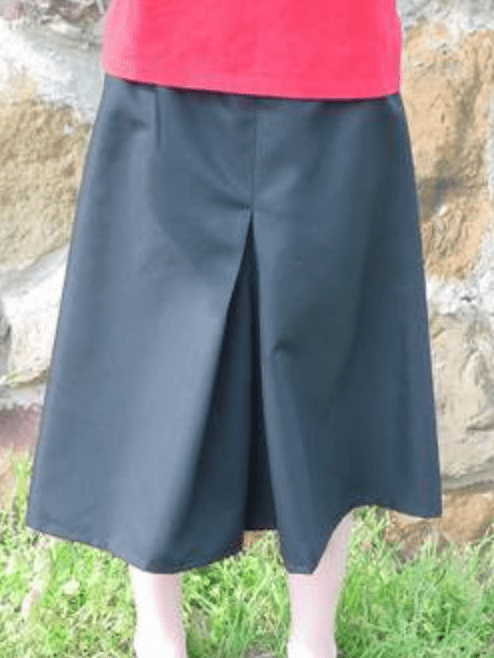
Within these high-demand communities, the shape and appearance of one’s body can be scrutinized as a reflection of moral and spiritual standing. Adherence to specific dress codes and behaviors is seen as evidence of one’s piety and commitment to religious principles. This can create an oppressive atmosphere where any deviation from the norm is judged harshly, leading to a persistent internalization of body shame.
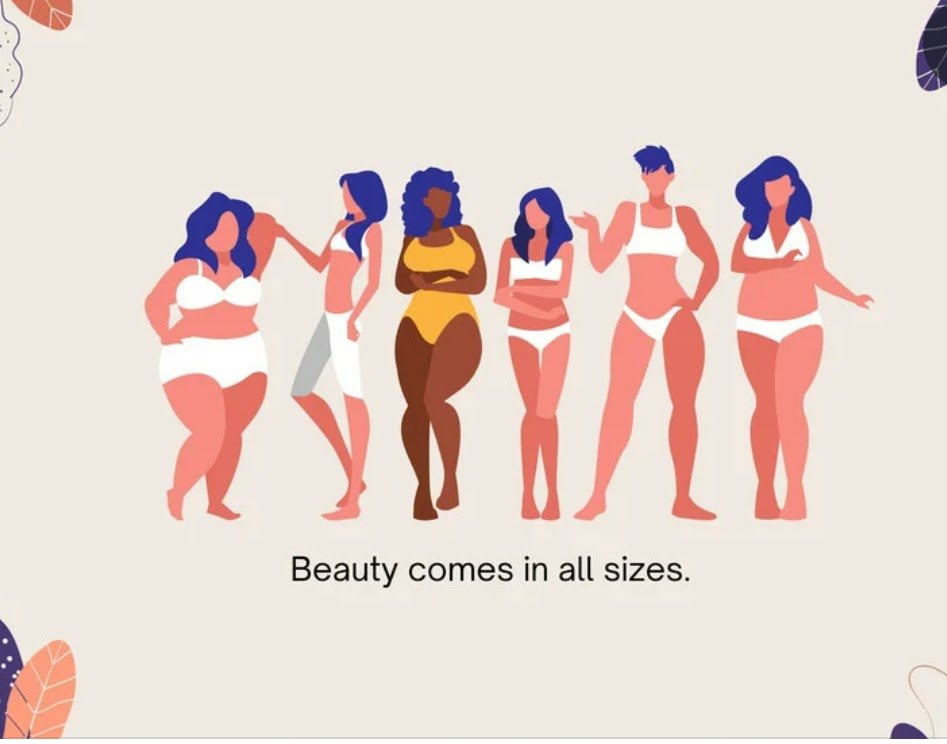
Stepping away from the high-demand religion has allowed me to see that the shape of my body is not a moral failing. Our bodies are diverse, influenced by genetics, health, and a host of other factors that have nothing to do with our character or spiritual worth. Equating body shape with moral value is a flawed perspective that only perpetuates harmful judgment and exclusion.
Rejecting these restrictive beauty standards and embracing body positivity has been crucial for my healing and self-acceptance. It involved challenging deeply ingrained beliefs, celebrating the diversity of human bodies, and learning to love myself as I am. By shifting the focus from rigid conformity to appreciating the uniqueness of each individual, I have learned I can combat the damaging effects of body shaming and promote a more inclusive and compassionate way of thinking.
This mental change hasn’t been easy. It involved unlearning deeply ingrained beliefs and confronting the internalized shame that stemmed from years of conforming to external expectations. But with each step, I’ve grown stronger and more compassionate toward myself. I’ve come to realize that my value isn’t determined by my appearance but by who I am as a person. Our bodies, in all their diversity, deserve respect and kindness.

Learning to accept my own body’s perceived flaws has made it easier for me to be kind to myself and, in turn, others. By embracing my imperfections, I’ve cultivated an internal empathy, allowing me to appreciate the uniqueness of myself and others without judgment. This shift in perspective has made me a more compassionate and supportive person, which everyone around me benefits from.
True beauty comes from authenticity and self-acceptance, not from adhering to an unrealistic and narrow set of standards. Everyone deserves to feel confident and valued, regardless of their physical appearance. The shape of my body is not a moral failing; it is a natural and unique expression of who I am. By recognizing this, I have been able to let go of the guilt and shame imposed by unrealistic beauty standards. Embracing my body as it is has allowed me to focus on what truly matters: my health, my happiness, and my overall well-being.


Disclaimer: The personal experiences shared in this post are based on my personal perspective. While I chose to leave the IFB to find a more gracious and loving community, it is important to acknowledge that individuals may have different experiences and find happiness within the IFB or any other religious institution. The decision to leave the IFB does not imply a loss of faith, as faith is a deeply personal and subjective matter. It is essential to respect and recognize the diversity of experiences and perspectives within religious communities. The content shared is for informational purposes only and should not be construed as professional advice, guidance, or a universal representation of the IFB or any religious organization. It is recommended to seek guidance, conduct research, and consider multiple perspectives when making personal decisions or exploring matters of faith.





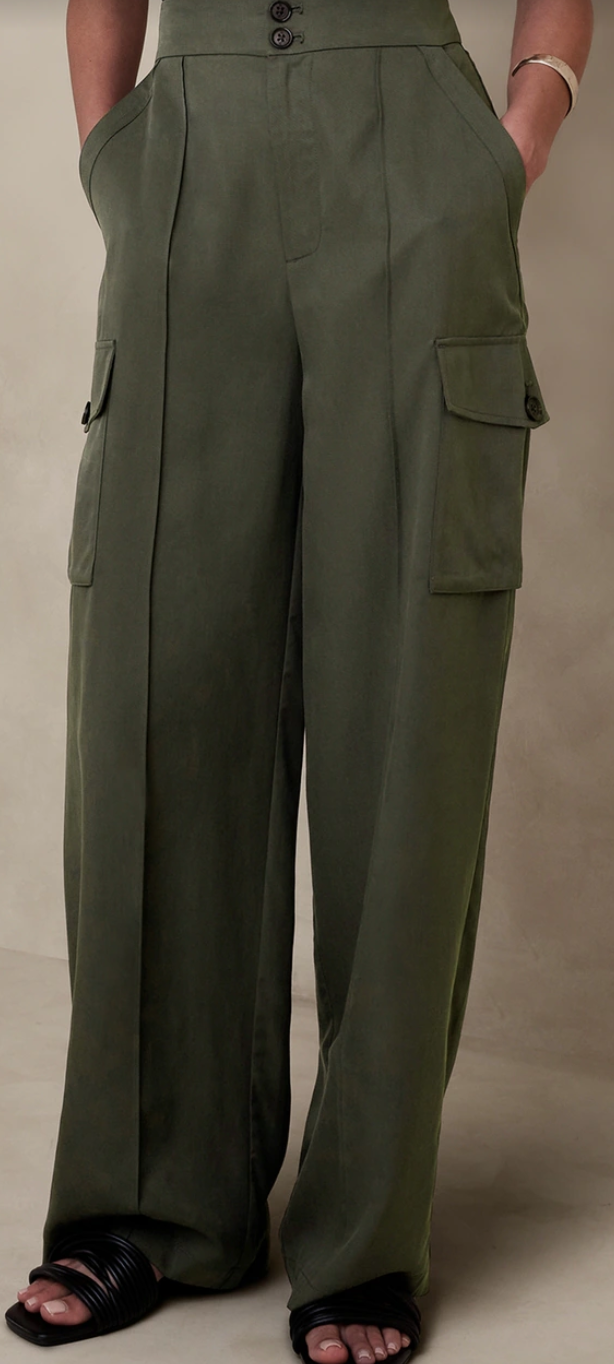


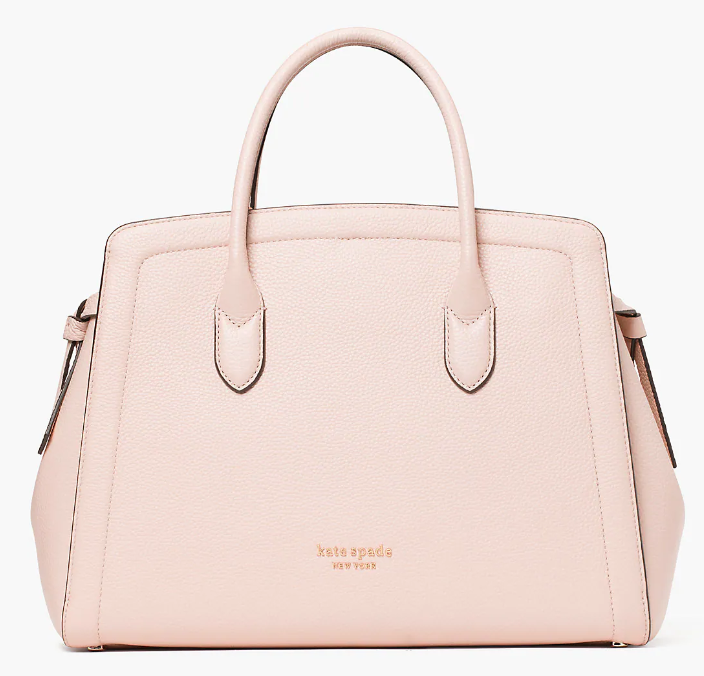






 Looking Joli Good