
Flab to FAB · Health/ Fitness · Lifestyle

The Weight of Happiness: Why Being Thinner Isn’t the Answer

Dressed up as Wonder Woman for a past church event called “Super Saturday”

In our image-obsessed culture, weight loss is often touted as the ultimate solution to unhappiness. Countless ads, social media influencers, and even well-meaning friends perpetuate the idea that shedding pounds will magically bring fulfillment. But for many, the pursuit of weight loss becomes a treadmill of physical and emotional exhaustion, leaving them further from true happiness than they began. My own journey is a testament to this reality: at my thinnest and fittest, I may have looked my best, but my mental and emotional health were in shambles. Only when I let go of the relentless pursuit of thinness did I find genuine contentment.

Years ago, I dedicated myself fully to becoming the “ideal” version of myself. I exercised rigorously, adhered to strict dietary guidelines, and prided myself on my discipline. Outwardly, the results were impressive. Friends and acquaintances showered me with compliments, admiring my fit physique and apparent self-control. It felt so good to be given so much praise, but beneath the surface, I was unraveling.

The mental toll of maintaining that lifestyle was immense. My thoughts were consumed by calories, macros, and workout schedules. I felt immense pressure to maintain my appearance, fearing that any deviation from my routine would erase all my progress. What’s more, I ignored the warning signs of burnout, convincing myself that my worth was tied to how I looked. Even though I appeared healthy, I was silently battling anxiety, self-doubt, and an overwhelming sense of emptiness. I felt the need to compare and compete with those around me.

This precarious balance came crashing down when I suffered an injury that significantly altered my ability to exercise. Suddenly, my meticulously crafted routine was impossible to maintain. Around the same time, I experienced a series of personal losses that shook me to my core. The weight of grief and the inability to channel my emotions into physical activity forced me to confront the truth I had been avoiding: I was deeply unhappy, and no amount of weight loss or fitness could fill the void inside me.

Initially, I struggled to adjust. Watching my body change felt like losing a part of my identity. But as I began to let go of the unrealistic expectations I had placed on myself, something remarkable happened. I discovered a sense of freedom I hadn’t felt in years. By allowing myself to relax and embrace a more balanced lifestyle, I found the space to heal emotionally and mentally.

Gaining weight, something I had once greatly feared so deeply, became a symbol of reclaiming my life. It meant enjoying meals with loved ones without guilt, spending time on hobbies that brought me joy, and prioritizing rest when my body needed it. I began to reconnect with who I truly was, apart from societal expectations or the number on a scale. For the first time in years, I felt whole. I felt happy. I felt content. I felt satisfied.

group of people making toast | lookingjoligood.blog

This journey taught me that the pursuit of thinness often comes at the expense of genuine happiness. While physical health and fitness is important, it should never overshadow mental and emotional well-being. True fulfillment comes from accepting ourselves as we are, imperfections and all, and building a life that aligns with our values rather than external standards.

Today, I am my truest, happiest self. My body may not fit my previous definition of perfection, but it is a vessel for a life filled with purpose, love, and joy. And that, I’ve learned, is far more valuable than any number on a scale. If you’ve been chasing weight loss as the solution to unhappiness, I encourage you to pause and reflect. Ask yourself what you truly need to feel whole. The answer, as I discovered, might not lie in losing weight but in finding yourself.

Laura lookingjoligood.wordpress.com

If you or someone you know is struggling with an eating disorder or disordered eating, it’s important to reach out for support. Seeking assistance from friends, family, or mental health professionals can make a significant difference in navigating these challenges. Remember that you don’t have to face it alone, and there are resources available to help you on the path to recovery. Prioritize your well-being and take the first step toward seeking the support you need.

**I’ve included some resources and references below.**

disclaimer | lookingjoligood.blog

Disclaimer: I am not an expert on eating disorders or disordered eating. The information provided is based on general knowledge and personal experience and should not be considered as a substitute for professional medical advice or treatment. While I am a registered nurse, I am not your personal healthcare provider. It is advisable for you to consult with your own designated healthcare professional to determine the best course of action for your specific situation for personalized guidance and recommendations tailored to your specific needs.

**Resources:

https://www.nationaleatingdisorders.org/help-support/contact-helpline

https://www.mayoclinic.org/diseases-conditions/eating-disorders/in-depth/eating-disorder-treatment/art-20046234

https://www.eatingdisorderhope.com/

https://anad.org/

https://www.nimh.nih.gov/health/publications/eating-disorders

https://www.theprojectheal.org/

Love and Life

Fitness Tracker Fixation: From Motivation to Obsession

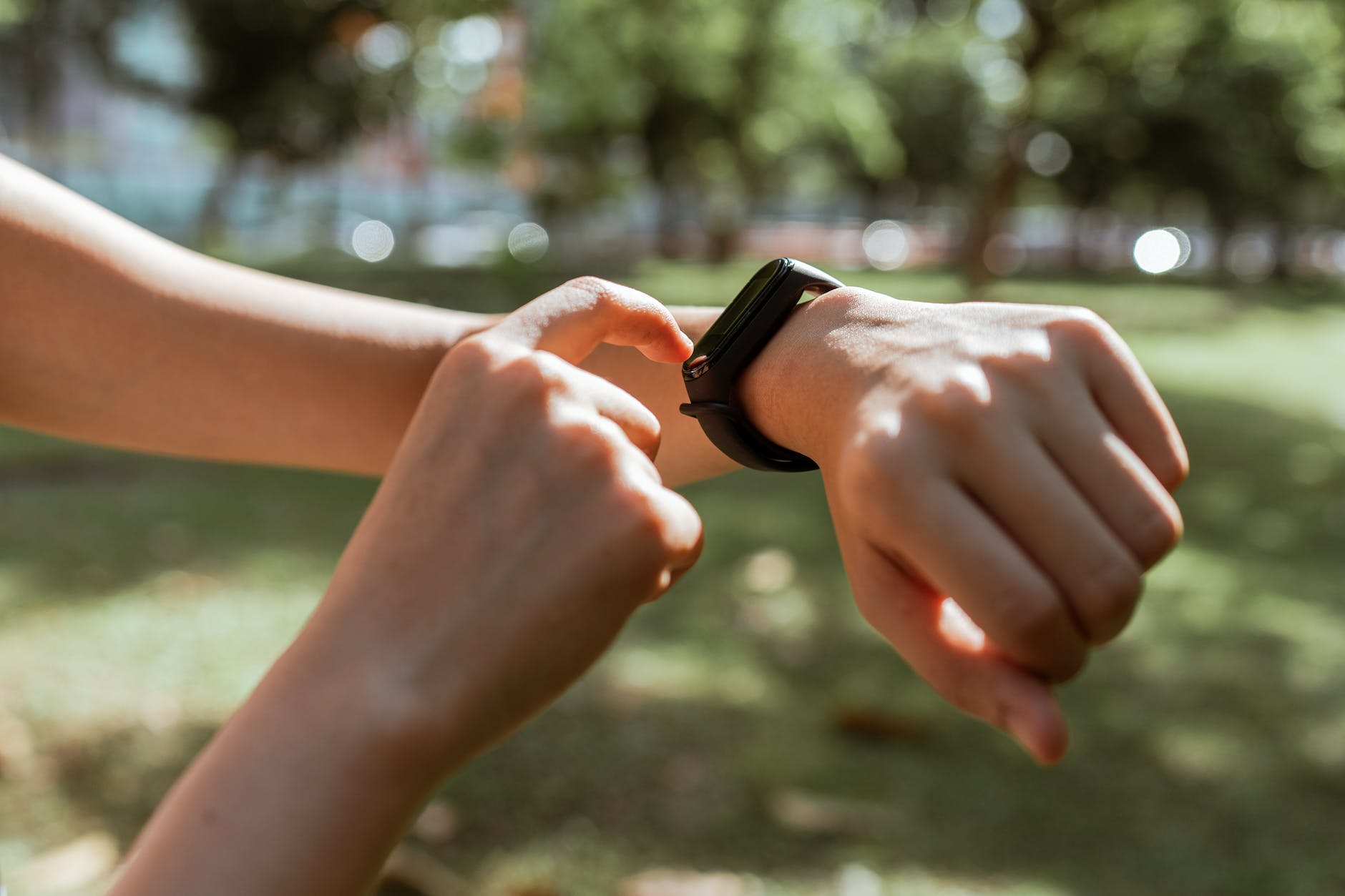
Let me tell you a love story that turned into an unhealthy obsession…I remember when I first got my fitness tracker. I had recently started working out and focusing on becoming a better version of myself. It was an exciting new motivational gadget that promised to help me stay on top of my fitness goals and track my progress. At first, it was incredibly motivating. I would eagerly check my steps, heart rate, and calorie burn throughout the day, striving to meet and exceed my daily targets. Seeing the numbers go up gave me a sense of accomplishment and encouraged me to push myself further in my workouts.

As days turned into weeks and weeks into months, into 12 years, my reliance on the fitness tracker grew. It became a constant companion, always strapped to my wrist, monitoring my every move. While it did keep me accountable and motivated for a while, it eventually turned into an obsession that started to cause anxiety.

I began to feel anxious whenever I couldn’t reach my daily targets.I didn’t want to move around too much or take any steps if I wasn’t wearing my tracker, every step needed to be accounted for! Missing a day of exercise or falling short of my step count would send me into a spiral of self-criticism and disappointment. It felt like the fitness tracker was just another way of judging whether I was succeeding or failing. I was giving myself an invisible test every single day that my success or failure was determined by the metrics on the tracker. It was supposed to be a helpful tool, but it started to feel like a demanding taskmaster instead.

The constant focus on numbers and metrics began to overshadow the joy I once found in physical activities. Activities that used to bring me pleasure and a sense of freedom turned into a means of achieving targets and gauging my value. It was no longer about enjoying a walk in nature with my dog or a bike ride on a beautiful day; it was about meeting a step count or burning a specific number of calories.

One day, I decided to take off my fitness tracker and give myself a little break from the constant monitoring. I felt relieved! It was then that I made the decision to break up with my fitness tracker and end our codependent relationship. Like leaving any toxic relationship, it was, dear I say, liberating! Suddenly, I was free from the pressure of meeting daily goals and expectations. I could exercise without feeling like I was being graded. I could move around because I wanted to and not because I felt I needed to “get my steps in.”

In the end, breaking up with my fitness tracker may seem like a small thing, but it was a turning point for me! It allowed me to escape the cycle of anxiety I had gotten myself trapped in and regain a healthier perspective on exercise and fitness. While there was a whole lot more that went into it than just removing the tracker from my wrist, letting go was a big step for me! I know that I am more than just the numbers on a device, and my worth isn’t determined by how many steps I take in a day, but having the tracker on reinforced my need to strive for a goal of perfection.

My experience with wearing a fitness tracker taught me a valuable lesson: my worth and value cannot be defined by numbers or data points. I don’t need a fitness tracker to gauge my worth. My true worth lies in celebrating my progress without fixating on perfection, and nurturing a positive relationship with my body and mind. It comes from recognizing that my value extends far beyond physical achievements, and that I am deserving of love, respect, and happiness simply for being alive. In the end breaking up with the reliance on a fitness device allows me to live a happier life.

Wondering why I became obsessed with my fitness tracker? Check out my post about high-functioning anxiety by clicking HERE!

lookingjoligood.wordpress.com

I would love for you to follow me on InstagramTwitterPinterest, and Facebook. You can find me as Looking Joli Good on all four.

Disclaimer: The experiences and insights shared in the above post regarding fitness trackers and anxiety are based on personal experiences and should not be construed as professional advice. Each person’s response to fitness trackers may vary, and what works for one person may not work for another. Each person’s fitness journey is unique, and finding a balanced approach that prioritizes mental and emotional well-being is crucial. If you experience anxiety or any other negative emotions related to the use of a fitness tracker, consider seeking guidance from a healthcare professional or fitness expert to find alternative methods that align with your personal needs and goals. If you are considering using a fitness tracker or facing any health-related concerns, it is essential to consult with a qualified healthcare professional or fitness expert for personalized guidance and recommendations.