For many of us, the pursuit of thinness is ingrained as the ultimate goal—a marker of self-worth, discipline, and even happiness. Yet, for those who have reached their “ideal” weight and still found themselves unfulfilled, it becomes clear that thinness is not the answer. Losing one more pound or one more inch or being one dress size smaller is not going to make a difference. True health and happiness require redefining our relationship with our bodies, shifting our focus from appearances to holistic well-being. Here’s how to move beyond the constraints of trying to be thinner and embrace a more fulfilling life.
1. Redefine Your Idea of Health
Shift your focus from weight to overall well-being. Health is about more than the number on a scale; it encompasses physical, mental, and emotional wellness. Set goals that prioritize strength, energy, and vitality rather than aesthetics. For instance, aim to improve your endurance, reduce stress, or get better sleep rather than striving to fit into a smaller clothing size.
2. Reconnect with Your Body
Many of us lose touch with our bodies when we’re overly focused on weight loss. When I was focused only on my body’s aesthetics I would push through pain and soreness, ignoring my body’s cry for a break or a snack. Take time to listen to what your body needs. Practice intuitive eating by paying attention to hunger and fullness cues, and allow yourself to enjoy food without guilt. Explore activities that bring you joy, such as dancing, hiking, spending time outdoors, or yoga, rather than forcing yourself into workouts you don’t enjoy.
3. Address the Emotional Roots
For many, the desire to lose weight and be thin is rooted in deeper emotional challenges, such as low self-esteem, perfectionism, comparison, competition, or a fear of rejection. Consider seeking therapy or counseling to unpack these feelings and develop healthier coping mechanisms. Journaling, mindfulness, and meditation can also help you process emotions and build self-awareness. Personally, journaling has made a huge impact in helping me uncover the root cause of why I felt I needed to over-exercise and under-eat. Through reflection, I realized that these behaviors were driven by a desire for control and a belief that my worth was tied to my appearance, rather than my well-being. Writing allowed me to explore these feelings and gradually shift my mindset toward a healthier, more compassionate approach to my body.
4. Build a Supportive Environment
Surround yourself with people who support your journey to redefine health and happiness. Share your goals with trusted friends or family members who encourage self-acceptance and balance. Limit interactions with individuals or communities that promote diet culture or body shaming. If certain people or social media accounts leave you feeling bad about yourself, consider distancing yourself from them or unfollowing them.
5. Celebrate Non-Physical Achievements
Reframe your definition of success to include accomplishments that have nothing to do with your appearance. This could mean developing a new skill, achieving a professional milestone, or strengthening relationships. Celebrate the qualities that make you unique, such as your kindness, creativity, or resilience. Although losing my job and the ability to exercise due to an injury initially triggered an identity crisis, deciding to go back to school to get my Masters allowed me to redefine success by focusing on accomplishments unrelated to my appearance.
6. Embrace Imperfection
Understand that the journey to redefining health and happiness is not linear. There will be days when self-doubt creeps in or when old habits resurface. Approach these moments with compassion rather than judgment. Remind yourself that progress is about learning and growth, not perfection. Even at my lowest weight and fittest state, I still wasn’t satisfied with how my body looked. There was always something to improve, a flaw to fix, or an imperfection to tweak—it was never enough.
7. Seek Joy in Everyday Life
Remember that happiness is found in the small, meaningful moments of life. It’s in savoring a meal with loved ones, laughing until your cheeks hurt, or feeling the sun on your skin during a walk. By focusing on these experiences rather than an arbitrary number, you’ll discover a more profound sense of fulfillment. It wasn’t until I began embracing and savoring these small, meaningful moments that I realized how much my pursuit of bodily perfection had been shaping my perspective.
8. Challenge Societal Narratives
Lastly question the societal standards that equate thinness with success and beauty. Reflect on where these beliefs came from—media, family, or cultural norms—and consider how they’ve influenced your self-perception. Educate yourself on how to care for your body in a healthy way—by eating for nourishment, not for aesthetics or control. Learn to enjoy a balanced diet, allowing yourself the occasional treat. Focus on strength without pushing yourself too hard, and give yourself grace when you need rest. While there’s nothing wrong with wanting to lose weight or striving for a certain body type, remember that health comes in many shapes and sizes.
Changing your mindset is not easy. Letting go of the identity you’ve built around being thin or fit can be deeply challenging. Changing your mindset is not easy. Letting go of the identity you’ve built around being thin or fit can be deeply challenging. When I began gaining weight and losing my fit physique, I experienced an identity crisis. I questioned my value and struggled to redefine who I was beyond appearances. The praise and compliments from others had always been a nice confirmation of a job well done, but as my physique changed, most people didn’t even notice. My biggest critic was always me. However, through time and self-compassion, I realized that my worth was never tied to my body shape. While the process was difficult, it ultimately led me to a deeper, more authentic understanding of myself and my happiness.
Redefining health and happiness means letting go of the relentless pursuit of thinness and embracing a life that prioritizes balance, joy, and authenticity. The pursuit of being thin and fit or having an interested in being healthy is by no means wrong, but it should not come at the expense of a well-rounded life. By challenging societal norms, reconnecting with your body, and addressing emotional well-being, you can move beyond the constraints of trying to be thinner and step into a more empowered, fulfilling existence. Remember, your worth is not determined by your weight but by the richness of the life you create.
**I’ve included some resources and references below.**
Disclaimer: I am not an expert on eating disorders or disordered eating. The information provided is based on general knowledge and personal experience and should not be considered as a substitute for professional medical advice or treatment. While I am a registered nurse, I am not your personal healthcare provider. It is advisable for you to consult with your own designated healthcare professional to determine the best course of action for your specific situation for personalized guidance and recommendations tailored to your specific needs.
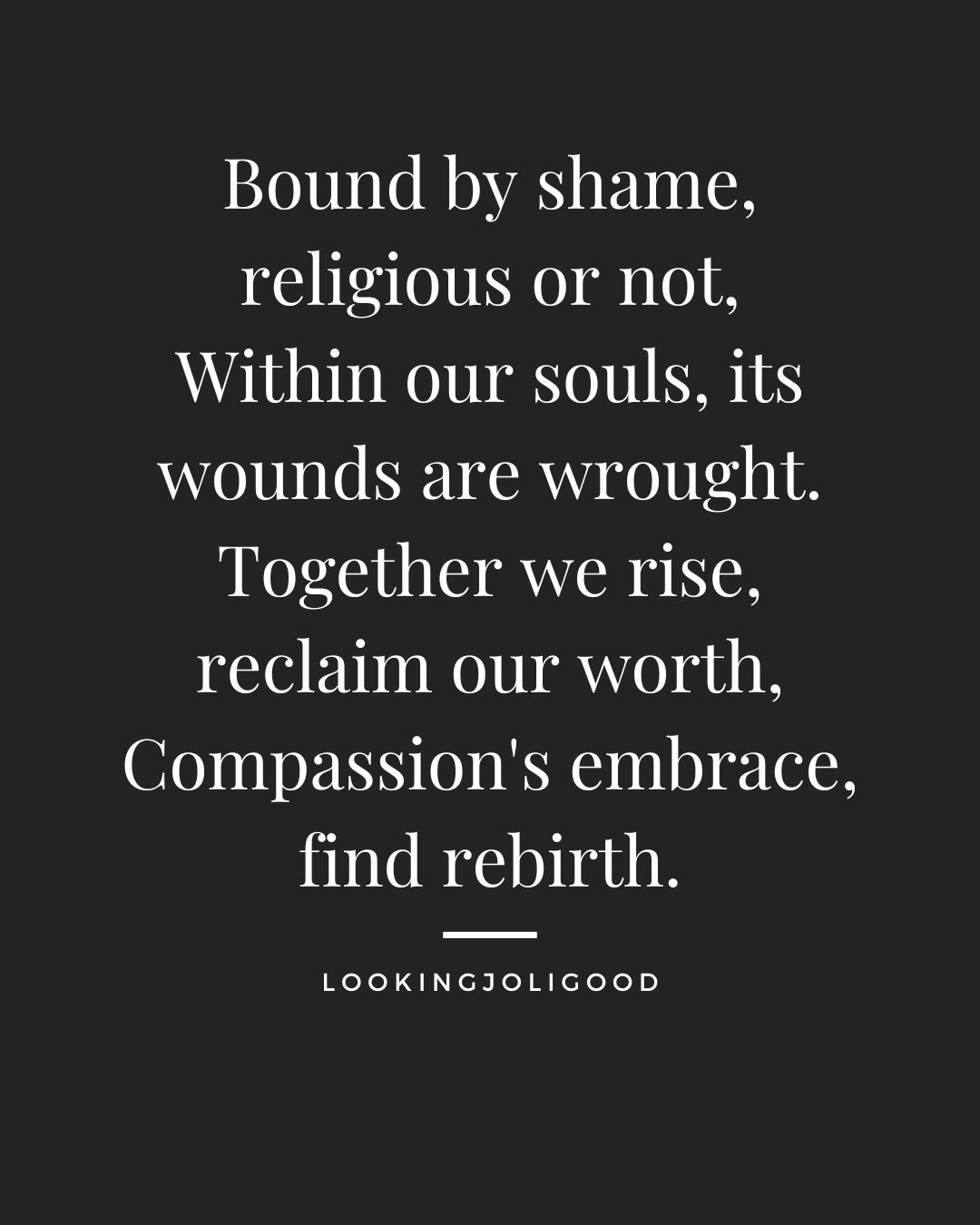
Abstract/TL;DR:Shame, whether in religious or non-religious contexts, can deeply harm individuals. It is used as a tool of control, punishment, and conformity. It can be seen in personal relationships, workplaces, social circles, and online communities. Breaking free from shame requires questioning ingrained beliefs, encouraging empathy, and creating supportive environments. By challenging the weaponization of shame, we can create a more compassionate society where people thrive.
*Please see disclaimer below
Content Warning: I may not cover all of these things in detail, you might feel triggered by the content of this post. CW: religious trauma, spiritual abuse, physical abuse, SA, guilt and shame, emotional manipulation, church discipline, loss of community, and fear of rejection
Shame is a complex emotion that can sneak into our lives in various ways, and dealing with it can be quite a challenge. It’s like when we mess up at work or in our personal relationships, and that feeling of failure starts gnawing at us. Even comparing ourselves to society’s beauty standards can trigger body shame, making us feel less than. Financial struggles or unemployment can bring on shame too, as we wonder why we can’t seem to get it together like others. (For instance, even though I find immense joy and satisfaction in being a stay-at-home mom and taking grad school classes, whenever someone inquires about my job, I can’t help but feel a pang of shame and an urge to justify why I am not currently employed.)
Those past mistakes we can’t shake off, they haunt us too. We beat ourselves up over things we did wrong, and the guilt weighs heavily in our minds and on our hearts. Sometimes, we might even feel ashamed of our family background or cultural differences, as if we don’t fit in. And the whole topic of sexuality and relationships can be a minefield of shame, with society’s judgmental eyes on us.
Mental health issues add another layer of complexity. Society’s stigma can make us feel ashamed for struggling with anxiety, depression, or any other challenges. It’s like we’re expected to hide our struggles and put on a brave face, acting like we have it all together at all times, which only makes things worse.
Even in simple social situations, we might feel awkward or different from others, and that can lead to a sense of shame and isolation.
But the truth is, we’re not alone in feeling this way. Shame is something we all encounter at some point in life. We’re all human, and we all have flaws. Finding healthy ways to cope with shame is important. We deserve to accept ourselves and let go of that unnecessary shame that holds us back.
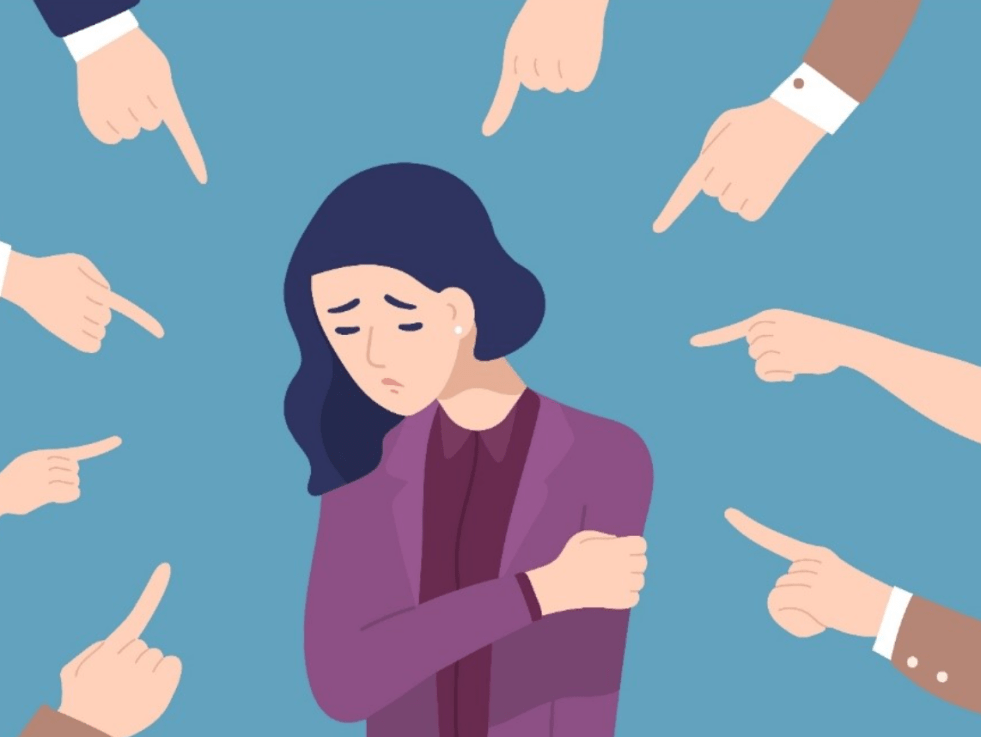
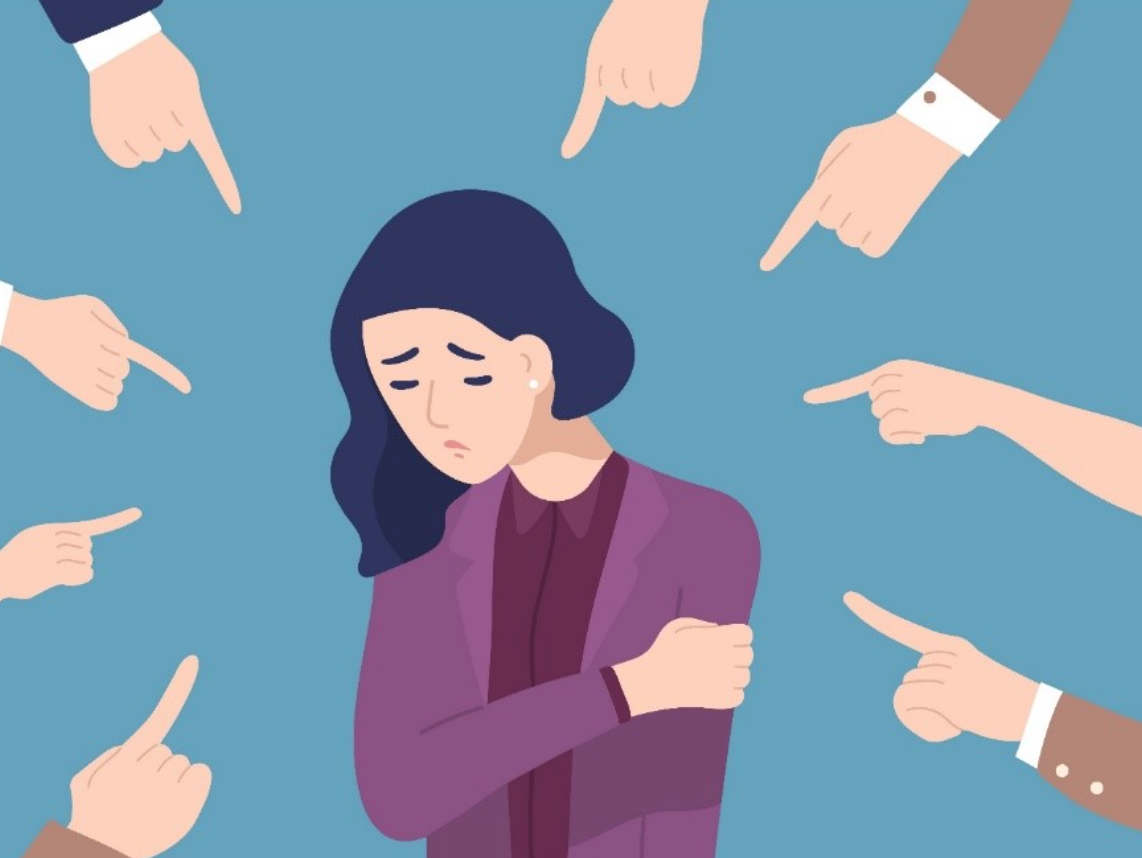
Coping with shame, whether it originates from ourselves or is inflicted by others, can be incredibly challenging. In particular, I’d like to focus on the difficulties associated with dealing with shame that is weaponized by others. They may use hurtful words, judgmental attitudes, or social exclusion to make us feel inadequate and unworthy. This deliberate tactic can deeply impact our self-esteem and emotional well-being. When shame is weaponized, it can undermine our confidence and create a sense of powerlessness. It’s important to recognize this manipulative behavior and set boundaries to protect ourselves.
Weaponized shame can occur in both religious and non-religious contexts, and its impact can be deeply detrimental to an individuals’ well-being. In religious settings, shame may be misused as a means of control, punishment, or enforcing conformity. Strict rules and expectations can create a culture where people feel constant pressure to meet unattainable standards, leading to intense feelings of guilt, unworthiness, and fear of divine punishment. Using public humiliation or exclusion as a means to enforce conformity can compelling people to suppress their true beliefs.
My focus will be on weaponized shame within a religious context, although it’s important to note that this concept is not limited solely to religious settings.It can also be observed in personal relationships, workplaces, social circles, and online communities. Emotional manipulation tactics can involve constant criticism, ridicule, or demeaning behavior, leaving one feeling inadequate, submissive, and fearful. In workplaces, shame can be wielded through public humiliation, belittlement, or scapegoating, creating a toxic environment that undermines employees’ confidence, motivation, and overall well-being and enjoyment. Within social circles, shame may be used to exclude or gossip about individuals based on their appearance, interests, or lifestyle choices, creating feelings of isolation and self-doubt. In the digital realm, cyberbullying and online shaming inflict shame on people publicly, leading to severe emotional distress and social withdrawal.
Weaponized shame in religions is a topic that resonates with me. It refers to the misuse of shame as a form of control or punishment within religious contexts. Shame, as a powerful emotion, can have both positive and negative effects on people. In healthy religious environments, it can be used constructively to encourage personal growth and uphold moral values. However, when shame is intentionally weaponized, it can have severe consequences on mental, emotional, and spiritual well-being.
I have experienced the weight of weaponized shame firsthand. It’s discouraging to witness shame being used as a means of control and punishment. The pressure to conform to rigid religious standards can be suffocating, leaving little room for personal growth. Instead of encouraging a sense of belonging and acceptance, this kind of shame creates a culture of fear, where one’s worthiness is constantly questioned.It often stems from the imposition of rigid rules and standards that are nearly impossible to meet. When I failed to adhere to these expectations, I was flooded with intense feelings of shame and guilt. The fear of divine punishment and the belief that I am inherently flawed was overwhelming, leading in my case to anxiety. (you can read more about that by clicking HERE)
The constant internal battle between who I am and who I was expected to be took a toll on my mental and emotional health. It became a struggle to find my own identity and voice within the constraints of imposed shame. The demoralizing sight of church leaders saying one thing and acting in a different way, while simultaneously attempting to shame congregants, only intensified my frustration. The constant fear of judgment and rejection from my religious community created a sense of anticipatory shame. Yet contradiction between the preached ideals and the hypocrisy of those in positions of authority eroded my faith and trust.
Instead of creating a loving and compassionate connection with the divine, teachings that use shame as a tool can create a distorted perception of a punishing higher power. The belief that you are inherently flawed and deserving of punishment tarnishes the understanding of spirituality and hinders the development of a genuine and meaningful relationship with God.
Another aspect of weaponized shame is the use of public humiliation or exclusion to enforce conformity. This culture of fear instills a constant need to conform, suppressing true beliefs and identity out of the fear of shame and rejection. It becomes a tricky balance between being authentic and adhering to the expectations set by the community. I have witnessed individuals being publicly shamed or ostracized within the religious community for deviating from group norms and teachings. For instance, women being publicly shamed in front of the church for becoming pregnant without being married, even though there is no male partner present to share the shame. (While I have very strong feelings about the public shaming of unmarried pregnant women, I will not get into the discussion of that today.)
Church discipline, as mentioned in the Bible (Matthew 18:15-17), addresses unrepentant, serious sin within the Christian community. The focus is on restoration and reconciliation rather than shame or punishment. It seeks to guide individuals towards recognizing their actions, seeking repentance, and encourage healing and grace within the community.
Women are often shamed and preached to about the importance of dressing modestly, while simultaneously being chastised for causing men to stumble due to their mere physical presence. Ironically, the men who criticize them are often not prioritizing modesty in the way they are living their own lives. It is important to note that modesty encompasses much more than just a woman’s choice of clothing. Living a life of modesty involves embracing simplicity, humility, and contentment, valuing inner qualities over material possessions, and showing respect and consideration for others in all aspects of one’s actions and interactions. (Might I also point out Matthew 5:29: “If your right eye causes you to stumble, gouge it out and throw it away. It is better for you to lose one part of your body than for your whole body to be thrown into hell.”)
I am not condoning or encouraging wrong behavior, but using shame as a way of control or punishment is harmful and damaging to one’s well-being and sense of self-worth. It can lead to long-lasting emotional scars and prevent open and honest communication, hindering personal growth. Using shame as a tool of control or punishment can have negative effects on both the individuals subjected to it and the group employing it. It can lead to a lack of trust and division within the group, while hindering compassion and empathy. Additionally, the group might struggle to have genuine connections among its members due to fear of shame being used against them.
It is important to acknowledge that not all religious communities engage in weaponized shame. Some emphasize compassion, forgiveness, and acceptance. Sharing experiences and challenging the harmful effects of weaponized shame can contribute to the creation of religious spaces that uplift and inspire people, nurturing their spiritual well-being. However, when shame is used as a tool of control and manipulation, it has severe negative consequences.
The Holy Spirit serves as a guiding presence in our lives, functioning as our conscience. It is through the Holy Spirit that we receive conviction and guidance regarding our thoughts, actions, and decisions. While shame can be a powerful emotion, it is important to discern whether it stems from the Holy Spirit’s gentle conviction or from manipulative tactics of the church or others. If we do not feel genuine shame from the Holy Spirit, we should not allow the church leaders or religious institutions or others to manipulate us into feeling shame. Instead, we should seek a deeper understanding of God’s love, grace, and forgiveness, and allow the Holy Spirit to lead us in righteousness, free from undue manipulation or spiritual harm.
Romans 8:1-2 “So now there is no condemnation for those who belong to Christ Jesus. And because you belong to him, the power of the life-giving Spirit has freed you from the power of sin that leads to death.”
This verse emphasizes that as believers in Christ, we are set free from condemnation. The Holy Spirit guides us into a life-giving relationship with Jesus, freeing us from the power of sin and any false shame associated with it.
Galatians 5:1 “So Christ has truly set us free. Now make sure that you stay free, and don’t get tied up again in slavery to the law.”
This verse encourages believers to embrace the freedom found in Christ and to guard against being burdened by legalistic rules and regulations. It reminds us that true freedom in Christ includes freedom from manipulative spiritual practices or unnecessary shame. The entire book of Galatians speaks about grace and freedom from shame and legalism.
1 John 2:27 “But you have received the Holy Spirit, and he lives within you, so you don’t need anyone to teach you what is true. For the Spirit teaches you everything you need to know, and what he teaches is true—it is not a lie. So just as he has taught you, remain in fellowship with Christ.”
This verse reminds us that as believers, we have received the Holy Spirit who dwells within us. The Holy Spirit teaches us what is true, and we can rely on the Spirit’s guidance without needing others to manipulate or shame us spiritually.
There are several more Bible verses that speak to the issue of shame and the importance of finding healing and freedom from it. Here are a few examples:
Psalm 25:3: “No one who trusts in you will ever be disgraced, but disgrace comes to those who try to deceive others.”
Psalm 34:4-5: “”I prayed to the Lord, and he answered me. He freed me from all my fears. Those who look to him for help will be radiant with joy; no shadow of shame will darken their faces.”
Isaiah 61:7: “Instead of shame and dishonor, you will enjoy a double share of honor. You will possess a double portion of prosperity in your land, and everlasting joy will be yours.”
Romans 9:33: “For the Scriptures say, ‘I will take revenge; I will pay them back,’ says the Lord. ‘Instead, I will bless you.'”
Romans 10:11 – “As the Scriptures tell us, ‘Anyone who trusts in him will never be disgraced.'”
2 Corinthians 5:17: “This means that anyone who belongs to Christ has become a new person. The old life is gone; a new life has begun!”
1 Peter 2:6: “As the Scriptures say, ‘I am placing a cornerstone in Jerusalem, chosen for great honor, and anyone who trusts in him will never be disgraced.'”
1 Peter 4:16: “But it is no shame to suffer for being a Christian. Praise God for the privilege of being called by his name!”
By acknowledging the harmful impact of weaponized shame and striving to create supportive environments, we can contribute to a more compassionate and inclusive society. In such a setting, individuals can thrive and grow without the burden of shame holding them back.
Disclaimer: The personal experiences shared in this post are based on my personal perspective. While I chose to leave the IFB to find a more gracious and loving community, it is important to acknowledge that individuals may have different experiences and find happiness within the IFB or any other religious institution. My decision to leave the IFB does not imply a loss of faith, as faith is a deeply personal and subjective matter. It is essential to respect and recognize the diversity of experiences and perspectives within religious communities. The content shared is for informational purposes only and should not be construed as professional advice, guidance, or a universal representation of the IFB or any religious organization. It is recommended to seek guidance, conduct research, and consider multiple perspectives when making personal decisions or exploring matters of faith.
Want more information about weaponized shame? Here are some references:
Shame Resilience Theory by Brené Brown: This theory explains how shame can be managed and overcome. Brown argues that shame resilience is essential for living a healthy and fulfilling life. https://www.habitsforwellbeing.com/shame-resilience-theory/
Using Shame as a Weapon: Does it Work? by Tim Hill “The risk in using shame as a weapon is not that it won’t work, but that it will. Shame suppresses, contracts, limits and weakens the person who is shamed.”http://timhillpsychotherapy.com/shame-as-a-weapon/






 Looking Joli Good