
In the 1990s, a simple question swept through youth groups and church camps alike: What Would Jesus Do? The words appeared on colorful bracelets, bumper stickers, and T-shirts, meant to remind believers to act with kindness, humility, and compassion. It was supposed to be a personal moral compass, a quiet invitation to pause before reacting, to let love guide choices both big and small. The heart of the question wasn’t about judgment; it was about empathy.
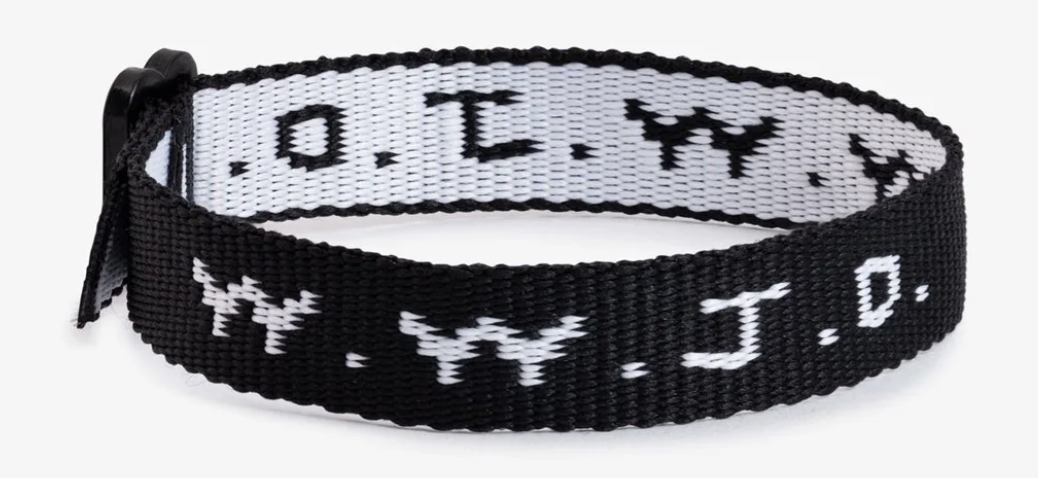
But over time, that question began to change. What once encouraged introspection and gentleness slowly became a slogan of moral superiority. Instead of prompting people to ask how Jesus might respond with grace, it was used as a way to measure who was “in” and who was “out.” The question that once invited compassion became a tool for comparison. And in some circles, it stopped being a question at all—it became a statement of assumed certainty: We know what Jesus would do, and He would do exactly what we believe.
As Christian nationalism is rising, “What Would Jesus Do?” is being redefined again. It is no longer about the Jesus who knelt to wash His disciples’ feet or dined with outcasts. Instead, it is being tied to a vision of Jesus as a national defender, a warrior for political power and cultural dominance. WWJD has become less about self-examination and more about self-righteousness. It justified exclusion, aggression, and even violence in His name. The slogan that once reminded people to love their neighbor has become a banner waved in opposition to them.
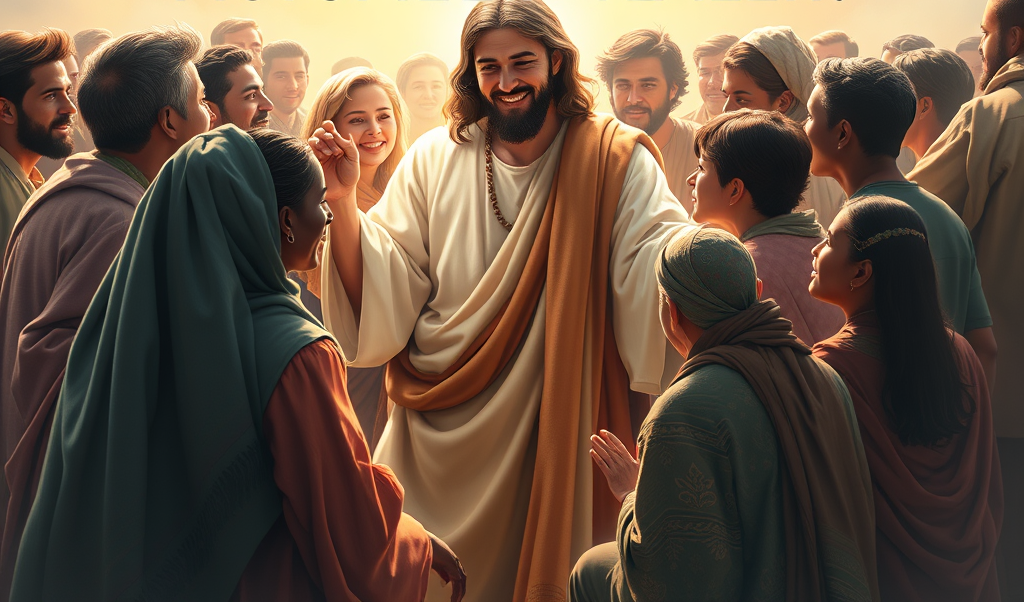
Somewhere along the way, the question stopped leading people back to the gentle teacher giving the sermon on the mount. The Jesus who blessed the peacemakers and taught forgiveness seventy times seven was replaced by one made in the image of our own fears and ambitions. Yet the real question still waits quietly beneath the noise, What Would Jesus Do? He would feed the hungry. He would welcome the stranger, refugee, and immigrant. He would touch the untouchable and forgive the unforgivable. He would love people the world forgot.
Maybe it’s time to reclaim the question, not as a slogan, but as a way of living. To let it once again be the whisper that draws us back to grace, not the shout that divides us.

Disclaimer: The personal experiences shared in this post are based on my personal perspective. While I chose to leave the IFB to find a more gracious and loving faith, it is important to acknowledge that individuals may have different experiences and find happiness within the IFB or any other religious institution. The decision to leave the IFB does not imply a loss of faith, as faith is a deeply personal and subjective matter. It is essential to respect and recognize the diversity of experiences and perspectives within religious communities. The content shared is for informational purposes only and should not be construed as professional advice, guidance, or a universal representation of the IFB or any religious organization. It is recommended to seek guidance, conduct research, and consider multiple perspectives when making personal decisions or exploring matters of faith.

 Looking Joli Good
It is a valuable instrument when directed internally and a dangerous weapon to use externally.
LikeLiked by 1 person
That is a really good way to put it!
LikeLiked by 1 person