Ditch The Diet for Healthy Habits · Flab to FAB · Health/ Fitness · Lifestyle

When Thinner Isn’t Enough: Redefining Health and Happiness

For many of us, the pursuit of thinness is ingrained as the ultimate goal—a marker of self-worth, discipline, and even happiness. Yet, for those who have reached their “ideal” weight and still found themselves unfulfilled, it becomes clear that thinness is not the answer. Losing one more pound or one more inch or being one dress size smaller is not going to make a difference. True health and happiness require redefining our relationship with our bodies, shifting our focus from appearances to holistic well-being. Here’s how to move beyond the constraints of trying to be thinner and embrace a more fulfilling life.

1. Redefine Your Idea of Health

Shift your focus from weight to overall well-being. Health is about more than the number on a scale; it encompasses physical, mental, and emotional wellness. Set goals that prioritize strength, energy, and vitality rather than aesthetics. For instance, aim to improve your endurance, reduce stress, or get better sleep rather than striving to fit into a smaller clothing size.

2. Reconnect with Your Body

Many of us lose touch with our bodies when we’re overly focused on weight loss. When I was focused only on my body’s aesthetics I would push through pain and soreness, ignoring my body’s cry for a break or a snack. Take time to listen to what your body needs. Practice intuitive eating by paying attention to hunger and fullness cues, and allow yourself to enjoy food without guilt. Explore activities that bring you joy, such as dancing, hiking, spending time outdoors, or yoga, rather than forcing yourself into workouts you don’t enjoy.

3. Address the Emotional Roots

For many, the desire to lose weight and be thin is rooted in deeper emotional challenges, such as low self-esteem, perfectionism, comparison, competition, or a fear of rejection. Consider seeking therapy or counseling to unpack these feelings and develop healthier coping mechanisms. Journaling, mindfulness, and meditation can also help you process emotions and build self-awareness. Personally, journaling has made a huge impact in helping me uncover the root cause of why I felt I needed to over-exercise and under-eat. Through reflection, I realized that these behaviors were driven by a desire for control and a belief that my worth was tied to my appearance, rather than my well-being. Writing allowed me to explore these feelings and gradually shift my mindset toward a healthier, more compassionate approach to my body.

4. Build a Supportive Environment

Surround yourself with people who support your journey to redefine health and happiness. Share your goals with trusted friends or family members who encourage self-acceptance and balance. Limit interactions with individuals or communities that promote diet culture or body shaming. If certain people or social media accounts leave you feeling bad about yourself, consider distancing yourself from them or unfollowing them.

5. Celebrate Non-Physical Achievements

Reframe your definition of success to include accomplishments that have nothing to do with your appearance. This could mean developing a new skill, achieving a professional milestone, or strengthening relationships. Celebrate the qualities that make you unique, such as your kindness, creativity, or resilience. Although losing my job and the ability to exercise due to an injury initially triggered an identity crisis, deciding to go back to school to get my Masters allowed me to redefine success by focusing on accomplishments unrelated to my appearance.

6. Embrace Imperfection

Understand that the journey to redefining health and happiness is not linear. There will be days when self-doubt creeps in or when old habits resurface. Approach these moments with compassion rather than judgment. Remind yourself that progress is about learning and growth, not perfection. Even at my lowest weight and fittest state, I still wasn’t satisfied with how my body looked. There was always something to improve, a flaw to fix, or an imperfection to tweak—it was never enough.

7. Seek Joy in Everyday Life

Remember that happiness is found in the small, meaningful moments of life. It’s in savoring a meal with loved ones, laughing until your cheeks hurt, or feeling the sun on your skin during a walk. By focusing on these experiences rather than an arbitrary number, you’ll discover a more profound sense of fulfillment. It wasn’t until I began embracing and savoring these small, meaningful moments that I realized how much my pursuit of bodily perfection had been shaping my perspective.

8. Challenge Societal Narratives

Lastly question the societal standards that equate thinness with success and beauty. Reflect on where these beliefs came from—media, family, or cultural norms—and consider how they’ve influenced your self-perception. Educate yourself on how to care for your body in a healthy way—by eating for nourishment, not for aesthetics or control. Learn to enjoy a balanced diet, allowing yourself the occasional treat. Focus on strength without pushing yourself too hard, and give yourself grace when you need rest. While there’s nothing wrong with wanting to lose weight or striving for a certain body type, remember that health comes in many shapes and sizes.

Changing your mindset is not easy. Letting go of the identity you’ve built around being thin or fit can be deeply challenging. Changing your mindset is not easy. Letting go of the identity you’ve built around being thin or fit can be deeply challenging. When I began gaining weight and losing my fit physique, I experienced an identity crisis. I questioned my value and struggled to redefine who I was beyond appearances. The praise and compliments from others had always been a nice confirmation of a job well done, but as my physique changed, most people didn’t even notice. My biggest critic was always me. However, through time and self-compassion, I realized that my worth was never tied to my body shape. While the process was difficult, it ultimately led me to a deeper, more authentic understanding of myself and my happiness.

Redefining health and happiness means letting go of the relentless pursuit of thinness and embracing a life that prioritizes balance, joy, and authenticity. The pursuit of being thin and fit or having an interested in being healthy is by no means wrong, but it should not come at the expense of a well-rounded life. By challenging societal norms, reconnecting with your body, and addressing emotional well-being, you can move beyond the constraints of trying to be thinner and step into a more empowered, fulfilling existence. Remember, your worth is not determined by your weight but by the richness of the life you create.

You can read more about The Weight of Happiness by clicking HERE.

Laura lookingjoligood.wordpress.com

**I’ve included some resources and references below.**

disclaimer | lookingjoligood.blog

Disclaimer: I am not an expert on eating disorders or disordered eating. The information provided is based on general knowledge and personal experience and should not be considered as a substitute for professional medical advice or treatment. While I am a registered nurse, I am not your personal healthcare provider. It is advisable for you to consult with your own designated healthcare professional to determine the best course of action for your specific situation for personalized guidance and recommendations tailored to your specific needs.

**Resources:

https://www.nationaleatingdisorders.org/help-support/contact-helpline

https://www.mayoclinic.org/diseases-conditions/eating-disorders/in-depth/eating-disorder-treatment/art-20046234

https://www.eatingdisorderhope.com/

https://www.nimh.nih.gov/health/publications/eating-disorders

https://www.theprojectheal.org/

https://anad.org/

Flab to FAB · Health/ Fitness · Lifestyle

The Weight of Happiness: Why Being Thinner Isn’t the Answer

Dressed up as Wonder Woman for a past church event called “Super Saturday”

In our image-obsessed culture, weight loss is often touted as the ultimate solution to unhappiness. Countless ads, social media influencers, and even well-meaning friends perpetuate the idea that shedding pounds will magically bring fulfillment. But for many, the pursuit of weight loss becomes a treadmill of physical and emotional exhaustion, leaving them further from true happiness than they began. My own journey is a testament to this reality: at my thinnest and fittest, I may have looked my best, but my mental and emotional health were in shambles. Only when I let go of the relentless pursuit of thinness did I find genuine contentment.

Years ago, I dedicated myself fully to becoming the “ideal” version of myself. I exercised rigorously, adhered to strict dietary guidelines, and prided myself on my discipline. Outwardly, the results were impressive. Friends and acquaintances showered me with compliments, admiring my fit physique and apparent self-control. It felt so good to be given so much praise, but beneath the surface, I was unraveling.

The mental toll of maintaining that lifestyle was immense. My thoughts were consumed by calories, macros, and workout schedules. I felt immense pressure to maintain my appearance, fearing that any deviation from my routine would erase all my progress. What’s more, I ignored the warning signs of burnout, convincing myself that my worth was tied to how I looked. Even though I appeared healthy, I was silently battling anxiety, self-doubt, and an overwhelming sense of emptiness. I felt the need to compare and compete with those around me.

This precarious balance came crashing down when I suffered an injury that significantly altered my ability to exercise. Suddenly, my meticulously crafted routine was impossible to maintain. Around the same time, I experienced a series of personal losses that shook me to my core. The weight of grief and the inability to channel my emotions into physical activity forced me to confront the truth I had been avoiding: I was deeply unhappy, and no amount of weight loss or fitness could fill the void inside me.

Initially, I struggled to adjust. Watching my body change felt like losing a part of my identity. But as I began to let go of the unrealistic expectations I had placed on myself, something remarkable happened. I discovered a sense of freedom I hadn’t felt in years. By allowing myself to relax and embrace a more balanced lifestyle, I found the space to heal emotionally and mentally.

Gaining weight, something I had once greatly feared so deeply, became a symbol of reclaiming my life. It meant enjoying meals with loved ones without guilt, spending time on hobbies that brought me joy, and prioritizing rest when my body needed it. I began to reconnect with who I truly was, apart from societal expectations or the number on a scale. For the first time in years, I felt whole. I felt happy. I felt content. I felt satisfied.

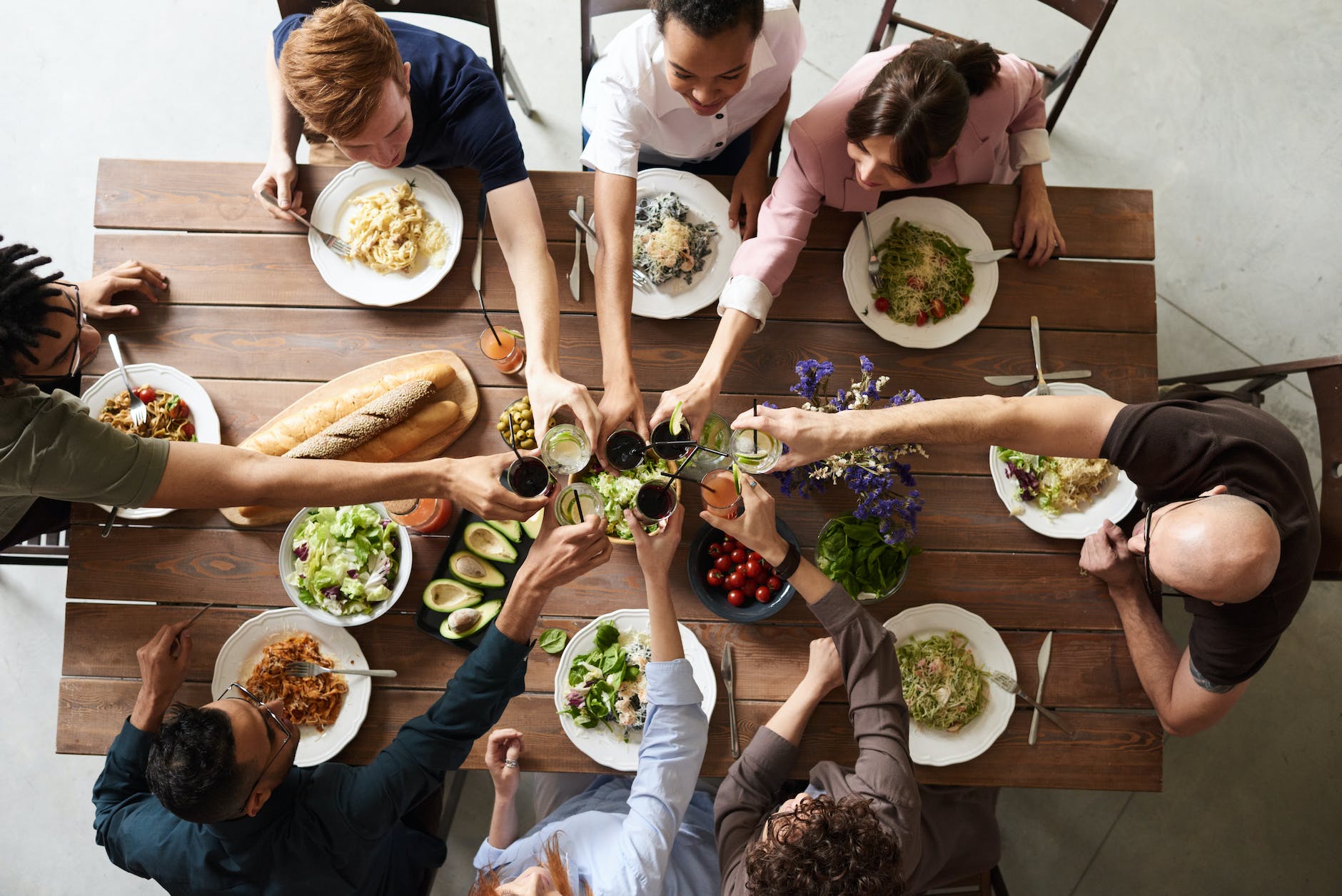
group of people making toast | lookingjoligood.blog

This journey taught me that the pursuit of thinness often comes at the expense of genuine happiness. While physical health and fitness is important, it should never overshadow mental and emotional well-being. True fulfillment comes from accepting ourselves as we are, imperfections and all, and building a life that aligns with our values rather than external standards.

Today, I am my truest, happiest self. My body may not fit my previous definition of perfection, but it is a vessel for a life filled with purpose, love, and joy. And that, I’ve learned, is far more valuable than any number on a scale. If you’ve been chasing weight loss as the solution to unhappiness, I encourage you to pause and reflect. Ask yourself what you truly need to feel whole. The answer, as I discovered, might not lie in losing weight but in finding yourself.

Laura lookingjoligood.wordpress.com

If you or someone you know is struggling with an eating disorder or disordered eating, it’s important to reach out for support. Seeking assistance from friends, family, or mental health professionals can make a significant difference in navigating these challenges. Remember that you don’t have to face it alone, and there are resources available to help you on the path to recovery. Prioritize your well-being and take the first step toward seeking the support you need.

**I’ve included some resources and references below.**

disclaimer | lookingjoligood.blog

Disclaimer: I am not an expert on eating disorders or disordered eating. The information provided is based on general knowledge and personal experience and should not be considered as a substitute for professional medical advice or treatment. While I am a registered nurse, I am not your personal healthcare provider. It is advisable for you to consult with your own designated healthcare professional to determine the best course of action for your specific situation for personalized guidance and recommendations tailored to your specific needs.

**Resources:

https://www.nationaleatingdisorders.org/help-support/contact-helpline

https://www.mayoclinic.org/diseases-conditions/eating-disorders/in-depth/eating-disorder-treatment/art-20046234

https://www.eatingdisorderhope.com/

https://anad.org/

https://www.nimh.nih.gov/health/publications/eating-disorders
https://www.theprojectheal.org/

Health/ Fitness · Lifestyle

Is It an Eating Disorders or Disordered Eating?!

Understanding the Distinction: Eating Disorders vs. Disordered Eating

With the arrival of the new year, the pressure to lose weight often looms large, fueled by resolutions promising transformation and societal ideals equating the “New Year with a New You.” Often thinness equals success. I’ve written recently about how this annual focus can turn the simple act of eating into a source of stress rather than nourishment. It’s a cycle many of us know too well, where weight loss becomes the ultimate measure of worth. Yet, beneath this cultural fixation lies a spectrum of struggles with food and body image that range from disordered eating to severe eating disorders. Understanding these distinctions is essential for creating compassion, breaking free from harmful habits, and nurturing a healthier relationship with ourselves and the food we consume.

Navigating the complexities of food and body image requires understanding the nuanced differences between eating disorders and disordered eating. While both involve challenges in the relationship with food, the distinction lies not in extremes but in the underlying motivations, patterns, and severity of the behaviors. Recognizing this difference creates awareness and encourages compassion for those who struggle.

Eating Disorders
Eating disorders are severe mental health conditions marked by persistent disruptions in eating behaviors and an intense preoccupation with body weight and shape. Disorders such as anorexia, bulimia, binge-eating disorder, and avoidant/restrictive food intake disorder (ARFID) often have life-threatening consequences. These illnesses extend beyond visible behaviors, encompassing deep psychological distress that demands professional intervention 3 5.

Disordered Eating
Disordered eating, while less severe, refers to irregular eating habits that do not meet the clinical criteria for an eating disorder but can still negatively impact physical, emotional, and mental health. Examples include frequent dieting, calorie counting, skipping meals, and adhering to rigid food rules. People with disordered eating may engage in behaviors like binge eating, excessive exercise, or compulsively tracking their intake, driven by societal pressures or personal anxieties about body image 2.

These behaviors, though seemingly less alarming, can pave the way to full-blown eating disorders over time. Even when they don’t escalate, they may lead to long-term health issues, including psychological distress and a diminished sense of well-being 2.

Key Differences
  • Severity and Impact: Eating disorders are more severe and have a more significant impact on an individual’s life, often causing serious physical and psychological complications 3 7.
  • Diagnostic Criteria: Eating disorders meet specific clinical criteria outlined in the DSM-5 TR, while disordered eating does not have a formal diagnosis 5.
  • Frequency and Duration: Eating disorder behaviors occur more frequently and persist for longer periods compared to disordered eating 3.
  • Emotional Response: Individuals with eating disorders often experience intense negative emotions associated with food and eating, while those with disordered eating may have a more neutral emotional response 7.
  • Control: Eating disorders are characterized by a significant loss of control over eating behaviors, whereas disordered eating may involve more intermittent or less severe loss of control 3.
  • Treatment Needs: Eating disorders typically require professional intervention and comprehensive treatment, while disordered eating may benefit from education and early support 7 8.
Importance of Recognition

Understanding the distinction between eating disorders and disordered eating is crucial for several reasons:

  • Early Intervention: Recognizing disordered eating patterns early can prevent the development of full-blown eating disorders 2.
  • Appropriate Treatment: Differentiating between the two ensures individuals receive the most appropriate level of care and support 8.
  • Destigmatization: Acknowledging the spectrum of problematic eating behaviors helps reduce stigma and encourages seeking help 2.
  • Prevention: Understanding risk factors and early signs can aid in prevention efforts and promote healthier relationships with food and body image 6.

Why It Matters
Understanding these distinctions is vital. Both eating disorders and disordered eating reflect a strained relationship with food, but early intervention for either can make a profound difference. While eating disorders and disordered eating share some similarities, they differ in severity, diagnosis, and impact. Both require attention and support, but eating disorders often necessitate more intensive treatment. Recognizing these distinctions is essential for promoting early intervention, appropriate care, and overall well-being. Seeking help, whether through friends, family, or healthcare professionals, is a courageous step toward recovery and well-being.

If you or someone you know is struggling, remember that support is available. Compassion, education, and professional guidance can pave the way to a healthier relationship with food and body image. You don’t have to face this journey alone. **I’ve included some resources and references below.**

Laura lookingjoligood.wordpress.com
disclaimer | lookingjoligood.blog

Disclaimer: I am not an expert on eating disorders or disordered eating. The information provided is based on general knowledge and personal experience and should not be considered as a substitute for professional medical advice or treatment. While I am a registered nurse, I am not your personal healthcare provider. It is advisable for you to consult with your own designated healthcare professional to determine the best course of action for your specific situation for personalized guidance and recommendations tailored to your specific needs.

**Resources:

https://www.nationaleatingdisorders.org/help-support/contact-helpline

https://www.mayoclinic.org/diseases-conditions/eating-disorders/in-depth/eating-disorder-treatment/art-20046234

https://www.eatingdisorderhope.com/

https://anad.org/

https://www.nimh.nih.gov/health/publications/eating-disorders

Project HEAL. https://www.theprojectheal.org/

**References:

[1] https://changecreateschange.com/disordered-eating-vs-eating-disorders-whats-the-difference/

[2] https://www.theprojectheal.org/blog/disordered-eating-vs-eating-disorder

[3] https://equip.health/articles/understanding-eds/eating-disorders-vs-disordered-eating

[4] https://renfrewcenter.com/disordered-eating-vs-eating-disorder-whats-the-difference/

[5] https://www.nationaleatingdisorders.org/what-is-the-difference-between-disordered-eating-and-eating-disorders/

[6] https://nedc.com.au/eating-disorders/eating-disorders-explained/disordered-eating-and-dieting

[7] https://www.activeminds.org/blog/disordered-eating-vs-eating-disorders/

[8] https://www.allianceforeatingdisorders.com/disordered-eating-vs-eating-disorders-whats-the-difference/

Lifestyle

Dying To Be Thin

Content Warning: Eating disorders, disordered eating, anorexia, body image, mental health struggles,

The start of a new year often brings the pressure to diet, fueled by resolutions and societal narratives equating thinness with beauty and success. This mindset can create a harmful cycle, where people feel compelled to overhaul their eating habits, not for health, but to conform to unrealistic beauty standards. Such pressure can lead to restrictive behaviors, creating guilt and a negative relationship with food.

When I was about nine years old, I had a moment that forever changed my understanding of the world. It was Christmas time, and we were visiting my grandparents, enjoying listening to Christmas music. The soft, beautiful voice of Karen Carpenter filled the room, and I was completely mesmerized by her singing. It was the first time I had heard such a pure and captivating voice, and I couldn’t get enough of it. To this day, her voice, with its warmth and emotional depth, remains one of my all-time favorites.

As the music played, I turned to my grandmother and asked who is this amazing singer. She told me her name is Karen Carpenter, and then added, “It’s too bad she died so young. She starved herself to death.”

I was shocked, my mind was racing with questions. I couldn’t comprehend how someone so talented and successful with such an amazing voice could choose not to eat. Why would she do that? My young mind struggled to understand.

The music superstar was just 32 years old when she succumbed to the disease in 1983.

Later on I remember asking my Mother about it and she explained that Karen Carpenter suffered from something called anorexia, a mental health eating disorder, a condition where people feel compelled to control their food intake in harmful ways.

I remember feeling a mix of confusion and sadness. It was hard to believe that someone with such an amazing gift, someone who brought so much joy to others, could be struggling so much inside. The idea that someone could be so affected by societal expectations that they would harm themselves was a new and startling revelation for me. It wasn’t until years later that I would fully understand how internal and external pressure along with beauty standards can sometimes lead people to take drastic measures to feel like they fit in, and how dangerous it can be.

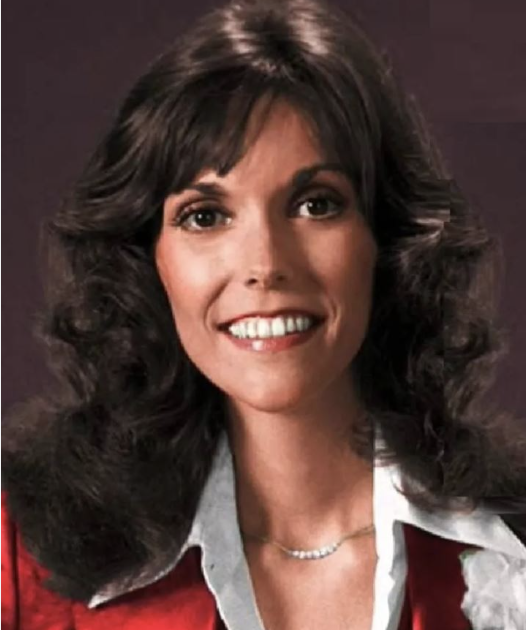
Karen Carpenter | lookingjoligood.blog

It isn’t fully known why people choose to become anorexic, maybe because they want to look a certain way or feel pressure from society to meet certain beauty standards, or maybe because they feel their life is out of control and their food intake is something they can have control over.

That conversation with my grandmother opened my eyes to a harsh reality I had never known before. It made me realize that behind the fame and talent, there could be deep, painful struggles. It was the first time I understood that not everything is as it seems and that the pressures of society can have a profound impact on individuals mental, emotional and physical health.

As I grew older, this early lesson stayed with me. To this day, I still think about how much pain Karen Carpenter must have been in to deny herself the nutrients she needed to sustain life. It serves as a constant reminder of the silent struggles that many individuals face behind closed doors.

Though I may never fully understand the depths of Karen’s anguish, I do understand the allure of weight loss being rewarded. In a world that often equates thinness with worth and beauty, it’s easy to fall into the trap of believing that shedding pounds will bring happiness and acceptance. But this pursuit can quickly become dangerous, distorting reality and overshadowing true well-being. As I’ve come to realize, no amount of weight loss can fill the void left by a lack of self-acceptance or heal the emotional scars inflicted by societal expectations. The real challenge is learning to see beyond these superficial ideals and embrace the inherent worth and beauty that exists in every person, regardless of their size.

If you or someone you know is struggling with an eating disorder or disordered eating, it’s important to reach out for support. Seeking assistance from friends, family, or mental health professionals can make a significant difference in navigating these challenges. Remember that you don’t have to face it alone, and there are resources available to help you on the path to recovery. Prioritize your well-being and take the first step toward seeking the support you need.

Laura lookingjoligood.wordpress.com

Resources:

https://www.nationaleatingdisorders.org/help-support/contact-helpline

https://www.mayoclinic.org/diseases-conditions/eating-disorders/in-depth/eating-disorder-treatment/art-20046234

https://www.eatingdisorderhope.com/

https://anad.org/

https://www.nimh.nih.gov/health/publications/eating-disorders
Project HEAL. (2023, November 10). Project HEAL. https://www.theprojectheal.org/

disclaimer | lookingjoligood.blog

Disclaimer: I am not an expert on eating disorders or disordered eating. The information provided is based on general knowledge and personal experience and should not be considered as a substitute for professional medical advice or treatment. While I am a registered nurse, I am not your personal healthcare provider. It is advisable for you to consult with your own designated healthcare professional to determine the best course of action for your specific situation for personalized guidance and recommendations tailored to your specific needs.

Lifestyle · Love and Life

New Year, New You…Or Not

The phrase “New Year, New You” is a popular mantra that often accompanies the arrival of January, encouraging personal transformation and goal-setting. While it can inspire positive change, the phrase can also be hurtful for some individuals. It implies that the current version of a person is insufficient, feeding into feelings of inadequacy and self-doubt. This pressure to reinvent oneself can be particularly harmful to those struggling with mental health challenges or self-esteem, as it may reinforce the idea that they must conform to societal expectations of success or perfection.

The notion of completely overhauling oneself within a short time frame can be overwhelming and unrealistic. This can lead to feelings of failure when lofty resolutions are not achieved, perpetuating a cycle of self-criticism. True growth often requires gradual, compassionate efforts rather than a radical transformation dictated by an arbitrary date.

Instead of striving for a “New You,” embracing the idea of continual self-improvement and self-acceptance throughout the year may foster more meaningful and lasting change. Celebrating progress, no matter how small, is a kinder and more sustainable way to approach personal development.

Laura lookingjoligood.wordpress.com
Lifestyle

Happy New Year, 2025!

As we step into this fresh, new chapter, I want to take a moment to wish you joy, peace, and endless possibilities in the year ahead. The New Year is a beautiful reminder that we have the chance to grow, to dream, and to enjoy all the little moments that make life so meaningful.

May this year bring you the courage to chase your goals, the strength to face challenges with grace, and the wisdom to embrace every success, big or small. But above all, I hope you find time to appreciate yourself—for all that you’ve overcome, all that you’ve learned, and all the ways you continue to show up with love and kindness. Cheers to a year filled with happiness, good health, and to new beginnings.
Happy New Year 2025,
Love, Laura

Lifestyle

Sopapilla Cheesecake Bars (Crescent Roll Cheesecake)

Sopapilla is a traditional fried pastry that originated in Latin American and Southwestern U.S. cuisine. It is typically made from a simple dough of flour, water, and a leavening agent like baking powder, which is then rolled out, cut into squares or triangles, and deep-fried until golden and puffy.When fried, sopapillas develop a hollow interior, making them perfect for filling with sweet or savory ingredients.

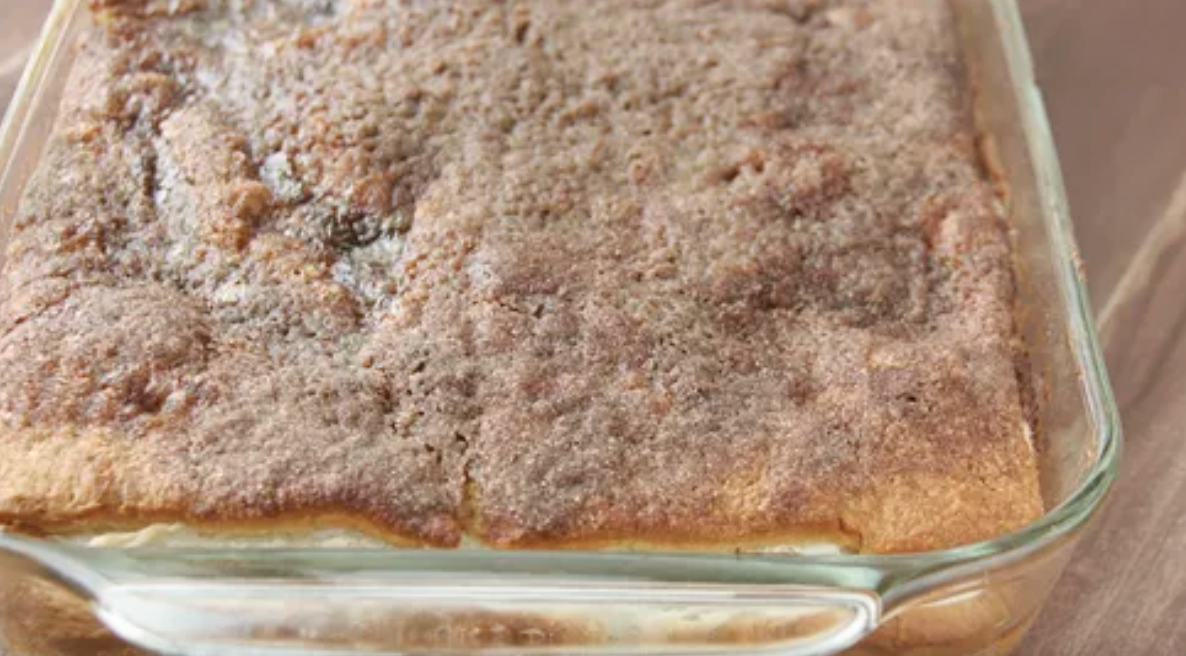
Sopapilla and Cheesecake | lookingjoligood.blog
this photo is from the Pillsbury website

This recipe is a combination of Sopapilla and Cheesecake! Sopapilla Cheesecake Bars are a delicious dessert that combines the flavors of sopapillas and cheesecake. This simple recipe comes together in just 15 minutes of prep time, thanks to the convenient shortcut of using Pillsbury refrigerated crescent dinner rolls.I like to make this the night before and serve it while opening gifts on Christmas morning. It is a simple yet delicious breakfast . Here’s how to make them:

Ingredients

  • 2 cans (8 oz each) refrigerated Pillsbury™ Original Crescent Rolls
  • 2 packages (8 oz each) cream cheese, softened
  • 1 ½ cups granulated sugar, divided
  • 1 teaspoon vanilla extract
  • ½ cup butter, melted
  • 1 tablespoon ground cinnamon

Instructions

this photo is from the Pillsbury website
  1. Preheat the Oven: Preheat your oven to 350°F (175°C).
  2. Prepare the Baking Dish: Unroll one can of crescent rolls and place it in the bottom of an ungreased 13×9-inch baking dish. Stretch the dough to cover the bottom, pressing the perforations to seal.
  3. Make the Cream Cheese Filling: In a medium bowl, beat the softened cream cheese with 1 cup of the sugar and the vanilla extract until smooth.
  4. Spread the Filling: Pour the cream cheese mixture over the crescent roll layer in the baking dish, spreading it evenly.
  5. Top with Second Layer of Dough: Unroll the second can of crescent rolls and place it on top of the cream cheese layer. Pinch seams together to seal.
  6. Add Toppings: Drizzle the melted butter evenly over the top layer of dough. In a small bowl, mix the remaining ½ cup of sugar with the cinnamon and sprinkle this mixture over the butter.
  7. Bake: Bake in the preheated oven for 30-35 minutes or until the bars are set and lightly golden brown.
  8. Cool and Serve: Let cool for about 30 minutes before cutting into squares. For easier cutting, refrigerate for a bit before serving.
Sopapilla and Cheesecake | lookingjoligood.blog
This photo is from the Pillsbury website

These bars can be served warm, chilled, or at room temperature. I prefer to eat them warm. You can add a little pizzazz by drizzling them with honey, melted chocolate, caramel or Nutella! Enjoy your delicious Sopapilla Cheesecake Bars!

Tips: This sopapilla cheesecake dessert needs to be stored in the refrigerator. To rewarm, microwave on 50% power 5 to 10 seconds.

Link to Pillsbury’s recipe: https://www.pillsbury.com/recipes/sopapilla-cheesecake-bars/65ec128f-2acc-417b-8745-06c182d3134a

Laura lookingjoligood.wordpress.com
Lifestyle

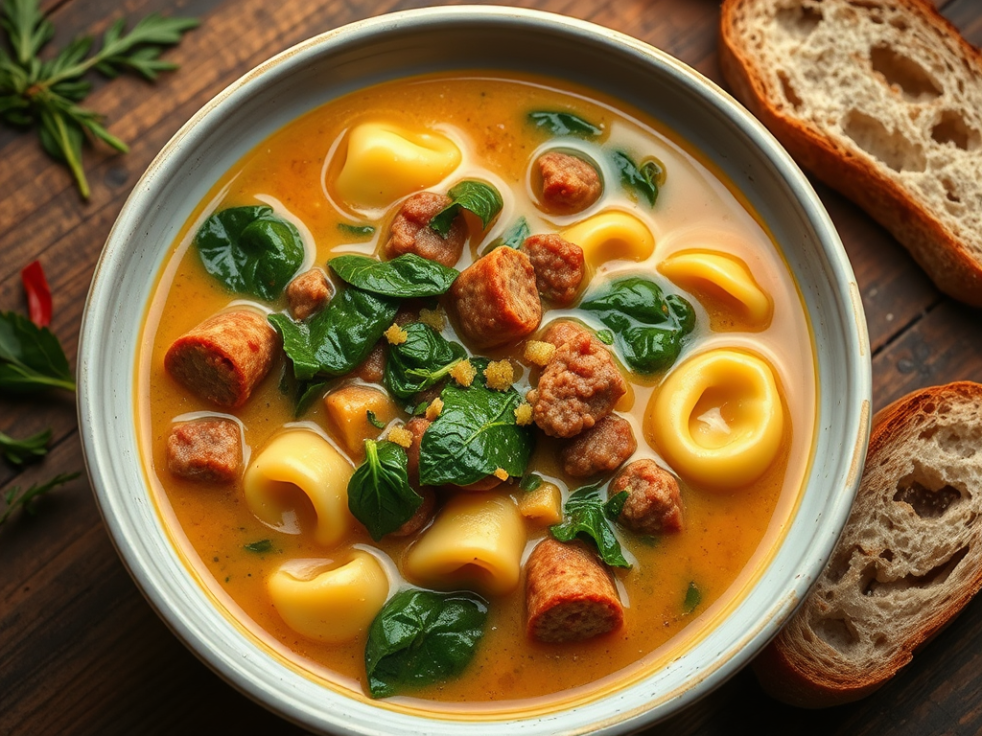
Crockpot Tortellini Soup with Sausage

I always tackle all my food prep for the holiday in one go on the day before, so everything is ready to roll when the day arrives. There’s something so nice about having dinner simmering away in the crockpot while you’re busy with all the holiday cooking prep! Knowing a warm, hearty meal is already taken care of makes the food prep feel a little more stress-free! This comforting slow-cooker soup features Italian sausage, tomatoes, cheese tortellini, spinach, and a touch of cream for a hearty and satisfying meal. It tastes even better the next day served as leftovers.

Prep Time: 20 minutes
Cook Time: 8 hours
Total Time: 8 hours 20 minutes
Servings: 6

Crockpot Tortellini Soup with Sausage | lookingjoligood.blog

Ingredients

  • 16 ounces Italian sausage (ground or casings removed; spicy or mild)
  • 1/2 medium onion, chopped
  • 4 cloves garlic, minced
  • 2 medium carrots, sliced or chopped
  • 2 celery stalks, finely chopped
  • 1 (28-ounce) can crushed tomatoes
  • 1 (14-ounce) can diced tomatoes with juices
  • 4 cups chicken broth (use bone broth for extra protein)
  • 2 (9-ounce) packages refrigerated cheese tortellini
  • 3/4 cup heavy cream (optional, but i definitely recommend it!)
  • 2 cups packed fresh baby spinach
  • Salt and pepper, to taste

Instructions

  1. Cook Sausage and Onions:
    Heat a skillet over medium heat. Add the sausage and onion, cooking for 7–8 minutes while breaking up the sausage with a spoon. Cook until browned, then drain excess fat if needed.
  2. Add Garlic:
    Stir in the minced garlic and cook for 30 seconds, until fragrant. Transfer the sausage mixture to the Crockpot.
  3. Add Vegetables and Broth:
    Add the carrots, celery, crushed tomatoes, diced tomatoes, and chicken broth to the Crockpot.
    • For a quick cook (3–4 hours on high), finely chop the carrots.
    • For a longer cook (7–8 hours on low or 4–5 hours on high), chop the carrots into larger pieces.
  4. Add Tortellini and Cream:
    About 30 minutes before serving, add the tortellini, spinach, and heavy cream (if using). Stir occasionally and set the Crockpot to “high” if it isn’t already.
  5. Season and Serve:
    Season with salt and pepper to taste. Serve immediately while the tortellini is tender. Serve with crusty bread or ritz crackers.

Notes

  • Use ground sausage or remove the meat from sausage casings. Spicy sausage adds a nice kick!
  • This soup is best fresh, as the tortellini can absorb the broth over time (Personally, I like it like that, but some people may not). Add extra chicken broth when reheating or cook the tortellini fresh if you plan on having leftovers.
  • A 7-quart Crockpot is ideal for this recipe, as the tortellini will nearly fill the pot.

Enjoy this hearty, flavorful soup that’s perfect for busy days or chilly nights!

Laura lookingjoligood.wordpress.com
Lifestyle

Mini Cheesecakes with Homemade Graham Cracker Crust Recipe

These Mini Cheesecakes feature a delicious homemade graham cracker crust and a smooth, creamy cheesecake filling. They are perfect for parties or as a delicious treat!

Mini Cheesecakes with Homemade Graham Cracker Crust Recipe | lookingjoligood.blog

Ingredients

For the Graham Cracker Crust:

  • 1 cup (120 grams) graham cracker crumbs (about 8 full sheets)
  • 3 tablespoons (40 grams) granulated sugar
  • 3 ½ tablespoons (50 grams) unsalted butter, melted

For the Cheesecake Filling:

  • 16 ounces (452 grams) cream cheese, softened to room temperature
  • ½ cup (100 grams) granulated sugar
  • 2 large eggs, at room temperature
  • 1 teaspoon pure vanilla extract
  • ⅓ cup (80 grams) sour cream, at room temperature

Instructions

Mini Cheesecakes with Homemade Graham Cracker Crust Recipe | lookingjoligood.blog
  1. Preheat the Oven: Preheat your oven to 350°F (175°C). Line a muffin tin with cupcake liners.
  2. Make the Graham Cracker Crust:
  • In a medium bowl, combine the graham cracker crumbs, sugar, and melted butter. Mix until the crumbs are evenly moistened and resemble wet sand.
  • Evenly distribute the crust mixture into the lined muffin cups, pressing it down firmly to form an even layer.
  • Bake the crusts for about 5 minutes or until lightly golden. Remove from the oven and set aside to cool slightly.
  1. Prepare the Cheesecake Filling:
  • In a large mixing bowl, beat the softened cream cheese with an electric mixer until smooth and creamy.
  • Add the granulated sugar and mix until well combined.
  • Add the eggs one at a time, mixing well after each addition. Then stir in the vanilla extract and sour cream until smooth.
  1. Assemble and Bake:
  • Spoon the cheesecake filling over the cooled crusts in each muffin cup, filling them about ¾ full.
  • Bake for 18-20 minutes or until the centers are set but still slightly jiggly.
  1. Cool and Serve:
  • Allow the mini cheesecakes to cool in the pan for about 10 minutes before transferring them to a wire rack to cool completely.
  • Refrigerate for at least 2 hours before serving. Optionally, top with fresh fruit, whipped cream, or chocolate sauce before serving. (personally I plan to top mine with Bonne Maman Lemon Curd and Bonne Maman Wild Blueberry Preserves, so delicious!)
Mini Cheesecakes with Homemade Graham Cracker Crust Recipe | lookingjoligood.blog

These mini cheesecakes are not only easy to make but also versatile in terms of toppings! Enjoy your delicious homemade treats!

Here is an affiliate link for Bonne Maman Wild Blueberry Preserves https://go.magik.ly/ml/28blj/

I have made these before using a similar recipe by the website Live Well Bake Often: https://www.livewellbakeoften.com/mini-cheesecakes/

Laura lookingjoligood.wordpress.com

**An affiliate link is a unique URL provided by an affiliate program or network to their partners, such as bloggers or website owners. When someone clicks on an affiliate link and makes a purchase or completes a desired action, the affiliate partner earns a commission or other form of compensation. These links are specifically tracked to attribute sales or conversions generated through the partner’s promotional efforts. In summary, an affiliate link is a specialized link that allows partners to earn commissions by driving traffic and sales to a particular product or service.**

Lifestyle

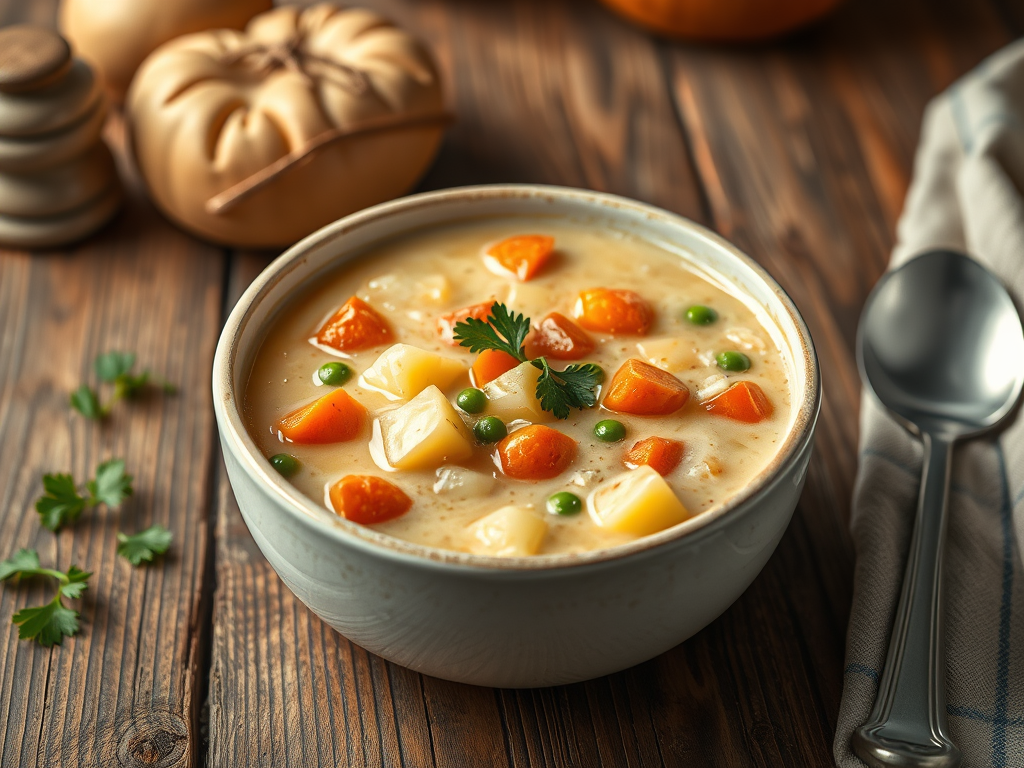
Hearty Ham and Potato Soup

Another great way to use leftover holiday ham is to make soup with it. Ham and potato soup is a classic comfort food that’s perfect for a chilly day. Adding vegetables like carrots, celery, and peas will make it even more hearty and nutritious.

Ingredients:

  • 1 tablespoon olive oil
  • 1 onion, chopped
  • 2 carrots, chopped
  • 2 celery stalks, chopped
  • 4 cloves garlic, minced
  • 1/2 teaspoon dried thyme
  • 1/4 teaspoon black pepper
  • 6 cups vegetable broth
  • 4 cups water
  • 2 cups diced potatoes
  • 2 cups chopped cooked ham
  • 1/2 cup frozen peas
  • 1/2 cup heavy cream (optional)

Instructions:

  1. Sauté the vegetables: Heat olive oil in a large pot over medium heat. Add onion, carrots, celery, and garlic. Cook until softened, about 5 minutes.
  2. Add broth and water: Stir in vegetable broth, water, thyme, and black pepper. Bring to a boil, then reduce heat and simmer.
  3. Add potatoes and ham: Add diced potatoes and chopped ham to the pot. Simmer for 20-25 minutes, or until potatoes are tender.
  4. Add peas and cream: Stir in frozen peas and heavy cream (if using). Simmer for 5 more minutes.
  5. Serve: Serve hot with a sprinkle of fresh parsley.

You can add heavy cream to the Ham and Potato Soup for a richer and creamier flavor. Simply stir in 1/2 cup of heavy cream to the pot after the potatoes and ham have cooked. Let it simmer for a few more minutes until the soup is heated through.

Enjoy this comforting and satisfying soup with some crackers or a crusty loaf of French bread!

Laura lookingjoligood.wordpress.com