I once knew a woman who bragged about the fact that she never read. I always felt bad for her because she has no idea that she is missing out on so many opportunities for growth, imagination, and connection. Reading opens doors to new worlds, ideas, and perspectives, and I couldn’t help but feel that by avoiding books, she was limiting her ability to expand her mind and experience life in a deeper way. It isn’t just about knowledge, it is about the richness that reading can bring to our lives, and I couldn’t understand why she would choose to forgo that.
I love reading. It’s my escape, my way to learn, and often, my source of comfort. I use Goodreads to keep track of the books I have read and the books that I want to read. I currently have 742 books on my “To Be Read” (TBR) list. That is an insane number of books. With every new book I hear about, I add it to the list, thinking, “I’ll get to that one day.” But for some books that day has never come, and I’m left with a list that grows longer by the week. What started as an enjoyable hobby has turned into an overwhelming list. There are just too many options, and the pressure to read it all can seem impossible.Although, not so humble brag, but since 2012 when I started intentionally reading more, as well as keeping track of the books I read, I have read an astounding 927 books! Even with such a high number of books read, there are so many more that I want to read…742 to be exact.
I realized that I need to step back and approach my TBR list more intentionally, rather than letting it control me. I enjoy reading, but I also enjoy checking things off of a list. So, I’ve started reflecting on how to be more thoughtful about the books I choose and, more importantly, how to be more selective about the books I add to the list in the first place.
Understanding the Overwhelm
The first thing I had to do was admit to myself that my TBR list had become a bit of a problem. I added books because they were recommended by friends, because I saw them on social media, or because they seemed like the “right” books to be reading at the time. But the truth is, I wasn’t always in the mood for them, or they didn’t even align with what I was interested in anymore. My TBR had turned into a hodgepodge of random titles with no real purpose. I have grown and changed so much since I started that list in 2012, I have started looking through my TBR list and removing books that no longer align with who I am. I started by taking a hard look at what was on the list. Why had I added each book? Did it still spark my curiosity? Was it something I actually wanted to read right now? I still have more purging to do, but I have already removed a good number of books from my TBR list.
1. Setting Clear Intentions
I’ve started to think about what I really want from my reading. Am I looking to learn something new? Am I seeking a way to escape for a while? Setting clear intentions has helped me narrow down the books I actually want to dive into. For example, as I work on my Master of Science in Nursing (MSN) I’m currently drawn to books that explore population public health, so I’ve been prioritizing those. And when I’m in the mood for fiction, I know exactly what genres or authors to go for, instead of just adding random recommendations that don’t really resonate with me.
2. Prioritizing Books That Fit My Current Needs
Lately, I’ve realized how much easier it is to enjoy a book when it aligns with what’s going on in my life. If I’m going through a stressful period, I might choose something comforting or lighthearted. If I’m feeling more introspective, I’ll reach for a self-help or memoir. Being more intentional with my choices means I’m not just reading for the sake of reading, I’m reading what feels right for me at the moment. If I am feeling anxious or there is a lot going on, I am not going to be able to focus on a book that requires deep concentration or emotional investment. In those moments, I need something lighter or more soothing, perhaps a comforting novel I’ve read before or a book with simple, engaging prose. When my mind is scattered, the last thing I want is to feel frustrated by a complex plot or heavy themes. Instead, I want a story that can hold my attention without overwhelming me, something that lets me escape for a while without demanding too much of my mental energy.
3. Letting Go of Book FOMO
There’s a big part of me that wants to keep up with the latest trends and read the books everyone is talking about. But I’ve come to realize that I don’t need to read everything that’s popular. There’s no need to succumb to the pressure of reading what everyone else is reading just because it’s trending. I can read at my own pace, and if a book feels like it will bring me joy or insight, I’ll read it when I’m ready. Some people enjoy buying books and building their library, I prefer to borrow books from the library and have no problem waiting for a book that is on hold from the library. For me, there’s something satisfying about the anticipation of a book being available, knowing I’m part of a community of readers sharing the same space. It’s also a way to keep my collection from growing too large, which helps prevent the feeling of being overwhelmed by shelves full of unread books. Borrowing books also allows me to explore new genres and authors without the commitment of owning them, making my reading experience feel more fluid and flexible.
4. Embracing the Joy of Rereading
I used to feel like I always had to be reading something new, but I’ve started to embrace the idea of rereading books that I’ve loved in the past. It’s comforting to revisit stories or ideas that I’ve connected with before. Sometimes, I’ll pick up a book I’ve already read because I know it will bring me a sense of peace or spark new reflections. There’s no shame in rereading, it’s a way to deepen my connection to a book I know brings me value.
“A person who reads the same book twice is not the same person.” This idea reflects the notion that as we grow and change, our perspectives and interpretations evolve. Each time we revisit a book, we bring new experiences and insights to it, so even though the words on the page remain the same, the way we understand them can be entirely different. This speaks to how both the reader and the book can change over time, making each reading a unique experience.
5. Allowing Flexibility
Life changes, and so do my reading moods. Some books that seemed interesting six months ago don’t appeal to me now, and that’s okay. I’ve learned not to force myself to read something just because it’s on the list. If it doesn’t feel right, I’ll put it aside. I want to read books that excite me, not feel like I’m ticking boxes on an endless checklist.
I have a feeling that being more intentional about what I read will make a huge difference. I feel more connected to the books I’m choosing, and reading feels like something I want to do, not something I have to do. By focusing on what truly matters to me at this moment, I’ve been able to turn my TBR list from an overwhelming pile into something manageable and enjoyable. I’m going to savor my reading experiences rather than rushing through books just to cross them off.
The books I recommend that I have already read in 2025
In case you are interested, here is a list of the top 10 books I read in 2024:
Yellowface by R.F. Kuang Cloud Cuckoo Land by Anthony Doerr The Goldfinch by Donna Tartt The Dutch House by Anna Patchett The Paris Agent by Kelly Rimmer The Women by Kristin Hannah The House of Eve by Sadeqa Johnson The Lovely War by Julie Berry The Night Tiger by Yangsze Choo Here One Moment by Laine Moriarty
Personally, I prefer to I borrow the books I read from the library, but when I do buy books I like to check out Thriftbooks.com
**An affiliate link is a unique URL provided by an affiliate program or network to their partners, such as bloggers or website owners. When someone clicks on an affiliate link and makes a purchase or completes a desired action, the affiliate partner earns a commission or other form of compensation. These links are specifically tracked to attribute sales or conversions generated through the partner’s promotional efforts. In summary, an affiliate link is a specialized link that allows partners to earn commissions by driving traffic and sales to a particular product or service.**
Over coffee, I recently caught up with a close friend who is still actively involved in the Independent Fundamental Baptist (IFB) church I used to be a part of. Since I’m no longer a member, we typically avoid discussing church matters, but during our coffee outing she shared some details about things happening at the church. Despite no longer attending, yet having been a member for the majority of my life, I still have a solid understanding of how things operate within that community.
As we spoke, what stood out to me was the apparent ongoing absence of external oversight in the pastor’s decision-making processes. Despite past issues, it seems the pastor, often considered the ultimate authority in IFB churches, operates without the checks and balances that external oversight could provide.
My friend reluctantly pointed out situations where the pastor unilaterally made significant decisions impacting the entire church community. Regardless of whether these decisions were advantageous or not for the community, the absence of external scrutiny raises concerns. While the pastor’s actions may have been well-intentioned, they emphasized the potential risks associated with a leadership structure lacking accountability.
Even after our coffee date had concluded, our conversation lingered in my mind. This led me to reflect on the possible long-term consequences of unchecked authority in high-demand religious environments, such as the IFB. As I reflected on this, it emphasizes the importance of external oversight in religious communities. Decisions should be transparent, with collective input, and a commitment to the well-being of the entire congregation.
The absence of external oversight means that there’s limited scrutiny on the actions and decisions of the pastor. While trust is an essential aspect of any religious community, the potential for misuse of power or ethical lapses increases when there’s no mechanism for accountability.
External oversight, whether through denominational structures, advisory boards, communal meetings and voting, or other forms of checks, is a crucial safeguard against potential abuses. It ensures that leaders are held accountable for their actions, encouraging transparency, and preventing the concentration of power in a way that could be detrimental to the well-being of the community.(Regrettably, some pastors choose to be surrounded by “yes men” who agree with them unquestioningly.)
In the specific context of the IFB community, the pastor’s role is intriguing. Adhering to their Baptist distinctives and independent bylaws, it’s important to note that, in most cases, the pastor is technically classified as an employee of the church. Despite this formal classification aligned with typical employer-employee dynamics, practical application often deviates. The pastor, often revered as “the man of God,” enjoys elevated status and significant autonomy within the church hierarchy, surpassing the formal employment relationship.
This discrepancy between formal structure and perceived spiritual authority can pose challenges.
Congregants may hesitate to assert their rights as employers, fearing it contradicts the reverence owed to the pastor’s spiritual role. The complex interplay between employment dynamics and spiritual authority underscores the need for clarity in governance structures within religious communities to ensure balanced and accountable leadership. Unfortunately, this imbalance in IFB communities, where the pastor holds a revered spiritual position while technically being an employee, can create a delicate balance that, in some instances, leads to an abuse of power.
The inherent spiritual authority attributed to the pastor can open avenues for manipulation and exploitation. This spiritual hierarchy often overshadows the formal employment relationship, potentially enabling instances of abuse against church members. The blurred lines between the pastor’s role as an employee and a spiritual leader may contribute to an environment where abusive conduct can persist without appropriate scrutiny.
While it may seem that I am coming off as critical of IFB pastors, it is essential to acknowledge that within the IFB framework, not every pastor exploits the power dynamic. Many pastors, including my own brother in law as well as the pastor that led the church I was a part of as a child and young adult, driven by integrity and grace, genuinely prioritize the well-being of their congregants. They use their spiritual authority responsibly, and encourage environments of support, care, and spiritual growth.
However, the inherent imbalance in the power structure can be manipulated by individuals with less honorable intentions. Some pastors might leverage their revered position to their advantage, creating a situation where dissent or questioning is discouraged. This misuse of authority can lead to instances of manipulation and, in extreme cases, abuse. (**For resources to seek help for abuse, please click HERE or refer to the link below.**)
The diversity of pastors within IFB communities underscores the critical need for discernment and robust accountability mechanisms. While many lead with sincerity and a genuine desire to serve, the potential for misuse of power underscores the necessity of checks and balances. Establishing clear guidelines, encouraging open dialogue, and encouraging a culture of accountability can help ensure that the spiritual leadership remains a force for good within these communities.
If you have been following along with me while I have been writing about finding faith following fundamentalism, you know that I have been reading the Bible for myself and trying to understand what it is truly saying and not just the cherry picked version that I have been taught my entire life. Many pastors often invoke various verses to justify their operating without oversight or being questioned. (Full King James Versionverses below for reference)
Members of the IFB often turn to Hebrews 13:17 as a key verse supporting their stance that pastors should not be questioned. “Obey them that have the rule over you, and submit yourselves:” Many in the IFB interpret it as a divine mandate for unquestioning obedience to pastors, viewing them as appointed by God and beyond reproach. This verse has a second half that is often ignored: “for they watch for your souls, as they that must give account, that they may do it with joy, and not with grief: for that is unprofitable for you.”
While encouraging believers to have confidence in and submit to their spiritual leaders, it also emphasizes that these leaders bear the responsibility of watching over the spiritual well-being of the congregation and will be held accountable for their leadership. They should be held accountable for their leadership. The instruction to submit is given with the intention that the leaders’ work should be a source of joy rather than a burden for both the leaders and the congregation.
On numerous occasions and from various pastors, I’ve personally heard some variation of the phrase “If you don’t like it, there’s the door; see yourself out.”
Similarly, 1 Timothy 5:19 is cited by IFB pastors to discourage questioning of pastors, asserting that accusations against elders should only be accepted with multiple witnesses. This verse is part of a larger passage in 1 Timothy 5 that deals with the qualifications and responsibilities of elders. The passage emphasizes the importance of elders being men of good character who are capable of leading the church. Verse 19 specifically addresses the issue of how to deal with accusations against elders.
This means that, elders can be assured that any allegations will undergo thorough scrutiny, reinforcing the biblical principles of fairness and integrity within the leadership structure of the Christian community.It does not however mean that the pastor/elders cannot be questioned or held accountable for their actions.
The principle of multiple witnesses is not unique to 1 Timothy 5:19. It is also found in other parts of the Bible, such as Deuteronomy 19:15 and Matthew 18:16. These passages all emphasize the importance of having corroborating evidence to support an accusation.
The interpretation of 1 Corinthians 12:28, which suggests the ordination of pastors as teachers and leaders in the church, is in harmony with the beliefs of many Christian traditions, including the IFB, that attribute a significant role to pastors in teaching and guiding the congregation. This verse forms part of a broader discourse in 1 Corinthians addressing the diverse spiritual gifts present within the body of believers.
In the context of our ongoing discussion, it’s essential to highlight that, while this verse underscores the roles of teachers and leaders, it doesn’t imply an absolute absence of accountability or room for questioning. Different Christian denominations and individuals may interpret the roles of pastors and the extent of their authority in various ways. Interpretations may vary among individuals and congregations within the broader IFB community as well.
In the IFB context, the emphasis on respecting pastors for their position and authority, coupled with interpretations of verses like Hebrews 13:17 and 1 Timothy 5:19, can sometimes contribute to a culture where questioning or holding pastors accountable is discouraged.
Let’s move on to other passages in the Bible that shed light on the principles of Christian leadership. In 1 Peter 5:1-4, elders are encouraged to shepherd the flock willingly and by example, with the promise of a “crown of glory” when the Chief Shepherd appears. Paul’s instruction to Timothy in 1 Timothy 4:16 emphasizes the importance of personal integrity in leadership, linking it to the salvation of both the leader and those who follow.
1 Thessalonians 2:7-12 depicts Paul and his companions as gentle and caring leaders, making a comparison to both a nursing mother and a father. They are characterized by love and diligence, working hard for the Thessalonians and encouraging them as a father would his children. In John 10:11, Jesus identifies Himself as the Good Shepherd who lays down His life for the sheep, reinforcing the idea of leaders being willing to make personal sacrifices for the well-being of their followers.
Lastly, 1 Timothy 5:17 calls for the honoring of elders who lead well, especially those dedicated to the labor of the word and doctrine. These verses collectively emphasize various qualities of Christian leadership, including humility, sacrificial love, diligence, and dedication to sound doctrine. While they stress the importance of respecting and honoring leaders, they also underscore the reciprocal responsibility of leaders to uphold certain standards. 1 Timothy 5:17 specifically advocates for the honoring of elders who excel in their leadership roles, especially those who are committed to the diligent work of preaching the Word and upholding sound doctrine.
These verses collectively paint a comprehensive picture of Christian leadership that extends beyond authority to encompass qualities such as humility, sacrificial love, and dedication to the foundational principles of faith. It’s a reminder that leadership within the Christian community should be characterized by service, integrity, and a commitment to the spiritual well-being of the congregation.
I know this might seem like a lot already, but stick with me…
While I am by no means an expert in this area, I have spent the better part of my life in a high demand/control religion as part of the IFB. One noteworthy observation pertains to the IFB’s tendency to portray pastors as beyond questioning, a practice often rooted in the interpretation of verses such as Hebrews 13:17. This approach creates an environment that may attract people with a love of wielding power. The theological stance adopted establishes an almost untouchable authority for pastors, actively discouraging dissent and framing any challenge to their leadership as a transgression against God.
The absence of robust accountability mechanisms, evident in the interpretation of verses like 1 Timothy 5:19, further cements the pastor’s position, rendering the IFB structure particularly appealing to those desiring unchecked control.
There is a strong correlation between seeking unchallenged control and issues of pride. The desire for unchallenged control often stems from a sense of superiority, an inflated view of one’s capabilities, and a reluctance to entertain dissenting opinions. Pride can lead one to believe that their authority is unquestionable, creating and encouraging an environment where challenges are seen as threats rather than opportunities for growth.
Proverbs 16:18, 1 Timothy 3:6, James 4:6, 1 Peter 5:5-6, and Philippians 2:3-4, consistently caution against pride and highlight the virtues of humility. Those who seek unchallenged control may disregard these principles, potentially leading to destructive consequences both for themselves and those under their influence. Recognizing the dangers of pride and promoting humility within religious leadership can contribute to a healthier and more spiritually grounded community.
The Bible emphasizes the importance of humility and warns against the dangers of pride. Proverbs 16:18 succinctly declares that pride precedes destruction, underlining the destructive nature of arrogance. In 1 Timothy 3:6, there’s a caution against promoting inexperienced people into positions of authority, as unchecked pride can lead to condemnation.
James 4:6 reinforces the theme by stating that God opposes the proud but extends grace to the humble. This sets a clear contrast between the consequences of pride and the benefits of humility. The passage in 1 Peter 5:5-6 encourages mutual submission and humility, with the promise that those who humble themselves will be exalted in due time.
Philippians 2:3-4 further underscores the call to humility, urging believers to prioritize others over themselves and to avoid selfish pursuits. These verses collectively provide a biblical foundation for humility, discouraging pride, and promoting a culture of mutual submission and consideration within religious communities. Applying these principles can contribute to a healthier and more balanced approach to leadership, countering the potential pitfalls associated with unchecked authority and a love for power.
Why, then, is there a reluctance to add oversight or question the pastor?
The reluctance to add oversight or question the pastor may stem from a fear of potential consequences, both spiritual and social. Congregants may be hesitant due to a cultural expectation of unquestioning trust in the pastor’s spiritual authority. Concerns may arise about potential backlash or negative perceptions within the community for challenging the pastor’s decisions or actions. Additionally, the blurred lines between the pastor’s spiritual and authoritative roles can contribute to this reluctance, as questioning may be perceived not only as a challenge to leadership but also as a critique of the spiritual guidance provided by the pastor.
This apprehension reveals a troubling misuse of authority, creating a culture of silence and impeding open dialogue and accountability within the community. (I personally witnessed those who voiced their opinions facing repercussions.)
Leaders, including pastors, should ideally welcome questions and concerns as opportunities for growth and reflection. Turning the congregation against those who question can create a toxic environment, eroding trust and hindering the spiritual well-being and growth of the community.
Grounded in biblical principles that underscore humility, mutual respect, and accountability, a pastor’s role should extend to encouraging an environment where questions are embraced, concerns are addressed, and the congregation can partake in open and constructive dialogue. It becomes paramount for members within the congregation to critically assess such situations, evaluating whether the actions align with the Christian leadership principles outlined in the Bible.
This alignment involves embodying servant leadership characterized by humility, love, and integrity (Philippians 2:3-4, John 13:34-35). Leaders are called to seek divine wisdom, uphold sound doctrine, and work diligently, all while remaining open to correction and actively empowering others for service (James 1:5, 2 Timothy 4:2-3, Colossians 3:23, Proverbs 15:32, Ephesians 4:11-12).
Effectively addressing the issues inherent in IFB practices necessitates a deliberate and considerate approach. To begin with, there’s a crucial need for open dialogue within IFB communities concerning the interpretation and application of verses like Hebrews 13:17. Cultivating a culture that prizes transparency, accountability, and constructive questioning becomes instrumental in mitigating the potential for abuses of power.
Implementing clear accountability mechanisms and nurturing an environment that values the input and concerns of the congregation are pivotal steps. Equipping members with education about healthy leadership models and the potential pitfalls of unchecked authority can also contribute to shaping a more balanced and accountable religious community. In essence, promoting a culture characterized by humility, open communication, and shared responsibility stands as a transformative force in reshaping the dynamics within IFB churches. (see below for helpful resources)
**If you or someone you know is experiencing physical or sexual abuse, please reach out for help. There are organizations and helplines dedicated to providing support, guidance, and resources to those in need. No one should have to endure abuse, and seeking assistance is a crucial step towards safety and healing. Click HERE for a list of helpful resources I have put together.**
King James Version verses mentioned for reference:
Hebrews 13:17 :“Obey them that have the rule over you, and submit yourselves: for they watch for your souls, as they that must give account, that they may do it with joy, and not with grief: for that is unprofitable for you.” 1 Timothy 5:19 : “Against an elder receive not an accusation, but before two or three witnesses.” Deuteronomy 19:15One witness shall not rise up against a man for any iniquity, or for any sin, in any sin that he sinneth: at the mouth of two witnesses, or at the mouth of three witnesses, shall the matter be established. Matthew 18:16 But if he will not hear thee, then take with thee one or two more, that in the mouth of two or three witnesses every word may be established. 1 Corinthians 12:28 “And God hath set some in the church, first apostles, secondarily prophets, thirdly teachers, after that miracles, then gifts of healings, helps, governments, diversities of tongues.” 1 Peter 5:1-4 :“The elders which are among you I exhort, who am also an elder, and a witness of the sufferings of Christ, and also a partaker of the glory that shall be revealed: Feed the flock of God which is among you, taking the oversight thereof, not by constraint, but willingly; not for filthy lucre, but of a ready mind; Neither as being lords over God’s heritage, but being ensamples to the flock. And when the chief Shepherd shall appear, ye shall receive a crown of glory that fadeth not away.” 1 Timothy 4:16:“Take heed unto thyself, and unto the doctrine; continue in them: for in doing this thou shalt both save thyself, and them that hear thee.” 1 Thessalonians 2:7-12 “But we were gentle among you, even as a nurse cherisheth her children: So being affectionately desirous of you, we were willing to have imparted unto you, not the gospel of God only, but also our own souls, because ye were dear unto us. For ye remember, brethren, our labour and travail: for labouring night and day, because we would not be chargeable unto any of you, we preached unto you the gospel of God. Ye are witnesses, and God also, how holily and justly and unblameably we behaved ourselves among you that believe: As ye know how we exhorted and comforted and charged every one of you, as a father doth his children, That ye would walk worthy of God, who hath called you unto his kingdom and glory.” John 10:11:“I am the good shepherd: the good shepherd giveth his life for the sheep.” 1 Timothy 5:17:”Let the elders that rule well be counted worthy of double honour, especially they who labour in the word and doctrine.” Proverbs 16:18: “Pride goeth before destruction, and an haughty spirit before a fall.” 1 Timothy 3:6: “Not a novice, lest being lifted up with pride he fall into the condemnation of the devil.” James 4:6: “But he giveth more grace. Wherefore he saith, God resisteth the proud, but giveth grace unto the humble.” 1 Peter 5:5-6: “Likewise, ye younger, submit yourselves unto the elder. Yea, all of you be subject one to another, and be clothed with humility: for God resisteth the proud, and giveth grace to the humble. Humble yourselves therefore under the mighty hand of God, that he may exalt you in due time.” Philippians 2:3-4: “Do nothing out of vain glory, but in lowliness of mind let each esteem other better than themselves. Look not every man on his own things, but every man also on the things of others.” Philippians 2:3-4:“Let nothing be done through strife or vainglory; but in lowliness of mind let each esteem other better than themselves. Look not every man on his own things, but every man also on the things of others.” John 13:34-35:“A new commandment I give unto you, That ye love one another; as I have loved you, that ye also love one another. By this shall all men know that ye are my disciples, if ye have love one to another.” James 1:5:“If any of you lack wisdom, let him ask of God, that giveth to all men liberally, and upbraideth not, and it shall be given him.” 2 Timothy 4:2-3:“Preach the word; be instant in season, out of season; reprove, rebuke, exhort with all longsuffering and doctrine. For the time will come when they will not endure sound doctrine, but after their own lusts shall they heap to themselves teachers, having itching ears.” Colossians 3:23:“And whatsoever ye do, do it heartily, as to the Lord, and not unto men.” Proverbs 15:32:“He that refuseth instruction despiseth his own soul, but he that heareth reproof getteth understanding.” Ephesians 4:11-12:“And he gave some, apostles; and some, prophets; and some, evangelists; and some, pastors and teachers; For the perfecting of the saints, for the work of the ministry, for the edifying of the body of Christ.”
Resources (I am not promoting or condoning any of these authors, I don’t know anything about them personally, I am only speaking to the works presented)
When Narcissism Comes to Church: Healing Your Community from Emotional and Spiritual Abuse by Chuck DeGroat This book explores the issue of narcissism in the church. DeGroat, a counselor who has worked with many victims of narcissistic abuse, argues that narcissism is a growing problem in the church, and that it can have a devastating impact on individuals and communities. 10/10 recommend!
Bully Pulpit: Confronting the Problem of Spiritual Abuse in the Church by Michael J. Kruger (2020) Kruger carefully outlines the biblical basis for confronting spiritual abuse. He argues that the New Testament teaches that all Christians are equal before God and that no one has the right to lord their authority over others. He also emphasizes the importance of forgiveness and reconciliation, but only after the abuser has acknowledged their sin and taken steps to repent.
Redeeming Power: Understanding Authority and Abuse in the Church by Diane Langberg (2019) Langberg contends that the IFB’s hierarchical structure, coupled with their reverence for pastoral authority, can foster a culture of silence and enablement, making it difficult for victims to come forward and seek justice. She highlights the devastating impact of abuse on individuals, families, and the church as a whole, emphasizing the need for a comprehensive approach to prevention and healing.
The Body Keeps the Score: Brain, Mind, and Body in the Healing of Trauma by Bessel van der Kolk (2014) Van der Kolk challenges the traditional view of trauma as a psychological disorder, arguing instead that it is a physiological condition with far-reaching consequences. He explains how trauma can disrupt the body’s natural stress response system, leading to hypervigilance, flashbacks, and emotional numbness. He also discusses the impact of trauma on the nervous system, explaining how it can lead to chronic pain, fatigue, and sleep disturbances.
**An affiliate link is free to the user . It is a unique URL provided by an affiliate program or network to their partners, such as bloggers or website owners. When someone clicks on an affiliate link and makes a purchase or completes a desired action at no additional cost to them, the affiliate partner earns a commission or other form of compensation. These links are specifically tracked to attribute sales or conversions generated through the partner’s promotional efforts. In summary, an affiliate link is a specialized link that allows partners to earn commissions by driving traffic and sales to a particular product or service.**
Disclaimer:The personal experiences shared in this post are based on my personal experiences and perspective. I am not an expert, but I was part of a high demand community for the majority of my life. I want to acknowledge that I am on a continuous journey of growth and self-improvement. I am aware that I don’t always respond or behave in the perfect way, as I am only human. IFB pastors are also human and make mistakes, they should be held responsible for the way they treat people. I hold firm to the belief that treating people with kindness and respect is of utmost importance. While I may stumble along the way, my intention is always rooted in creating positive interactions and demonstrating consideration for others. While I chose to leave the IFB to find a more gracious and loving path, it is important to acknowledge that individuals may have different experiences and find happiness within the IFB or any other religious institution. The decision to leave the IFB does not imply a loss of faith, as faith is a deeply personal and subjective matter.
I love using my library card! It combines two of my favorite things, reading and getting things for free. 😉
For the last several years I have tried to read a book a week. This is the first year that I’m a few books short only 46… so close! Despite not reaching my goal, I have read some really great books this year! Here are a few of my favorites:
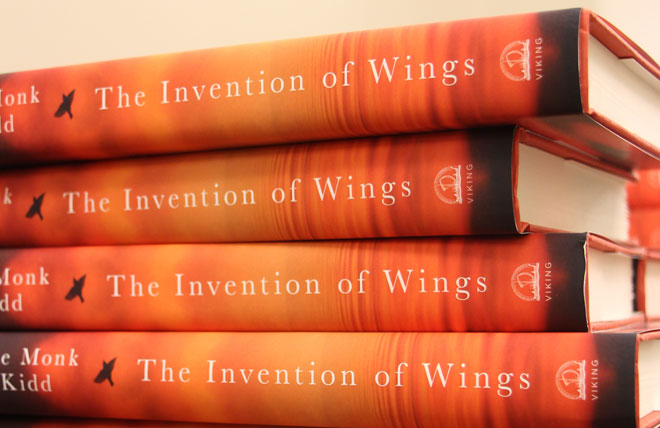
“The Invention of Wings is a book written by Sue Monk Kidd. The novel itself is about a girl named Hetty (nicknamed ‘Handful’) and her troubled life as a slave in the early nineteenth century in Charleston, where Hetty is desperately wanting and waiting for a better life than the one she lives now. Kidd’s novel begins on the eleventh birthday of Sarah Grimke. She received her gift, and as her gift, she got Hetty, a ten-year-old girl, who was intended to be her handmaid. We follow the life of Hetty through the course of thirty-five years, as she struggled for freedom and destiny, which was very often filled with estrangement, guilt and sorrow. Perhaps, the best thing about this novel is that the author referred to a real, historical person of Sarah Grimke, and did a fine job in combining events of Sarah’s real life and fictional events, which were written in order to make everything even more interesting. The Invention of Wings is a very exquisitely written novel, a novel where storytelling is everything. Because in this book, we read not just about the lives of two girls (women later), but we also read about the darkness in American history, and the female struggle for freedom and liberation, which will leave no reader unmoved.”
“Memphis, 1939. Twelve-year-old Rill Foss and her four younger siblings live a magical life aboard their family’s Mississippi River shantyboat. But when their father must rush their mother to the hospital one stormy night, Rill is left in charge—until strangers arrive in force. Wrenched from all that is familiar and thrown into a Tennessee Children’s Home Society orphanage, the Foss children are assured that they will soon be returned to their parents—but they quickly realize the dark truth. At the mercy of the facility’s cruel director, Rill fights to keep her sisters and brother together in a world of danger and uncertainty.
Aiken, South Carolina, present day. Born into wealth and privilege, Avery Stafford seems to have it all: a successful career as a federal prosecutor, a handsome fiancé, and a lavish wedding on the horizon. But when Avery returns home to help her father weather a health crisis, a chance encounter leaves her with uncomfortable questions and compels her to take a journey through her family’s long-hidden history, on a path that will ultimately lead either to devastation or to redemption.
Based on one of America’s most notorious real-life scandals—in which Georgia Tann, director of a Memphis-based adoption organization, kidnapped and sold poor children to wealthy families all over the country—Lisa Wingate’s riveting, wrenching, and ultimately uplifting tale reminds us how, even though the paths we take can lead to many places, the heart never forgets where we belong.
“Harry Potter’s life is miserable. His parents are dead and he’s stuck with his heartless relatives, who force him to live in a tiny closet under the stairs. But his fortune changes when he receives a letter that tells him the truth about himself: he’s a wizard. A mysterious visitor rescues him from his relatives and takes him to his new home, Hogwarts School of Witchcraft and Wizardry.
After a lifetime of bottling up his magical powers, Harry finally feels like a normal kid. But even within the Wizarding community, he is special. He is the boy who lived: the only person to have ever survived a killing curse inflicted by the evil Lord Voldemort, who launched a brutal takeover of the Wizarding world, only to vanish after failing to kill Harry.
Though Harry’s first year at Hogwarts is the best of his life, not everything is perfect. There is a dangerous secret object hidden within the castle walls, and Harry believes it’s his responsibility to prevent it from falling into evil hands. But doing so will bring him into contact with forces more terrifying than he ever could have imagined.
Full of sympathetic characters, wildly imaginative situations and countless exciting details, the first installment in the series assembles an unforgettable magical world and sets the stage for many high-stakes adventures to come.”
“If success is defined in the eye of the beholder,
who are you letting behold your success?
Nicki Koziarz is confronting the comparison question: Why her?
Through two striving sisters in the Bible, Nicki uncovered six truths’ we need to hear when trying to measure up leaves you falling behind.
These six truths will help you:
· Stop staring at her success and find satisfaction in yours.
· Find contentment with your life without being complacent in who you are becoming.
· Gain godly wisdom to answer the Why Her silent question of your soul.
Someone will always be ahead. But that doesn’t mean you’re behind. Because Truth, like always, will set us free. And free women don’t have to measure up to anybody. Not even her.”
“When you read this book, you will make many assumptions. You will assume you are reading about a jealous ex-wife. You will assume she is obsessed with her replacement – a beautiful, younger woman who is about to marry the man they both love. You will assume you know the anatomy of this tangled love triangle. Assume nothing.
Twisted and deliciously chilling, Greer Hendricks and Sarah Pekkanen’s The Wife Between Us exposes the secret complexities of an enviable marriage – and the dangerous truths we ignore in the name of love.”
“One rainy morning in June, two years after the end of World War II, a minor traffic accident brings together Eleanor Moskowitz and Patricia Bellamy. Their encounter seems fated: Eleanor, a teacher and recent Vassar graduate, needs a job. Patricia’s difficult thirteen-year-old daughter Margaux, recovering from polio, needs a private tutor.
Though she feels out of place in the Bellamys’ rarefied and elegant Park Avenue milieu, Eleanor forms an instant bond with Margaux. Soon the idealistic young woman is filling the bright young girl’s mind with Shakespeare and Latin. Though her mother, a hat maker with a little shop on Second Avenue, disapproves, Eleanor takes pride in her work, even if she must use the name “Moss” to enter the Bellamys’ restricted doorman building each morning, and feels that Patricia’s husband, Wynn, may have a problem with her being Jewish.
Invited to keep Margaux company at the Bellamys’ country home in a small town in Connecticut, Eleanor meets Patricia’s unreliable, bohemian brother, Tom, recently returned from Europe. The spark between Eleanor and Tom is instant and intense. Flushed with new romance and increasingly attached to her young pupil, Eleanor begins to feel more comfortable with Patricia and much of the world she inhabits. As the summer wears on, the two women’s friendship grows—until one hot summer evening, a line is crossed, and both Eleanor and Patricia will have to make important decisions—choices that will reverberate through their lives.
Gripping and vividly told, Not Our Kind illuminates the lives of two women on the cusp of change—and asks how much our pasts can and should define our futures.”
In an enthralling new historical novel from national bestselling author Kate Quinn, two women—a female spy recruited to the real-life Alice Network in France during World War I and an unconventional American socialite searching for her cousin in 1947—are brought together in a mesmerizing story of courage and redemption.
1947. In the chaotic aftermath of World War II, American college girl Charlie St. Clair is pregnant, unmarried, and on the verge of being thrown out of her very proper family. She’s also nursing a desperate hope that her beloved cousin Rose, who disappeared in Nazi-occupied France during the war, might still be alive. So when Charlie’s parents banish her to Europe to have her “little problem” taken care of, Charlie breaks free and heads to London, determined to find out what happened to the cousin she loves like a sister.
1915. A year into the Great War, Eve Gardiner burns to join the fight against the Germans and unexpectedly gets her chance when she’s recruited to work as a spy. Sent into enemy-occupied France, she’s trained by the mesmerizing Lili, the “Queen of Spies”, who manages a vast network of secret agents right under the enemy’s nose.
Thirty years later, haunted by the betrayal that ultimately tore apart the Alice Network, Eve spends her days drunk and secluded in her crumbling London house. Until a young American barge in uttering a name Eve hasn’t heard in decades, and launches them both on a mission to find the truth…no matter where it leads.
“Both funny and heartbreaking, this epic journey of two courageous women is an unforgettable tale of little-known wartime glory and sacrifice. Quinn knocks it out of the park with this spectacular book!”—Stephanie Dray, New York Times bestselling author of America’s First Daughter
While I got most of my books out of the library, all of these books can be found on Amazon.com or at Barnes and Nobel
**All book descriptions are copied from the overview on the seller’s website.
Spending time preparing for the study, as well as spending time with the ladies that attend the study has made a big impact on my life!
This book has so many great truths in it. One of the truths that Nicki shares is “Her Gain Is Not Your Loss”
“Pride convinces us that if someone else wins, we somehow lose. But God wants us to know that if “she” wins we all win. HIs promises are for everyone, helping us all work together for a greater purpose. A greater purpose than what we could do alone. Pride tells us God NEEDS us, being promise-filled reminds us that God WANTS us.
The more we know others are with us, the more confident we can be in ourselves. That is how we can start to see… Her gain is MY gain. Her loss is MY loss. Her win is MY win. Her sorrow is MY sorrow
A confident trust in God’s promises will give us perspective to see that if others win, it does not cause us to lose. When God reveals something to us, it releases a responsibility within us to do something.”
Spending time preparing for the study, as well as spending time with the ladies that attend the study has made a big impact on my life! This book has so many great truths in it. One of the first truths that Nicki shares is “You Need to Be Honest”. Here are a few highlights that made an impression on me.
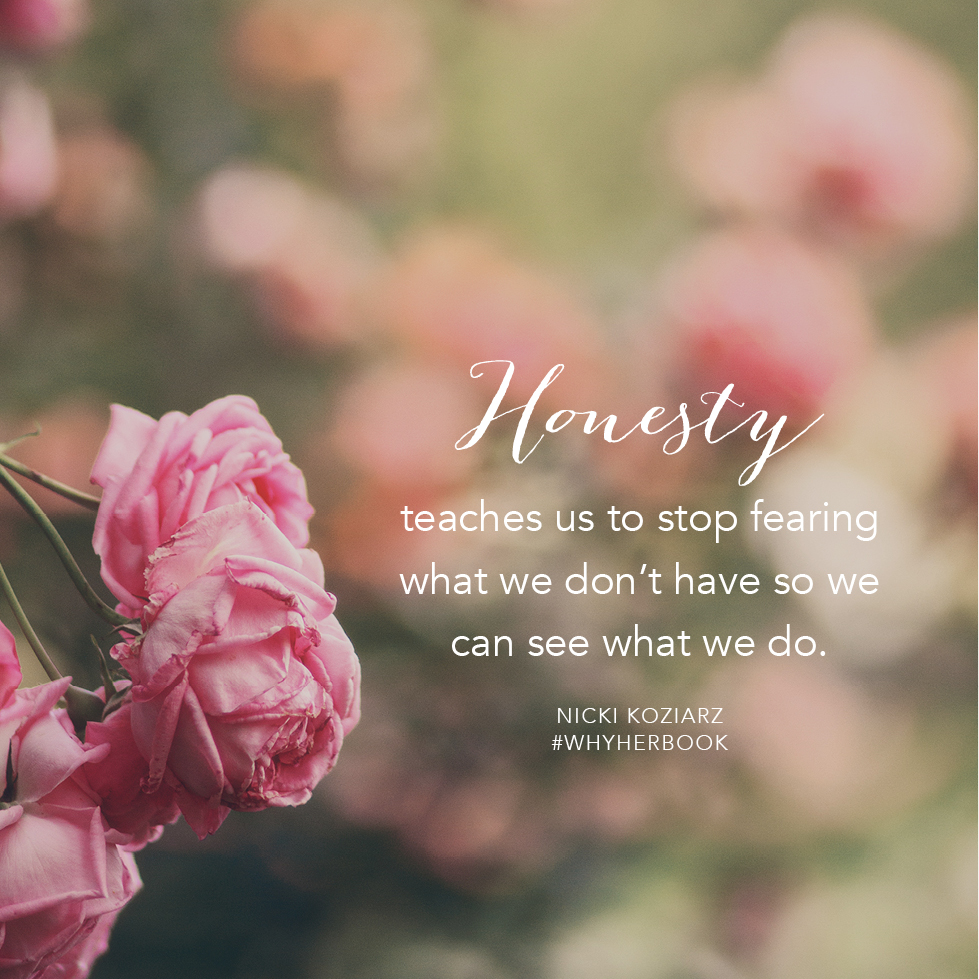
“Honesty teaches us to stop fearing what we don’t have so we can see what we do.
We often lose who we are while trying to become someone we aren’t.
Honesty can lead us to quiet places where we seek to understand rather than merely react.
You most likely won’t be broadcasting your biggest comparison struggles on Facebook tomorrow. But we all have a place—a place that frequently makes us see ourselves as less-than in comparison to someone else. A place where we feel the most intimidated, perhaps a place that goes back to something deeply rooted in our lives. Something rarely shared because we love to shout our successes but seldom show our secret sorrows. But the more honest we can become about these areas that threaten our souls the most, the sooner we’ll feel empowered enough to escape this comparison chase. So let’s start by being honest right here, starting with the one verse that uncovered this whole struggle in me. Honesty through the filter of God’s Word brings an understanding that goes beyond our capacity.”
Be still, and know that I am God: I will be exalted among the heathen, I will be exalted in the earth. Psalms 46:10
Since around this time last year, I have been teaching a Bible study at my church. It is one of my favorite things to do to serve in my church. Spending time preparing for the study, as well as spending time with the ladies that attend the study has made a big impact on my life!
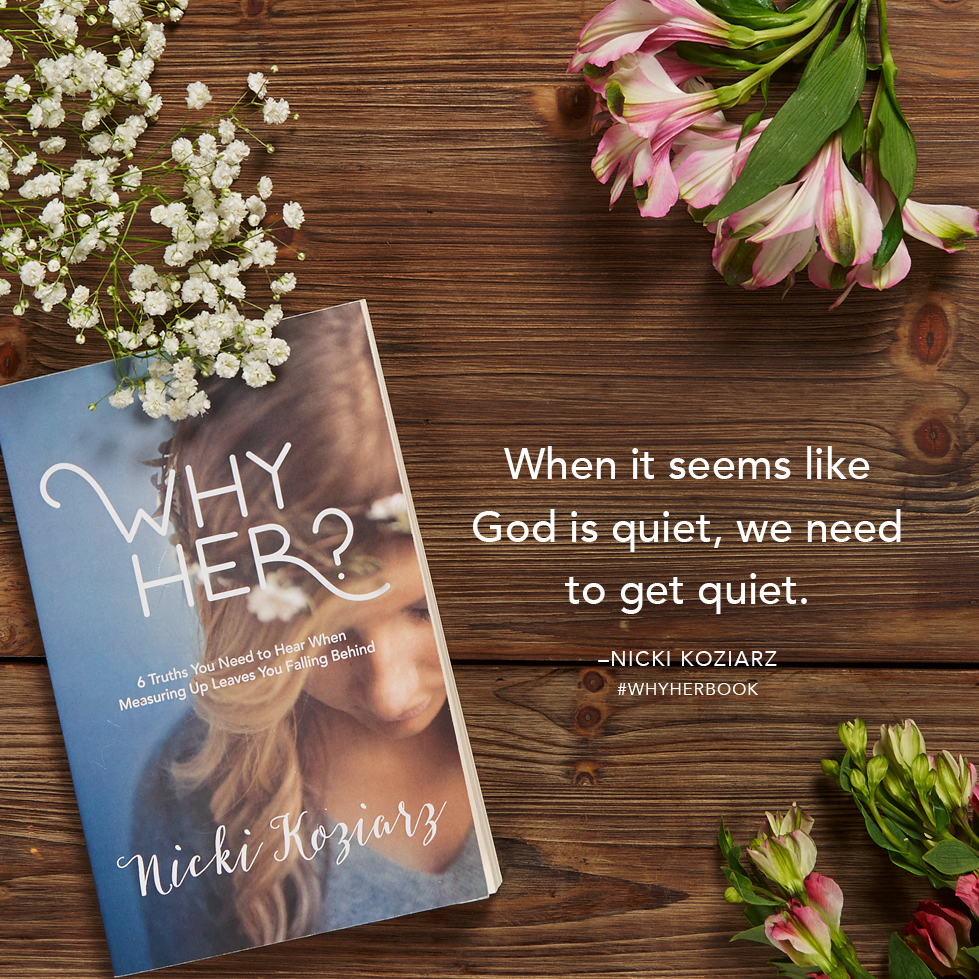
The last few months we have been doing our study from the book by Nicki Koziarz Why Her? 6 Truths You Need to Hear When Measuring Up leaves you Falling Behind. This book has so many great truths in it. I have learned so much in preparing for the study each week. I love it when God uses different ways to give us just what we need to hear.
“I’m amazed at how much our culture resists quiet. Most of our days are spent managing noise—noise from others, noise from our technology, noise from our inner thoughts.
Sometimes it feels like there’s so much going on in my head that I can’t even hear myself think, let alone hear God. When it seems like God is quiet, we need to get quiet.
When my soul is giving me a clue that it’s not well, even just getting quiet and still for a few moments helps me recognize where I’m struggling.
When it seems like God is quiet, we need to get quiet.”
Ps 46:10 Be still, and know that I am God: I will be exalted among the heathen, I will be exalted in the earth.
Excerpt from Why Her? 6 Truths You Need to Hear When Measuring Up leaves you Falling Behind by Nicki Koziarz
I absolutely adore Karen Stubbs and her Birds on a Wire Ministry. She is so real and genuine! If you are looking for a great devotional I recommend her book Moments With God for Mom’s, it’s one of my favorites.
“Whether you are a first-time mom of a newborn or a seasoned mom of a teenager, Karen Stubbs knows that you need encouragement and a little time out. This year-long devotional will meet you where you are and accompany you through the rewarding, challenging and God-ordained journey of motherhood.”
I would love for you to follow me on Twitter, Pinterest, and Facebook. You can find me as Looking Joli Good on all three.
3Knowing this, that the trying of your faith worketh patience.
4But let patience have her perfect work, that ye may be perfect and entire, wanting nothing.
“One problem with trying to eat healthily is when you sit down next to a skinny girl who wolfs down everything on her plate. It makes me want to say, “I’ll have what she’s having.” A similar frustration pops up when Ms. Petite picks up her kids in a cute tennis outfit that I could never wear.
The paradox of comparing ourselves to other people is that we become blind to what we already have in the face of what we don’t have. Our hearts are drawn into a place of assumption. We assume that everything is great for those who possess what we lack.
But here’s the kicker. Everyone has not-so-great aspects their lives, things that they will have to learn to surrender or sacrifice. Sure, my size-two friend could eat all the snacks she wanted, but she’s got other struggles for which she has to depend on God.
For instance, consider that skinny girl in your life who eats whatever she wants and makes you think, “How unfair.” Yet listen to what she might say in return, as someone once shared with me: “I am one of the skinny girls, but don’t mistake skinny for healthy. I battle depression, self-esteem issues, and verbal abuse. The list seems endless. Being little doesn’t make a person any more happy or faithful or joyful. The struggles are similar, just in a different size package.”
Life as a Christ follower will always be a learning process of depending less on our own strength and more on God’s power. James 1:3-4 says,
The testing of your faith develops perseverance, and perseverance must finish its work so that you may be mature, complete, not lacking anything.
Why not make this a daily prayer, first thing in the morning: “God, I recognize that I am made for more than the vicious cycle of being ruled by food, body image, and comparing myself to others. I am thankful that You made my body unique in ways that I can serve You and in ways that turn my reliance upon You. I need to eat to live, not live to eat. So I keep asking for Your wisdom to know what to eat and Your indwelling power to walk away from things and thoughts that are not beneficial for me.”
Oh, sweet sisters, this truth should be the cry of our souls and drown out Satan’s lie that “she has it easier.” Our taste buds crave many things to satisfy, but only persevering with God will make us truly full.”
It has been a while since I have written a ditch the diet post!
Despite the fact that I constantly preach that “ditching the diet” consists of a lifestyle of making healthy choices, I had not been following my own healthy living advice. I got to a point where I needed to give myself a chance to rest and mentally reset. Basically what that means is…I wasn’t exercising and was eating a diet of mostly cookies.
While I used that time to give myself a break, I knew fully well that there was a definite end to the cookie eating spree. I’m now back on track and making healthy choices… with an occasional cookie or two thrown into the mix.
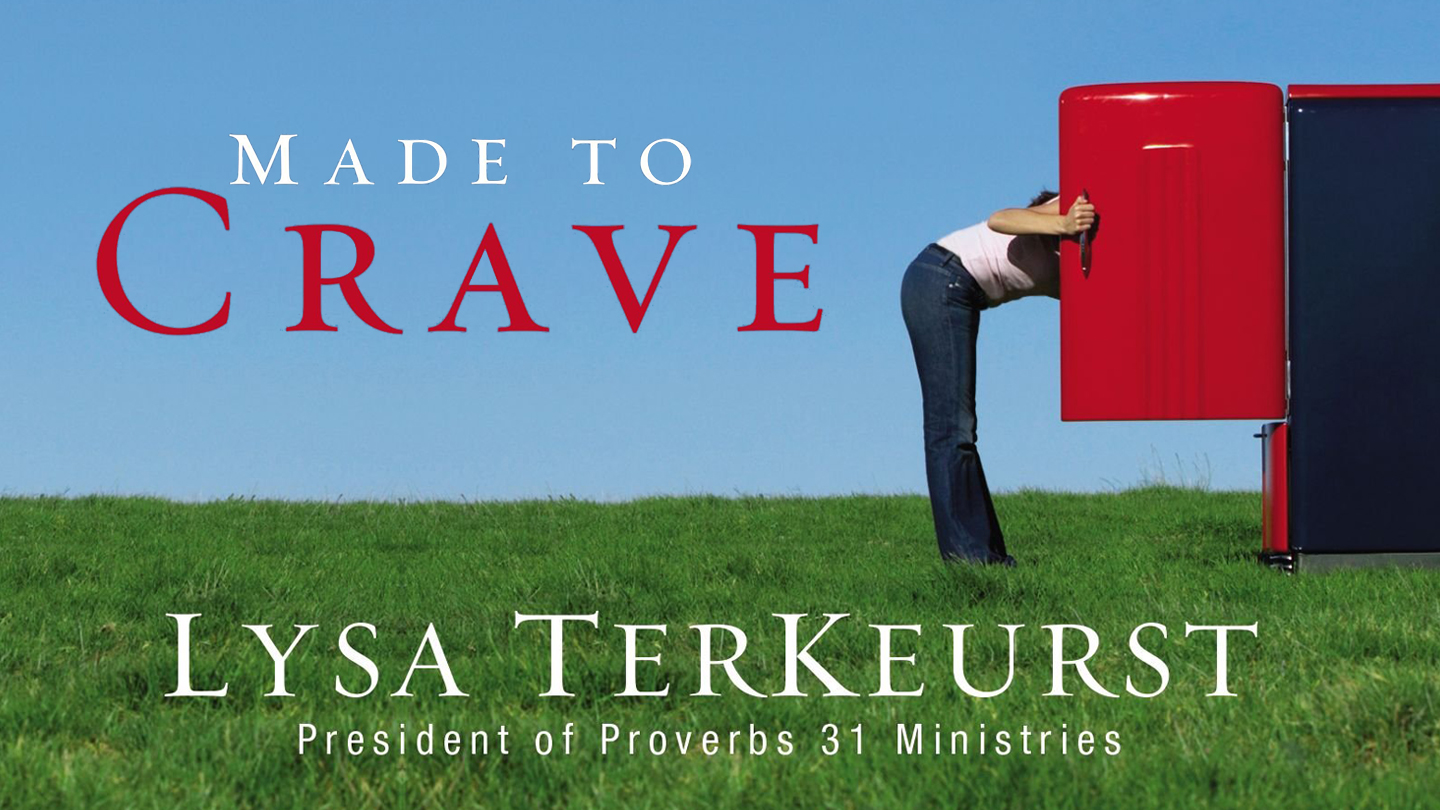
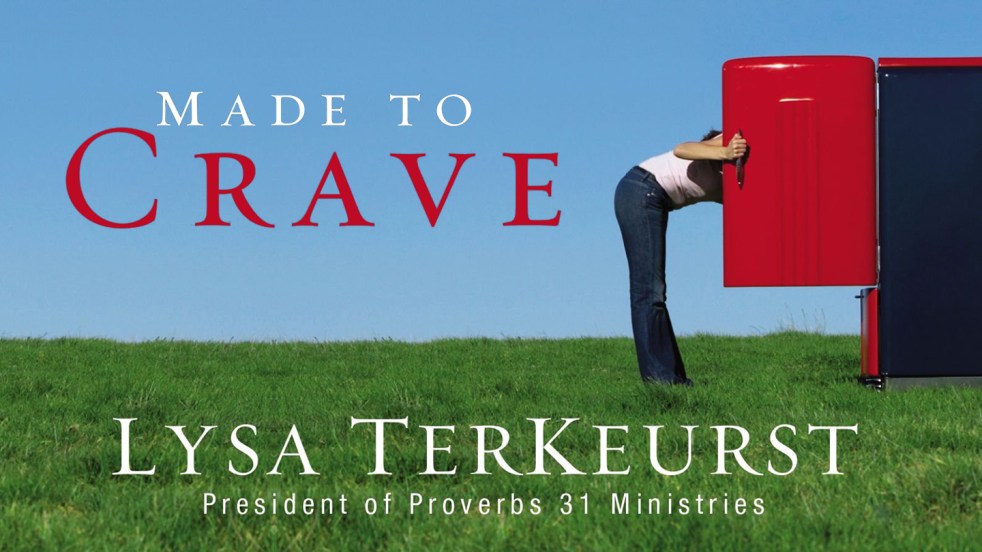
To help myself stay focused (and stave off those tempting cookie cravings), I have been reading daily devotional excerpts from the book Made to Crave by Lysa Terkeurst I really enjoyed this one and I wanted to share it since I found to be really helpful:
But I Never Feel Full
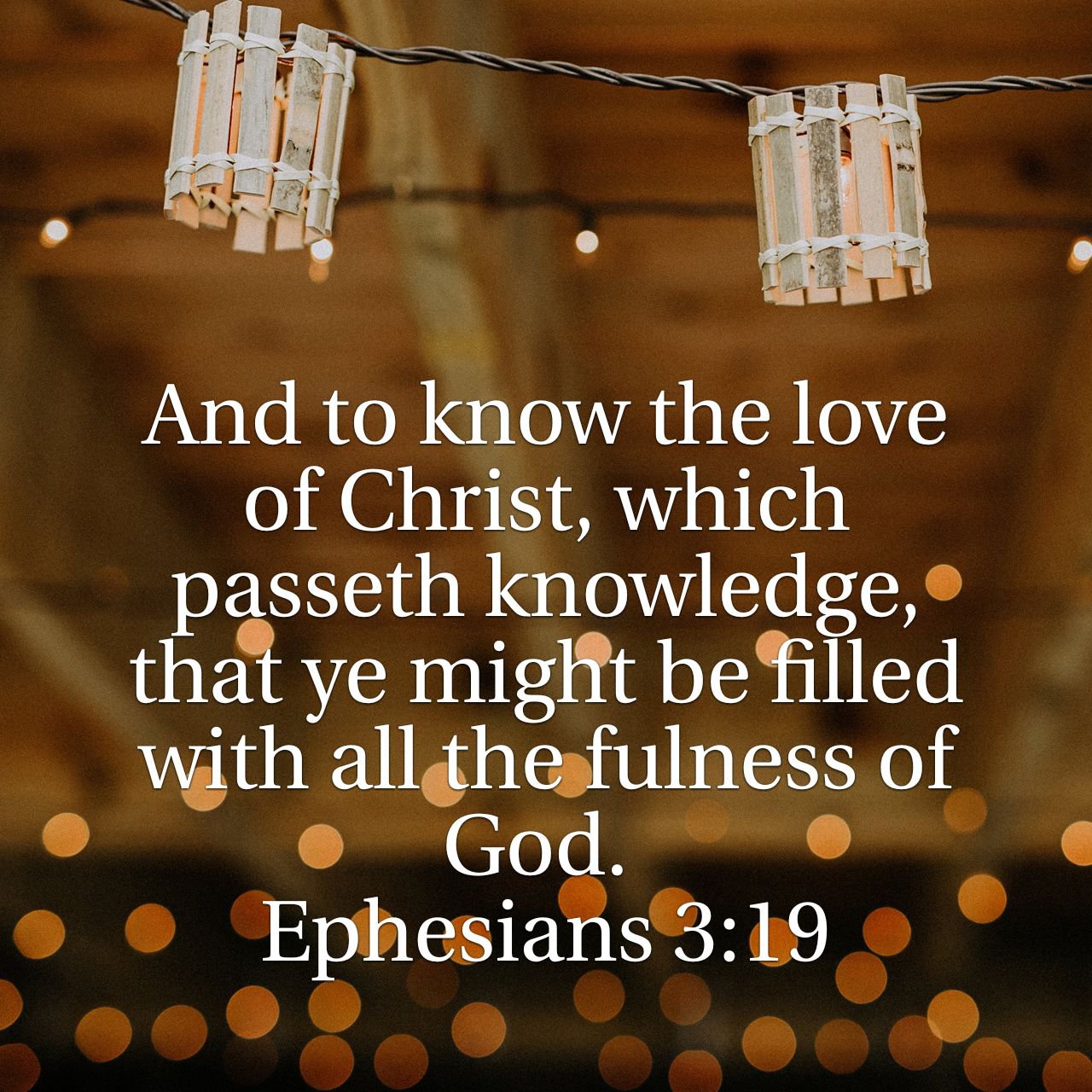
And to know the love of Christ, which passeth knowledge, that ye might be filled with all the fullness of God. Ephesians 3:19
For years, I walked around with a little heart-shaped cup in my soul, holding it out to people or things trying to find fulfillment. Some of us hold out our heart-shaped cup and expect a husband to love us in ways that rights our wrongs and fills up our insecurities. Sometimes, we expect our kids to be successful so that we look good and feel validated by their accomplishments. Or, we hope that a successful career will confirm that we are a valuable human being.
At times, I have asked the impossible of all of these. But my consistent “friend” of choice over the years has been food. Imagine my little heart-shaped cup as a candy dish, using sweets and snacks to soothe my emotions.
However, if we are going to replace destructive cycles with lasting changes in our lives, then we have to empty ourselves of the lie that other people or things can ever fill our hearts. Instead, we have to deliberately fill up on God’s truths and stand secure in His love. Here are some examples of how we can do that:
Old lie: “I am such a failure when it comes to my diet.” New truth: “I am not a failure. I am a lavishly loved child of God. Part of my right as a child of God is to operate in a power beyond myself. The Holy Spirit is God’s gift to me. So it is possible for me to use the self-control I’ve been given.”
Old lie: “I need these Oreos!” New truth: “The thought that these Oreos will fill me is a lie. They will taste good for just the few minutes it will take to eat them. Then that hollow feeling of guilt will rush in as soon as the chocolate high dissipates. If I truly need a snack right now, I am capable of choosing a healthier option.”
Old lie: “God seems far away and French fries are right around the corner at the drive-thru.” New truth: “French fries don’t love me. And the only lasting thing I get from them is the cholesterol and cellulite they inevitably leave behind, which will just compound my frustration. God’s love is here in this moment and in many more to come. His love is true and carries with it only positive residual effects.”
Examine how you can replace the lies and rationalizations in your mind with the truth of God’s love. Experience the power of renewing your mind and learning that food was never meant to fulfill the deepest places of your heart. And, as Ephesians 3:19 reminds, may you understand that the only way to true satisfaction is to be “filled to the measure of all the fullness of God.”
I cannot believe that 2017 is already practically over! Time really does fly! I remember saying to one of my patients in May that it would be 4th of July in no time, and here it is already almost New Year’s Eve! Where did the year go?!
Despite the time flying, I have fallen in love with some great products this past year. Here is a list of my favorite 17 things or 2017. I have included both beauty and non-beauty related items with links to make shopping easier 🙂
Caress Mystique Forever Body Wash $4 This stuff smells so amazing! My skin never feels dry or irritated when I use this body wash. I like all the scents, but the purple one Mystique Forever is my favorite.
My favorite Skin Care item of 2017
Mario Badescu Facial Spray in both the Aloe Herbs, and Rosewater version and Aloe, Cucumber, and Green Tea version. I’m pretty much obsessed with these sprays!
Runner-up
Dr. Brandt Skincare PoreDermabrasion Pore Perfecting Exfoliator. My skin looks so great when I consistently use this exfoliator.
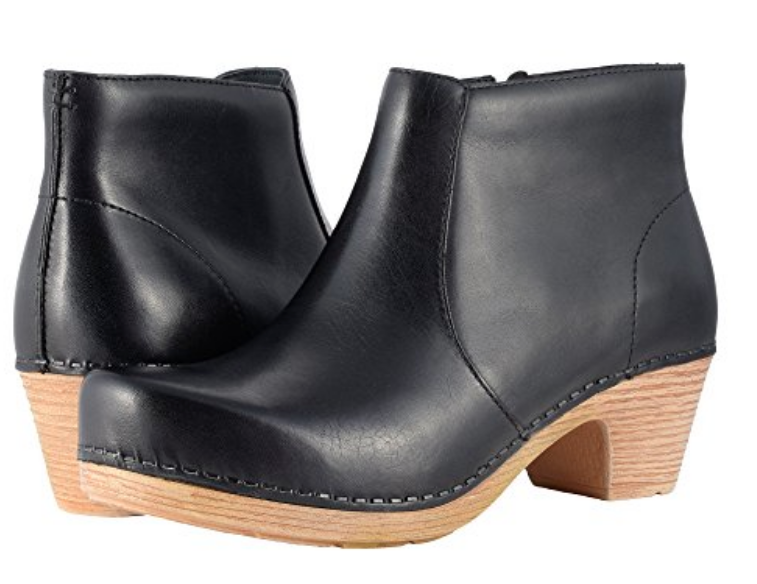
Runner-up these Dansko booties. I get stopped all the time so that people can ask me where I got my booties.
My favorite book of 2017
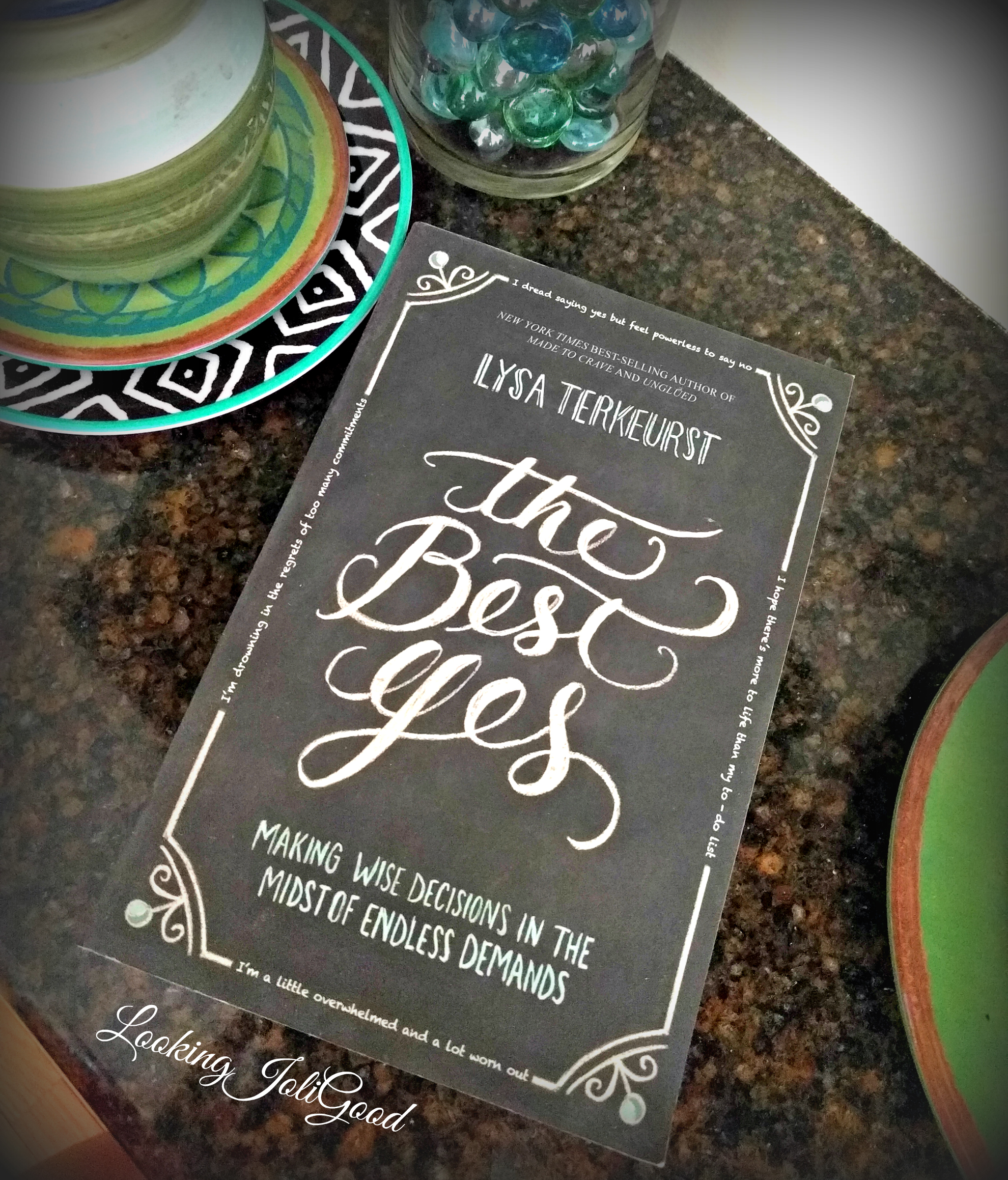
The Best Yes by Lysa TerKeurst.I have read a lot of books this year (65 to be exact.) I have read some great ones and some not so great ones.Out of all the books that I have read this year, The Best Yes by Lysa TurKerst has made the most impact on my life.I have been teaching a Bible study at my church based on this book. Since I have to teach, I have been forced to get into my Bible more deeply as I have studied this book.
My favorite way to listen to music:
Spotify.My husband recently switched from a regular account to the family plan.I have been loving having my own playlists!
My favorite artist of 2017
Lauren Dangle.Her voice is amazing and I love the style of worship music that she sings.
My favorite song of 2017
Broken Things by Matthew West.I especially love the lines “The pages of history they tell me it’s true.That it’s never the perfect; it’s always the ones with the scars that You use”
Runner-up Different by Micah Tyler. I love the line, “And I don’t wanna spend my life stuck in a pattern And I don’t wanna gain this world but lose what matters.”
I know, that I am far from perfect But through You, the cross still says I’m worth it
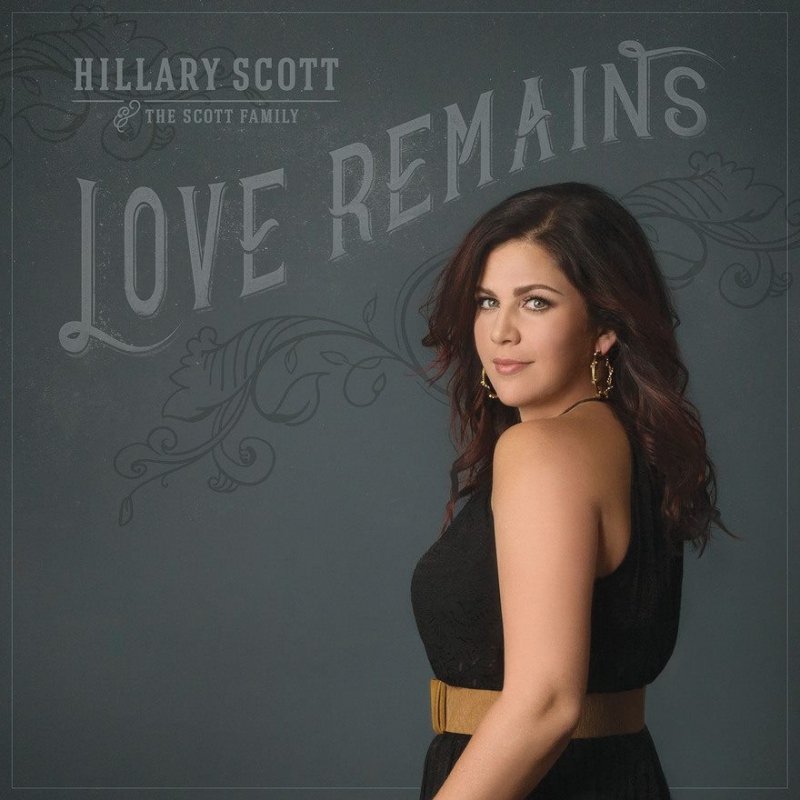
Runner-up Thy Will by Hillary Scott. My favorite line from this song is “I know you hear me, I know you see me, Lord Your plans are for me Goodness you have in store”
My favorite Podcast of 2017
The Next Right Thing by Emily P Freeman.Her voice is so soothing!“If you’re in a season of transition, waiting, general fogginess or if you’ve ever searched “how to make a decision” on the internet, listen in as best-selling author and host Emily P. Freeman helps create a little space for your soul to breathe so you can discern your next right thing in love.”
Halo Top I love them all but my favorite flavors are PB Cup and Oatmeal Cookie! The PB Cup has only 320 calories in the entire pint and 6 grams of protein per serving! Eating these two together is a match made in Heaven!
My favorite food discovery of 2017
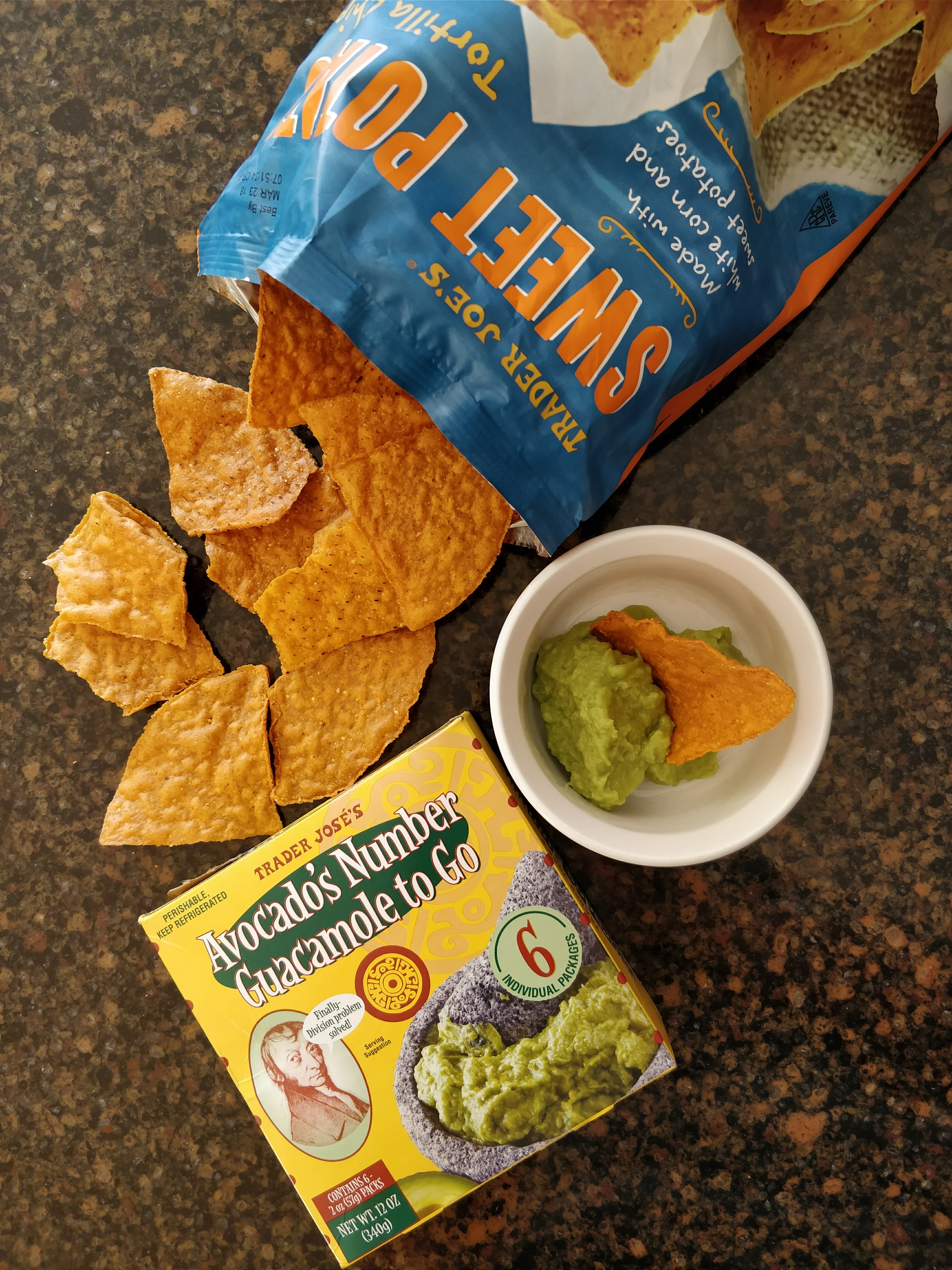
Trader Joe’s Avocado’s Number Guacamole to Go.Six packets of 100 calories of guacamole.I love putting these into my lunch for work or grabbing it on the go when I don’t have time to make myself something healthy for lunch.
My favorite Looking Joli Good posts of 2017
I really enjoyed writing all of my posts from November about Gratitude.I enjoyed reminding myself daily about all that I have to be thankful for.
My favorite thing of all 2017
I love Cadbury Mini Eggs.This year I discovered them at CVS during the Christmas season!
What about you? What have you been loving during 2017? I would love to hear all about it in the comment section!







































































 Looking Joli Good