Understanding the Distinction: Eating Disorders vs. Disordered Eating
With the arrival of the new year, the pressure to lose weight often looms large, fueled by resolutions promising transformation and societal ideals equating the “New Year with a New You.” Often thinness equals success. I’ve written recently about how this annual focus can turn the simple act of eating into a source of stress rather than nourishment. It’s a cycle many of us know too well, where weight loss becomes the ultimate measure of worth. Yet, beneath this cultural fixation lies a spectrum of struggles with food and body image that range from disordered eating to severe eating disorders. Understanding these distinctions is essential for creating compassion, breaking free from harmful habits, and nurturing a healthier relationship with ourselves and the food we consume.
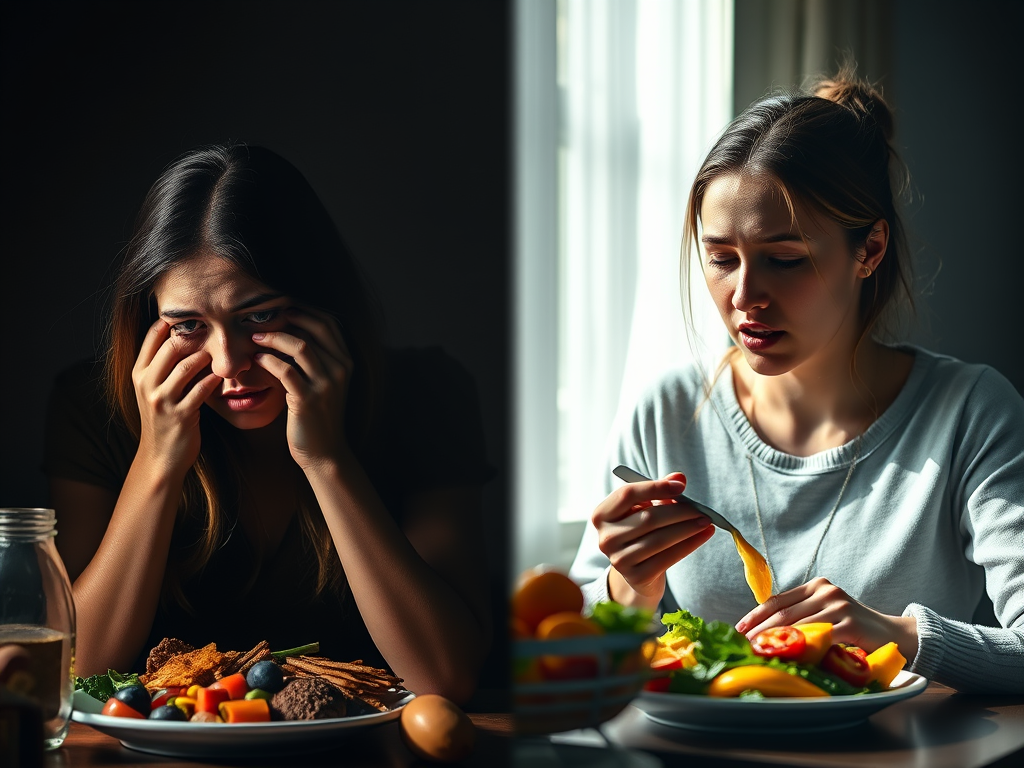
Navigating the complexities of food and body image requires understanding the nuanced differences between eating disorders and disordered eating. While both involve challenges in the relationship with food, the distinction lies not in extremes but in the underlying motivations, patterns, and severity of the behaviors. Recognizing this difference creates awareness and encourages compassion for those who struggle.
Eating Disorders
Eating disorders are severe mental health conditions marked by persistent disruptions in eating behaviors and an intense preoccupation with body weight and shape. Disorders such as anorexia, bulimia, binge-eating disorder, and avoidant/restrictive food intake disorder (ARFID) often have life-threatening consequences. These illnesses extend beyond visible behaviors, encompassing deep psychological distress that demands professional intervention 3 5.

Disordered Eating
Disordered eating, while less severe, refers to irregular eating habits that do not meet the clinical criteria for an eating disorder but can still negatively impact physical, emotional, and mental health. Examples include frequent dieting, calorie counting, skipping meals, and adhering to rigid food rules. People with disordered eating may engage in behaviors like binge eating, excessive exercise, or compulsively tracking their intake, driven by societal pressures or personal anxieties about body image 2.
These behaviors, though seemingly less alarming, can pave the way to full-blown eating disorders over time. Even when they don’t escalate, they may lead to long-term health issues, including psychological distress and a diminished sense of well-being 2.
Key Differences
- Severity and Impact: Eating disorders are more severe and have a more significant impact on an individual’s life, often causing serious physical and psychological complications 3 7.
- Diagnostic Criteria: Eating disorders meet specific clinical criteria outlined in the DSM-5 TR, while disordered eating does not have a formal diagnosis 5.
- Frequency and Duration: Eating disorder behaviors occur more frequently and persist for longer periods compared to disordered eating 3.
- Emotional Response: Individuals with eating disorders often experience intense negative emotions associated with food and eating, while those with disordered eating may have a more neutral emotional response 7.
- Control: Eating disorders are characterized by a significant loss of control over eating behaviors, whereas disordered eating may involve more intermittent or less severe loss of control 3.
- Treatment Needs: Eating disorders typically require professional intervention and comprehensive treatment, while disordered eating may benefit from education and early support 7 8.
Importance of Recognition
Understanding the distinction between eating disorders and disordered eating is crucial for several reasons:
- Early Intervention: Recognizing disordered eating patterns early can prevent the development of full-blown eating disorders 2.
- Appropriate Treatment: Differentiating between the two ensures individuals receive the most appropriate level of care and support 8.
- Destigmatization: Acknowledging the spectrum of problematic eating behaviors helps reduce stigma and encourages seeking help 2.
- Prevention: Understanding risk factors and early signs can aid in prevention efforts and promote healthier relationships with food and body image 6.
Why It Matters
Understanding these distinctions is vital. Both eating disorders and disordered eating reflect a strained relationship with food, but early intervention for either can make a profound difference. While eating disorders and disordered eating share some similarities, they differ in severity, diagnosis, and impact. Both require attention and support, but eating disorders often necessitate more intensive treatment. Recognizing these distinctions is essential for promoting early intervention, appropriate care, and overall well-being. Seeking help, whether through friends, family, or healthcare professionals, is a courageous step toward recovery and well-being.
If you or someone you know is struggling, remember that support is available. Compassion, education, and professional guidance can pave the way to a healthier relationship with food and body image. You don’t have to face this journey alone. **I’ve included some resources and references below.**


Disclaimer: I am not an expert on eating disorders or disordered eating. The information provided is based on general knowledge and personal experience and should not be considered as a substitute for professional medical advice or treatment. While I am a registered nurse, I am not your personal healthcare provider. It is advisable for you to consult with your own designated healthcare professional to determine the best course of action for your specific situation for personalized guidance and recommendations tailored to your specific needs.
**Resources:
https://www.nationaleatingdisorders.org/help-support/contact-helpline
https://www.eatingdisorderhope.com/
https://www.nimh.nih.gov/health/publications/eating-disorders
Project HEAL. https://www.theprojectheal.org/
**References:
[1] https://changecreateschange.com/disordered-eating-vs-eating-disorders-whats-the-difference/
[2] https://www.theprojectheal.org/blog/disordered-eating-vs-eating-disorder
[3] https://equip.health/articles/understanding-eds/eating-disorders-vs-disordered-eating
[4] https://renfrewcenter.com/disordered-eating-vs-eating-disorder-whats-the-difference/
[6] https://nedc.com.au/eating-disorders/eating-disorders-explained/disordered-eating-and-dieting
[7] https://www.activeminds.org/blog/disordered-eating-vs-eating-disorders/

 Looking Joli Good