Content Warning: Eating disorders, disordered eating, anorexia, body image, mental health struggles, high control religion.
The start of a new year often brings resolutions centered on weight loss, promising transformation and self-improvement. Social media, advertisements, and societal norms amplify this message, equating thinness with success and happiness. The allure is powerful, shedding pounds seems like a quick fix for deeper insecurities or dissatisfaction.
Yet, this focus can be dangerous. The obsession with weight loss often leads to unhealthy habits, disordered eating, and a strained relationship with food and those around you. Instead of health and well-being, an obsession with thinness can overshadow mental health, self-acceptance and true inner happiness. True health comes from balance, not extremes.
During my freshman year of nursing school, I had a acute awakening to the devastating impact of anorexia, a lesson that didn’t come from textbooks or lectures, but from the lived experience of a close friend. Witnessing her battle with this relentless illness was something that I will never forget.
Prior to this encounter, I had only a superficial understanding of anorexia, viewing it as a distant affliction that affected Karen Carpenter but remained detached from my own reality. However, as I watched my friend’s gradual descent into the grips of this merciless disorder, the harsh reality of its consequences became painfully evident.
What struck me most was the insidious nature of anorexia, how it crept into every aspect of my friend’s life, consuming her thoughts, emotions, and physical well-being. It was a silent and invisible adversary, yet its presence loomed large, casting a shadow over our once carefree friendship. Mealtimes and food related outings with her were excruciating!
At first, I naively believed that I could offer support and encouragement, believing that my friend’s struggle was something she could simply overcome with enough willpower and determination. But as her condition worsened and her weight plummeted to dangerous levels, I realized the depth of her suffering and the gravity of her illness.
Despite my best intentions, I found myself unable to truly comprehend the magnitude of her struggle, unable to grasp the enormity of the challenges she faced on a daily basis. Instead of serving as a beacon of hope and inspiration for her recovery, I unwittingly became ensnared in the dangerous allure of her steady weight loss, as if it were a contagion spreading through our circle of friends.
In retrospect, I recognize the profound irony of my ignorance and the tragedy of my misguided perceptions. My friend’s struggle with anorexia should have served as a stark warning, an example of the devastating toll that this illness exacts on both mind and body. Instead, it became a twisted distortion of reality, blurring the lines between compassion and complicity, empathy and enablement.
It was a painful lesson, one that taught me that the impacts of anorexia are far-reaching and multifaceted, transcending the confines of individual suffering to touch the lives of those who bear witness to its destructive power.
And though I may never fully understand the depths of my friend’s anguish, I do understand the allure of weight loss being the reward. In a world that often equates thinness with worth and beauty, it’s easy to fall into the trap of believing that shedding pounds will bring happiness and acceptance.
While I have never suffered from or received a formal diagnosis of a full blown eating disorder, I have personally grappled with disordered eating patterns. Using food and exercise as a means of control was, at times, a coping mechanism for me. Recognizing these struggles was an essential step in creating a healthier relationship with food and seeking support when needed.
A significant aspect of my post-IFB growth has been centered around healing my connection with body image and food. It has been a lot of work to retrain my thinking towards self-compassion and a positive approach to overall well-being. It took me a long time to believe that I am not defined solely by the food I consume, how much I exercise, or the size of the clothes I wear. My identity encompasses a myriad of qualities beyond these external elements.
Eating is a fundamental part of human life, not only for sustenance but also for social and cultural reasons. However, for some people, the relationship with food can become complicated, leading to harmful behaviors and negative consequences for their physical and mental health.
If you or someone you know is struggling with an eating disorder or disordered eating, it’s important to reach out for support. Seeking assistance from friends, family, or mental health professionals can make a significant difference in navigating these challenges. Remember that you don’t have to face it alone, and there are resources available to help you on the path to recovery. Prioritize your well-being and take the first step toward seeking the support you need. I’ve included some resources and references below.**
Disclaimer: I am not an expert on eating disorders or disordered eating. The information provided is based on general knowledge and personal experience and should not be considered as a substitute for professional medical advice or treatment. While I am a registered nurse, I am not your personal healthcare provider. It is advisable for you to consult with your own designated healthcare professional to determine the best course of action for your specific situation for personalized guidance and recommendations tailored to your specific needs.
Akrawi, D., Bartrop, R., Potter, U., & Touyz, S. (2015). Religiosity, spirituality in relation to disordered eating and body image concerns: A systematic review. Journal of Eating Disorders, 3(1). https://doi.org/10.1186/s40337-015-0064-0
Grenfell, J. W. (2006). Religion and Eating Disorders: Towards understanding a neglected perspective. Feminist Theology, 14(3), 367–387. https://doi.org/10.1177/0966735006063775
Kose, J., Paz‐Graniel, I., Péneau, S., Julia, C., Herçberg, S., Galán, P., Touvier, M., & Andreeva, V. A. (2022). A population-based study of macronutrient intake according to mental health status with a focus on pure and comorbid anxiety and eating disorders. European Journal of Nutrition, 61(7), 3685–3696. https://doi.org/10.1007/s00394-022-02923-x
Huline‐Dickens, S. (2000). Anorexia nervosa: Some connections with the religious attitude. British Journal of Medical Psychology, 73(1), 67–76. https://doi.org/10.1348/000711200160309
Riddle, D. R., Presseller, E. K., & Juarascio, A. S. (2023). Latent profiles of emotion dysregulation among individuals with binge‐spectrum eating disorders: Associations with eating disorder pathology. European Eating Disorders Review, 31(6), 793–801. https://doi.org/10.1002/erv.3009
Thomas, J., O’Hara, L., Tahboub-Schulte, S., Grey, I., & Chowdhury, N. (2018). Holy anorexia: Eating disorders symptomatology and religiosity among Muslim women in the United Arab Emirates. Psychiatry Research, 260, 495–499. https://doi.org/10.1016/j.psychres.2017.11.082
Most of the recipes I have been sharing recently are rich and decadent. Today’s recipe for Winter Berry Spinach Salad is on the healthier side with a delightful mix of fresh, vibrant ingredients that are both nutritious and satisfying. The crisp spinach, sweet-tart cranberries, juicy strawberries, and crunchy candied pecans come together beautifully, while the creamy feta and tangy balsamic dressing add a burst of flavor. This salad not only complements richer holiday dishes but also provides a refreshing and wholesome balance to the table.
Winter Berry Spinach Salad
Ingredients:
8 cups fresh spinach or mixed greens
1 cup fresh cranberries or dried cranberries
1 cup fresh strawberries, sliced
1/2 cup candied pecans or walnuts
1/4 cup red onion, thinly sliced
1/2 cup crumbled feta cheese
blueberries or pomegranate arils for extra festivity (optional)
Dressing:
1/4 cup balsamic vinegar
2 tbsp honey or maple syrup
1/3 cup olive oil
1 tsp Dijon mustard
Salt and pepper to taste
Directions:
Prepare the Salad: In a large bowl, combine spinach, cranberries, strawberries, nuts, onion, and feta.
Make the Dressing: Whisk together balsamic vinegar, honey, olive oil, mustard, salt, and pepper until emulsified.
Toss & Serve: Drizzle the dressing over the salad just before serving and toss lightly. You can also serve the dressing on the side.
This salad is vibrant, full of flavor, and pairs wonderfully with any meal you’ve planned. The colors make it especially festive for Christmas!
I remember as a child a classmate would bring homemade Saltine Cracker Toffee to our class parties and special occasions. The combination of the crispy crackers, rich caramel, and smooth chocolate was irresistible, especially since caramel has always been a favorite of mine.
This easy and irresistible treat combines crunchy saltine crackers with rich toffee, melted chocolate. Perfect for sharing at a holiday get together or gifting in festive tins during the holidays!
1 bag (11.5 oz) milk chocolate chips (about 2 cups)
1 tablespoon candy sprinkles
Instructions
Step 1: Preheat your oven to 350°F (175°C). Line a 15x10x1-inch baking pan with aluminum foil and coat the foil with cooking spray. Arrange the saltine crackers in a single layer on the pan.
Step 2: In a 2-quart saucepan, melt the butter over medium heat. Add the sugar and salt, stirring frequently until the mixture reaches a boil. Continue boiling for 7 to 9 minutes, stirring often, until the mixture turns a light brown color. Remove from heat and stir in the vanilla extract. Immediately pour the toffee mixture over the crackers, spreading it evenly.
Step 3: Bake for 13 to 15 minutes, or until the toffee is bubbly and golden brown. Remove the pan from the oven and sprinkle the chocolate chips over the top. Let them sit for 5 minutes to soften, then spread the melted chocolate evenly over the toffee. Top with candy sprinkles.
Step 4: Allow the toffee to cool completely at room temperature, about 2 hours, or until the chocolate is firm. Break into pieces and enjoy. Store in an airtight container in the refrigerator for up to 1 week.
Variation Idea: For a delicious twist, substitute the saltines with graham crackers, use packed dark brown sugar instead of granulated sugar, skip the chocolate chips, and sprinkle with chopped pecans instead
Last Christmas, my mother-in-law served this Million Dollar Dip, and it was an instant hit. My kids loved it so much that they not only ate a ton of it on Christmas day, they now ask me to make it regularly. It has quickly become a favorite! The original recipe is from Better Homes and Gardens.
Prepare the Creamy Base In a large mixing bowl, beat the softened cream cheese on low speed until smooth. Add the sour cream, mayonnaise, garlic powder, and onion powder, and continue mixing until well combined.
Incorporate the Mix-Ins Reserve 1–2 tablespoons each of bacon, green onions, and almonds for garnish. Add the remaining bacon, green onions, almonds, and shredded cheddar cheese to the creamy mixture. Stir until everything is evenly distributed.
Toast the Almonds (Optional) To toast the almonds, heat a dry skillet over medium heat. Add the slivered almonds and cook for 5–7 minutes, stirring frequently, until they turn golden brown and release a nutty aroma.
Finish and Serve Transfer the dip to a serving dish and sprinkle the reserved bacon, green onions, and almonds on top for added texture and flavor. Serve with crackers, corn chips, pretzel chips or cut up veggies.
Storage Tips Store leftover dip in an airtight container in the refrigerator for up to 3 days. Freezing is not recommended, as it may alter the dip’s texture.
I am sharing this recipe again this year because it is my favorite holiday side dish. I just finished preparing it for our dinner tomorrow and I cannot wait to eat it along with the other delicious thing we will be having for Thanksgiving dinner tomorrow.
Ingredients
4 cups sweet potato, cubed*
1/2 cup white sugar
2 eggs, beaten
1/2 tsp cinnamon
1/2 teaspoon salt
4 tablespoons butter, softened
1/2 cup milk
1/2 teaspoon vanilla extract
1/2 cup packed brown sugar
1/3 cup all-purpose flour
3 tablespoons butter, softened
1/2 cup chopped pecans
Directions
Preheat oven to 325 degrees F (165 degrees C). Put sweet potatoes in a medium saucepan with water to cover. Cook over medium-high heat until tender; drain and mash. (or use canned yams and skip this step altogether.)
In a large bowl, mix together the sweet potatoes, white sugar, eggs, cinnamon, salt, butter, milk and vanilla extract. Mix until smooth. Transfer to a 9×13 inch baking dish.
In a medium bowl, mix the brown sugar and flour. Cut in the butter until the mixture is coarse. Stir in the pecans. Sprinkle the mixture over the sweet potato mixture.
Bake in the preheated oven 30 minutes, or until the topping is lightly brown.
*If you’re using fresh sweet potatoes, you’ll need four to six sweet potatoes to get four cups, depending on their size. One 15-ounce can of sweet potatoes is equal to one cup of fresh sweet potatoes.
If you try it, please let me know! I have a feeling that you will love it too!
Over coffee, I recently caught up with a close friend who is still actively involved in the Independent Fundamental Baptist (IFB) church I used to be a part of. Since I’m no longer a member, we typically avoid discussing church matters, but during our coffee outing she shared some details about things happening at the church. Despite no longer attending, yet having been a member for the majority of my life, I still have a solid understanding of how things operate within that community.
As we spoke, what stood out to me was the apparent ongoing absence of external oversight in the pastor’s decision-making processes. Despite past issues, it seems the pastor, often considered the ultimate authority in IFB churches, operates without the checks and balances that external oversight could provide.
My friend reluctantly pointed out situations where the pastor unilaterally made significant decisions impacting the entire church community. Regardless of whether these decisions were advantageous or not for the community, the absence of external scrutiny raises concerns. While the pastor’s actions may have been well-intentioned, they emphasized the potential risks associated with a leadership structure lacking accountability.
Even after our coffee date had concluded, our conversation lingered in my mind. This led me to reflect on the possible long-term consequences of unchecked authority in high-demand religious environments, such as the IFB. As I reflected on this, it emphasizes the importance of external oversight in religious communities. Decisions should be transparent, with collective input, and a commitment to the well-being of the entire congregation.
The absence of external oversight means that there’s limited scrutiny on the actions and decisions of the pastor. While trust is an essential aspect of any religious community, the potential for misuse of power or ethical lapses increases when there’s no mechanism for accountability.
External oversight, whether through denominational structures, advisory boards, communal meetings and voting, or other forms of checks, is a crucial safeguard against potential abuses. It ensures that leaders are held accountable for their actions, encouraging transparency, and preventing the concentration of power in a way that could be detrimental to the well-being of the community.(Regrettably, some pastors choose to be surrounded by “yes men” who agree with them unquestioningly.)
In the specific context of the IFB community, the pastor’s role is intriguing. Adhering to their Baptist distinctives and independent bylaws, it’s important to note that, in most cases, the pastor is technically classified as an employee of the church. Despite this formal classification aligned with typical employer-employee dynamics, practical application often deviates. The pastor, often revered as “the man of God,” enjoys elevated status and significant autonomy within the church hierarchy, surpassing the formal employment relationship.
This discrepancy between formal structure and perceived spiritual authority can pose challenges.
Congregants may hesitate to assert their rights as employers, fearing it contradicts the reverence owed to the pastor’s spiritual role. The complex interplay between employment dynamics and spiritual authority underscores the need for clarity in governance structures within religious communities to ensure balanced and accountable leadership. Unfortunately, this imbalance in IFB communities, where the pastor holds a revered spiritual position while technically being an employee, can create a delicate balance that, in some instances, leads to an abuse of power.
The inherent spiritual authority attributed to the pastor can open avenues for manipulation and exploitation. This spiritual hierarchy often overshadows the formal employment relationship, potentially enabling instances of abuse against church members. The blurred lines between the pastor’s role as an employee and a spiritual leader may contribute to an environment where abusive conduct can persist without appropriate scrutiny.
While it may seem that I am coming off as critical of IFB pastors, it is essential to acknowledge that within the IFB framework, not every pastor exploits the power dynamic. Many pastors, including my own brother in law as well as the pastor that led the church I was a part of as a child and young adult, driven by integrity and grace, genuinely prioritize the well-being of their congregants. They use their spiritual authority responsibly, and encourage environments of support, care, and spiritual growth.
However, the inherent imbalance in the power structure can be manipulated by individuals with less honorable intentions. Some pastors might leverage their revered position to their advantage, creating a situation where dissent or questioning is discouraged. This misuse of authority can lead to instances of manipulation and, in extreme cases, abuse. (**For resources to seek help for abuse, please click HERE or refer to the link below.**)
The diversity of pastors within IFB communities underscores the critical need for discernment and robust accountability mechanisms. While many lead with sincerity and a genuine desire to serve, the potential for misuse of power underscores the necessity of checks and balances. Establishing clear guidelines, encouraging open dialogue, and encouraging a culture of accountability can help ensure that the spiritual leadership remains a force for good within these communities.
If you have been following along with me while I have been writing about finding faith following fundamentalism, you know that I have been reading the Bible for myself and trying to understand what it is truly saying and not just the cherry picked version that I have been taught my entire life. Many pastors often invoke various verses to justify their operating without oversight or being questioned. (Full King James Versionverses below for reference)
Members of the IFB often turn to Hebrews 13:17 as a key verse supporting their stance that pastors should not be questioned. “Obey them that have the rule over you, and submit yourselves:” Many in the IFB interpret it as a divine mandate for unquestioning obedience to pastors, viewing them as appointed by God and beyond reproach. This verse has a second half that is often ignored: “for they watch for your souls, as they that must give account, that they may do it with joy, and not with grief: for that is unprofitable for you.”
While encouraging believers to have confidence in and submit to their spiritual leaders, it also emphasizes that these leaders bear the responsibility of watching over the spiritual well-being of the congregation and will be held accountable for their leadership. They should be held accountable for their leadership. The instruction to submit is given with the intention that the leaders’ work should be a source of joy rather than a burden for both the leaders and the congregation.
On numerous occasions and from various pastors, I’ve personally heard some variation of the phrase “If you don’t like it, there’s the door; see yourself out.”
Similarly, 1 Timothy 5:19 is cited by IFB pastors to discourage questioning of pastors, asserting that accusations against elders should only be accepted with multiple witnesses. This verse is part of a larger passage in 1 Timothy 5 that deals with the qualifications and responsibilities of elders. The passage emphasizes the importance of elders being men of good character who are capable of leading the church. Verse 19 specifically addresses the issue of how to deal with accusations against elders.
This means that, elders can be assured that any allegations will undergo thorough scrutiny, reinforcing the biblical principles of fairness and integrity within the leadership structure of the Christian community.It does not however mean that the pastor/elders cannot be questioned or held accountable for their actions.
The principle of multiple witnesses is not unique to 1 Timothy 5:19. It is also found in other parts of the Bible, such as Deuteronomy 19:15 and Matthew 18:16. These passages all emphasize the importance of having corroborating evidence to support an accusation.
The interpretation of 1 Corinthians 12:28, which suggests the ordination of pastors as teachers and leaders in the church, is in harmony with the beliefs of many Christian traditions, including the IFB, that attribute a significant role to pastors in teaching and guiding the congregation. This verse forms part of a broader discourse in 1 Corinthians addressing the diverse spiritual gifts present within the body of believers.
In the context of our ongoing discussion, it’s essential to highlight that, while this verse underscores the roles of teachers and leaders, it doesn’t imply an absolute absence of accountability or room for questioning. Different Christian denominations and individuals may interpret the roles of pastors and the extent of their authority in various ways. Interpretations may vary among individuals and congregations within the broader IFB community as well.
In the IFB context, the emphasis on respecting pastors for their position and authority, coupled with interpretations of verses like Hebrews 13:17 and 1 Timothy 5:19, can sometimes contribute to a culture where questioning or holding pastors accountable is discouraged.
Let’s move on to other passages in the Bible that shed light on the principles of Christian leadership. In 1 Peter 5:1-4, elders are encouraged to shepherd the flock willingly and by example, with the promise of a “crown of glory” when the Chief Shepherd appears. Paul’s instruction to Timothy in 1 Timothy 4:16 emphasizes the importance of personal integrity in leadership, linking it to the salvation of both the leader and those who follow.
1 Thessalonians 2:7-12 depicts Paul and his companions as gentle and caring leaders, making a comparison to both a nursing mother and a father. They are characterized by love and diligence, working hard for the Thessalonians and encouraging them as a father would his children. In John 10:11, Jesus identifies Himself as the Good Shepherd who lays down His life for the sheep, reinforcing the idea of leaders being willing to make personal sacrifices for the well-being of their followers.
Lastly, 1 Timothy 5:17 calls for the honoring of elders who lead well, especially those dedicated to the labor of the word and doctrine. These verses collectively emphasize various qualities of Christian leadership, including humility, sacrificial love, diligence, and dedication to sound doctrine. While they stress the importance of respecting and honoring leaders, they also underscore the reciprocal responsibility of leaders to uphold certain standards. 1 Timothy 5:17 specifically advocates for the honoring of elders who excel in their leadership roles, especially those who are committed to the diligent work of preaching the Word and upholding sound doctrine.
These verses collectively paint a comprehensive picture of Christian leadership that extends beyond authority to encompass qualities such as humility, sacrificial love, and dedication to the foundational principles of faith. It’s a reminder that leadership within the Christian community should be characterized by service, integrity, and a commitment to the spiritual well-being of the congregation.
I know this might seem like a lot already, but stick with me…
While I am by no means an expert in this area, I have spent the better part of my life in a high demand/control religion as part of the IFB. One noteworthy observation pertains to the IFB’s tendency to portray pastors as beyond questioning, a practice often rooted in the interpretation of verses such as Hebrews 13:17. This approach creates an environment that may attract people with a love of wielding power. The theological stance adopted establishes an almost untouchable authority for pastors, actively discouraging dissent and framing any challenge to their leadership as a transgression against God.
The absence of robust accountability mechanisms, evident in the interpretation of verses like 1 Timothy 5:19, further cements the pastor’s position, rendering the IFB structure particularly appealing to those desiring unchecked control.
There is a strong correlation between seeking unchallenged control and issues of pride. The desire for unchallenged control often stems from a sense of superiority, an inflated view of one’s capabilities, and a reluctance to entertain dissenting opinions. Pride can lead one to believe that their authority is unquestionable, creating and encouraging an environment where challenges are seen as threats rather than opportunities for growth.
Proverbs 16:18, 1 Timothy 3:6, James 4:6, 1 Peter 5:5-6, and Philippians 2:3-4, consistently caution against pride and highlight the virtues of humility. Those who seek unchallenged control may disregard these principles, potentially leading to destructive consequences both for themselves and those under their influence. Recognizing the dangers of pride and promoting humility within religious leadership can contribute to a healthier and more spiritually grounded community.
The Bible emphasizes the importance of humility and warns against the dangers of pride. Proverbs 16:18 succinctly declares that pride precedes destruction, underlining the destructive nature of arrogance. In 1 Timothy 3:6, there’s a caution against promoting inexperienced people into positions of authority, as unchecked pride can lead to condemnation.
James 4:6 reinforces the theme by stating that God opposes the proud but extends grace to the humble. This sets a clear contrast between the consequences of pride and the benefits of humility. The passage in 1 Peter 5:5-6 encourages mutual submission and humility, with the promise that those who humble themselves will be exalted in due time.
Philippians 2:3-4 further underscores the call to humility, urging believers to prioritize others over themselves and to avoid selfish pursuits. These verses collectively provide a biblical foundation for humility, discouraging pride, and promoting a culture of mutual submission and consideration within religious communities. Applying these principles can contribute to a healthier and more balanced approach to leadership, countering the potential pitfalls associated with unchecked authority and a love for power.
Why, then, is there a reluctance to add oversight or question the pastor?
The reluctance to add oversight or question the pastor may stem from a fear of potential consequences, both spiritual and social. Congregants may be hesitant due to a cultural expectation of unquestioning trust in the pastor’s spiritual authority. Concerns may arise about potential backlash or negative perceptions within the community for challenging the pastor’s decisions or actions. Additionally, the blurred lines between the pastor’s spiritual and authoritative roles can contribute to this reluctance, as questioning may be perceived not only as a challenge to leadership but also as a critique of the spiritual guidance provided by the pastor.
This apprehension reveals a troubling misuse of authority, creating a culture of silence and impeding open dialogue and accountability within the community. (I personally witnessed those who voiced their opinions facing repercussions.)
Leaders, including pastors, should ideally welcome questions and concerns as opportunities for growth and reflection. Turning the congregation against those who question can create a toxic environment, eroding trust and hindering the spiritual well-being and growth of the community.
Grounded in biblical principles that underscore humility, mutual respect, and accountability, a pastor’s role should extend to encouraging an environment where questions are embraced, concerns are addressed, and the congregation can partake in open and constructive dialogue. It becomes paramount for members within the congregation to critically assess such situations, evaluating whether the actions align with the Christian leadership principles outlined in the Bible.
This alignment involves embodying servant leadership characterized by humility, love, and integrity (Philippians 2:3-4, John 13:34-35). Leaders are called to seek divine wisdom, uphold sound doctrine, and work diligently, all while remaining open to correction and actively empowering others for service (James 1:5, 2 Timothy 4:2-3, Colossians 3:23, Proverbs 15:32, Ephesians 4:11-12).
Effectively addressing the issues inherent in IFB practices necessitates a deliberate and considerate approach. To begin with, there’s a crucial need for open dialogue within IFB communities concerning the interpretation and application of verses like Hebrews 13:17. Cultivating a culture that prizes transparency, accountability, and constructive questioning becomes instrumental in mitigating the potential for abuses of power.
Implementing clear accountability mechanisms and nurturing an environment that values the input and concerns of the congregation are pivotal steps. Equipping members with education about healthy leadership models and the potential pitfalls of unchecked authority can also contribute to shaping a more balanced and accountable religious community. In essence, promoting a culture characterized by humility, open communication, and shared responsibility stands as a transformative force in reshaping the dynamics within IFB churches. (see below for helpful resources)
**If you or someone you know is experiencing physical or sexual abuse, please reach out for help. There are organizations and helplines dedicated to providing support, guidance, and resources to those in need. No one should have to endure abuse, and seeking assistance is a crucial step towards safety and healing. Click HERE for a list of helpful resources I have put together.**
King James Version verses mentioned for reference:
Hebrews 13:17 :“Obey them that have the rule over you, and submit yourselves: for they watch for your souls, as they that must give account, that they may do it with joy, and not with grief: for that is unprofitable for you.” 1 Timothy 5:19 : “Against an elder receive not an accusation, but before two or three witnesses.” Deuteronomy 19:15One witness shall not rise up against a man for any iniquity, or for any sin, in any sin that he sinneth: at the mouth of two witnesses, or at the mouth of three witnesses, shall the matter be established. Matthew 18:16 But if he will not hear thee, then take with thee one or two more, that in the mouth of two or three witnesses every word may be established. 1 Corinthians 12:28 “And God hath set some in the church, first apostles, secondarily prophets, thirdly teachers, after that miracles, then gifts of healings, helps, governments, diversities of tongues.” 1 Peter 5:1-4 :“The elders which are among you I exhort, who am also an elder, and a witness of the sufferings of Christ, and also a partaker of the glory that shall be revealed: Feed the flock of God which is among you, taking the oversight thereof, not by constraint, but willingly; not for filthy lucre, but of a ready mind; Neither as being lords over God’s heritage, but being ensamples to the flock. And when the chief Shepherd shall appear, ye shall receive a crown of glory that fadeth not away.” 1 Timothy 4:16:“Take heed unto thyself, and unto the doctrine; continue in them: for in doing this thou shalt both save thyself, and them that hear thee.” 1 Thessalonians 2:7-12 “But we were gentle among you, even as a nurse cherisheth her children: So being affectionately desirous of you, we were willing to have imparted unto you, not the gospel of God only, but also our own souls, because ye were dear unto us. For ye remember, brethren, our labour and travail: for labouring night and day, because we would not be chargeable unto any of you, we preached unto you the gospel of God. Ye are witnesses, and God also, how holily and justly and unblameably we behaved ourselves among you that believe: As ye know how we exhorted and comforted and charged every one of you, as a father doth his children, That ye would walk worthy of God, who hath called you unto his kingdom and glory.” John 10:11:“I am the good shepherd: the good shepherd giveth his life for the sheep.” 1 Timothy 5:17:”Let the elders that rule well be counted worthy of double honour, especially they who labour in the word and doctrine.” Proverbs 16:18: “Pride goeth before destruction, and an haughty spirit before a fall.” 1 Timothy 3:6: “Not a novice, lest being lifted up with pride he fall into the condemnation of the devil.” James 4:6: “But he giveth more grace. Wherefore he saith, God resisteth the proud, but giveth grace unto the humble.” 1 Peter 5:5-6: “Likewise, ye younger, submit yourselves unto the elder. Yea, all of you be subject one to another, and be clothed with humility: for God resisteth the proud, and giveth grace to the humble. Humble yourselves therefore under the mighty hand of God, that he may exalt you in due time.” Philippians 2:3-4: “Do nothing out of vain glory, but in lowliness of mind let each esteem other better than themselves. Look not every man on his own things, but every man also on the things of others.” Philippians 2:3-4:“Let nothing be done through strife or vainglory; but in lowliness of mind let each esteem other better than themselves. Look not every man on his own things, but every man also on the things of others.” John 13:34-35:“A new commandment I give unto you, That ye love one another; as I have loved you, that ye also love one another. By this shall all men know that ye are my disciples, if ye have love one to another.” James 1:5:“If any of you lack wisdom, let him ask of God, that giveth to all men liberally, and upbraideth not, and it shall be given him.” 2 Timothy 4:2-3:“Preach the word; be instant in season, out of season; reprove, rebuke, exhort with all longsuffering and doctrine. For the time will come when they will not endure sound doctrine, but after their own lusts shall they heap to themselves teachers, having itching ears.” Colossians 3:23:“And whatsoever ye do, do it heartily, as to the Lord, and not unto men.” Proverbs 15:32:“He that refuseth instruction despiseth his own soul, but he that heareth reproof getteth understanding.” Ephesians 4:11-12:“And he gave some, apostles; and some, prophets; and some, evangelists; and some, pastors and teachers; For the perfecting of the saints, for the work of the ministry, for the edifying of the body of Christ.”
Resources (I am not promoting or condoning any of these authors, I don’t know anything about them personally, I am only speaking to the works presented)
When Narcissism Comes to Church: Healing Your Community from Emotional and Spiritual Abuse by Chuck DeGroat This book explores the issue of narcissism in the church. DeGroat, a counselor who has worked with many victims of narcissistic abuse, argues that narcissism is a growing problem in the church, and that it can have a devastating impact on individuals and communities. 10/10 recommend!
Bully Pulpit: Confronting the Problem of Spiritual Abuse in the Church by Michael J. Kruger (2020) Kruger carefully outlines the biblical basis for confronting spiritual abuse. He argues that the New Testament teaches that all Christians are equal before God and that no one has the right to lord their authority over others. He also emphasizes the importance of forgiveness and reconciliation, but only after the abuser has acknowledged their sin and taken steps to repent.
Redeeming Power: Understanding Authority and Abuse in the Church by Diane Langberg (2019) Langberg contends that the IFB’s hierarchical structure, coupled with their reverence for pastoral authority, can foster a culture of silence and enablement, making it difficult for victims to come forward and seek justice. She highlights the devastating impact of abuse on individuals, families, and the church as a whole, emphasizing the need for a comprehensive approach to prevention and healing.
The Body Keeps the Score: Brain, Mind, and Body in the Healing of Trauma by Bessel van der Kolk (2014) Van der Kolk challenges the traditional view of trauma as a psychological disorder, arguing instead that it is a physiological condition with far-reaching consequences. He explains how trauma can disrupt the body’s natural stress response system, leading to hypervigilance, flashbacks, and emotional numbness. He also discusses the impact of trauma on the nervous system, explaining how it can lead to chronic pain, fatigue, and sleep disturbances.
**An affiliate link is free to the user . It is a unique URL provided by an affiliate program or network to their partners, such as bloggers or website owners. When someone clicks on an affiliate link and makes a purchase or completes a desired action at no additional cost to them, the affiliate partner earns a commission or other form of compensation. These links are specifically tracked to attribute sales or conversions generated through the partner’s promotional efforts. In summary, an affiliate link is a specialized link that allows partners to earn commissions by driving traffic and sales to a particular product or service.**
Disclaimer:The personal experiences shared in this post are based on my personal experiences and perspective. I am not an expert, but I was part of a high demand community for the majority of my life. I want to acknowledge that I am on a continuous journey of growth and self-improvement. I am aware that I don’t always respond or behave in the perfect way, as I am only human. IFB pastors are also human and make mistakes, they should be held responsible for the way they treat people. I hold firm to the belief that treating people with kindness and respect is of utmost importance. While I may stumble along the way, my intention is always rooted in creating positive interactions and demonstrating consideration for others. While I chose to leave the IFB to find a more gracious and loving path, it is important to acknowledge that individuals may have different experiences and find happiness within the IFB or any other religious institution. The decision to leave the IFB does not imply a loss of faith, as faith is a deeply personal and subjective matter.
About a year ago my sister told me about an amazing online marketplace called Thrive Market, and I just have to share it with all of you. Trust me, you’re going to want to sign up too! Let me tell you why…
First and foremost, Thrive Market is all about making healthy living accessible and affordable for everyone. They offer a wide range of high-quality, natural, and organic products at prices that are significantly lower than what you would find in traditional brick-and-mortar stores. It’s like having a health food store at your fingertips, without the hefty price tag.
One of the things I love most about Thrive Market is their extensive selection. They have everything from pantry staples like grains, snacks, and spices, to fresh produce, meat, and seafood. They even have a fantastic assortment of specialty items for those with dietary restrictions or specific preferences, including gluten-free, paleo, vegan, and more. No matter your dietary needs, Thrive Market has got you covered.
Another standout feature of Thrive Market is their commitment to social and environmental responsibility. For every paid membership, they provide a free membership to a low-income family, teacher, student, or veteran. Plus, they prioritize sustainable packaging and support ethical brands that align with their mission. It feels great knowing that by shopping on Thrive Market, I’m not only taking care of myself but also making a positive impact on others and the planet.
Signing up for Thrive Market is super easy and convenient. You can do it from the comfort of your own home, and they even offer a risk-free 30-day trial, so you can explore the platform and see if it’s a good fit for you. Trust me, once you experience the convenience and savings, you won’t want to go back to your old shopping routine.
I’ve noticed that I’m saving a significant amount of money by shopping on Thrive Market as opposed to Trader Joes or Whole Foods. The membership fee is quickly offset by the lower prices on the products, and they frequently have sales and promotions that make it even more affordable.
How it works: They’re an online, $4.99/month membership-based market that gives you access to the best healthy products, delivered at guaranteed savings. Make back your membership fee in savings, or they’ll credit you the difference. That means if your membership fee was $60 & you only saved $40 during your membership year, they’ll automatically add $20 Thrive Cash to your account after you renew. I saved more than $30 on the first order I placed.
Here are some popular product categories on Thrive Market:
Specialty Diets: If you have specific dietary restrictions or follow a particular eating plan, Thrive Market offers a range of specialty products. This includes gluten-free, paleo, keto, vegan, and dairy-free options. You can find alternative flours, snacks, baking mixes, and more to suit your needs.
Pantry Staples:Thrive Market offers a range of pantry staples, including organic grains, pasta, beans, nut butter, cooking oils, condiments, and spices.
Snacks:Thrive Market has a great selection of healthy and delicious snacks. You can find options like organic nuts and seeds, granola bars, dried fruits, jerky, kale chips, and more. They cater to various dietary preferences,which might not always be able to find snack for including gluten-free, paleo, and vegan.
Natural Home and Personal Care:Thrive Market also offers natural and eco-friendly home and personal care products. This includes cleaning supplies, beauty and skincare products, vitamins and supplements, and baby care items.
Pros:
1. Affordable prices: Thrive Market offers products at significantly lower prices compared to traditional stores, making healthy and organic options more accessible.
2. Extensive selection: They have a wide range of products, including pantry staples, fresh produce, specialty items, and more, catering to various dietary needs and preferences.
3. Convenience: Shopping on Thrive Market is convenient as you can browse and order online from the comfort of your home, saving time and effort.
4. Social and environmental impact: Thrive Market’s mission to provide free memberships to those in need and their commitment to sustainability make them a socially and environmentally responsible choice.
5. Free trial: They offer a risk-free 30-day trial, allowing you to explore the platform and decide if it meets your needs before committing to a membership. (just remember to cancel after 30 days if you find it isn’t right for you.)
6. FREE shipping on all grocery orders over $49.
Cons:
1. Membership fee: Thrive Market requires a paid membership to access their exclusive deals and prices. While the fee is reasonable, $4.99/month, it might be an additional cost to consider.
2. Online shopping limitations: Shopping online means you can’t physically inspect products before purchasing, which could be a downside for some who prefer to see and touch items in person.
3. Delivery time: Depending on your location, the delivery time may vary. It’s important to plan ahead to ensure you have your desired products when you need them.
4. Limited availability: Thrive Market might not carry every single product or brand you’re looking for, especially if you have very specific or niche preferences.
5. Potential for overspending: While Thrive Market offers great deals, it’s important to be mindful of your spending and not get carried away by the convenience and lower prices.
In conclusion, Thrive Market offers numerous benefits, such as affordability, convenience, and a wide product selection. However, it’s important to consider factors like the membership fee and potential limitations associated with online shopping. Assessing your own needs and priorities will help you determine if Thrive Market is the right fit for you.
To find the best products on Thrive Market, explore their website and app, where you can browse through various categories. Utilize customer reviews and ratings to gauge the quality and popularity of specific items. Remember, everyone’s preferences differ, so it’s worth trying different products and discovering your own favorites on the platform.
While I wish that this post was sponsored by Thrive Market, I do have a referral link. If you choose to use it you will get 40% off your first order as well as a welcome gift: http://thrv.me/VBgBh5
I highly recommend signing up for Thrive Market, as it revolutionizes healthy and affordable shopping. Additionally, their commitment to sustainability and their free membership program for those in need make them a fantastic company to support. Happy shopping, my friends!
I would love for you to follow me on Pinterest, Twitter, Instagram, and Facebook. You can find me as Looking Joli Good on all four. I would also love to follow you on Instagram and Twitter as well, so let me know your user name in the comment section below!
Here are some of my favorites that I order every time from Thrive Market.
I’ve mentioned this at the beginning of each of these Body Revolution reviews, but just in case this is the first one that you are reading…
The Body Revolution program consists of 3 phases that claim to lead to “total body transformation.” It is a 90-day program with 6 workouts a week and one day to rest. Each phase consists of 4 metabolic training workouts and one cardio workout. Each workout is “only” 30 minutes long. Even numbered workouts work the front of the body, odd numbered workouts concentrate on working the back of the body. Every workout works the abdominals.
What is included with the purchase of Jillian Michael’s Body Revolution:
15 DVDs resistance cable fitness guide 90-day journal “customizable” 90-day fat-burning meal plan, FREE 30-day web club access bonus 7 day Kick Start Your Metabolism diet plan that will help to “detox your body and curb your food cravings or addictions.”
Here is the review of Phase 2 for Weeks 5 and 6:
Phase 2 Workout 5 for Weeks 5 and 6
What will you need?
Exercise mat
Medium resistance cable
Free weights (3, 5 or 8 lbs depending on your strength level)
Where can you expect to be sore the next day?
Chest
Shoulders,
Abs,
Triceps
Quads
The workout is broken down into 4 circuits; each of which are repeated once with one minute of cardio in between the circuit repetition.
Here is a breakdown of phase two workout five
Warm-up
Sun salutation: exhale-fold down touch the ground, raise half way with a flat back and exhale, jump back into a plank pose, down into a chaturanga pose, Flow into up dog, exhale down dog, bend the knees look up jump up to standing
Repeat 3 times.
Circuit 1:
Push Ups with a side plank rotation
Deep crescent pose with triceps pulses using light weights
Jumping Squats -advanced modification add weights (I seriously HATE these!)
Static Lunge with Lumberjack rotation using heavy weight – right side-advanced modification add heavier weights
With light weights, drop and hold sumo and do arm presses ?
Static lunge with Lumberjack rotation using heavy weight – left side-advanced modification add heavier weights
Scissor abs
Cardio -1 minute-High knees -repeat circuit 2
Circuit 3:
With the cable, create a loop, step through into a deep crescent pose, pull the cable in and back to a “T position”
Crab exercise with right leg raised
Repeat the first exercise on the opposite leg
Repeat crab exercise with your opposite leg raised
Cardio -1 minute-Cable Punches
Repeat Circuit 3 with the exception of the cardio bit
At this point Jillian says she wants you to be able to have sex with the lights on and when your son ask you what that means you quickly tell him you don’t know what she is talking about and ask him to leave the room until you are finished. Oh Jillian, thanks a lot!
Circuit 4:
Medium cable row while seated on the mat wrap cable around feet and pull-advanced modification-wrap cable around again
Line tricep press
Repeat exercise 1 on opposite leg.
RepeatLine tricep press on opposite side.
Cardio -1 minute-Speed rope (like jump rope only a lot faster!)-repeat circuit 4
Cool Down/Stretches
When I feel like I want to quit, phone it in, or take an easier modification here is one of my favorite Jillian Michaels quotes that I tell myself all the time :
“Unless you puke, faint, or die, keep going!”
Phase 2 Workout 6 for Weeks 5 and 6
What will you need?
Exercise mat
Medium resistance cable
Free weights (3, 5 or 8 lbs depending on your strength level)
Just like workout 1, workout 3 is focused on the front of the body. It incorporates some yoga moves as well as strength training. Right away you will notice that the workout is more intense than 1+2, but you will also notice how much stronger you already are. Where can you expect to be sore the next day?
Chest
Shoulders,
Abs,
Triceps
Quads
The workout is broken down into 4 circuits; each of which are repeated once with one minute of cardio in between the circuit repetition. Some of these things are harder to name/explain.
Here is a breakdown of phase one workout one
Warm-up
Alternating Swing Kicks
Speed Rope
Single Knee Thrusts Right
Alternating Swing Kicks
Speed Rope
Single Knee Thrusts Left
Circuit 1:
Bent Rows Wide Grip Heavy Weight (palms face forward)
Cross over Curtsy lunge with Bicep Curls with Medium Weight
Plank Rows with Heavy Weights
Super Mans with Light Weights
Cardio -1 minute Rock Star Jumps-repeat circuit 1
Circuit 2:
Stork Stance With a Low Row Right Leg
Reverse plank (I HATE this! You’ll feel this in the shoulders, lower back, arms, and glutes)
Stork Stance With a Low Row Left Leg
Cable press Heavy Dumbbell Curls, all the way up all the way down
Cardio -1 minute Plyo jump with knee grab-repeat circuit 2
Circuit 3:
Statue of Liberty Single Leg Squat with Reverse Fly (Medium Sized Weight in the left hand raise the left leg)
Lunge Chops Heavy Weight right leg (I hate lunges, but I love these!)
Statue of Liberty Single Leg Squat with Reverse Fly (Medium Sized Weight in the right hand raise the right leg)
Lunge Chops Heavy Weight opposite leg (I hate lunges, but I love these!)
Cardio -1 minute-Running Man-repeat circuit 3
Circuit 4:
Lat Pulls with a High Crunch medium weight
Reverse Crunch Hip Lift (don’t swing the legs!)
Windshield Wipers R/L
Swat Swimg with one medium weight (I love these, but you will feel them the next day!!!)
Cardio -1 minute- ZigZag Jumps-repeat circuit 4
Cool Down/Stretches
As usual I was super sore from the workouts the first two days, (Once again, I woke up in the middle of the night in pain because I rolled over and my muscles were so sore from the workout!) but thankfully, after that not much at all. I knew I was going to be sore, so I took motrin before going to bed. 🙂
If you are interested in my review of Workouts 1-5 and Cardio 1 click HERE.
I hope this was helpful if you are trying to decide if Jillian Michaels Body Revolution is right for you!
Here is another one of my very favorite Jillian Micheals quotes:
“Your legs are not giving out. Your head is giving out. Keep going.”
I would love for you to follow me on Twitter, Pinterest, and Facebook. You can find me as Looking Joli Good on all three.
**Update:
Initially, I found Jillian Michaels’ approach to exercise and dieting highly motivational. Her intense workouts and strict dietary guidelines pushed me to achieve remarkable physical results, which fueled my motivation and determination. I embraced her no-nonsense attitude and believed that pushing my body to its limits was the only way to achieve success. However, as time went on, I began to realize that this approach was taking a toll on my mental health. The relentless pursuit of physical perfection and the constant pressure I placed on myself led to feelings of anxiety, guilt, and a distorted body image. It was then that I decided to change my perspective and adopt a more balanced and loving approach to my body. By prioritizing self-compassion, listening to my body’s needs, and embracing acceptance, I discovered a newfound sense of mental well-being. This shift in thinking allowed me to find joy in movement, cultivate a positive relationship with my body, and ultimately, achieve a healthier and more sustainable approach to overall well-being.
3Knowing this, that the trying of your faith worketh patience.
4But let patience have her perfect work, that ye may be perfect and entire, wanting nothing.
“One problem with trying to eat healthily is when you sit down next to a skinny girl who wolfs down everything on her plate. It makes me want to say, “I’ll have what she’s having.” A similar frustration pops up when Ms. Petite picks up her kids in a cute tennis outfit that I could never wear.
The paradox of comparing ourselves to other people is that we become blind to what we already have in the face of what we don’t have. Our hearts are drawn into a place of assumption. We assume that everything is great for those who possess what we lack.
But here’s the kicker. Everyone has not-so-great aspects their lives, things that they will have to learn to surrender or sacrifice. Sure, my size-two friend could eat all the snacks she wanted, but she’s got other struggles for which she has to depend on God.
For instance, consider that skinny girl in your life who eats whatever she wants and makes you think, “How unfair.” Yet listen to what she might say in return, as someone once shared with me: “I am one of the skinny girls, but don’t mistake skinny for healthy. I battle depression, self-esteem issues, and verbal abuse. The list seems endless. Being little doesn’t make a person any more happy or faithful or joyful. The struggles are similar, just in a different size package.”
Life as a Christ follower will always be a learning process of depending less on our own strength and more on God’s power. James 1:3-4 says,
The testing of your faith develops perseverance, and perseverance must finish its work so that you may be mature, complete, not lacking anything.
Why not make this a daily prayer, first thing in the morning: “God, I recognize that I am made for more than the vicious cycle of being ruled by food, body image, and comparing myself to others. I am thankful that You made my body unique in ways that I can serve You and in ways that turn my reliance upon You. I need to eat to live, not live to eat. So I keep asking for Your wisdom to know what to eat and Your indwelling power to walk away from things and thoughts that are not beneficial for me.”
Oh, sweet sisters, this truth should be the cry of our souls and drown out Satan’s lie that “she has it easier.” Our taste buds crave many things to satisfy, but only persevering with God will make us truly full.”
It has been a while since I have written a ditch the diet post!
Despite the fact that I constantly preach that “ditching the diet” consists of a lifestyle of making healthy choices, I had not been following my own healthy living advice. I got to a point where I needed to give myself a chance to rest and mentally reset. Basically what that means is…I wasn’t exercising and was eating a diet of mostly cookies.
While I used that time to give myself a break, I knew fully well that there was a definite end to the cookie eating spree. I’m now back on track and making healthy choices… with an occasional cookie or two thrown into the mix.
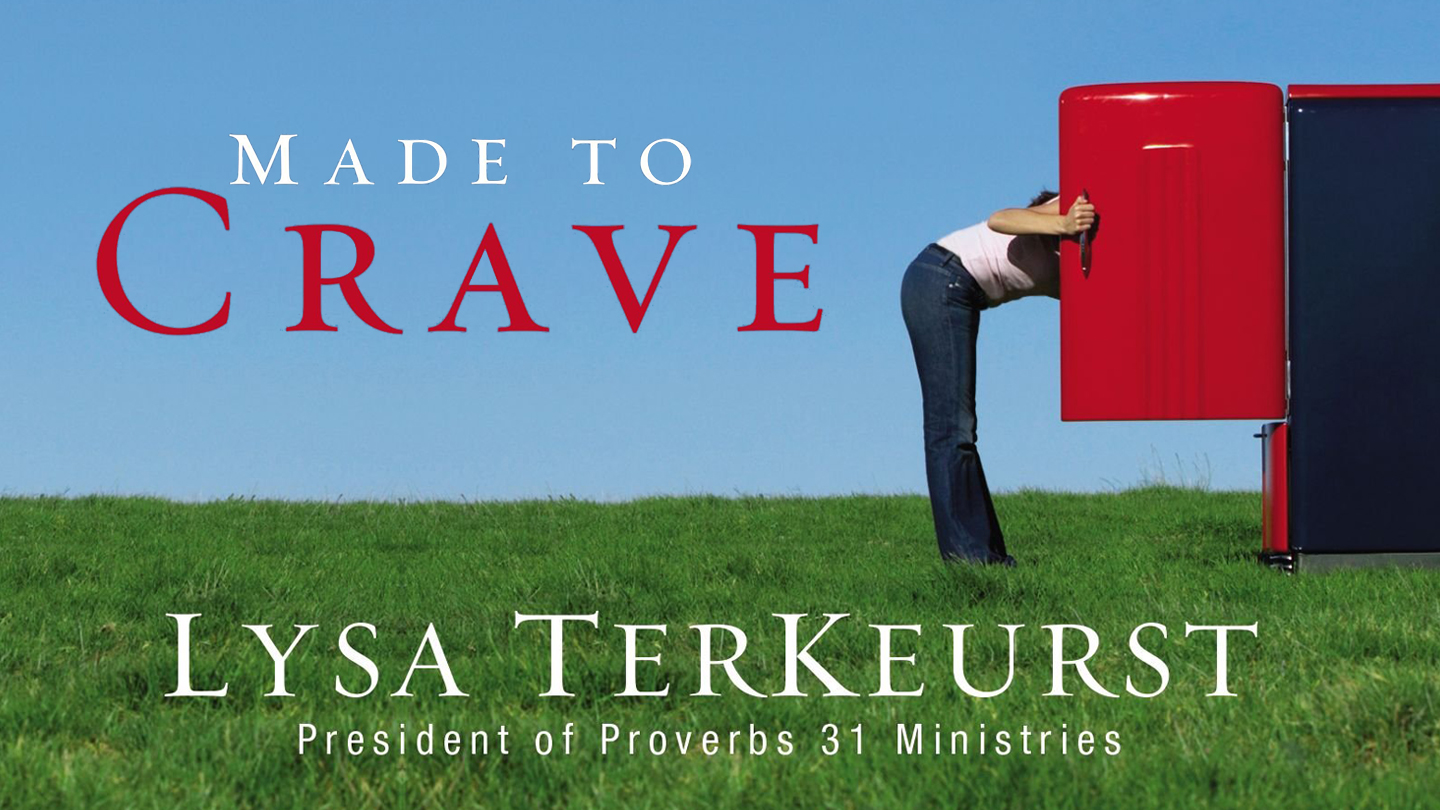
To help myself stay focused (and stave off those tempting cookie cravings), I have been reading daily devotional excerpts from the book Made to Crave by Lysa Terkeurst I really enjoyed this one and I wanted to share it since I found to be really helpful:
But I Never Feel Full
And to know the love of Christ, which passeth knowledge, that ye might be filled with all the fullness of God. Ephesians 3:19
For years, I walked around with a little heart-shaped cup in my soul, holding it out to people or things trying to find fulfillment. Some of us hold out our heart-shaped cup and expect a husband to love us in ways that rights our wrongs and fills up our insecurities. Sometimes, we expect our kids to be successful so that we look good and feel validated by their accomplishments. Or, we hope that a successful career will confirm that we are a valuable human being.
At times, I have asked the impossible of all of these. But my consistent “friend” of choice over the years has been food. Imagine my little heart-shaped cup as a candy dish, using sweets and snacks to soothe my emotions.
However, if we are going to replace destructive cycles with lasting changes in our lives, then we have to empty ourselves of the lie that other people or things can ever fill our hearts. Instead, we have to deliberately fill up on God’s truths and stand secure in His love. Here are some examples of how we can do that:
Old lie: “I am such a failure when it comes to my diet.” New truth: “I am not a failure. I am a lavishly loved child of God. Part of my right as a child of God is to operate in a power beyond myself. The Holy Spirit is God’s gift to me. So it is possible for me to use the self-control I’ve been given.”
Old lie: “I need these Oreos!” New truth: “The thought that these Oreos will fill me is a lie. They will taste good for just the few minutes it will take to eat them. Then that hollow feeling of guilt will rush in as soon as the chocolate high dissipates. If I truly need a snack right now, I am capable of choosing a healthier option.”
Old lie: “God seems far away and French fries are right around the corner at the drive-thru.” New truth: “French fries don’t love me. And the only lasting thing I get from them is the cholesterol and cellulite they inevitably leave behind, which will just compound my frustration. God’s love is here in this moment and in many more to come. His love is true and carries with it only positive residual effects.”
Examine how you can replace the lies and rationalizations in your mind with the truth of God’s love. Experience the power of renewing your mind and learning that food was never meant to fulfill the deepest places of your heart. And, as Ephesians 3:19 reminds, may you understand that the only way to true satisfaction is to be “filled to the measure of all the fullness of God.”





















































 Looking Joli Good
