
Abstract/TL;DR: Power dynamics in churches can influence interactions and decisions within the community. When power is misused, it can lead to negative actions and behaviors, including spiritual manipulation and abuse. Victims may hesitate to speak out due to fear and the culture of secrecy within the church. Recognizing and addressing power dynamics, manipulation, and abuse is essential for creating safe and supportive church communities that prioritize the well-being of all members. Restoring the true values and teachings of love and respect is crucial for healing and justice.
*Please note the disclaimer below
Content Warning: I may not cover all of these things in detail, you might feel triggered by the content of this post.
CW: religious trauma, spiritual abuse, physical abuse, SA, guilt and shame, emotional manipulation, loss of community, and fear of rejection
Whether we are discussing the Catholic church, Mark Driscoll and Mars Hill, Bill Gothard and the ILBP, the Southern Baptist Convention, or any one of the several Hillsong church scandals, or, in my experience, within the Independent Fundamental Baptist (IFB) religious institution, it is unfortunate that the subject of church leaders abusing their congregants has become so prevalent in the news.
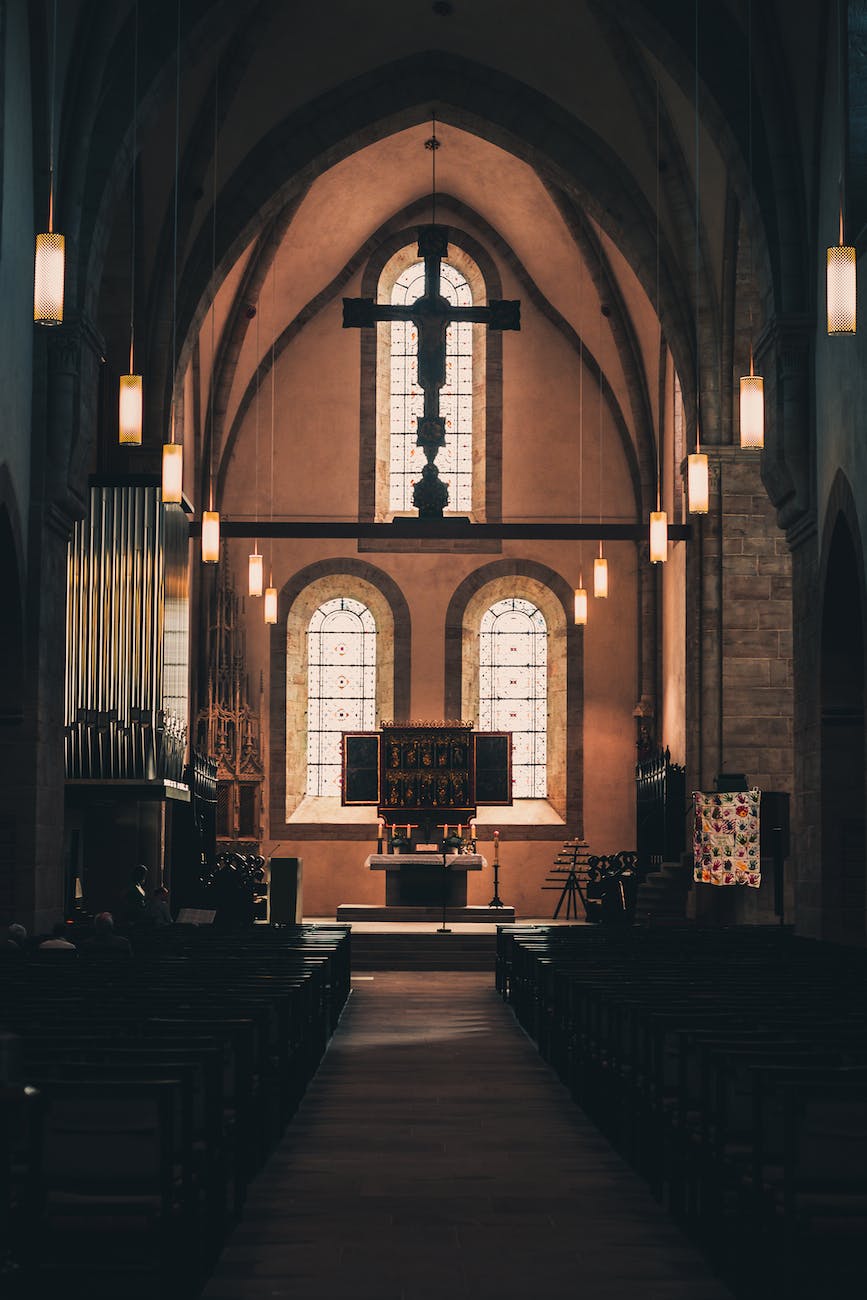
Let’s start by talking about what power dynamics mean: Power dynamics determine who has power and control in relationships and social settings. Understanding them helps us see how power affects interactions and decisions. It shows how power can be used positively or negatively and its impact on individuals and communities.
In a church, power dynamics also involve spiritual control and authority. Leaders like pastors or priests hold significant power, making important decisions and guiding the church. Other influential people within the church community may include board members, deacons, elders, and Sunday school teachers. Power distribution can vary among churches, with some emphasizing equal sharing of power among members and others having a more centralized power structure.
Power dynamics in churches can be complex and complicated. While not all churches operate in the same way, I can share from my personal experience that power dynamics within a churches can sometimes lead to negative actions and behaviors, especially when combined with spiritual manipulation. This occurs when individuals in positions of authority misuse their power to control or exploit others. They may manipulate religious beliefs, practices, or teachings to influence people’s thoughts, actions, or emotions for their own benefit.
This behavior is deeply concerning because it not only affects people’s emotional well-being but also undermines the trust we place in the church, and the very foundation of our faith and belief system. When power is misused in this way, it can create confusion, guilt, and even lead to the loss of faith for some individuals.
In some cases, power dynamics within the church can discourage questioning or challenging authority, creating an environment where abusive behavior can occur. Perpetrators may exploit their position of authority to exert control over others, enabling them to engage in abusive actions. Victims often hesitate to speak out or report the abuse due to fears of potential consequences, such as social exclusion or disbelief. This fear-induced silence allows the abusers to continue their harmful behavior without facing accountability.

The power imbalance exacerbates the potential for abuse, as victims may feel intimidated or believe it is inappropriate to question those in positions of power. Abusers may distort or misuse religious teachings to justify their abusive actions or manipulate victims into compliance. They might manipulate religious beliefs, such as emphasizing forgiveness or submission, to silence victims or discourage them from seeking help.
Power imbalances can lead to a culture of secrecy and protection within the church. Leaders or community members might prioritize maintaining the reputation of the church or protecting the abuser over the well-being and safety of victims. This can prevent the disclosure of abuse and hinder the process of seeking justice.
Though it is important to note that not all religious leaders are abusers, the actions of those who engage in abusive behavior can unfortunately tarnish the reputation of the entire community.
In my experience within IFB religious institutions, I have witnessed how power dynamics can have detrimental effects. Within the church hierarchy, certain individuals hold positions of authority and control, which can lead to a misuse of power. This manipulation can result in hurt and harm to those within the community. For instance, I have seen church leaders use their authority to silence dissenting voices, discourage critical thinking, and enforce strict legalistic adherence to their interpretations of doctrine. This not only stifles individual autonomy but also creates an environment where questioning or expressing concerns is discouraged. As a result, manipulation and hurt can thrive, leaving many feeling marginalized and voiceless within the community they once trusted.
One significant issue I’ve observed is the breach of confidentiality within trusted counseling relationships. It is disheartening to witness people who are sought for guidance and support betray the trust placed in them by sharing confidential information. This breach of confidentiality not only undermines the sense of safety and privacy that should accompany counseling, but also leads to a breakdown in trust within the community. Such actions further perpetuate a cycle of manipulation, hurt, and a reluctance to seek help when it is truly needed. It is imperative that religious institutions emphasize and uphold the ethical standards of confidentiality, ensuring that individuals can confide in trusted counselors and leaders without fear of their personal struggles being divulged to others.
Recognizing and addressing power dynamics, spiritual manipulation, and abuse within religious institutions is crucial for fostering healthy, inclusive, and supportive communities. We need to create places where everyone feels safe to talk about their concerns and hold leaders responsible, and prioritize the well-being and integrity of everyone in the church community.
We should always focus on taking care of each other and treating everyone with respect. By shining a light on these problems, we can work towards healing, justice, and a restoration of the true values and teachings that are supposed to guide us, such as the greatest commandment to love God and love others as ourselves.
If you or someone you know is experiencing physical or sexual abuse, please reach out for help. There are organizations and helplines dedicated to providing support, guidance, and resources to those in need. No one should have to endure abuse, and seeking assistance is a crucial step towards safety and healing.
Click HERE for a list of helpful resources.

resources for assistance with abuse.
Here are a few of the most well-known organizations and helplines:
The National Sexual Assault Hotline (RAINN): 1-800-656-HOPE (4673)
The National Domestic Violence Hotline (The Hotline): 1-800-799-SAFE (7233)
The National Coalition Against Domestic Violence (NCADV) 800.799.SAFE (7233)
Childhelp USA (Childhelp): 1-800-422-4453
The National Human Trafficking Hotline (NHTH): 1-888-373-7888
The National Center for Missing and Exploited Children (NCMEC): 1-800-THE-LOST (843-5678)
If you have access to a SAFE computer:
The National Coalition Against Domestic Violence (NCADV) https://www.thehotline.org/ provides information and resources on domestic violence, including a state-by-state directory of domestic violence organizations.
Internet usage can be monitored and is impossible to erase completely. If you’re concerned your internet usage might be monitored, call them at 800.799.SAFE (7233). Learn more about digital security and remember to clear your browser history after visiting their website.
The National Center for Victims of Crime (NCVC) provides information and resources on a variety of crime victim issues, including physical and sexual abuse. https://victimsofcrime.org/
The Rape, Abuse & Incest National Network (RAINN) https://www.rainn.org/ also has a number of online resources, including a chat hotline, a library of information, and a blog.
These are just a few of the many organizations and helplines that can provide support to victims of physical and sexual abuse.
In addition to these organizations, there are also many local resources available. You can contact your local police department, hospital, or mental health clinic for more information. If you have access to a safe computer you can also search online for “domestic violence resources” or “sexual assault resources” in your area.
You are not alone. There are people who care about you and want to help. Please reach out for help if you are being abused.

Disclaimer: The experiences shared in this post are based on my personal perspective. While I chose to leave the IFB to find a more gracious and loving community, it is important to acknowledge that individuals may have different experiences and find happiness within the IFB or any other religious institution. My decision to leave the IFB does not imply a loss of faith, as faith is a deeply personal and subjective matter. It is essential to respect and recognize the diversity of experiences and perspectives within religious communities. The content shared is for informational purposes only and should not be construed as professional advice, guidance, or a universal representation of the IFB or any religious organization. It is recommended to seek guidance, conduct research, and consider multiple perspectives when making personal decisions or exploring matters of faith.While I speak from personal experience and perspective, I want to acknowledge that I come from a place of extreme privilege. I understand that I have the means and support to change my situation, which may not be the case for everyone. It is important to recognize that each individual’s circumstances vary, and not everyone has the same resources available to them.
References
Abuser database. (n.d.). https://www.preacherboyspodcast.com/abuser-database#Australia
DeGroat, C. (2022). When narcissism comes to church: Healing Your Community From Emotional and Spiritual Abuse. InterVarsity Press.
Lucey, C. (2021). What is Spiritual Abuse and How Do We Recognize It? Christianity.com. https://www.christianity.com/wiki/church/what-does-spiritual-abuse-within-a-church-look-like.html

 Looking Joli Good
3 thoughts on “Abuse of Power Dynamics and Spiritual Manipulation at Places of Worship”