Content Warning: Eating disorders, disordered eating, anorexia, body image, mental health struggles,
The start of a new year often brings the pressure to diet, fueled by resolutions and societal narratives equating thinness with beauty and success. This mindset can create a harmful cycle, where people feel compelled to overhaul their eating habits, not for health, but to conform to unrealistic beauty standards. Such pressure can lead to restrictive behaviors, creating guilt and a negative relationship with food.
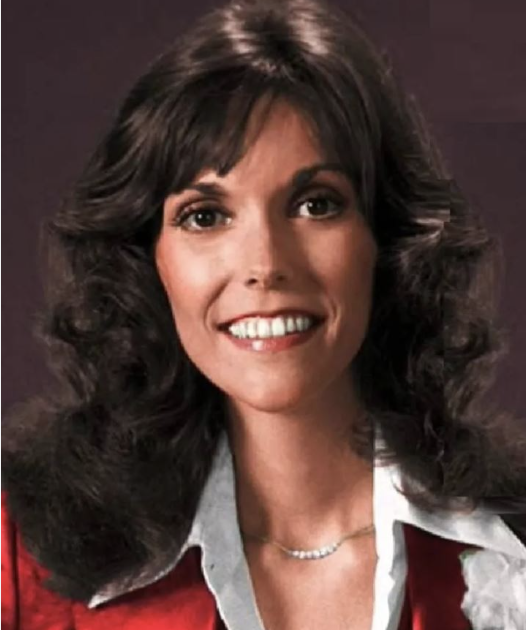
When I was about nine years old, I had a moment that forever changed my understanding of the world. It was Christmas time, and we were visiting my grandparents, enjoying listening to Christmas music. The soft, beautiful voice of Karen Carpenter filled the room, and I was completely mesmerized by her singing. It was the first time I had heard such a pure and captivating voice, and I couldn’t get enough of it. To this day, her voice, with its warmth and emotional depth, remains one of my all-time favorites.

As the music played, I turned to my grandmother and asked who is this amazing singer. She told me her name is Karen Carpenter, and then added, “It’s too bad she died so young. She starved herself to death.”
I was shocked, my mind was racing with questions. I couldn’t comprehend how someone so talented and successful with such an amazing voice could choose not to eat. Why would she do that? My young mind struggled to understand.
The music superstar was just 32 years old when she succumbed to the disease in 1983.
Later on I remember asking my Mother about it and she explained that Karen Carpenter suffered from something called anorexia, a mental health eating disorder, a condition where people feel compelled to control their food intake in harmful ways.
I remember feeling a mix of confusion and sadness. It was hard to believe that someone with such an amazing gift, someone who brought so much joy to others, could be struggling so much inside. The idea that someone could be so affected by societal expectations that they would harm themselves was a new and startling revelation for me. It wasn’t until years later that I would fully understand how internal and external pressure along with beauty standards can sometimes lead people to take drastic measures to feel like they fit in, and how dangerous it can be.
It isn’t fully known why people choose to become anorexic, maybe because they want to look a certain way or feel pressure from society to meet certain beauty standards, or maybe because they feel their life is out of control and their food intake is something they can have control over.
That conversation with my grandmother opened my eyes to a harsh reality I had never known before. It made me realize that behind the fame and talent, there could be deep, painful struggles. It was the first time I understood that not everything is as it seems and that the pressures of society can have a profound impact on individuals mental, emotional and physical health.
As I grew older, this early lesson stayed with me. To this day, I still think about how much pain Karen Carpenter must have been in to deny herself the nutrients she needed to sustain life. It serves as a constant reminder of the silent struggles that many individuals face behind closed doors.
Though I may never fully understand the depths of Karen’s anguish, I do understand the allure of weight loss being rewarded. In a world that often equates thinness with worth and beauty, it’s easy to fall into the trap of believing that shedding pounds will bring happiness and acceptance. But this pursuit can quickly become dangerous, distorting reality and overshadowing true well-being. As I’ve come to realize, no amount of weight loss can fill the void left by a lack of self-acceptance or heal the emotional scars inflicted by societal expectations. The real challenge is learning to see beyond these superficial ideals and embrace the inherent worth and beauty that exists in every person, regardless of their size.
If you or someone you know is struggling with an eating disorder or disordered eating, it’s important to reach out for support. Seeking assistance from friends, family, or mental health professionals can make a significant difference in navigating these challenges. Remember that you don’t have to face it alone, and there are resources available to help you on the path to recovery. Prioritize your well-being and take the first step toward seeking the support you need.

Resources:
https://www.nationaleatingdisorders.org/help-support/contact-helpline
https://www.eatingdisorderhope.com/
https://www.nimh.nih.gov/health/publications/eating-disorders
Project HEAL. (2023, November 10). Project HEAL. https://www.theprojectheal.org/

Disclaimer: I am not an expert on eating disorders or disordered eating. The information provided is based on general knowledge and personal experience and should not be considered as a substitute for professional medical advice or treatment. While I am a registered nurse, I am not your personal healthcare provider. It is advisable for you to consult with your own designated healthcare professional to determine the best course of action for your specific situation for personalized guidance and recommendations tailored to your specific needs.

 Looking Joli Good
Wonderful reflection. I often think about Karen Carpenter’s struggles when I hear her lovely voice as well.
LikeLiked by 1 person
Yes such a beautiful voice and sad situation.
LikeLiked by 1 person