
In our image-obsessed culture, weight loss is often touted as the ultimate solution to unhappiness. Countless ads, social media influencers, and even well-meaning friends perpetuate the idea that shedding pounds will magically bring fulfillment. But for many, the pursuit of weight loss becomes a treadmill of physical and emotional exhaustion, leaving them further from true happiness than they began. My own journey is a testament to this reality: at my thinnest and fittest, I may have looked my best, but my mental and emotional health were in shambles. Only when I let go of the relentless pursuit of thinness did I find genuine contentment.
Years ago, I dedicated myself fully to becoming the “ideal” version of myself. I exercised rigorously, adhered to strict dietary guidelines, and prided myself on my discipline. Outwardly, the results were impressive. Friends and acquaintances showered me with compliments, admiring my fit physique and apparent self-control. It felt so good to be given so much praise, but beneath the surface, I was unraveling.
The mental toll of maintaining that lifestyle was immense. My thoughts were consumed by calories, macros, and workout schedules. I felt immense pressure to maintain my appearance, fearing that any deviation from my routine would erase all my progress. What’s more, I ignored the warning signs of burnout, convincing myself that my worth was tied to how I looked. Even though I appeared healthy, I was silently battling anxiety, self-doubt, and an overwhelming sense of emptiness. I felt the need to compare and compete with those around me.

This precarious balance came crashing down when I suffered an injury that significantly altered my ability to exercise. Suddenly, my meticulously crafted routine was impossible to maintain. Around the same time, I experienced a series of personal losses that shook me to my core. The weight of grief and the inability to channel my emotions into physical activity forced me to confront the truth I had been avoiding: I was deeply unhappy, and no amount of weight loss or fitness could fill the void inside me.
Initially, I struggled to adjust. Watching my body change felt like losing a part of my identity. But as I began to let go of the unrealistic expectations I had placed on myself, something remarkable happened. I discovered a sense of freedom I hadn’t felt in years. By allowing myself to relax and embrace a more balanced lifestyle, I found the space to heal emotionally and mentally.
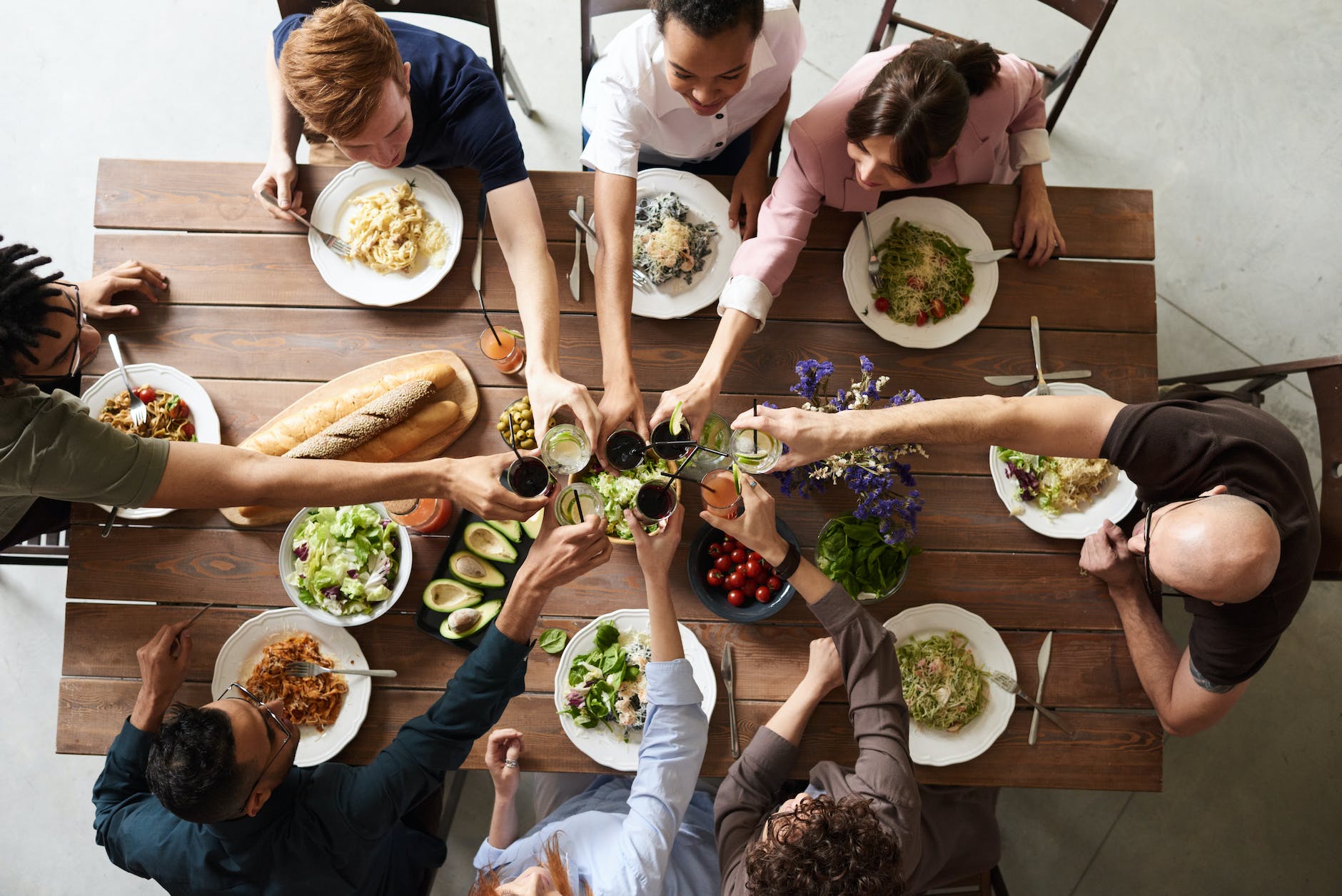
Gaining weight, something I had once greatly feared so deeply, became a symbol of reclaiming my life. It meant enjoying meals with loved ones without guilt, spending time on hobbies that brought me joy, and prioritizing rest when my body needed it. I began to reconnect with who I truly was, apart from societal expectations or the number on a scale. For the first time in years, I felt whole. I felt happy. I felt content. I felt satisfied.
This journey taught me that the pursuit of thinness often comes at the expense of genuine happiness. While physical health and fitness is important, it should never overshadow mental and emotional well-being. True fulfillment comes from accepting ourselves as we are, imperfections and all, and building a life that aligns with our values rather than external standards.
Today, I am my truest, happiest self. My body may not fit my previous definition of perfection, but it is a vessel for a life filled with purpose, love, and joy. And that, I’ve learned, is far more valuable than any number on a scale. If you’ve been chasing weight loss as the solution to unhappiness, I encourage you to pause and reflect. Ask yourself what you truly need to feel whole. The answer, as I discovered, might not lie in losing weight but in finding yourself.

If you or someone you know is struggling with an eating disorder or disordered eating, it’s important to reach out for support. Seeking assistance from friends, family, or mental health professionals can make a significant difference in navigating these challenges. Remember that you don’t have to face it alone, and there are resources available to help you on the path to recovery. Prioritize your well-being and take the first step toward seeking the support you need.
**I’ve included some resources and references below.**

Disclaimer: I am not an expert on eating disorders or disordered eating. The information provided is based on general knowledge and personal experience and should not be considered as a substitute for professional medical advice or treatment. While I am a registered nurse, I am not your personal healthcare provider. It is advisable for you to consult with your own designated healthcare professional to determine the best course of action for your specific situation for personalized guidance and recommendations tailored to your specific needs.
**Resources:
https://www.nationaleatingdisorders.org/help-support/contact-helpline
https://www.eatingdisorderhope.com/
https://www.nimh.nih.gov/health/publications/eating-disorders
https://www.theprojectheal.org/

 Looking Joli Good
I’ve also experienced the uncertainty that injury brings. It is a really challenging situation. I know I still tie a lot of my self-worth to my ability to remain physically active, and especially to run. It’s good to read how you’ve found other ways to cope and practice self care, and how letting go of unrealistic expectations played a role.
LikeLike
Great post. Amazing how God used that imjury in your life.
LikeLiked by 1 person
It was a life changing injury in many ways! I didn’t know at the time that years later I would be thankful for how it affected me. Thanks for reading and commenting. ❤️
LikeLike